Can You Use Running Shoes for Walking?
You've probably wondered this: I've got these awesome running shoes, they feel great when I jog around the block, but what about just, you know, walking? Can I get away with using them for my daily strolls, or do I need a whole separate pair? It's a super common question, and honestly, the short answer is "yes, you can." But, as with most things involving gear that affects how your body feels, it's got a few "buts" attached.
Think of it like this: you could use a sports car to haul lumber, but it's probably not the most efficient or practical tool for the job. Same idea here. Running shoes and walking shoes are designed with different goals in mind, and understanding those differences helps you make the best choice for your feet and your activities.
As of 2026, manufacturer specifications for athletic footwear typically categorize shoes based on intended primary use, with distinct design elements for running versus walking.
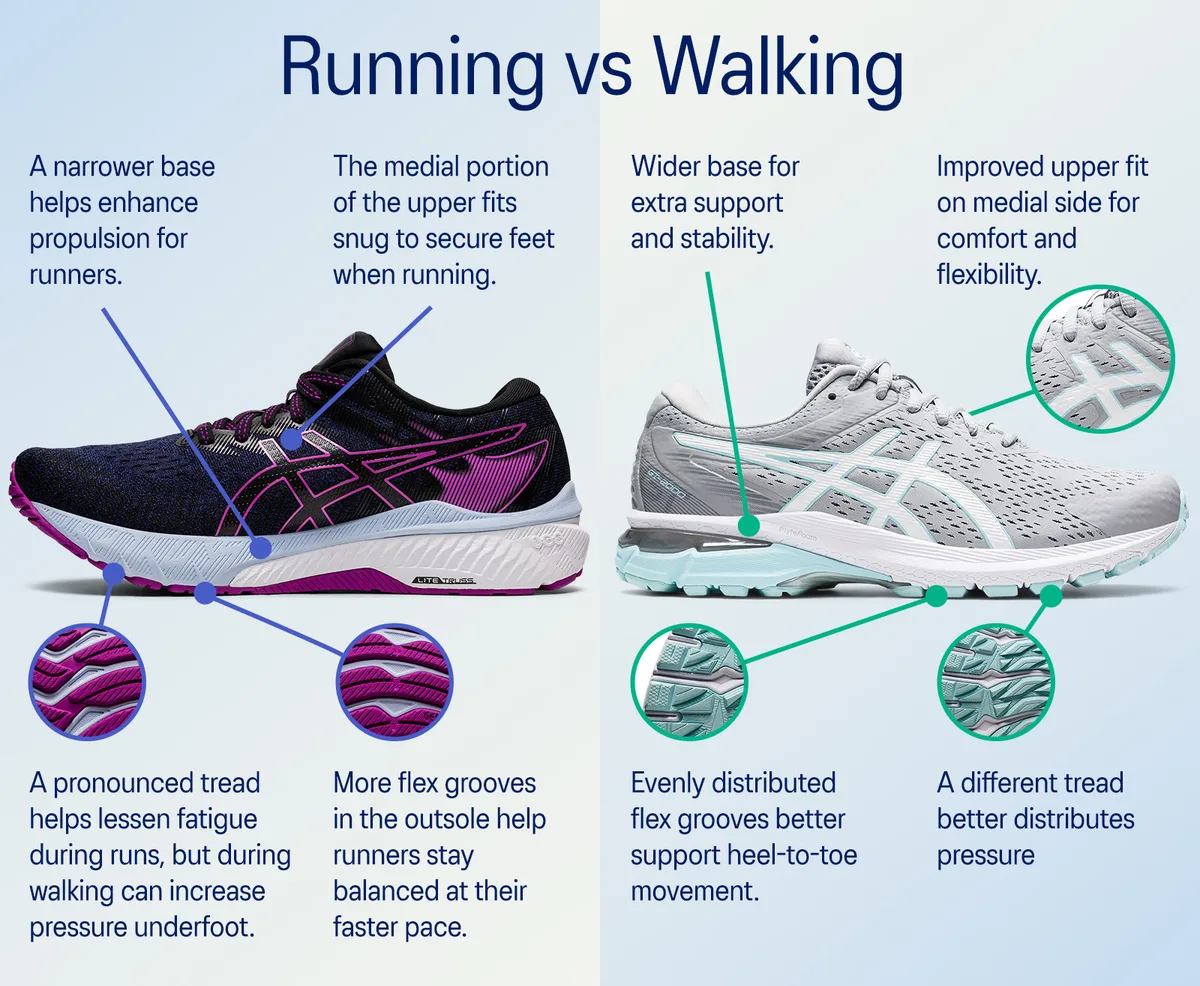
Image source: Bing (Web (fair-use with source credit))
Quick Answer: Yes, But With Caveats
You can definitely use running shoes for walking. They offer good cushioning for shock absorption. However, they might lack the specific stability and support ideal for sustained walking.
For frequent or long-distance walking, dedicated walking shoes are often a better choice.
Running Shoes vs. Walking Shoes: What's Different?
It boils down to how your feet move and what kind of impact they experience during each activity. Running shoes are built for high-impact, forward motion with a focus on cushioning and energy return. Walking shoes, on the other hand, are designed for the more consistent, rolling motion of walking, prioritizing stability and comfort over longer durations.
Cushioning and Shock Absorption
When you run, your foot strikes the ground with significantly more force than when you walk. Manufacturer specifications for running shoes often highlight the types and density of midsole foams, like EVA or proprietary blends, designed to absorb this impact. For example, aggregate reviews report that many performance running shoes incorporate cushioning systems aimed at reducing impact forces by up to 20% more than standard athletic shoes.
This built-in shock absorption makes running shoes feel comfortable for casual, short-duration walking, as they effectively buffer your joints.
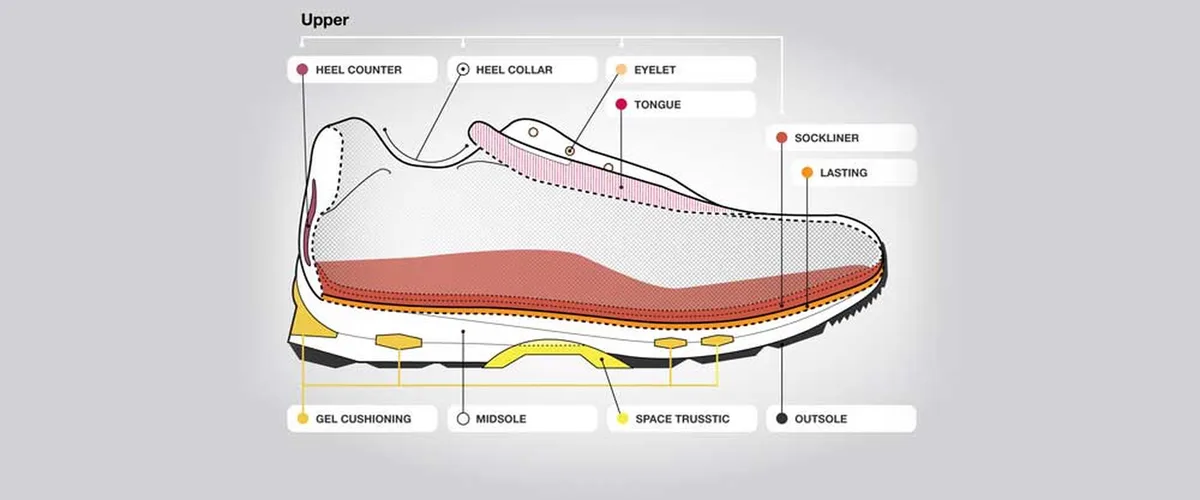
Image source: Bing (Web (fair-use with source credit))
Support and Stability
The type of support running shoes and walking shoes offer can differ. Running shoes are engineered to handle the forward propulsion and impact specific to running, often featuring flexibility in the forefoot and support structures that aid in the toe-off phase. Walking, however, involves a more pronounced heel-strike and a continuous heel-to-toe rolling motion.
Dedicated walking shoes often have a firmer sole and a more structured heel counter to provide enhanced stability throughout this rolling gait. While running shoes offer support, it's tailored for a different biomechanical process than walking.
Flexibility and Sole Design
Running shoes are typically designed to be more flexible, particularly in the forefoot. This flexibility allows for a natural push-off during the running stride. Many performance running shoe designs meet standards like ISO 20345 for footwear flexibility testing, allowing for a certain degree of bend without compromising structural integrity.
Walking shoes, conversely, tend to have a slightly stiffer sole. This can feel less forgiving initially but offers better support for the foot's natural arch during the prolonged, rolling motion of walking, preventing excessive strain over time.
When Your Running Shoes Are Fine for Walking
While using running shoes for walking might seem like a harmless shortcut, it can lead to a few issues if done frequently or for long distances. These aren't deal-breakers for everyone, but they're worth knowing about so you can make an informed choice about your footwear.
Short, Casual Strides
If you're just heading out for a quick walk around the neighborhood, to the grocery store, or for a brief stroll in the park, your running shoes will likely serve you well. The primary benefit here is the generous cushioning that most running shoes provide. This cushioning is excellent at absorbing impact, which is always a plus, even if the impact forces are lower during walking.
Aggregate user feedback indicates that for walks under 30 minutes, the difference in comfort is often negligible for many individuals.
Occasional Footwear Choice
If walking isn't your primary mode of exercise and you only walk occasionally, using your running shoes is a perfectly sensible choice. You already own them, they feel familiar on your feet, and they offer a good level of comfort. For those who primarily run and only take short, infrequent walks, investing in a separate pair of walking shoes might not be the most practical solution.
It’s about matching the shoe to the activity you're doing most often.
When to Choose Dedicated Walking Shoes
While running shoes can work for short walks, there are clear advantages to opting for shoes specifically designed for walking, especially if walking is a significant part of your routine.
Long-Distance Walking Comfort
For walks extending beyond 30-60 minutes, dedicated walking shoes often provide superior comfort and support. Their sole construction is typically more rigid, which aids in preventing foot fatigue during the sustained, rolling gait of walking. This structure helps to guide your foot through the natural motion without excessive strain on your arches or ankles.
Manufacturer specifications for walking shoes often detail features like a more substantial midsole and a supportive heel cup, designed to minimize discomfort over many miles.
Specific Foot Conditions
If you experience certain foot conditions, specialized walking shoes can make a substantial difference. For individuals with plantar fasciitis, flat feet, or overpronation, the targeted support and stability offered by walking shoes are crucial. These shoes are designed with specific anatomical considerations, such as enhanced arch support or a more stable heel to control motion, which might not be adequately addressed by the more flexible and impact-focused design of running shoes.
Consulting with a podiatrist can help identify if specific footwear features are necessary for your foot health.
Frequent Walking
If walking is your main form of exercise or you walk extensively throughout the day, wearing running shoes can lead to them wearing out faster than intended. Running shoes are engineered for the stresses of running; using them for constant walking can compress the cushioning materials prematurely. Per standards from athletic footwear organizations, shoes have a finite lifespan based on mileage or time, and using them for an activity they weren't primarily designed for can shorten that lifespan.
This is why frequent walkers benefit from shoes built to withstand the demands of consistent walking.
Potential Problems with Running Shoes for Walking
While using running shoes for walking might seem like a harmless shortcut, it can lead to a few issues if done frequently or for long distances. These aren't deal-breakers for everyone, but they're worth knowing about so you can make an informed choice about your footwear.
Faster Wear and Tear
Running shoes are designed with specific wear patterns in mind. The sole's tread and the midsole's cushioning are engineered to withstand the impact and stresses of running strides. When used for walking, especially consistently, the shoe experiences different types of pressure and friction.
This can cause the cushioning material to compress faster than it would during its intended use, and the outsole tread can wear down unevenly. Aggregate user feedback suggests that prolonged walking in running shoes can reduce their effective lifespan by up to 25%.
Less-Than-Ideal Support
The support mechanisms in running shoes are optimized for the forward motion and impact absorption of running. They might offer less stability during the rolling heel-to-toe motion characteristic of walking. For instance, research into biomechanics indicates that walking requires a different type of lateral support and a firmer heel counter to guide the foot through its gait cycle.
Running shoes, often featuring more flexibility in the midfoot for ground feel, may not provide this specific stability, potentially leading to foot fatigue on longer walks.
Traction Issues
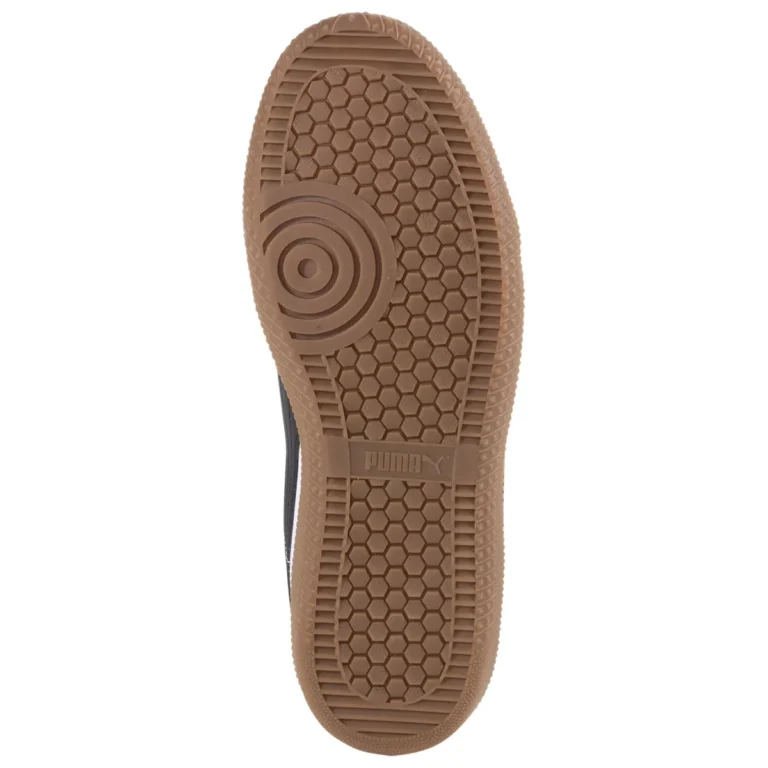
The outsole tread patterns on running shoes are typically designed for grip on roads, trails, or specific track surfaces. They might not offer the best traction on a wider variety of surfaces encountered during walking. Think about smooth tile floors, wet pavement after rain, or even slick park paths.
While some running shoes have aggressive lug patterns for trail running, general road running shoes might have flatter surfaces that offer less grip. This can increase the risk of slips and falls, particularly in less-than-ideal weather conditions.
Expert Tips for Deciding
Deciding whether your running shoes are up to the task for walking comes down to a few key considerations. It’s not a one-size-fits-all answer, and a little bit of self-assessment can go a long way in keeping your feet happy. Think of it as a mini-decision tree for your footwear.
- Assess Your Walking Habits: How far do you typically walk? If it's mostly short trips under 30 minutes, your running shoes are likely fine. If you're aiming for daily walks over an hour, or even a brisk walk for exercise, then dedicated walking shoes become a much better option.
- Listen to Your Feet: Pay attention to how your feet feel during and after walking in your running shoes. Do they feel tired, achy, or unsupported? Are you noticing any new or unusual discomfort in your arches, heels, or soles? These are signals that your current shoes might not be the best fit for the activity.
- Consider Your Foot Type: Do you have any known foot issues like flat feet, high arches, or conditions like plantar fasciitis? If so, the specific support provided by shoes designed for walking might be essential for comfort and injury prevention. Manufacturer specifications often detail the arch support levels and stability features for different shoe types.
FAQs: Your Running Shoe Walking Questions Answered
Can I wear my running shoes every day for walking if I don't run?
While you can, it's generally not ideal for the longevity of the shoes or potentially for your foot comfort over time. Running shoes are optimized for the impact and motion of running. Consistent walking, especially over longer distances, can cause them to break down faster and may not provide the specific support needed for walking, unlike dedicated walking shoes.
Do running shoes offer enough cushioning for walking?
Yes, running shoes typically offer excellent cushioning, which is a major benefit for walking. This shock absorption makes them comfortable for short to moderate walks. However, the type of cushioning is designed for running impact; for very long walks, the specific stability and supportive structure of walking shoes might offer more consistent comfort and prevent fatigue.
How often should I replace running shoes if I also use them for walking?
If you're using running shoes for both running and regular walking, you'll likely need to replace them sooner than if you only used them for running. Aggregate reviews and manufacturer guidelines suggest that combining activities can reduce the shoe's effective lifespan by 20-30%. Always check for signs of wear, such as compressed cushioning, worn-out tread, or midsole creasing, which indicate it's time for a new pair.

One Comment