How Should Work Shoes Fit?
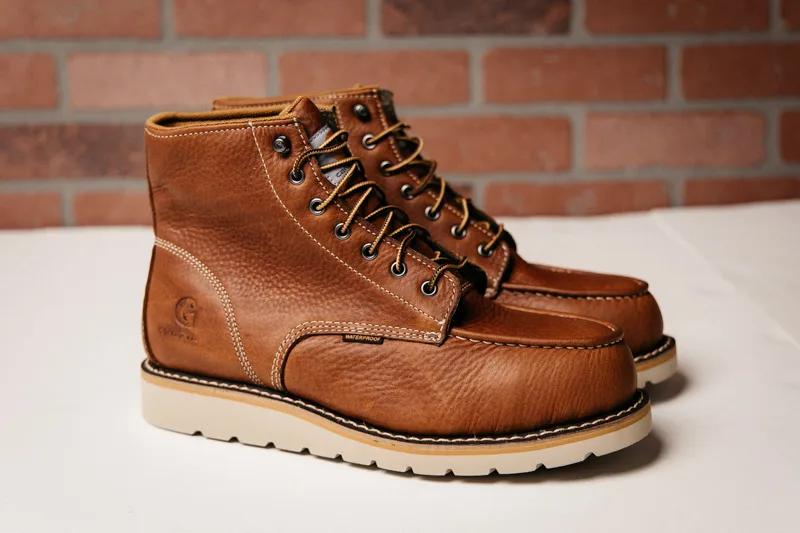
Image source: Bing (Web (fair-use with source credit))
How should work shoes fit? Getting it right means comfort, safety, and productivity throughout your day. Ill-fitting work shoes can lead to everything from painful blisters to serious injuries, affecting your ability to do your job effectively.
We'll guide you through the essential checks to ensure your footwear is a reliable partner on the job.
Our research indicates that for most work environments, shoes should be snug enough to prevent foot sliding but offer ample space for toe movement. Specifications from leading footwear manufacturers as of 2026 confirm that a well-fitting shoe should allow for about a thumb's width of space between your longest toe and the shoe's end. This crucial detail prevents toe jamming and allows for natural foot expansion during long work shifts.
Quick Answer
Work shoes should feel secure but not tight, allowing toe wiggling. Your heel should remain stable with no slippage. They shouldn't pinch, rub, or create pressure points.
Try them on late in the day with work socks.
What "Good Fit" Really Means for Work Shoes
When we talk about work shoe fit, it's more than just avoiding immediate discomfort. It's about ensuring your feet are supported and protected for long hours of demanding activity. The primary goal is a secure, stable foundation that doesn't impede natural foot mechanics or create hazards.
It means finding a balance: tight enough to prevent unwanted movement but loose enough for your feet to function naturally.
Room to Wiggle, No Pinching
Your toes need space. This isn't just for comfort; it allows your feet to expand slightly throughout the day without becoming constricted. You should be able to wiggle your toes up and down, and side to side, feeling a slight give.
Simultaneously, you must avoid any sensation of the shoe digging into the sides of your feet, the top of your arch, or especially your heel. Any sharp edges or areas of intense pressure are red flags for potential blisters and long-term foot issues. A shoe that fits correctly will feel like a natural extension of your foot, not a restrictive cage.
Your Step-by-Step Guide to Checking the Fit
Getting the fit right takes a little attention to detail, but it's time well spent. Follow these steps to ensure your work shoes are truly serving you well. Remember, the perfect fit is about how the shoe interacts with your specific foot shape and your work demands.
Trying Them On Right
Your feet change size throughout the day, typically swelling as you stand and move. Therefore, the absolute best time to try on new work shoes is at the end of your workday, or at least after you’ve been on your feet for a while. This ensures you’re getting a fit based on your feet at their largest, preventing shoes that feel fine in the morning but become painfully tight by afternoon.
Always try on shoes with the same type of socks you wear for work. If you use thick, cushioned work socks, wear them. If you prefer thinner moisture-wicking socks, use those.
The thickness of your socks can significantly impact how a shoe feels and fits. This simple step helps account for the sock's volume, which can make a noticeable difference in overall comfort and fit.
Testing the Length and Width
Once you have the right socks on and the shoes are unlaced, slide your foot forward inside the shoe. Your toes should gently touch the front of the toe box. Now, check the space at the back.
You should be able to comfortably slide one finger, typically your index finger, between your heel and the back of the shoe. This approximately thumb's width of space is crucial for preventing your toes from jamming forward during movement or when descending stairs.
When you stand up, your foot should comfortably fill the width of the shoe. You shouldn't feel like your foot is spilling over the edges, nor should there be excessive empty space where your foot can slide laterally. Aggregate user reviews suggest that a shoe that's too narrow can cause bunions and other foot deformities, while one that's too wide leads to instability and blisters from internal friction.
The ideal width allows your foot to rest naturally on the insole.
Assessing Heel Security and Arch Comfort
Walk around in the shoes. Pay close attention to your heel. It should feel securely held in place, with minimal to no upward slippage as you walk.
A heel that lifts repeatedly is a primary cause of blisters and can compromise your stability, especially on uneven surfaces. Try a few different movements if possible, like a small hop or walking down a short set of stairs, to really test this.
Next, assess the arch support. The shoe's arch curve should align comfortably with the natural arch of your foot. You shouldn't feel a hard bump pressing into your arch, nor should you feel like your arch is completely unsupported.
This support helps distribute weight evenly and reduces strain on your feet and legs. The fit here is highly personal and depends on your foot's natural pronation, so what feels right for one person might not for another.
Why Different Work Shoes Need Different Fit Checks
The universal principles of shoe fit still apply, but the specific demands of different work environments and shoe types mean you'll need to pay attention to slightly different cues. What constitutes a perfect fit for a safety boot in a construction zone differs from the requirements of a slip-resistant shoe in a busy kitchen. Understanding these nuances ensures you select footwear that is not only comfortable but also appropriately protective for your role.
Fitting Safety-Toe Boots
Safety-toe boots, often required in industries like construction, manufacturing, and warehousing, incorporate a protective toe cap (steel, composite, or alloy). Manufacturer specifications confirm these toe caps add bulk and rigidity to the front of the boot. When fitting, you still need that essential thumb's width of space between your toes and the end of the boot, but the focus shifts to ensuring the toe cap itself doesn't press down or rub against your toes.
There must be enough internal depth so your toes aren't jammed against the cap, even when you flex your foot. The boot should still feel secure around the ankle and heel.
Fitting Slip-Resistant Shoes
Slip-resistant shoes are engineered for environments where spills are common, such as restaurants, hospitals, and food processing plants. Their design prioritizes grip, which often means they need a snugger fit, particularly around the midfoot, to prevent any internal foot sliding that could lead to a loss of traction. However, snug does not mean tight.
You still need adequate room in the forefoot for your toes to splay slightly, and the heel should remain locked down to prevent the shoe from lifting or slipping. The primary aim is to keep your foot stable within the shoe to maximize the effectiveness of the outsole's grip technology.
What to Watch Out For: Common Fit Mistakes
Even with the best intentions, it's easy to make a misstep when choosing work shoes. Many people fall into common traps that lead to discomfort and potential injury down the line. Being aware of these pitfalls can help you make a smarter choice.
Ignoring Discomfort Signals
The most common mistake is assuming a shoe will "break in" and become comfortable over time. While some shoes might soften slightly, a shoe that is fundamentally too tight, too narrow, or the wrong shape for your foot will rarely improve significantly. That initial pinch, rub, or pressure point is your body telling you something is wrong.
Trying to tough it out can lead to chronic pain, blisters, calluses, or even more serious foot conditions like bunions or hammertoes. Always prioritize comfort from the moment you try them on.
Relying Only on Size
Shoe sizing is notoriously inconsistent across different brands and even between different models within the same brand. A size 10 in one work boot might fit like a 9.5 in another. Relying solely on the number printed on the box is a flawed approach.
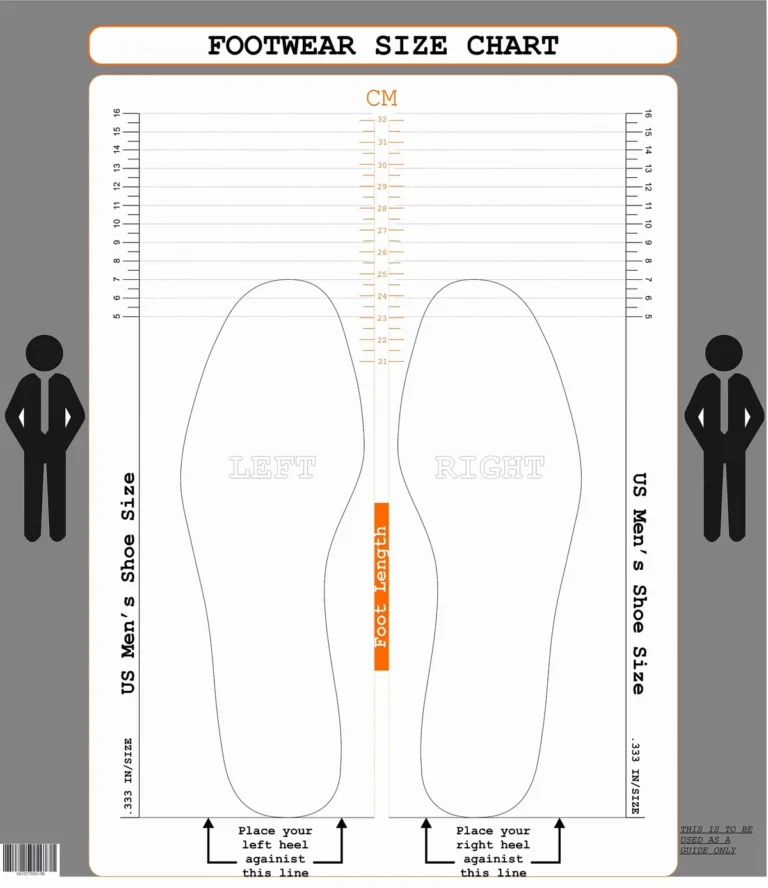
Always judge the fit based on how the shoe feels on your foot, using the physical checks for length, width, heel slippage, and arch comfort. Measuring your feet at home using a Brannock device or a printable sizing chart from a reputable manufacturer is a good starting point, but the final test is always the in-person feel.
Expert Tips for Getting the Perfect Work Shoe Fit
To truly nail the fit of your work shoes, consider these extra tips from footwear professionals. These insights go beyond the basic checks to help you find that ideal combination of comfort, support, and safety tailored to your specific job.
- Consider Your Arch Type: If you have noticeably high arches or very flat feet, pay extra attention to how the shoe’s built-in arch support aligns with your foot. For some, specialized work shoes with excellent inherent support are key. For others, especially those with significant arch issues, you might need to factor in room for aftermarket insoles or orthotics. When trying on shoes, if you plan to use custom orthotics, bring them with you and insert them into the shoes to get the most accurate fit.
- Factor in Motion Control: If your job requires a lot of walking, running, or standing on varied terrain, consider shoes with good motion control features. These help guide your foot through its natural stride and can prevent excessive inward or outward rolling (pronation or supination). While some running shoes focus heavily on this, work-specific footwear is increasingly incorporating similar technologies for enhanced stability and fatigue reduction.
- Don't Forget the Sole: The sole of the shoe plays a critical role in fit and function. It should flex naturally with your foot at the ball of the foot, not in the middle of the arch. A shoe that bends too easily in the arch can lead to strain. Check that the sole is also providing adequate cushioning for your work environment, especially if you're on hard surfaces for extended periods. Thick soles can offer more shock absorption, but ensure they don't make the shoe too bulky or unstable for your tasks.
- Think About Lacing Techniques: Sometimes, a shoe feels slightly off because of how it's laced. Try unlacing the shoe completely and relacing it yourself. You can adjust the tightness across different parts of your foot. For instance, if the top of your foot feels too constricted, you can loosen the lacing over the arch. If your heel feels loose, you can employ a "heel lock" lacing technique, which uses an extra set of eyelets to secure your heel in place.
How to Measure Your Feet for Shoes
Knowing your actual foot measurements is a critical first step before you even try on a pair of work shoes. Many people underestimate the importance of accurate sizing, leading them to purchase ill-fitting footwear. Tools like a Brannock device, commonly found in shoe stores, or even a simple piece of paper, a pen, and a ruler can help you get precise measurements.
This data serves as your baseline for selecting the correct shoe size.
This process involves measuring both the length and width of your feet, as different shoes can vary significantly in their dimensions. It's also vital to measure both feet, as they are rarely identical in size. You’ll want to use the measurement of your larger foot to guide your shoe selection, ensuring a comfortable fit for both.
Measuring Length and Width
To measure length, place a piece of paper on a hard floor against a wall. Stand on the paper with your heel touching the wall. Mark the point on the paper that your longest toe reaches with a pen.
Measure the distance from the edge of the paper to your mark in inches or centimeters. Repeat this for your other foot.
For width, you can trace the outline of your foot on the paper. Then, measure the widest part of the traced outline. Many manufacturers offer width charts or indicate sizes like "Narrow," "Medium" (or "D"), "Wide" (or "E"), and "Extra Wide" (or "2E," "4E").
Knowing your foot's width helps prevent shoes that are too tight across the ball of your foot or too loose and unstable. You can find resources on how to measure your feet for shoes from reputable footwear associations.
How Much Room Should Be in a Shoe?
The amount of space required inside a shoe is a key factor in achieving a proper fit, especially for footwear worn during physically demanding work. It’s not about having your foot swim loosely, but rather having enough controlled freedom for natural foot movement and to accommodate minor swelling. This space is crucial for preventing common foot problems that can arise from constricted footwear.
This guideline typically applies to the toe area of the shoe. It ensures that your toes aren't constantly bumping against the front of the shoe, which can lead to bruised nails, blisters, and long-term toe deformities. It also accounts for the fact that your feet naturally expand slightly during periods of activity or when exposed to heat.
The Thumb's Width Rule
The most common and effective guideline is the "thumb's width" rule. When standing in a shoe, there should be roughly the width of your adult thumb between the end of your longest toe and the tip of the shoe. This isn't just an arbitrary number; it relates to the natural mechanics of walking and standing.
This space ensures your toes aren't crammed and have room to spread slightly with each step.
It’s important to note that "longest toe" can vary; it’s not always your big toe. You might need to check your second toe. This rule ensures adequate clearance regardless of your specific toe structure.
For certain specialized work boots, like those with safety toe caps, this internal clearance is even more critical to ensure the protective cap doesn't press directly on your toes.
What Is the Difference Between Shoe Width and Size?
Understanding the distinction between shoe width and size is fundamental to finding footwear that truly fits. While size primarily refers to the length of the shoe, width addresses how much room there is from the inner side of the shoe to the outer side. Both are critical components of a proper fit, and ignoring either can lead to significant discomfort and potential foot problems.
Many people mistakenly assume that ordering a larger shoe size will automatically provide more width. However, shoe manufacturers typically increase length and width proportionally as the size increases, but dedicated width sizing allows for a more precise fit. If a shoe feels tight across the top of your foot or the sides of your forefoot, it's likely too narrow, not too short.
Size vs. Width Explained
Shoe size, often indicated by numbers (e.g., 9, 10, 11), generally corresponds to the length of the shoe from heel to toe. Width, on the other hand, is often indicated by letters (e.g., B for narrow, D for medium, E for wide, 2E for extra-wide) or descriptive terms. The difference between shoe width and size is that one measures the shoe's overall length, and the other measures its girth.
For work shoes, especially those worn for long shifts or requiring specific protective features, having the correct width is as important as the correct length. A shoe that is too narrow can cause pressure points, bunions, and nerve issues, while a shoe that is too wide can lead to excessive foot movement, instability, and blisters. It’s vital to identify if you need a standard, wide, or narrow fit for both length and width.
You can explore resources on what is the difference between shoe width and size to better understand these measurements.
What Are Shoes Made Of?
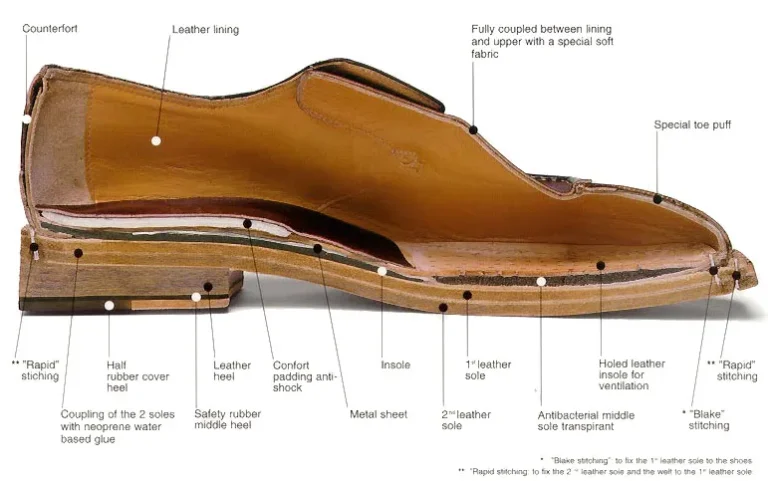
The materials used in work shoes significantly impact their durability, comfort, breathability, and protective capabilities. Different components of the shoe, from the upper to the sole, are constructed from various substances to meet specific performance requirements. Understanding these materials can help you appreciate why a shoe fits and performs a certain way, and what to expect in terms of longevity and feel.
The construction materials also play a role in how the shoe interacts with your foot and the work environment. For instance, breathable materials are crucial for long hours on your feet to prevent moisture buildup, while robust materials are needed for protection against physical hazards. The quality and type of materials are directly related to the shoe's overall functionality and lifespan.
Common Materials in Work Footwear
Work shoes, particularly boots, often feature uppers made from durable materials like full-grain leather, known for its strength, flexibility, and water resistance. Suede and nubuck are other leather options offering a softer feel but may require more specialized care. Synthetic materials, such as nylon or polyester blends, are also used, offering lighter weight and often enhanced breathability or specific resistance properties.
The midsoles, which provide cushioning and shock absorption, are typically made from EVA (ethylene-vinyl acetate) or PU (polyurethane). EVA is lighter and more flexible, while PU offers greater durability and support, making it common in heavier-duty work boots. The outsoles, the part that contacts the ground, are frequently made from rubber compounds chosen for their slip resistance, abrasion resistance, and flexibility.
Steel or composite materials are used for safety toes, providing impact protection. What are shoes made of varies greatly depending on the intended use.
How to Break In New Shoes
Breaking in new work shoes is often a necessary step to achieve optimal comfort and ensure they conform to your foot's unique shape. While many modern work shoes are designed for immediate comfort, some, especially those made from stiff leather or with robust protective features, benefit from a gentle break-in period. This process helps soften the materials and allows the shoe to mold to your foot, preventing the discomfort and potential damage that can occur from wearing stiff, unyielding footwear.
Rushing this process or wearing new shoes for an entire demanding workday without preparation can lead to blisters, chafing, and soreness. A gradual introduction is key to letting the shoe adapt to your foot’s movements and contours without causing undue stress or injury. Proper break-in techniques ensure your work shoes become a comfortable and supportive part of your daily gear.
Gradual Wear and Softening Techniques
The most effective way to break in new work shoes is through gradual wear. Start by wearing them for short periods around the house, perhaps for an hour or two at a time. This allows you to assess how they feel in a controlled environment and identify any immediate pressure points.
As the shoes begin to feel more comfortable, gradually increase the duration of wear.
If the shoes are particularly stiff, especially in the heel or toe box, you can try gently flexing the shoe manually by hand. Some people also find that wearing thicker socks during the break-in period can help stretch the shoe slightly. For stubborn spots that cause rubbing, a commercial shoe stretching spray can be applied to soften the material, followed by wearing the shoes.
Avoid harsh methods like soaking or excessive heat, as these can damage the shoe materials.