What Are the Different Types of Dress Shoes?
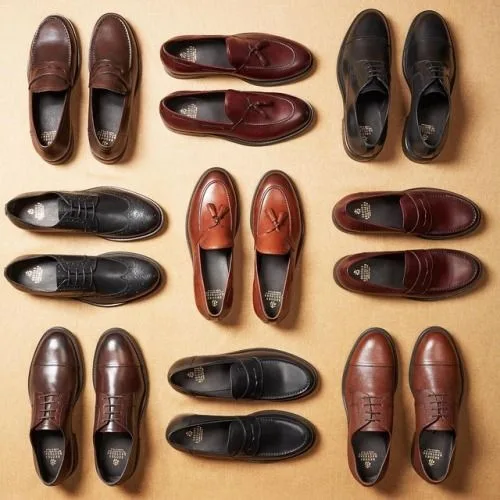
Image source: Bing (Web (fair-use with source credit))
Understand Your Dress Shoe Options: A Comparative Guide
Choosing the right dress shoes can make or break an outfit, and knowing the different types is key. If you've ever stood in front of your closet wondering if your loafers are too casual for that event or if your Oxfords are too formal for a business meeting, you're not alone. Understanding the subtle distinctions between styles ensures you always step out with confidence and the right impression.
What are the different types of dress shoes? It boils down to understanding their construction, particularly the lacing system, and their inherent formality. As of 2026, a well-curated shoe collection typically includes at least one pair from the classic categories like Oxfords, Derbies, and Loafers, each suited for distinct occasions.
This guide breaks down those differences so you can make informed choices.
Quick Answer
Dress shoes include Oxfords, Derbies, Loafers, Monk Straps, Chukka Boots, and Chelsea Boots. Oxfords are most formal due to closed lacing. Derbies are slightly less formal with open lacing.
Loafers are slip-ons, ranging from casual to dressy. Monk straps use buckles. Boots like Chukkas and Chelseas offer versatile options.
Why This Comparison Matters for Your Wardrobe
Picking the right dress shoe isn't just about looking good; it's about understanding the unspoken language of style and occasion. Your footwear can subtly signal your attention to detail and your respect for the event you're attending. Wearing a shoe that's too formal can make you feel out of place, while one that's too casual might undermine your entire look.
By comparing different styles, you gain the power to select a shoe that perfectly complements your outfit and the specific context, whether it's a high-stakes business presentation or a sophisticated evening gathering.
This knowledge allows you to build a versatile shoe collection that covers all your needs without unnecessary duplication. You'll learn which styles lend themselves to the strictest dress codes and which offer more flexibility for smart casual or business casual environments. This comparative approach ensures you're always appropriately dressed, projecting an image of competence and good taste.
The Classic Dress Shoe Styles: Oxford, Derby, and Loafer
These three are the foundation of any serious dress shoe rotation. They’re popular for a reason: they’re versatile, stylish, and have stood the test of time.
Oxford: The undisputed king of formal footwear. Its defining feature is the closed lacing system, where the eyelet facings (the part with the lace holes) are sewn underneath the vamp (the shoe's front section). This creates a clean, sleek, and streamlined silhouette. Plain-toe Oxfords are the most formal, perfect for tuxedos and the most serious business suits. Cap-toe and wingtip Oxfords are slightly less formal but still highly appropriate for suits.
Derby (or Blucher): Often mistaken for Oxfords, Derbies have an open lacing system. Here, the eyelet facings are sewn on top of the vamp. This design allows for more adjustability and a slightly roomier fit. Because of this, Derbies are generally considered less formal than Oxfords. They are exceptionally versatile and work wonderfully with suits, sport coats, and even smart trousers for business casual settings.
Loafer: These are slip-on shoes, meaning they have no laces. Their simplicity and ease of wear make them incredibly popular. There are several sub-types:
- Penny Loafers: Identified by a strap across the vamp with a cutout, historically for holding a penny. They're a timeless classic.
- Tassel Loafers: Feature decorative tassels attached to the front strap, adding a touch of flair.
- Bit Loafers: Adorned with a metal accent, often resembling a horse's bridle bit.
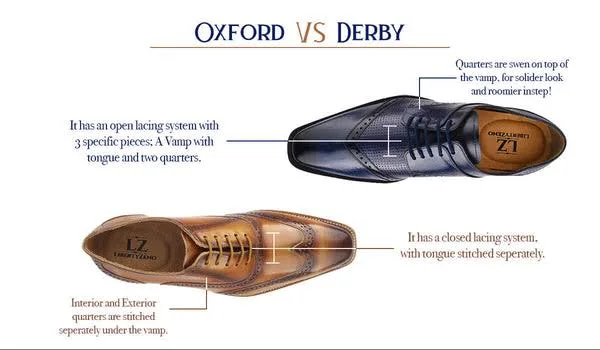
Image source: Bing (Web (fair-use with source credit))
Loafers bridge the gap between casual and formal, with their dressiness depending heavily on the specific style and material. Smooth leather versions are dressier than suede.
Beyond the Basics: Monk Straps, Boots, and Other Stylish Choices
While Oxfords, Derbies, and Loafers form the core, other styles offer unique benefits and expand your wardrobe possibilities. These can add personality or serve specific niche needs in your shoe collection.
- Monk Strap: These shoes forgo laces in favor of one, two, or three buckles and straps across the vamp.
- Single Monk Strap: Offers a clean, elegant look that’s quite dressy.
- Double Monk Strap: The most popular variant, providing a distinctive visual element. They strike a balance between the formality of Oxfords and the stylishness of lace-less options.
- Triple Monk Strap: Less common, these make a bolder statement.
Monk straps are excellent for suits and smart business attire, providing a fashionable alternative to traditional lace-ups.
Chukka Boots: Hitting around the ankle, Chukkas typically feature two or three eyelets for lacing. While technically boots, their sleek design, especially in suede, makes them a viable option for smart casual and even some business casual settings. They pair well with chinos and darker denim.
Chelsea Boots: These are iconic slip-on boots defined by their elastic side panels. When made from smooth leather, Chelsea boots possess a sleek silhouette that can be surprisingly dressy. They integrate seamlessly with suits for a modern look or can elevate jeans and trousers for smart casual outfits.
These styles offer variety and can help you achieve different aesthetic goals, from sharp business professionalism to a more relaxed, yet still polished, smart casual vibe.
Matching Dress Shoe Styles to the Occasion: What Works Best
Knowing the types of dress shoes is only half the battle; knowing when to wear them is crucial. Here’s a breakdown of common scenarios and the ideal footwear choices:
| Occasion | Ideal Shoe Types | Notes |
|---|---|---|
| Black Tie / Formal Gala | Plain-toe Oxfords (often patent leather) | Extreme formality requires the cleanest, most minimalist shoe. |
| Business Formal (Suit) | Cap-toe or Plain-toe Oxfords, Double Monk Straps | Polished leather is a must. Avoid excessive broguing. |
| Business Casual | Derbies, Loafers (Penny, Tassel, Bit), Chelsea Boots (leather), Suede Oxfords/Derbies | More room for flexibility, but still requires a polished appearance. |
| Smart Casual / Social Events | Loafers (all types), Chukka Boots (suede or leather), Chelsea Boots (suede or leather) | Can incorporate more textures and less formal materials. |
| Casual Friday (Office) | Well-maintained Loafers, clean Suede Derbies, Chukkas | Depends heavily on office culture; still aim for a step up from weekend wear. |
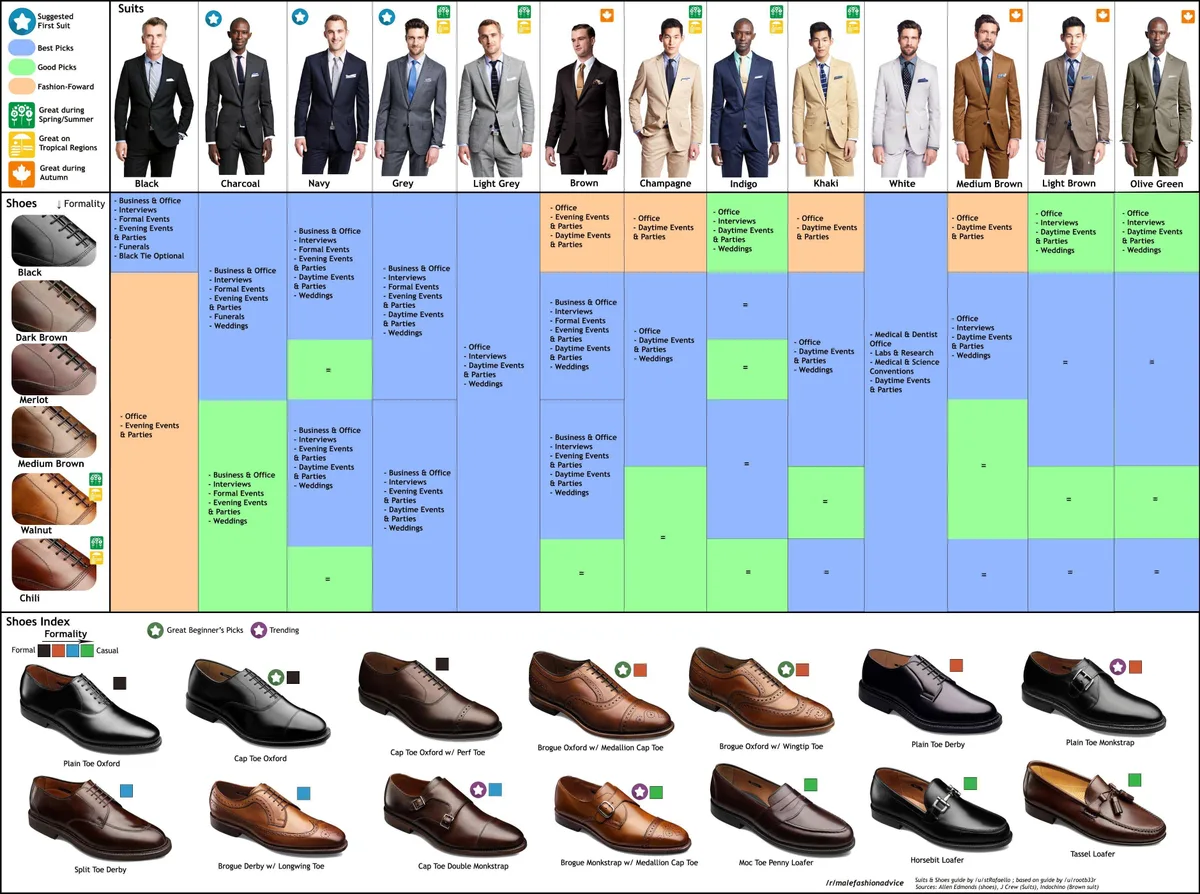
Image source: Bing (Web (fair-use with source credit))
- When in doubt, err on the side of more formal. It’s generally better to be slightly overdressed than underdressed.
- Consider the material and color. Black leather is the most formal. Dark brown is versatile. Tan, oxblood, and suede offer less formality but more style range.
Key Features That Define Formality: Lacing, Soles, and Materials
The formality of a dress shoe isn't just about its overall shape; it's dictated by several specific features. Understanding these elements helps you gauge a shoe's appropriate context.
Lacing Systems
- Closed Lacing: Seen on Oxfords, where the facings are sewn beneath the vamp. This creates a sleek, uninterrupted look that is inherently more formal.
- Open Lacing: Found on Derbies and some Chukka Boots, where the facings are sewn on top of the vamp. This allows for greater adjustment and a slightly more relaxed feel, reducing formality.
Sole Construction
- Leather Soles: Traditionally found on higher-end dress shoes, leather soles offer a refined appearance and are associated with greater formality. They provide a classic look but can be less durable and slippery on wet surfaces.
- Rubber Soles: Offer better grip, durability, and water resistance. While once considered less formal, high-quality rubber soles (like Dainite or Vibram) can be found on very dressy shoes and boots, especially in European styles, adding practicality without significantly detracting from polish.
Materials and Finishes
- Smooth Calfskin Leather: The benchmark for formal footwear. Its clean, polished surface is ideal for suits and business formal attire.
- Suede: A napped leather that offers a softer, more textured appearance. Suede shoes are generally less formal than their smooth leather counterparts and are excellent for business casual, smart casual, and even some relaxed professional settings.
- Patent Leather: Features a high-gloss finish, making it the most formal material, primarily reserved for black tie events and very formal evening wear.
- Exotic Leathers (e.g., Crocodile, Ostrich): These can range in formality depending on the specific item and styling, but often lean towards making a statement and can be quite dressy or fashion-forward.
These components work together to determine a shoe's place in your wardrobe. A plain-toe, black calfskin Oxford with a closed lacing system and a leather sole is about as formal as you can get. Conversely, a tan suede Derby with a rubber sole is much more suited to a business casual environment.