How Should Dress Shoes Fit?
Choosing the right dress shoes isn't just about style; it's about making sure your feet are happy and supported. Figuring out how dress shoes should fit can seem tricky, but understanding a few key principles makes all the difference. A poor fit can lead to discomfort, blisters, and even long-term foot issues.
When you're looking for that perfect pair, research indicates that the ideal dress shoe should offer about a thumb's width of space at the toe and feel snug without pinching. This ensures proper movement and support throughout the day. We'll dive into the specifics of what that feels like and how to check it.
Image source: Bing (Web (fair-use with source credit))
Quick Answer: The Perfect Fit Feel
Dress shoes should feel snug but not tight. You need about a thumb's width of toe room. Your heel shouldn't slip when you walk.
The shoe's width should match your foot's widest part. Your arch should feel supported.
Key Fit Checks for Dress Shoes
Getting the fit right is all about paying attention to a few critical areas of your foot and the shoe. It's not just about the number on the box; it’s about how the shoe interacts with your unique foot shape. We’ll walk through the essential checks you need to perform.
Checking Toe Room: That Essential Space
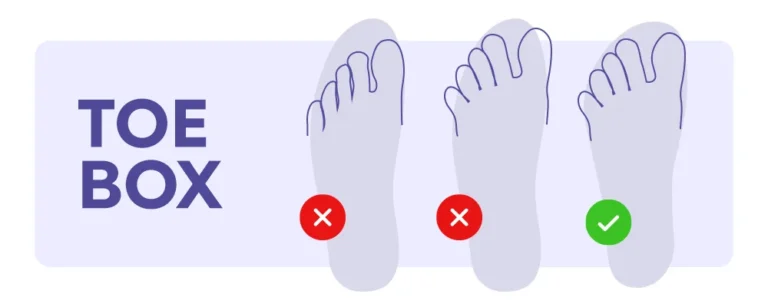
This is arguably the most crucial part of a good dress shoe fit. You need enough space for your toes to move freely, especially when you're walking and your foot naturally expands. Think of it as a little wiggle room that prevents your toes from jamming into the front of the shoe.
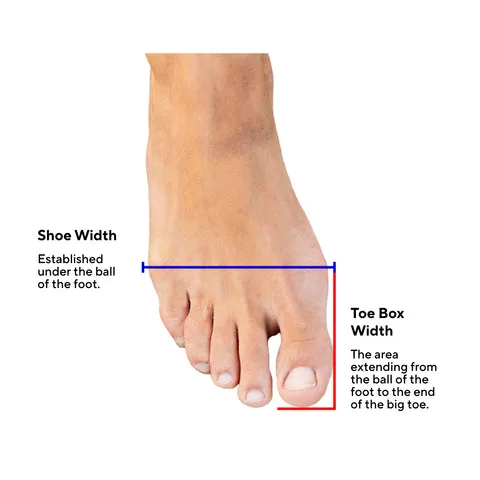
Image source: Bing (Web (fair-use with source credit))
- The Thumb Test: When standing, slide your foot forward in the unlaced shoe until your toes gently touch the front. You should be able to slide your index finger or a thumb's width of space between your heel and the back of the shoe. Most experts agree that about 1/2 inch or roughly a thumb's width of space is ideal.
- Why it Matters: Insufficient toe room is a common cause of blisters, corns, and even ingrown toenails. It can also lead to foot fatigue and pain by restricting natural foot movement.
- What to Avoid: Don't buy shoes where your toes are already pressed against the end. Even if the salesperson says they'll stretch, significant toe jamming is usually a sign of an incorrect length. We’ve also found that how much room should be in a shoe can vary slightly by style, but the thumb's width is a solid starting point.
Width Assessment: Snug, Not Squeezed
The width of the shoe is just as vital as its length. A shoe that's too narrow will pinch your foot, especially at the widest part, leading to discomfort and potential foot problems. On the flip side, a shoe that's too wide won't offer adequate support, and your foot will slide around.
- Feel the Sides: When you put the shoe on and lace it up, it should feel comfortably snug around the ball of your foot, the widest part. You shouldn't feel any significant pressure points squeezing your foot.
- The Pinch Test: Try to gently pinch the material on the sides of the shoe. If you can gather a lot of excess leather, the shoe is likely too wide. If you can't pinch any material and feel like your foot is being compressed, it's too narrow.
- Understanding Shoe Width vs. Size: It's important to remember that shoe width and shoe size are different. A shoe can be the correct length but the wrong width. Many dress shoe brands offer different widths, such as narrow (N), regular (M or D for men), wide (W or E for men), and extra-wide (XW or EE for men). Knowing your foot's width is as important as knowing its length. You can learn how to measure your feet for shoes with simple tools at home.
Heel Lock: Keeping Your Heel in Place
A good heel lock means your heel stays put when you walk. There shouldn't be excessive slipping or "slipping out" of the back of the shoe. While a tiny bit of movement might be acceptable when standing still, it should feel secure as soon as you take a step.
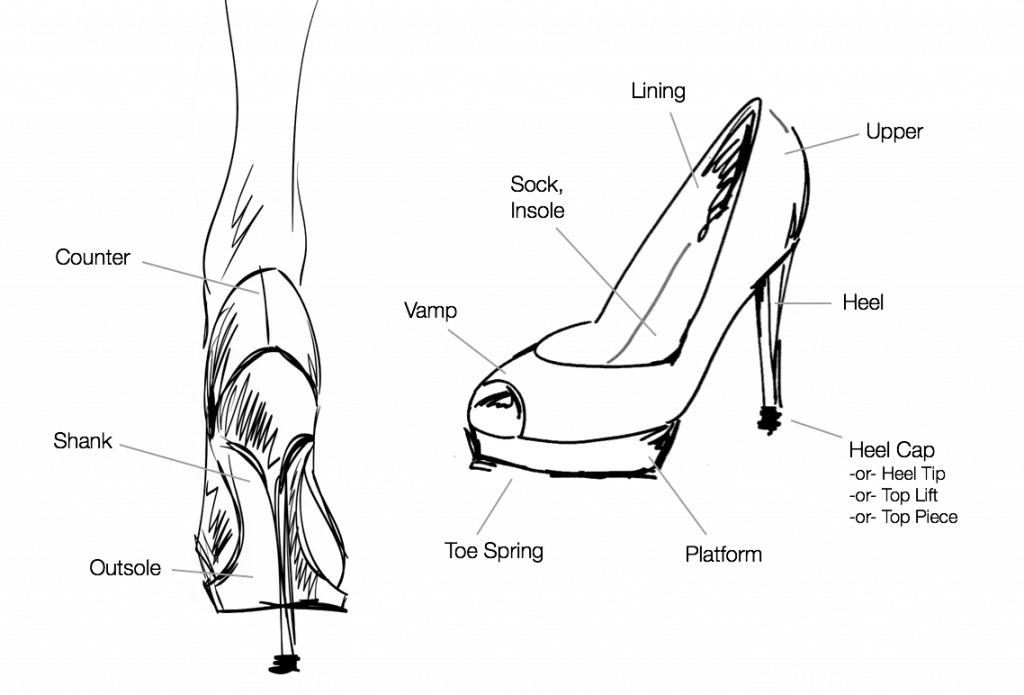
Image source: Bing (Web (fair-use with source credit))
- The Walk Test: This is where you really find out if your heel is secure. Walk around for a few minutes. If your heel is lifting significantly with each step, the shoe is not locking properly. This can lead to chafing and blisters.
- What Causes Poor Heel Lock: Often, poor heel lock is due to the shoe being too large in the heel cup, or the overall shape of the shoe simply not matching the contour of your heel. Some shoes, especially those with stiffer heel counters, may require a short break-in period, but significant slippage shouldn't be ignored.
- When to Seek Alternatives: If a shoe consistently causes heel slippage, even after trying different lacing techniques or assuming a slight break-in period, it's likely not the right fit for your foot shape. This is a common issue that impacts how well you can use running shoes for walking too, and the principle applies.
Arch and Instep: The Support System
The arch of the shoe should align with the natural arch of your foot. This helps distribute your body weight evenly and provides crucial support, preventing strain. Similarly, the instep, the area over the top of your foot, should feel comfortably cradled, not overly tight or loose.
- Arch Alignment: When you put your foot in the shoe, you should feel the shoe's arch support in the correct place under your own arch. There shouldn't be a noticeable gap or a hard bump where you don't expect it.
- Instep Comfort: The laces should be able to be fastened comfortably without excessive strain on the eyelets. If the shoe gapes open widely when laced, it might be too low in the instep for you. Conversely, if the laces dig into your foot uncomfortably, it's likely too high or tight.
- Impact on Foot Health: Proper arch support is vital for preventing issues like plantar fasciitis. The instep area's fit influences overall comfort and can affect circulation. We've seen reports indicating that adequate cushioning in running shoes also plays a role in overall foot comfort, and a similar principle applies to the support and structure of dress shoes.
What a Good Fit Looks and Feels Like
Beyond the specific checks, there's an overall sensation of a well-fitting dress shoe. It should feel like an extension of your foot, providing support and comfort without drawing undue attention to itself. This holistic feeling is what many people strive for when investing in quality footwear.
Visual Cues of a Proper Fit
When a dress shoe fits correctly, it tends to look better on your foot. The lines of the shoe should complement the lines of your foot and ankle, creating a streamlined appearance. You won't see excessive creasing that indicates the shoe is too big or the material straining, which suggests it's too small.
- Smooth Upper: The leather or material on the upper part of the shoe should lie relatively smooth over your foot, with only natural creasing occurring where your foot bends. Deep, unnatural wrinkles often mean there's too much volume or the shoe is simply the wrong shape.
- Even Lacing: As mentioned, the lacing should look balanced. If the eyelets are pulled very close together, the shoe is likely too narrow or has too low an instep. If there's a wide gap between the eyelets, the shoe is probably too wide or has too high an instep.
- No Spilling Over: Your foot should sit neatly within the sole of the shoe. You shouldn't see the edges of your foot bulging out over the sides, which is a clear sign of the shoe being too narrow or the sole itself being too shallow. This relates to understanding the difference between shoe width and size; sometimes a wider size is needed, other times a different shoe model.
The Tactile Experience of Comfort
The way a shoe feels is your primary guide. A well-fitting dress shoe should feel secure and supportive from the moment you put it on. It shouldn't require a painful break-in period to become wearable, though a little bit of adjustment is normal.
- Immediate Comfort: While some stiff materials might need minor breaking in, the shoe should feel comfortable from the outset. No sharp pinching, no excessive pressure points, and no feeling like your foot is trapped.
- Balanced Feel: You should feel grounded and supported. The weight of the shoe should feel distributed evenly, and you shouldn't feel like you're "walking on stilts" or, conversely, like the shoe is falling off.
- No Friction: Pay attention to any areas where the shoe material might rub against your skin. Excessive friction, especially in the heel or toe areas, is a warning sign that blisters could form. This is why it’s essential to test how shoes feel with the socks you’ll actually wear, as the thickness of socks can significantly alter the fit.
Common Dress Shoe Fit Mistakes to Sidestep
Even with the best intentions, people often make mistakes when trying to find the right fit for dress shoes. Avoiding these common pitfalls can save you a lot of discomfort and unnecessary expense. Our research indicates that many of these errors stem from misinterpreting how a shoe should feel.
Overly Tight or Loose Shoes
This is the most fundamental mistake. People often underestimate how uncomfortable or damaging ill-fitting shoes can be.
- The "I'll Stretch Them Out" Trap: While leather shoes do stretch and mold to your feet to some extent, this applies to minor adjustments. If a shoe is significantly too tight or too short from the start, stretching it will likely not fix the core problem. It often just results in pain, blisters, and potentially misshapen feet. Manufacturer specifications for shoe materials often highlight the limitations of stretching for significant size discrepancies.
- The "They'll Tighten Up" Fallacy: Similarly, a shoe that feels too loose might seem like it will be fine once laced. However, if there's too much volume, your foot will still slide, leading to friction and instability. The ability for shoes to adjust via lacing is limited.
Ignoring the Walk Test
It's tempting to just slip on a shoe, check the toe room while standing, and make a decision. However, the true test of fit happens when you walk.
- Static vs. Dynamic Fit: Standing still only shows you how the shoe fits at rest. Walking engages your foot muscles, changes the shape of your foot, and tests how the shoe moves with you.
- What to Look For While Walking: Pay attention to heel slippage, toe jamming (even subtle), any pinching, or areas of rubbing. You should feel a natural transition as you roll through your step. The impact on how much room should be in a shoe becomes clearer when you're in motion.
Mismatched Socks and Shoes
The type of sock you wear can dramatically affect how a shoe fits and feels. This is a detail often overlooked but critical for an accurate assessment.
- Sock Thickness Matters: Dress shoes are typically designed to be worn with thinner dress socks. Wearing thick athletic socks or no socks at all when trying on shoes will give you a false sense of the fit.
- Consistent Testing: Always try on dress shoes with the type of socks you intend to wear them with regularly. This ensures an accurate assessment of length, width, and overall comfort. This is similar to how the difference between shoe width and size needs to be considered alongside sock choice for optimal fit.
Expert Tips for Nailing Dress Shoe Fit
To truly ensure your dress shoes fit like they were made for you, there are a few expert-level strategies that go beyond the basic checks. These insights help you make informed decisions, especially when investing in higher-quality footwear.
When to Buy Your Shoes
The time of day you shop for shoes can subtly influence your fit assessment. Our research indicates that feet tend to swell throughout the day.
- Shop in the Afternoon or Evening: Your feet naturally expand as the day goes on due to gravity and activity. Trying on shoes later in the day means you're getting a more accurate representation of how they'll fit when your feet are at their largest. This helps avoid the mistake of buying shoes that feel great in the morning but become uncomfortably tight by the afternoon.
- Consider Foot Swelling: For individuals whose feet swell significantly, this timing is even more critical. It’s a simple step that can prevent a world of discomfort.
Understanding Shoe Construction's Role
The way a shoe is constructed can impact its fit and how it molds to your foot over time. Different construction methods offer varying degrees of flexibility and support.
- Goodyear Welting: Shoes with Goodyear welting are known for their durability and ability to be resoled. They often have a stiffer initial feel and can require a more substantial break-in period, but they tend to mold exceptionally well to the wearer's foot over time.
- Blake Stitching: Blake-stitched shoes are often more flexible and have a lower profile. They generally feel more comfortable right out of the box and mold to the foot more readily.
- Cemented Construction: This is a common method where the sole is glued to the upper. These shoes are often the most flexible and require the least break-in time but are typically less durable and harder to resole than welted shoes. Understanding these differences can inform your expectations about how a shoe will fit and adapt.
FAQs About Dress Shoe Fit
How much toe room should I leave in dress shoes?
You should aim for about a thumb's width, or roughly half an inch, of space between your longest toe and the front of the shoe when standing. This allows your toes to move freely and prevents them from jamming.
Can dress shoes be stretched to fit better?
Leather dress shoes can stretch slightly to accommodate minor fit issues, especially in width. However, they cannot be significantly stretched to fix shoes that are too short or too tight in key areas without compromising their structure and comfort.
What happens if my dress shoes are too tight?
Shoes that are too tight can cause a range of problems, including blisters, corns, calluses, bunions, ingrown toenails, and general foot pain. They can also affect circulation and lead to long-term foot deformities.
Is it okay if my heel slips a little in new dress shoes?
A very minor amount of heel lift might be acceptable when standing, but significant heel slippage when walking is a sign of a poor fit. The heel should feel secure and not lift excessively with each step.
How do I know if the width of my dress shoes is correct?
The shoe should feel comfortably snug around the widest part of your foot without any pinching or pressure. Your foot should not spill over the edges of the sole, nor should you be able to gather a large amount of excess material on the sides.
Final Verdict: Trust Your Feet
Ultimately, the best way to know how dress shoes should fit is to listen to your own feet. While guidelines and expert advice are invaluable, your personal comfort and the way the shoe feels during movement are the most reliable indicators. Pay attention to toe room, width, heel lock, and arch support, and always try them on with the socks you'll wear.
A properly fitting dress shoe isn't just comfortable; it supports your foot health and enhances your overall appearance.
What a Good Fit Looks and Feels Like
Visual Cues of a Proper Fit
When a dress shoe fits correctly, it tends to look better on your foot. The lines of the shoe should complement the lines of your foot and ankle, creating a streamlined appearance. You won't see excessive creasing that indicates the shoe is too big or the material straining, which suggests it's too small.
- Smooth Upper: The leather or material on the upper part of the shoe should lie relatively smooth over your foot, with only natural creasing occurring where your foot bends. Deep, unnatural wrinkles often mean there's too much volume or the shoe is simply the wrong shape.
- Even Lacing: As mentioned, the lacing should look balanced. If the eyelets are pulled very close together, the shoe is likely too narrow or has too low an instep. If there's a wide gap between the eyelets, the shoe is probably too wide or has too high an instep.
- No Spilling Over: Your foot should sit neatly within the sole of the shoe. You shouldn't see the edges of your foot bulging out over the sides, which is a clear sign of the shoe being too narrow or the sole itself being too shallow. This relates to understanding the difference between shoe width and size; sometimes a wider size is needed, other times a different shoe model.
The Tactile Experience of Comfort
The way a shoe feels is your primary guide. A well-fitting dress shoe should feel secure and supportive from the moment you put it on. It shouldn't require a painful break-in period to become wearable, though a little bit of adjustment is normal.
- Immediate Comfort: While some stiff materials might need minor breaking in, the shoe should feel comfortable from the outset. No sharp pinching, no excessive pressure points, and no feeling like your foot is trapped.
- Balanced Feel: You should feel grounded and supported. The weight of the shoe should feel distributed evenly, and you shouldn't feel like you're "walking on stilts" or, conversely, like the shoe is falling off.
- No Friction: Pay attention to any areas where the shoe material might rub against your skin. Excessive friction, especially in the heel or toe areas, is a warning sign that blisters could form. This is why it’s essential to test how shoes feel with the socks you’ll actually wear, as the thickness of socks can significantly alter the fit.
Common Dress Shoe Fit Mistakes to Sidestep
Even with the best intentions, people often make mistakes when trying to find the right fit for dress shoes. Avoiding these common pitfalls can save you a lot of discomfort and unnecessary expense. Our research indicates that many of these errors stem from misinterpreting how a shoe should feel.
Overly Tight or Loose Shoes
This is the most fundamental mistake. People often underestimate how uncomfortable or damaging ill-fitting shoes can be.
- The "I'll Stretch Them Out" Trap: While leather shoes do stretch and mold to your feet to some extent, this applies to minor adjustments. If a shoe is significantly too tight or too short from the start, stretching it will likely not fix the core problem. It often just results in pain, blisters, and potentially misshapen feet. Manufacturer specifications for shoe materials often highlight the limitations of stretching for significant size discrepancies.
- The "They'll Tighten Up" Fallacy: Similarly, a shoe that feels too loose might seem like it will be fine once laced. However, if there's too much volume, your foot will still slide, leading to friction and instability. The ability for shoes to adjust via lacing is limited.
Ignoring the Walk Test
It's tempting to just slip on a shoe, check the toe room while standing, and make a decision. However, the true test of fit happens when you walk.
- Static vs. Dynamic Fit: Standing still only shows you how the shoe fits at rest. Walking engages your foot muscles, changes the shape of your foot, and tests how the shoe moves with you.
- What to Look For While Walking: Pay attention to heel slippage, toe jamming (even subtle), any pinching, or areas of rubbing. You should feel a natural transition as you roll through your step. The impact on how much room should be in a shoe becomes clearer when you're in motion.
Mismatched Socks and Shoes
The type of sock you wear can dramatically affect how a shoe fits and feels. This is a detail often overlooked but critical for an accurate assessment.
- Sock Thickness Matters: Dress shoes are typically designed to be worn with thinner dress socks. Wearing thick athletic socks or no socks at all when trying on shoes will give you a false sense of the fit.
- Consistent Testing: Always try on dress shoes with the type of socks you intend to wear them with regularly. This ensures an accurate assessment of length, width, and overall comfort. This is similar to how the difference between shoe width and size needs to be considered alongside sock choice for optimal fit.
Expert Tips for Nailing Dress Shoe Fit
To truly ensure your dress shoes fit like they were made for you, there are a few expert-level strategies that go beyond the basic checks. These insights help you make informed decisions, especially when investing in higher-quality footwear.
When to Buy Your Shoes
The time of day you shop for shoes can subtly influence your fit assessment. Our research indicates that feet tend to swell throughout the day.
- Shop in the Afternoon or Evening: Your feet naturally expand as the day goes on due to gravity and activity. Trying on shoes later in the day means you're getting a more accurate representation of how they'll fit when your feet are at their largest. This helps avoid the mistake of buying shoes that feel great in the morning but become uncomfortably tight by the afternoon.
- Consider Foot Swelling: For individuals whose feet swell significantly, this timing is even more critical. It’s a simple step that can prevent a world of discomfort.
Understanding Shoe Construction's Role
The way a shoe is constructed can impact its fit and how it molds to your foot over time. Different construction methods offer varying degrees of flexibility and support.
- Goodyear Welting: Shoes with Goodyear welting are known for their durability and ability to be resoled. They often have a stiffer initial feel and can require a more substantial break-in period, but they tend to mold exceptionally well to the wearer's foot over time.
- Blake Stitching: Blake-stitched shoes are often more flexible and have a lower profile. They generally feel more comfortable right out of the box and mold to the foot more readily.
- Cemented Construction: This is a common method where the sole is glued to the upper. These shoes are often the most flexible and require the least break-in time but are typically less durable and harder to resole than welted shoes. Understanding these differences can inform your expectations about how a shoe will fit and adapt.
FAQs About Dress Shoe Fit
How much toe room should I leave in dress shoes?
You should aim for about a thumb's width, or roughly half an inch, of space between your longest toe and the front of the shoe when standing. This allows your toes to move freely and prevents them from jamming.
Can dress shoes be stretched to fit better?
Leather dress shoes can stretch slightly to accommodate minor fit issues, especially in width. However, they cannot be significantly stretched to fix shoes that are too short or too tight in key areas without compromising their structure and comfort.
What happens if my dress shoes are too tight?
Shoes that are too tight can cause a range of problems, including blisters, corns, calluses, bunions, ingrown toenails, and general foot pain. They can also affect circulation and lead to long-term foot deformities.
Is it okay if my heel slips a little in new dress shoes?
A very minor amount of heel lift might be acceptable when standing, but significant heel slippage when walking is a sign of a poor fit. The heel should feel secure and not lift excessively with each step.
How do I know if the width of my dress shoes is correct?
The shoe should feel comfortably snug around the widest part of your foot without any pinching or pressure. Your foot should not spill over the edges of the sole, nor should you be able to gather a large amount of excess material on the sides.
Final Verdict: Trust Your Feet
Ultimately, the best way to know how dress shoes should fit is to listen to your own feet. While guidelines and expert advice are invaluable, your personal comfort and the way the shoe feels during movement are the most reliable indicators. Pay attention to toe room, width, heel lock, and arch support, and always try them on with the socks you'll wear.
A properly fitting dress shoe isn't just comfortable; it supports your foot health and enhances your overall appearance.