What Is Arch Support in Shoes?
What is arch support in shoes? It’s the structure designed to give your foot’s natural arch a helping hand, impacting comfort and how your foot functions. If you've ever experienced foot fatigue or aches after a long day, understanding arch support is key to finding relief.
Our research indicates that as of 2026, many shoes incorporate varying degrees of arch support, with some offering specialized features to address specific foot mechanics. The goal is to provide stability and shock absorption where it's needed most, ensuring a more comfortable stride.
Quick Answer
Arch support in shoes is a built-in or added component that lifts and cradles the natural arch of your foot. It helps distribute pressure evenly, absorb shock, and maintain better foot alignment. This support is crucial for alleviating foot pain, especially for individuals with flat feet or high arches, leading to greater comfort during daily activities.
What Exactly Is Arch Support in Shoes?
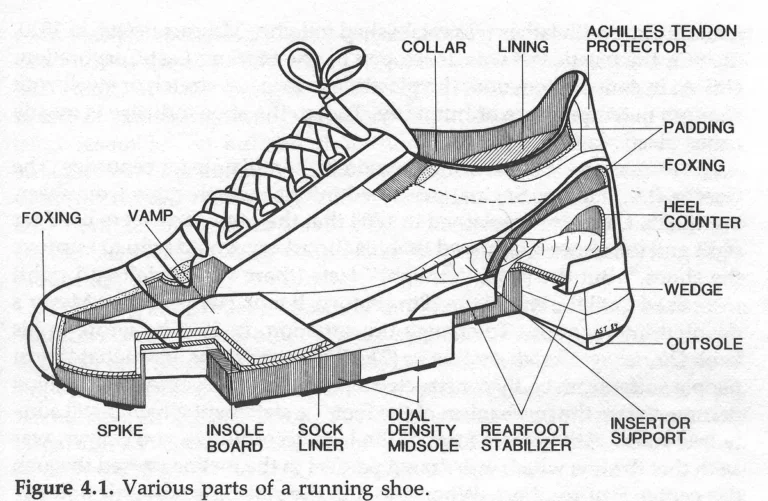
Think of the arch of your foot as your body's natural shock absorber and a critical structural element. When we talk about arch support in shoes, we're referring to any feature designed to complement, reinforce, or correct that natural arch. It’s essentially a sculpted or firm area, typically within the shoe's insole, that aims to fill in the space beneath your arch.
The main goal is to ensure your foot is positioned correctly and can handle the forces of walking and standing without undue strain. Without adequate support, your arch might collapse too much, or if it's unusually high, it might not absorb impact effectively, both leading to discomfort.
The Core Purpose
- Lifting the Arch: It provides a supportive surface that gently lifts the arch, preventing it from over-flattening.
- Distributing Weight: By giving the arch structure, it helps spread your body weight more evenly across the entire foot, rather than concentrating it on the heel and ball.
- Guiding Foot Motion: It can help control how your foot rolls through each step, a process known as pronation.
Manufacturer specifications for footwear often detail the type and firmness of the arch support, with some performance shoes indicating a specific level of support. For instance, you might see terms like "moderate arch support" or "enhanced stability features" in product descriptions.
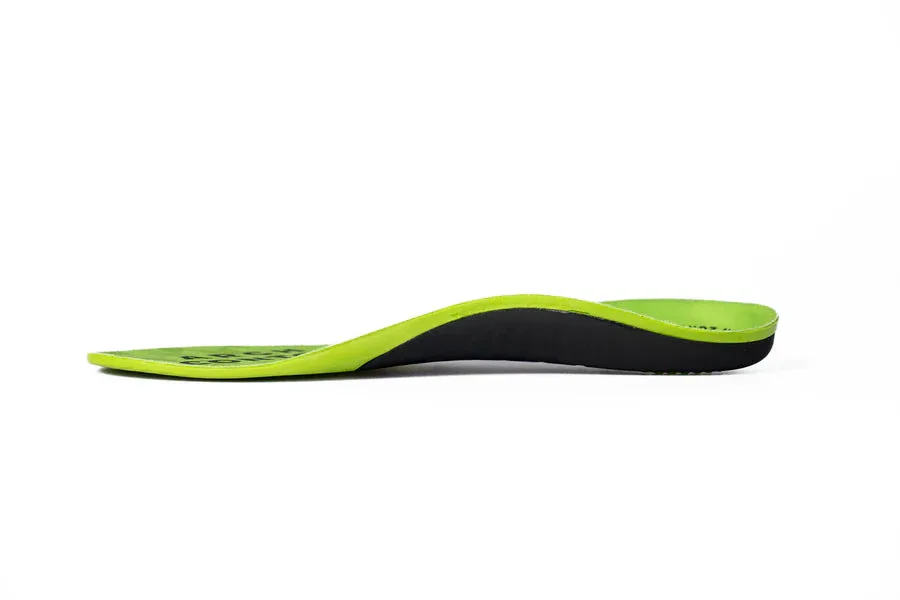
Image source: Bing (Web (fair-use with source credit))
How Arch Support Works to Help Your Feet
Arch support functions by interacting with your foot's natural mechanics to improve comfort and stability. When you stand or walk, your body weight presses down, and your foot's arch is designed to flex and absorb that impact. If your arch is flat or has trouble absorbing shock, it can lead to strain.
Arch support provides a stable platform beneath the arch. This helps to prevent excessive inward rolling (overpronation) in people with flat feet, or it can provide a much-needed lift and cushioning for those with high arches who might otherwise experience too much pressure on their heel and the ball of their foot. The structure essentially guides your foot into a more neutral, stable position.
This support can significantly impact overall biomechanics. For example, aggregated reviews from athletic footwear users often report reduced knee and hip discomfort when shoes offer appropriate arch support, suggesting a chain reaction from foot alignment upwards.
Key Actions of Arch Support:
- Reduces Strain: By supporting the arch, it lessens the stress on the plantar fascia, a thick band of tissue that runs across the bottom of your foot.
- Improves Shock Absorption: It helps dissipate the impact forces generated with each step, lessening the jarring effect on your joints.
- Enhances Stability: A stable arch contributes to better balance and control, which is vital for preventing fatigue and potential injuries.
Types of Arch Support: Built-In vs. Inserts vs. Orthotics
When you're looking for arch support, you'll find it comes in a few different forms, each with its own characteristics and intended uses. Understanding these distinctions is key to picking the right option for your needs.
1. Built-In Arch Support: This is the most common type, directly integrated into the shoe's construction. It's molded into the shoe's midsole or insole, offering a general level of support.
The contour can range from subtle to quite pronounced, depending on the shoe's design. These are great for everyday wear and many casual or athletic shoes offer this as a standard feature.
2. Removable Insoles/Inserts: Many shoes, especially athletic ones, come with removable insoles. These can offer more structured arch support than basic built-in options.
You can often find aftermarket insoles with varying levels of arch support, from mild to substantial, that you can swap into your favorite shoes. This offers flexibility if you want to enhance the support in a specific pair.
3. Orthotics: These are more specialized. They can be over-the-counter or custom-made by a podiatrist.
Orthotics are designed to provide specific correction or therapeutic support for particular foot conditions, such as severe overpronation, plantar fasciitis, or specific deformities. They are generally more rigid and precisely shaped than standard insoles.
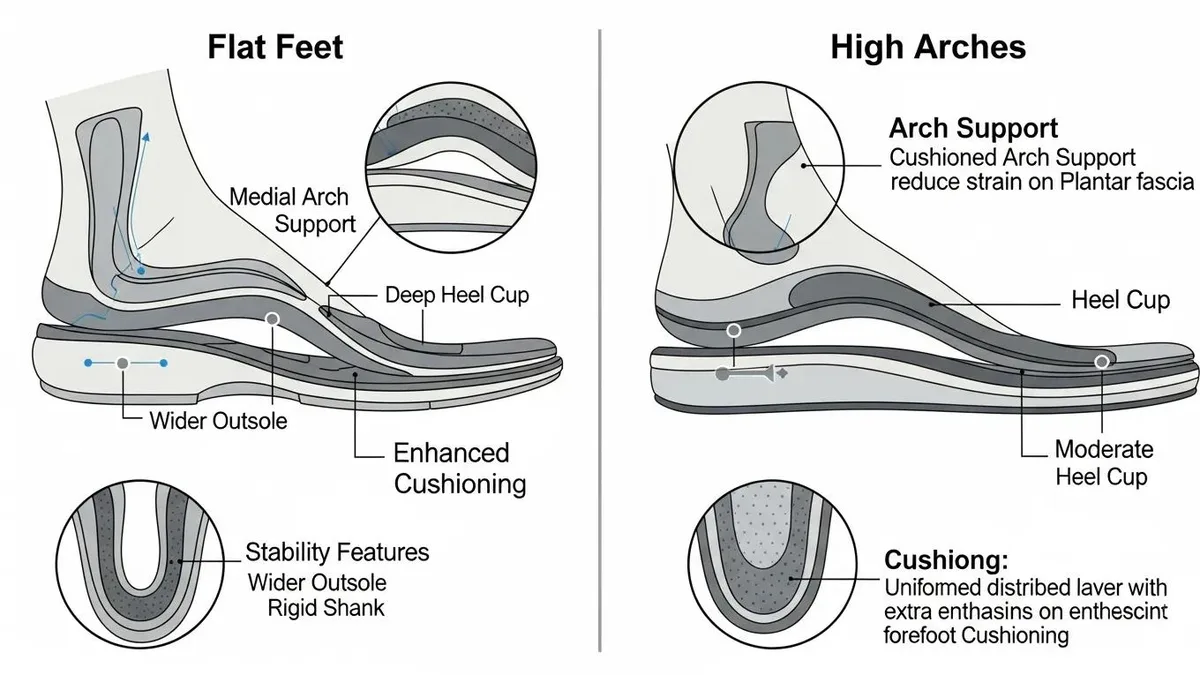
Image source: Bing (Web (fair-use with source credit))
Choosing the Right Type:
- For general comfort: Built-in or standard removable insoles are often sufficient.
- For enhanced, customizable support: Aftermarket inserts provide a good middle ground.
- For specific foot conditions or pain relief: Orthotics, particularly custom ones, offer the most targeted solution.
Who Needs Arch Support? Identifying Your Foot Type and Needs
Figuring out if you need arch support often comes down to understanding your foot type and any discomfort you experience. Not everyone requires the same level or type of support. Generally, arch support is most beneficial for individuals with specific foot structures or those who suffer from certain foot conditions.
- Flat Feet (Low Arches): If the arch of your foot collapses inward when you stand, you likely have flat feet. This can cause your feet to roll inward excessively (overpronation), potentially leading to pain in your feet, ankles, knees, and even hips. Arch support helps to lift and stabilize this collapsing arch.
- High Arches (Supinated Feet): Conversely, if you have a very pronounced arch that doesn't flatten much when you stand, you have high arches. This can mean your foot doesn't absorb shock as effectively, leading to more pressure on the heel and ball of the foot. Support in this case often involves cushioning and a gentle lift to improve shock absorption.
- Foot Pain: If you frequently experience pain in your arches, heels (like plantar fasciitis), or the balls of your feet, arch support could offer relief. It helps distribute pressure more evenly and reduces strain on these sensitive areas.
- Certain Activities: Athletes, especially runners or those involved in sports with a lot of jumping or quick movements, often benefit from well-designed arch support to manage impact and maintain stability.
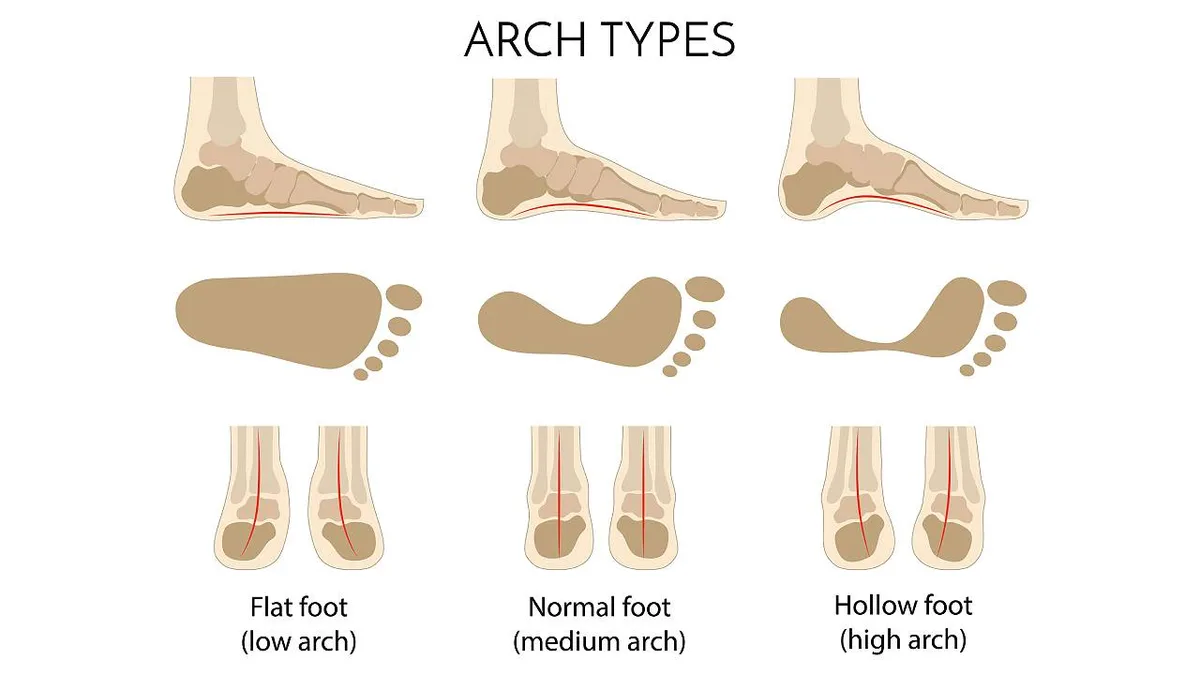
Image source: Bing (Web (fair-use with source credit))
Self-Assessment Tips:
- The Wet Test: Dampen your feet and stand on a piece of cardboard or a dark floor. If you see most of your foot's imprint, you likely have flat feet. If you see very little of the middle of your foot, you probably have high arches. A balanced imprint suggests a neutral arch.
- Shoe Wear Patterns: Look at the soles of your worn-out shoes. Excessive wear on the inner edge suggests overpronation (flat feet), while heavy wear on the outer edge might indicate supination (high arches).
When Arch Support Might Not Be the Answer
While arch support can be incredibly beneficial for many, it's not always the magic bullet, and sometimes, too much or the wrong kind can actually cause problems. For individuals with naturally well-structured, flexible arches, adding significant arch support might feel uncomfortable or even unnecessary. Our research indicates that a rigid, overly aggressive arch support can sometimes interfere with the foot's natural shock absorption mechanisms.
Aggressive arch support can also lead to new issues. If the support pushes into your arch too forcefully, it can irritate the plantar fascia or even create pressure points. For those who don't have a specific foot condition like plantar fasciitis or significant overpronation, attempting to "correct" a healthy foot might lead to discomfort or altered gait.
Potential Downsides:
- Discomfort: For some, the feeling of a raised arch can be unnatural and irritating.
- Plantar Fascia Strain: If the support is too firm or positioned incorrectly, it can put undue pressure on the plantar fascia.
- Altered Gait: Unnecessary support can force your foot into an unnatural position, potentially affecting your stride.
- Cost: While many shoes come with built-in support, custom orthotics can be a significant investment.
For example, trying to correct a neutral arch with strong support might feel like walking on a lump. It’s about finding what works for your specific foot mechanics, not just assuming more support is always better. If you're experiencing pain or discomfort that you believe is related to your shoes, it's always best to consult with a footwear specialist or a podiatrist rather than self-diagnosing and treating.
How Arch Support Differs from Cushioning
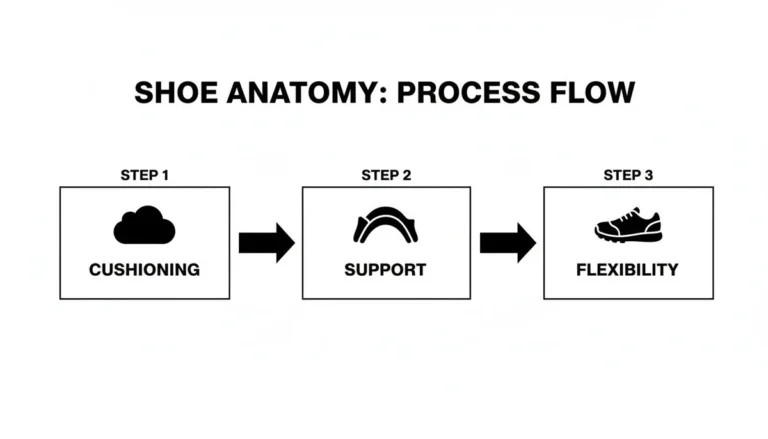
It's easy to mix up arch support and cushioning, but they serve different primary roles in a shoe. Cushioning is all about softening the impact of each step, making the ride feel softer and more comfortable. Think of it as padding.
Arch support, on the other hand, is about structure and alignment. It's about providing a stable base for your foot's arch.
A shoe can have great cushioning but very little arch support, or vice versa. For instance, a minimalist shoe might have some cushioning to protect your foot from hard surfaces but offer very little in the way of lifting or guiding the arch. Conversely, a very firm, supportive shoe might have minimal padding but provide excellent arch stability.
Key Differences:
- Cushioning: Focuses on impact absorption and a soft feel. It’s about comfort during impact.
- Arch Support: Focuses on structure, alignment, and stability for the foot's arch. It’s about proper foot positioning.
Many running shoes, for example, balance both. You'll find shoes designed with specific cushioning systems for shock absorption, and within those, different levels of arch support tailored for neutral, stability, or motion control needs. Understanding this distinction helps you choose footwear that addresses both comfort and structural requirements.
For more on this, you might look into what is cushioning in running shoes?.
Common Arch Support Mistakes to Avoid
When you're trying to find the right shoes or inserts for arch support, it's easy to make a few common missteps. Being aware of these can save you discomfort and wasted money.
One of the biggest mistakes is assuming that more arch support is always better. As we've discussed, an overly aggressive or rigid arch support can cause new problems or irritate existing ones, especially if your foot doesn't actually need that level of correction. Always aim for support that feels comfortable and natural, not forced.
Another common error is not considering your specific foot type. What works for someone with flat feet might be uncomfortable for someone with high arches. The "wet test" is a simple way to get a general idea of your arch type, but professional advice is best for accurate assessment.
Other Mistakes to Watch Out For:
- Ignoring pain: If a shoe with arch support causes pain, don't just "push through it." It likely isn't the right support for you.
- Not trying them on: Always try on shoes with the type of socks you'll typically wear. Your foot's needs can change based on the sock thickness.
- Using worn-out shoes: Even shoes with good arch support lose their effectiveness over time. Worn-out midsoles and insoles won't provide the same benefits. For maintaining your footwear, knowing how to clean running shoes can help extend their life.
- Expecting instant miracles: Sometimes, your feet need a little time to adjust to new support. However, significant discomfort should be a red flag.
Frequently Asked Questions About Arch Support
How do I know if I need arch support?
You might need arch support if you experience foot pain, fatigue, or discomfort, especially in your arches or heels. People with flat feet or high arches often benefit significantly from additional support to help with alignment and shock absorption.
Can I add arch support to any shoe?
Generally, yes. Many shoes have removable insoles that allow you to swap in aftermarket arch support inserts. For shoes with permanently attached insoles, custom orthotics might be an option, though they can be more rigid and might not fit comfortably in all shoe types.
How long does it take to get used to arch support?
For most people, it takes anywhere from a few days to a couple of weeks to adjust to new arch support. Start by wearing them for short periods and gradually increase the duration. If discomfort persists beyond two weeks, the support may not be right for you.
Is arch support the same as stability features in running shoes?
While related, they aren't identical. Arch support specifically addresses the structure beneath your foot's arch. Stability features in running shoes are broader, often incorporating elements like a firmer midsole on the medial (inner) side to control overpronation, which is often related to having flat feet that need arch support.
You can learn more about what is a stability running shoe?.


One Comment