How Tight Should Trail Running Shoes Be

Image source: Web (Bing) / uk.pinterest.com (Web image (fair-use with source credit))
Getting your trail running shoes to feel just right is crucial, but how tight should trail running shoes be? It’s not about squeezing your feet into submission; it's about finding that secure, comfortable fit that lets you focus on the trail. An improper fit can lead to blisters, hot spots, and even affect your stability on uneven terrain.
Manufacturer specifications for athletic footwear often emphasize a secure heel and midfoot lockdown, along with adequate toe splay, typically around a finger's width of space between your longest toe and the shoe's end. This balance is key for performance and preventing common foot issues on the run, guiding us toward a practical approach to fitting.
Quick Answer
Trail running shoes should feel snug, not tight. Your heel and midfoot should be securely held. Toes need about a finger's width of wiggle room.
Avoid any pinching or pressure points. The ideal fit accommodates foot swelling during runs.
The "Just Right" Fit: What We're Aiming For
The goal with trail running shoes is a fit that feels secure without being constrictive. We’re not aiming for a vice-like grip, but rather a feeling of being locked in place, especially through the heel and midfoot. This security is vital for stability when you're navigating unpredictable terrain, reducing the risk of your foot sliding around inside the shoe.
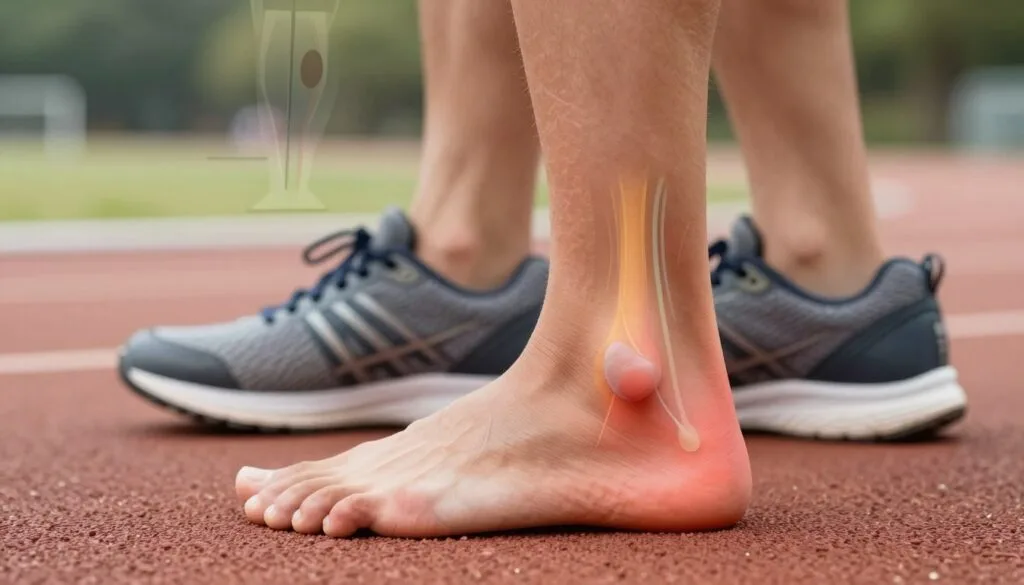
Image source: Bing (Web (fair-use with source credit))
Secure, Not Constricting
Your foot should feel firmly held, particularly at the heel and midfoot. This prevents unwanted movement that can lead to blisters or a loss of control on technical sections. Think of it as a gentle, firm embrace rather than a tight squeeze.
Room to Breathe (and Swell)
Crucially, your toes need space to move and splay naturally. During a run, feet naturally swell, especially on warmer days or during prolonged efforts. Having adequate toe box volume ensures your toes aren't jammed into the front of the shoe or crammed together, which can cause pain and discomfort.
No Pinching or Rubbing
Any sensation of pinching, sharp pressure, or rubbing is a clear signal that the shoe is too tight in that specific area. This could be due to lacing, the shoe's shape, or your foot's anatomy. Identifying and addressing these points is key to a comfortable ride.
Testing the Fit On the Fly: Your Feet Know Best
Determining the right tightness isn't a one-time static test; it’s an ongoing evaluation, especially as your feet change during a run. You'll want to pay attention to how the shoes feel from the moment you lace them up to when you're deep into your trail session.
The Toe Wiggle Test
When your shoes are laced, slide your foot forward until your toes lightly touch the front. You should be able to comfortably slide about one finger's width of space between your longest toe and the end of the shoe. If your toes are jammed or feel compressed, the shoes are either too short or too tight in the toe box.
Heel Lock Check
A common issue is heel slippage, where your heel lifts up with each step. If you experience this, it indicates that the lacing around your ankle isn't creating a sufficient heel lock, or the shoe's heel cup simply isn't the right shape for your foot.
Midfoot Snugness
The shoe should feel snug and supportive across the top of your foot, but without any uncomfortable pressure points. You shouldn't feel the laces digging in or any excessive tightness that restricts blood flow.
Listen to Your Feet
During your runs, actively monitor your feet. Numbness, throbbing toes, or developing blisters in specific spots are all indicators that your shoes are too tight in certain areas. These signals are your body's way of telling you to adjust your lacing or reconsider the shoe's fit.
Lacing Techniques to Fine-Tune Your Fit
The way you tie your trail running shoes can significantly impact their feel and performance. Different lacing techniques allow you to customize the fit to address specific issues like heel slippage or pressure points, ensuring a more comfortable and secure experience on the trails.
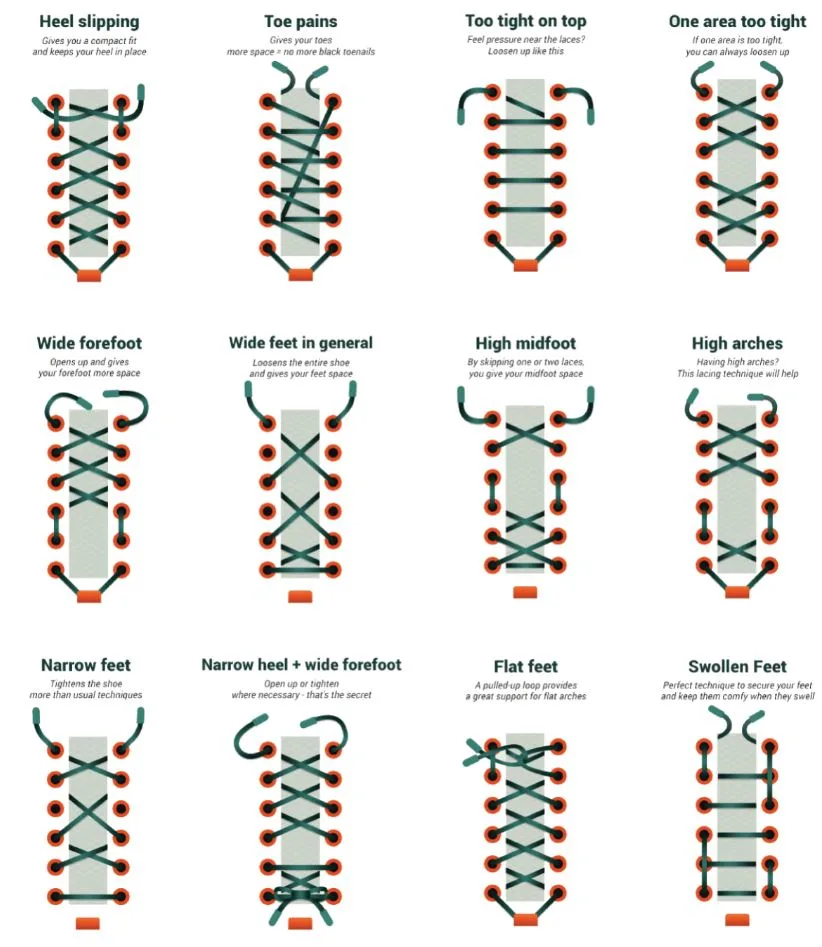
Image source: Bing (Web (fair-use with source credit))
Standard Lacing for Even Pressure
This is the most common lacing method, providing uniform pressure across the top of the foot. It's a good starting point for most runners and generally offers a balanced feel.
Heel Lock Lacing for Slippage Control
Also known as a surgeon's knot or lace lock, this technique creates a secure loop around the ankle eyelets. It’s highly effective at preventing heel slippage, which is a common problem on steep ascents and descents.
Window Lacing for Pressure Relief
If you experience a specific pressure point on the top of your foot, window lacing can help. This involves skipping a pair of eyelets in the problematic area, effectively creating a "window" that relieves direct lace pressure.
How Different Trails Impact Your Ideal Tightness
The terrain you're running on can subtly influence how tight your trail running shoes should feel. What works perfectly on a smooth path might need a slight adjustment for more challenging conditions.
Smooth Trails vs. Technical Terrain
On relatively smooth, predictable trails, you can often get away with a slightly more snug fit. There's less chance of your foot jamming forward on descents or your ankles rolling significantly. However, even here, toe room is essential.
When tackling technical terrain, think roots, rocks, and uneven surfaces, you might prefer a touch more room in the toe box. This is because your feet can shift more as you navigate obstacles, and a little extra space can help prevent stubbed toes or blisters from excessive friction. Yet, maintaining that secure heel and midfoot lock remains paramount for control.
Muddy or Wet Conditions
In muddy or wet conditions, traction and stability become even more critical. You don't want your foot sliding forward inside the shoe when you brake hard on a slippery descent. Therefore, a secure fit that minimizes internal foot movement is crucial, even if it feels slightly tighter than usual.
Common Mistakes That Wreck Your Run
Making a few common errors with your trail running shoe fit can quickly turn a great run into a painful ordeal. Being aware of these pitfalls can help you avoid them and ensure your feet stay happy on the trails.
Tying Them Too Tight Initially
The most frequent mistake is lacing your shoes too tightly right from the start. Remember, your feet will swell as you run, especially on longer efforts or in warmer weather. Always start with a fit that feels comfortable but not overly snug, allowing room for expansion.
Ignoring Hotspots and Rubbing
That little rub or pinch you feel? It's not going to disappear on its own. Ignoring hotspots is a fast track to developing painful blisters.
If you feel any discomfort, stop and adjust your lacing or consider if the shoe is the right shape for your foot.
Over-Tightening Ankle Laces
While a secure heel lock is important, cranking down the laces too hard around your ankle can restrict blood flow. This can lead to numbness and discomfort in your foot. Aim for a firm hold without cutting off circulation.
Trail Running Shoe Fit FAQs
How tight should trail running shoes feel?
Trail running shoes should feel snug, not tight. Your heel and midfoot should be secure, but your toes need room to wiggle. Avoid any pinching or pressure points that can cause blisters.
Should my toes touch the end of my trail running shoes?
No, your toes should not touch the end. There should be about a finger's width of space between your longest toe and the front of the shoe. This space accommodates foot swelling during runs.
What causes my feet to swell when trail running?
Foot swelling during trail running is a common physiological response. Increased blood flow to the working muscles and gravity contribute to fluid buildup in the feet. Warmer temperatures can also exacerbate this swelling.
How do I know if my trail running shoes are too tight?
Signs of shoes being too tight include numbness, tingling, throbbing toes, or developing blisters on the top or sides of your feet. You might also experience pain across the top of your foot or feel circulation being restricted.
Should I lace my trail running shoes differently for different terrains?
Yes, you can adjust your lacing. For technical terrain, slightly looser toe-box lacing might prevent jamming. For steep or slippery conditions, extra secure heel-locking lacing can improve control and prevent foot slippage inside the shoe.