What Are Neutral Running Shoes?
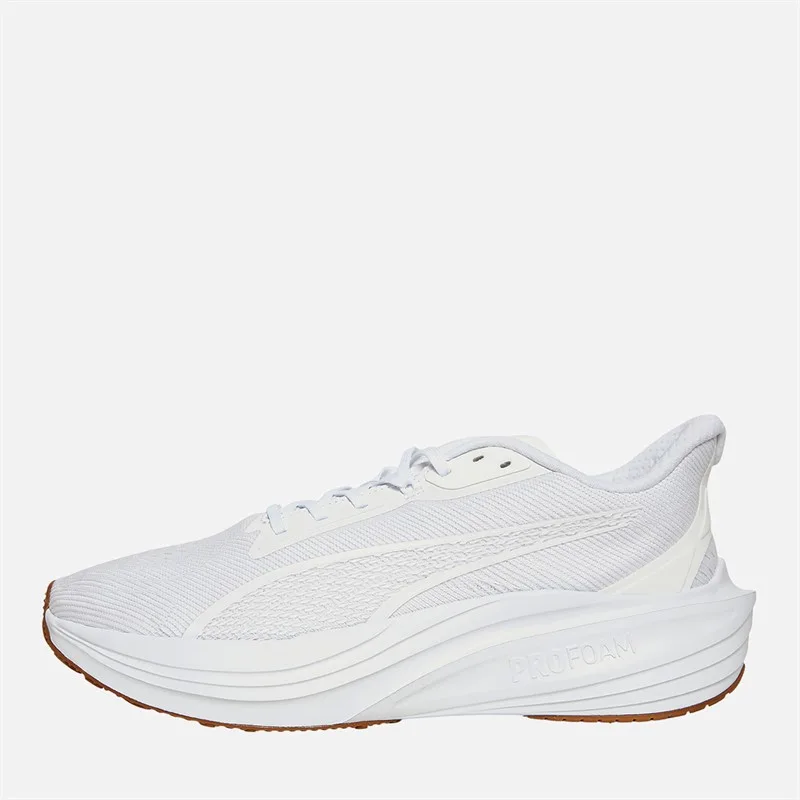
Image source: Bing (Web (fair-use with source credit))
What Are Neutral Running Shoes?
Ever stood in a running store, bombarded by shoe options, and wondered which pair is truly "you"? Understanding neutral running shoes is a big step in cutting through the noise. These shoes are built for runners whose feet land and push off in a balanced way, without excessive inward or outward rolling.
They provide a blend of cushioning and flexibility, letting your foot move naturally through its stride.
When you're choosing running footwear, identifying your foot's natural biomechanics is key. For instance, manufacturer specifications for neutral shoes often highlight a midsole designed for shock absorption, a critical factor for comfort and injury prevention over miles. Getting this right can make a significant difference in how your runs feel and how your body holds up.
Quick Answer
Neutral running shoes are designed for runners with a balanced foot strike. They offer consistent cushioning and flexibility without built-in support features to correct pronation. These shoes allow your foot to move naturally through its gait cycle.
They are ideal for those who don't overpronate or supinate.
Why This Comparison Matters for Runners
Choosing the right running shoe isn't just about picking a color you like; it’s about finding a piece of equipment that works with your body. Running involves a complex series of movements, and your footwear plays a crucial role. If you end up in a shoe that doesn't match your natural gait, you might be setting yourself up for discomfort or even injuries down the road.
This is why understanding the different categories of running shoes, especially the distinction between neutral and stability models, is so important. It’s about matching the shoe’s design to your unique foot mechanics. When you get this right, you can run more comfortably, efficiently, and potentially reduce your risk of common running ailments.
Core Explanation: How Neutral Shoes Work
Neutral running shoes are built with a straightforward philosophy: to provide a comfortable, well-cushioned ride for runners whose feet behave predictably during impact. They are designed to work with your foot's natural motion, rather than trying to alter it. If your foot lands and rolls inward slightly (pronation) or even stays relatively straight, a neutral shoe will likely feel like a good match.
The key is that they don't contain specific technologies to control or limit your foot's movement. Instead, they focus on delivering consistent cushioning and a smooth transition from heel-strike to toe-off. This approach allows your foot muscles to do their intended work of absorbing shock and propelling you forward.
Cushioning and Flexibility in Neutral Shoes
The primary job of a neutral running shoe's midsole, that thick layer between the upper and the outsole, is to absorb the impact forces generated with every step. Manufacturer specifications often detail the type and density of foam used, aiming for a balance that feels responsive without being too firm or too mushy. Aggregate reviews indicate that a good balance here leads to less fatigue over longer distances.
These shoes also tend to be quite flexible. This flexibility is essential because it allows your foot to bend and articulate naturally as you run. When a shoe is too stiff, it can fight your foot’s natural movement, potentially leading to strain in your arches or toes.
The combination of effective cushioning and inherent flexibility is what defines the neutral shoe experience.
The Role of Your Foot's Natural Movement
Understanding how your foot moves when you run is crucial. When your foot strikes the ground, it naturally rolls inward slightly to absorb shock. This is called pronation, and for most people, it happens to a moderate degree.
Neutral shoes are built to accommodate this natural pronation without interference.
If your foot rolls inward too much (overpronation) or not enough (supination, where the foot rolls outward), you might need a shoe with more specific support features. Neutral shoes, however, assume your foot's biomechanics are generally balanced. They aim to provide a neutral platform that supports this natural, efficient motion.
Who Needs Neutral Running Shoes?
So, who is this “neutral” category really for? In essence, it’s for the majority of runners who don't have significant biomechanical issues with their feet that require correction. If your feet strike the ground in a balanced way, a neutral shoe will feel comfortable and allow your natural stride to shine.
It’s about letting your body do what it does best.
The key indicators point towards a neutral shoe being your best bet if your feet are naturally aligned. This means your foot doesn't excessively roll inward or outward as you land and push off. This balanced movement is often associated with specific foot types and wear patterns on your old running shoes.
Understanding Your Foot Arch and Pronation
Your foot arch plays a significant role in determining your pronation type. Generally, people with medium arches often have neutral pronation. When you wet your foot and step onto a flat surface, you’ll typically see a distinct, curved footprint with a noticeable gap along the inside edge.
This shape often correlates with a balanced roll through your stride.
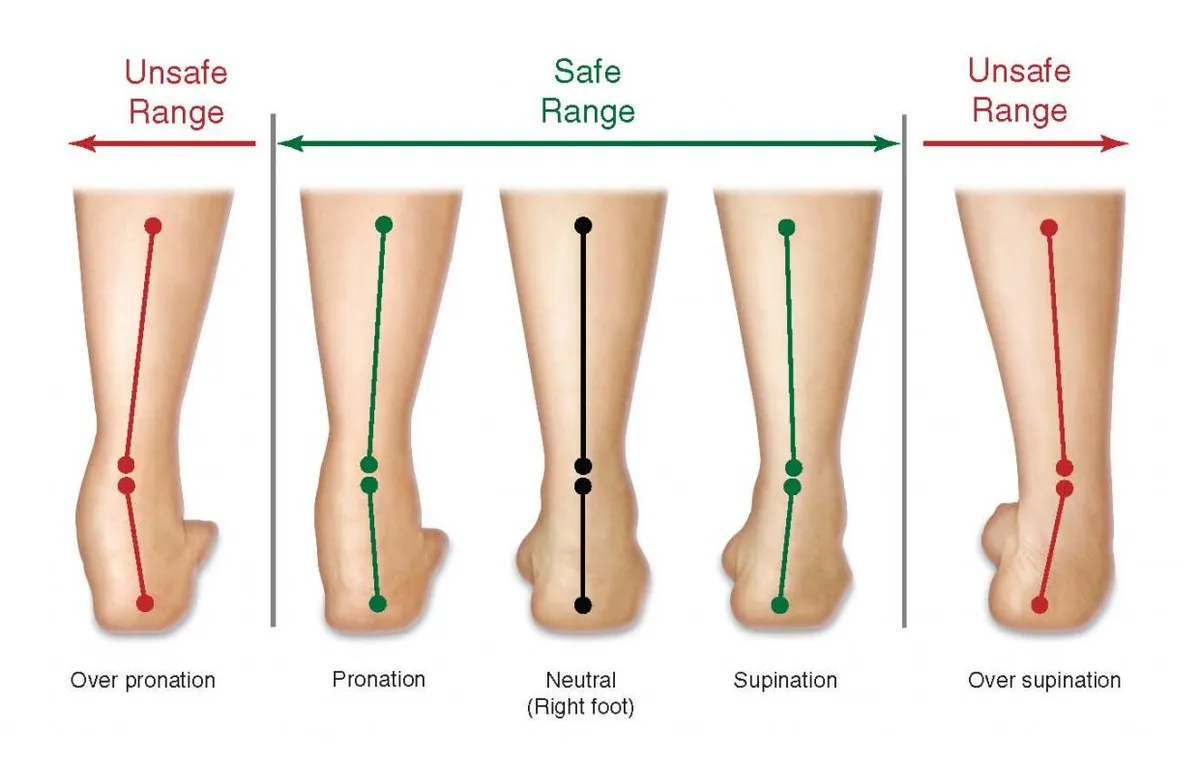
Conversely, if you have very high arches, you might also land on the outside of your foot more, which is supination. If you have very flat feet, you might roll inward excessively, which is overpronation. While neutral shoes can sometimes work for mild supination, they are primarily designed for that balanced, medium-arched runner.
Checking Your Old Shoes for Clues
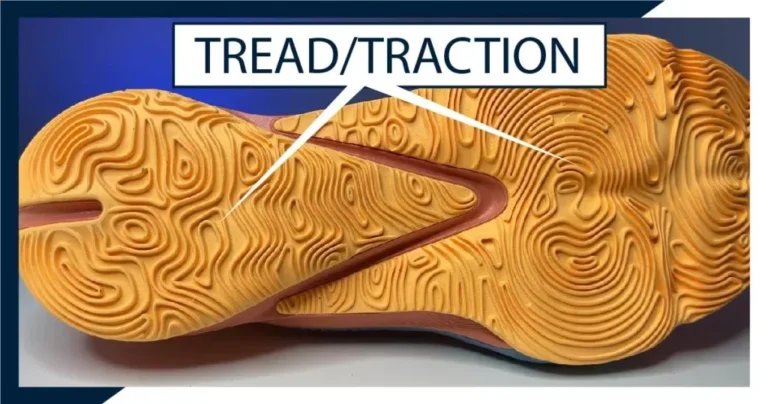
A simple, practical way to get a hint about your running mechanics is to examine the wear pattern on your old running shoes. Lay your shoes flat on a table and look at the soles, especially the heel and the ball of the foot area. If the wear is relatively even across the ball of the foot and the outer edge of the heel, this often indicates a neutral stride.
However, if you see excessive wear on the inner edge of the sole, particularly under the ball of the foot, it suggests overpronation. Significant wear on the outer edge of the sole might point towards supination. This visual cue, combined with understanding your arch type, can be a helpful starting point before seeking professional advice or trying on new shoes.
Neutral Shoes vs. Stability Shoes: Key Differences
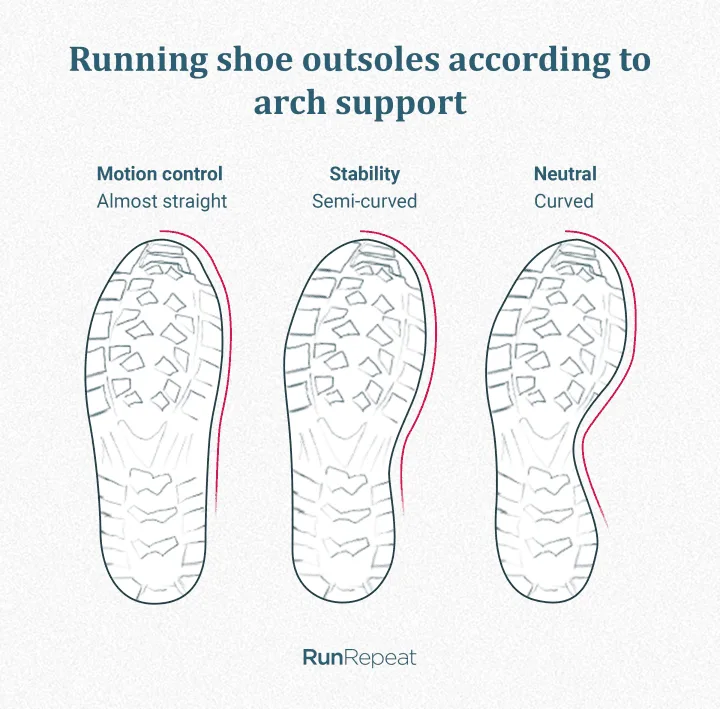
The most common comparison point for neutral shoes is stability running shoes. While both aim to provide a comfortable running experience, they do so with fundamentally different design philosophies. The core difference lies in how they address your foot's pronation during the gait cycle.
Stability shoes are engineered with specific features designed to gently guide your foot and limit excessive inward rolling (overpronation). This is often achieved through denser foam on the medial (inner) side of the midsole, called a medial post, or other guiding technologies integrated into the shoe's structure. They are built for runners whose feet tend to roll inward more than is considered neutral.
How Stability Shoes Work
Stability shoes incorporate structural elements to provide support. These might include:
- Medial Posts: A firmer section of foam placed on the inside edge of the midsole. This denser material compresses less than the surrounding foam, helping to slow down and reduce the rate of inward rolling.
- GuideRails: Some brands use a system of raised edges along the sides of the shoe that act like bumpers. These can help keep your foot aligned without being overly intrusive.
- Stiffer Heel Counters: A more rigid heel cup can provide extra stability for the rearfoot.
These features are designed to offer a bit of correction for runners who need it.
When to Choose One Over the Other
The choice between neutral and stability shoes typically comes down to your individual biomechanics.
- Choose Neutral if: You have a medium arch, your feet don't roll inward excessively (neutral pronation), or you supinate (roll outward). Your old shoes show even wear, or primarily on the outer edges. You prioritize cushioning and flexibility.
- Choose Stability if: You have flat feet, a low arch, or you overpronate significantly. Your old shoes show excessive wear on the inner edge. You feel your ankles rolling inward as you run, or you've been advised by a professional to seek support.
Manufacturer specifications often clearly label shoes as either "Neutral" or "Stability," making identification easier once you know what to look for. According to testing standards set by organizations like the American Podiatric Medical Association, selecting the correct shoe type can contribute to overall foot health and performance.
Common Mistakes When Choosing Running Shoes
One of the most frequent errors runners make is bypassing a professional gait analysis. Many specialty running stores offer this service, where they'll watch you run on a treadmill or outside to observe your foot strike and pronation. Skipping this step means you might be guessing about your biomechanics, which can lead to selecting the wrong type of shoe.
Another common pitfall is letting aesthetics override function. Just because a shoe looks great or is a popular brand doesn't mean it's the right fit for your feet. Our research shows that runners often prioritize color or style, only to find discomfort later.
Always prioritize how the shoe feels and how it interacts with your stride.
Ignoring Your Gait Analysis
If you've never had your gait analyzed, consider it a worthwhile investment in your running health. Without this objective assessment, you're relying on self-diagnosis, which can be inaccurate. For example, someone with mild overpronation might incorrectly believe they need neutral shoes if they haven't seen the excessive inward roll in action.
This can lead to problems down the line. Wearing neutral shoes when you need stability can potentially exacerbate issues like shin splints or plantar fasciitis because the shoe isn't providing the necessary support to guide your foot. A professional analysis, often using high-speed video, provides clear data to inform your decision.
Buying Based on Looks Alone
It's easy to be drawn in by a shoe's sleek design, bold colors, or innovative-looking features. However, flashy aesthetics rarely correlate with the optimal biomechanical support you need. Manufacturer specifications are crucial here; they detail the shoe's intended purpose and support features, which are far more important than the color scheme.
For instance, a shoe might look very cushioned, leading you to believe it's neutral. But if it contains hidden stability elements, it's not truly a neutral shoe. Always prioritize performance and fit over appearance.
Remember, as of 2026, the technology in running shoes is advanced, but its effectiveness hinges on matching it to your individual needs.
Expert Tips for Finding Your Perfect Neutral Shoe
When you're hunting for that ideal neutral running shoe, a few key strategies can make the process smoother. Start by understanding your own feet. If you haven't had a gait analysis, pay attention to your arch height and the wear patterns on your old shoes.
This self-assessment is a solid first step before even stepping into a store.
Don't be afraid to try on multiple pairs from different brands. Manufacturer specifications can vary greatly, even within the "neutral" category. What feels plush and responsive in one brand might feel different in another.
Wear the type of socks you normally run in when you're trying shoes on, and take them for a short jog in the store if possible.
Here are some practical tips to keep in mind:
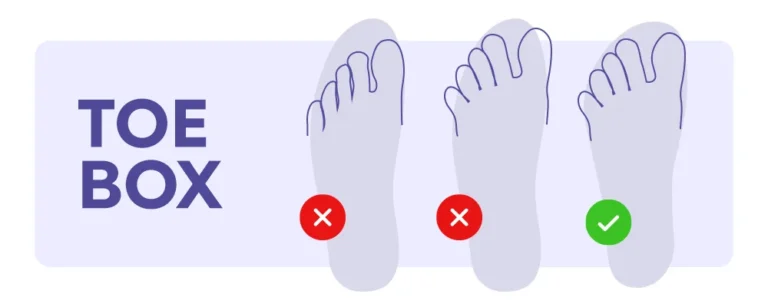
- Fit is paramount: Ensure there's about a thumb's width of space between your longest toe and the end of the shoe.
- Midfoot feel: The shoe should feel snug and secure around your midfoot, but not constricting.
- Heel lock: Your heel shouldn't slip excessively when you walk or run.
- Listen to your feet: If a shoe feels uncomfortable in the store, it's unlikely to get better on a long run.
Frequently Asked Questions About Neutral Running Shoes
What if I have flat feet?
If you have flat feet, you likely overpronate, meaning your feet roll inward excessively. In this case, neutral running shoes might not provide enough support. You might be better off looking at stability running shoes, which are designed to help control this inward roll.
A gait analysis is highly recommended to confirm your foot mechanics.
Can neutral shoes cause injury?
Neutral shoes can contribute to injury if they are the wrong choice for your biomechanics. If you overpronate and wear neutral shoes without adequate support, it can lead to strain on your feet, ankles, knees, or hips. However, for runners with neutral pronation, they are designed to prevent injury by allowing natural movement.
How often should I replace my neutral running shoes?
As a general guideline, neutral running shoes should be replaced every 300 to 500 miles (approximately 480 to 800 kilometers). This is because the cushioning and support materials in the midsole degrade over time and with use, even if the shoe looks visually intact. Worn-out shoes can lose their shock absorption capabilities, increasing injury risk.
Your Best Bet: The Neutral Shoe Decision
Deciding whether neutral running shoes are right for you hinges on understanding your foot's natural biomechanics. If your gait analysis, old shoe wear patterns, or arch type suggests a balanced stride without excessive inward rolling, then a neutral shoe is likely your ideal choice. They offer excellent cushioning and flexibility, allowing your foot to move freely.
Remember, the goal is to find a shoe that complements your natural running form. While neutral shoes are a fantastic option for many, they aren't a universal solution. If you suspect you overpronate or have specific foot concerns, exploring stability shoes or consulting a running specialist is a wise next step to ensure comfort and injury prevention on your runs.

2 Comments