Can You Walk in Running Shoes?
So, you've got a pair of running shoes and you're wondering, "Can you walk in running shoes?" It's a super common question, especially when those running shoes feel incredibly comfortable and you're just heading out for a casual stroll or running errands. The short answer is yes, but there's a bit more to it than that.
Understanding how your footwear is designed can make a big difference in comfort and even long-term foot health. We'll break down what makes running shoes different and when it's perfectly fine, and when it might be better to choose something else.

Image source: Bing (Web (fair-use with source credit))
Quick Answer: Yes, But It Depends
Yes, you can walk in running shoes, and for short durations or casual wear, it's usually fine. However, for long-distance walking or if you have specific foot needs, dedicated walking shoes may offer better support and comfort. The way running shoes are engineered for high-impact, forward motion differs from the needs of walking.
When Walking in Running Shoes is Totally Fine
It's completely okay to use your running shoes for walking in many everyday situations. They're designed with comfort and cushioning in mind, which generally translates well to less intense activities. Think of them as versatile athletic footwear.
Short Errands and Casual Wear
Popping out to the grocery store, walking the dog around the block for a few minutes, or just moving around the house are all situations where your running shoes will serve you perfectly well for walking. The impact is minimal, and the duration is short enough that the specific design nuances of running shoes don't become a hindrance. For many, this is the most common way they might use running shoes for walking.
Recovery Walks
After a demanding run, a gentle, low-impact walk can be part of your recovery process. In these instances, your running shoes can provide a familiar and supportive feel as your muscles and joints recuperate. The cushioning that's designed to absorb impact during running can also be beneficial for a relaxed recovery walk, offering a soft landing.
When You Might Want to Rethink It
While generally fine for casual use, relying solely on running shoes for extensive walking might not be the optimal choice. The specialized design of running shoes means they excel at certain activities but can be less ideal for others, particularly those involving prolonged periods or specific biomechanical demands.
Long-Distance Walking
If you're planning to walk for several miles, perhaps on a dedicated walking trail or as part of a fitness routine, dedicated walking shoes might be a better bet. Running shoes are primarily built to handle the repetitive, forward-propelling shock of running. Walking involves a different gait cycle, with a greater emphasis on heel strike and a more continuous rolling motion.
Over longer distances, the specific support and cushioning in running shoes might not align perfectly with walking mechanics, potentially leading to discomfort or fatigue sooner than you'd experience in shoes designed for walking.
Specific Foot Conditions
Individuals with certain pre-existing foot conditions, such as plantar fasciitis, flat feet, or overpronation, may find that their running shoes don't adequately address their unique biomechanical needs during walking. For instance, some running shoes offer targeted support for overpronation during the running stride, but this specific type of stability might feel restrictive or even uncomfortable for the different pressures and movements involved in walking. In such cases, consulting with a podiatrist or a footwear specialist can help identify the best shoe type for both running and walking.
How Running Shoe Design Differs from Walking Shoe Design
The core differences between running shoes and walking shoes lie in their engineering, which is tailored to the distinct biomechanics of each activity. Understanding these differences helps explain why one might be better suited than the other for certain tasks.
Cushioning and Impact Absorption
Running involves a much higher impact force with each stride compared to walking. Manufacturer specifications for running shoes often highlight advanced cushioning systems, frequently using materials like EVA (ethylene-vinyl acetate) or proprietary foams designed to absorb significant shock. For example, many road running shoes are built with a midsole thickness ranging from 30-50 mm, with a pronounced focus on heel cushioning to mitigate the pounding of each footfall.
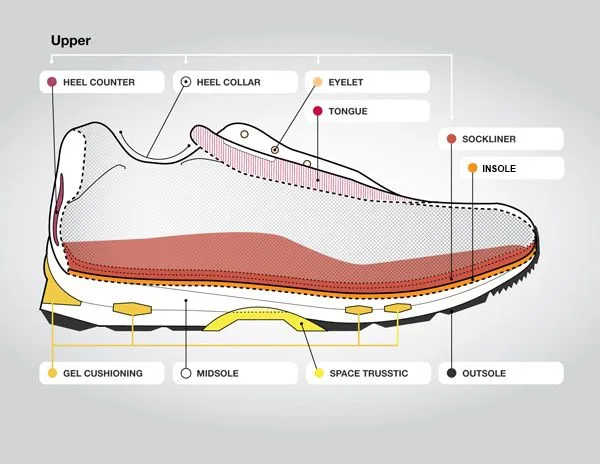
Image source: Bing (Web (fair-use with source credit))
Walking shoes, while still offering cushioning, prioritize a balance of comfort and durability for a different kind of impact. They might have less pronounced cushioning, especially in the heel, and focus more on sustained comfort and support throughout the entire walking gait cycle.
Support and Stability
Running shoes are often categorized by their support level, such as neutral or stability. Stability shoes, for instance, incorporate features like medial posts or guide rails to help control pronation, which is the inward rolling of the foot during the running motion. These are engineered to manage the dynamic forces of running.
In contrast, walking shoes typically offer a more consistent, cradle-like support for the foot. The goal is often to provide a stable platform for the heel-to-toe transition characteristic of walking, rather than managing the high rotational forces experienced during a run. The emphasis is on keeping the foot comfortable and aligned during a longer, less dynamic stride.
Flexibility and Gait Mechanics
The way a shoe flexes is crucial to its intended activity. Running shoes are typically designed to flex primarily at the forefoot, allowing for a natural toe-off as the runner pushes off the ground. This flexibility is essential for efficient forward propulsion.
Walking shoes, however, might have a more balanced flex pattern or a slightly stiffer sole. This provides stability throughout the walking stride, which involves a different foot strike and push-off sequence. The flexibility in a running shoe, while great for propelling you forward quickly, might feel less supportive or even lead to excessive foot movement when walking for extended periods.
Potential Problems and Pain Points of Walking in Running Shoes
While you can walk in running shoes, doing so regularly or for long distances can sometimes lead to issues. These problems stem directly from how running shoes are constructed and their specific purpose.
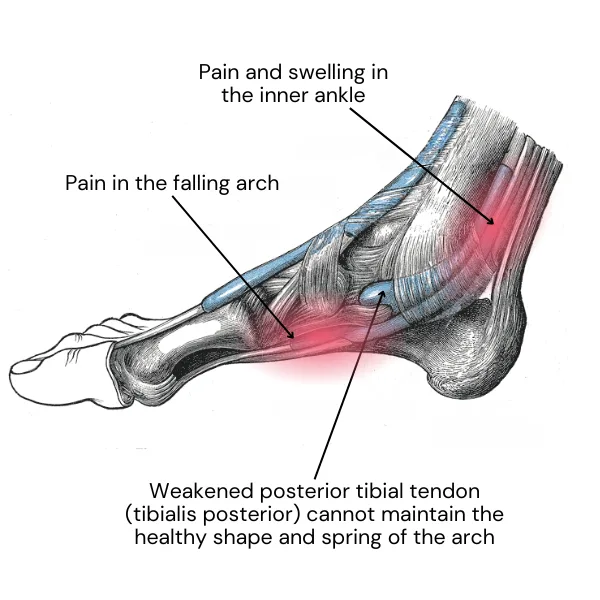
Image source: Bing (Web (fair-use with source credit))
- Discomfort Over Time: The substantial heel cushioning in many running shoes, while great for absorbing impact during running, can sometimes feel too soft or unstable for walking. This can lead to achy feet, especially in the heel or arch area, after walking for extended periods. The shoe's structure is optimized for a specific gait that walking doesn't replicate.
- Lack of Targeted Walking Support: Running shoes are built to manage the forward momentum and landing impact of running. Walking has a different pressure distribution and requires different kinds of support, particularly for the arch and the lateral (side) stability of the foot during the gait cycle. A shoe designed for pronation control during running might feel overly restrictive or even cause discomfort when used for walking, where pronation mechanics differ.
- Accelerated Wear: The materials and construction of running shoes are optimized for the specific stresses of running. Using them for walking, especially on different surfaces or for longer durations than intended, can lead to premature wear and tear on key areas like the outsole rubber, midsole foam, and upper materials. This means your running shoes might not perform as well for their primary purpose.
- Potential for Increased Injury Risk: For some individuals, particularly those with pre-existing foot issues like plantar fasciitis or bunions, wearing running shoes for long walks might exacerbate symptoms. The lack of specific walking support or the presence of features designed for running can create imbalances or undue stress on certain parts of the foot, potentially leading to pain or injury. The National Institute for Occupational Safety and Health (NIOSH) highlights proper footwear as crucial for reducing musculoskeletal injuries, underscoring the importance of using the right shoe for the job.
Mistakes to Avoid When Walking in Running Shoes
Even when it seems straightforward, there are a few common missteps people make when using running shoes for walking that can lead to discomfort or even minor issues. Avoiding these can help you enjoy your walks more and protect your feet.
- Ignoring the Terrain: Many running shoes are designed for roads or prepared trails. Wearing them on very uneven, rocky, or slippery surfaces for walking can compromise stability and increase the risk of twists or falls. Trail running shoes, with their aggressive lugs and reinforced uppers, offer better grip for off-road walking.
- Over-reliance on Cushioning: While cushioning is good, too much can make a shoe feel unstable for walking. This is especially true if the shoe is designed with a very soft, high stack of foam, which can sometimes lead to a feeling of "sinking" or instability during the longer contact time of a walking stride.
- Not Checking for Wear: Running shoes wear out, and their cushioning and support can degrade over time. If your running shoes are past their prime for running, they might also be offering diminished benefits for walking, potentially leading to increased foot fatigue. Keeping track of mileage is key.
Using a Table: Running Shoe vs. Walking Shoe for Activity
To quickly see the key differences, this table breaks down the typical design priorities for each type of shoe, illustrating why they're optimized for different activities.
| Feature | Typical Running Shoe | Typical Walking Shoe |
|---|---|---|
| Primary Purpose | High-impact, forward motion (running) | Sustained comfort, heel-to-toe movement (walking) |
| Cushioning | High, often more in the heel for impact absorption | Balanced, focused on sustained comfort |
| Support | Varies (neutral, stability, motion control) for gait | Consistent, stable platform for walking stride |
| Flexibility | Forefoot flex for toe-off | Balanced flex, or stiffer for stability |
| Outsole | Durable rubber, designed for road or trail grip | Durable rubber, often flatter for consistent contact |
| Upper | Breathable mesh, often lighter | Durable materials, sometimes more structured support |
| Weight | Generally lighter | Can be slightly heavier due to durable construction |
| Best For | Running, short walks | Long walks, everyday comfort, standing for long periods |
| Potential Issues | Can feel unstable or lacking support for long walks | May lack the responsive cushioning for intense running |
Expert Tips for Maximizing Shoe Comfort and Longevity
Taking good care of your footwear ensures they perform their best, whether for running or walking. Proper maintenance can extend their lifespan and keep your feet happy.
- Clean Regularly: Keeping shoes clean is essential. Mud, dirt, and salt can break down materials over time. Our research into how to clean running shoes shows that hand washing with mild soap and water is generally recommended, avoiding harsh detergents or machine washing, which can damage the cushioning and adhesives.
- Air Them Out: After use, especially after a run or a long walk, let your shoes air dry completely. This helps prevent moisture buildup, which can lead to odor and the degradation of shoe materials. Stuffing them with newspaper can help absorb moisture and maintain their shape.
- Store Properly: Avoid storing shoes in direct sunlight or extreme heat, as this can warp materials and weaken adhesives. A cool, dry place is ideal.
When Might You Need to Replace Running Shoes?
Like all performance gear, running shoes don't last forever. Their ability to provide cushioning and support diminishes with use. Knowing when to replace them is key for both performance and injury prevention.
Generally, running shoes are designed to last between 300 to 500 miles of use. This can vary significantly based on the runner's weight, gait, the type of shoe, and the surfaces they run on. If you're primarily walking in them, they might last longer, but the cushioning will still degrade.
Signs it’s time for a replacement include:
- Visible wear on the outsole, especially if the tread pattern is gone.
- The midsole feels hard or less responsive, lacking its original “bounce.”
- New aches or pains start appearing after runs or walks that weren't there before.
- The upper material shows significant signs of tearing or breakdown.
Replacing worn-out shoes ensures you continue to get the intended shock absorption and support, crucial for both running and walking comfort.
FAQs About Walking in Running Shoes
Can I wear my running shoes for everyday errands?
Yes, for short periods and light activity like running errands, your running shoes are generally fine for walking. They offer good cushioning and comfort for this type of use.
Will walking in running shoes hurt my feet?
For short walks, it's unlikely to cause harm. However, for long-distance walking, you might experience discomfort or foot fatigue due to the shoe's specific design for running, not walking.
Are walking shoes better than running shoes for walking?
Dedicated walking shoes are typically designed with features more suited for the walking gait, such as a more stable platform and balanced cushioning. They may offer superior comfort and support for extended walking sessions compared to running shoes.
Can I use old running shoes for walking?
Yes, old running shoes can often be repurposed for walking, especially if they still have some cushioning left. However, if the cushioning has significantly degraded or the shoe is damaged, they may no longer be suitable for even light walking.