What Are Dress Shoes?
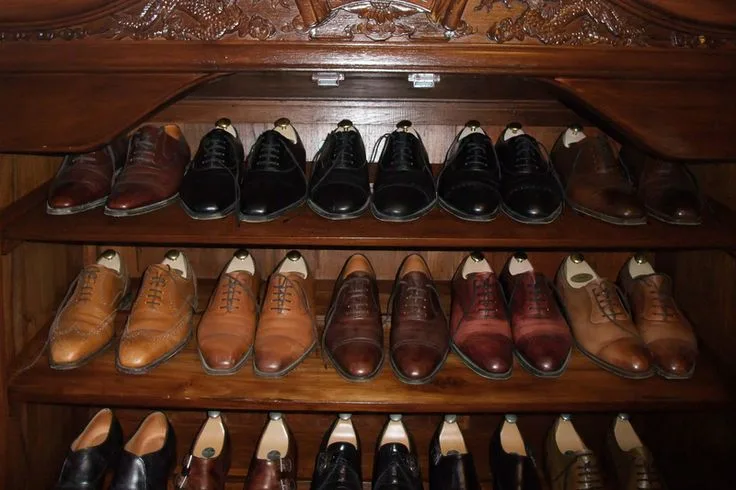
Image source: Bing (Web (fair-use with source credit))
So, what exactly are dress shoes? They’re the footwear that signals polish and occasion, the kind of shoes you reach for when an outfit needs a little extra sophistication. Think beyond your everyday sneakers; these are shoes crafted to complement smarter attire, making them indispensable for many professional and celebratory events.
When you’re aiming for that sharp look, the right pair of dress shoes makes all the difference. According to industry standards, the primary materials for high-quality dress shoes typically include full-grain leather, with specific finishes like polished calfskin or patent leather often seen as the most formal options, as defined by traditional menswear guidelines.
Quick Answer
Dress shoes are formal or semi-formal footwear designed to complement smarter attire. Key characteristics include smooth leather uppers, sleek silhouettes, and often leather soles. They are worn for occasions like business meetings, weddings, and formal events.
Key Features That Define Dress Shoes
What sets a shoe apart as a "dress shoe" isn't just one thing; it's a combination of elements that work together to create a refined look. At the top of the list is material. Our research confirms that smooth, finished leather is the hallmark.
This includes polished calfskin, which offers a subtle sheen, and the highly reflective patent leather, reserved for the most formal occasions. You'll also find fine suede, which provides a softer, more muted elegance, though it's generally considered less formal than polished or patent leather.
Beyond the material, the silhouette plays a huge role. Dress shoes tend to have a less bulky, more streamlined shape compared to casual shoes. This means they often have a lower profile and sleeker lines, allowing them to blend seamlessly with suits, dress pants, or smart casual wear.
The sole construction is another key indicator. Traditionally, dress shoes feature leather soles, which contribute to their elegant look and feel. However, many modern dress shoes incorporate thinner rubber soles for added durability and grip, especially in inclement weather.
These soles are typically designed to be flush with the shoe's upper, maintaining that clean aesthetic.
Dress Shoes vs. Other Footwear: Knowing the Difference
It's easy to get shoes mixed up, so let's clear the air. Understanding what dress shoes aren't helps define what they are. Your everyday sneakers, for example, are built for comfort and athletic performance.
They usually feature canvas or synthetic uppers, thick rubber soles with lots of cushioning, and a flexible, often athletic design. They're great for the gym or casual outings but wouldn't be suitable for a formal business setting.
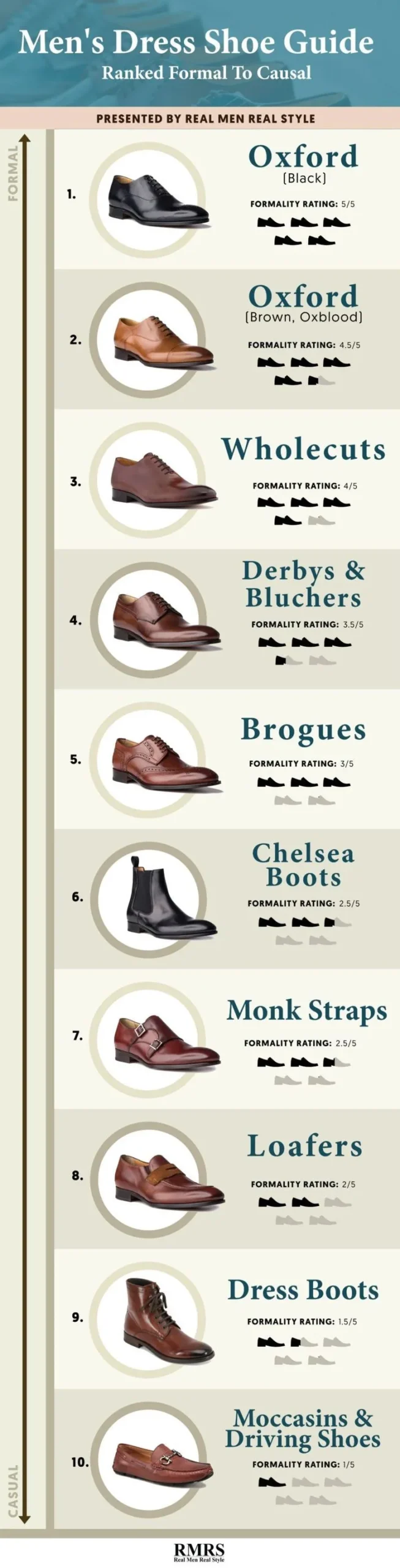
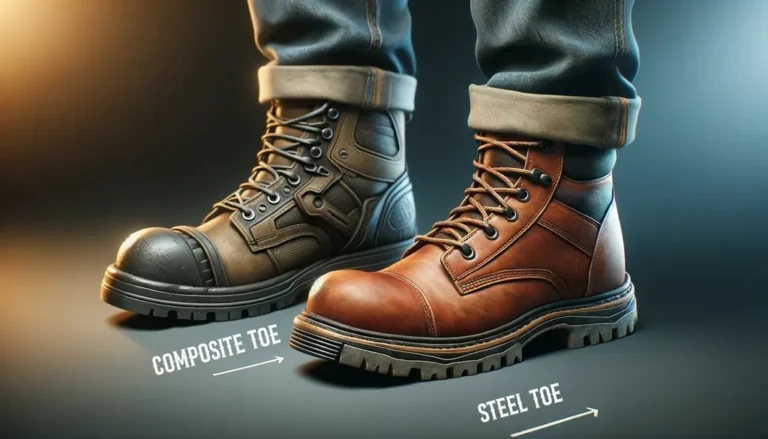
Boots, on the other hand, are typically designed for durability and protection. Think work boots or hiking boots with rugged soles, strong uppers, and a robust construction meant to withstand tougher conditions. While some dress boots exist that bridge the gap, a classic work boot is far removed from the polished finish of a dress shoe.
Even smart casual footwear like boat shoes or casual loafers, while sometimes looking dressy, often feature more relaxed construction, visible stitching, or softer materials that mark them as distinct from true dress shoes. When you see shoes with a closed lacing system or a sleek, unadorned upper made of smooth leather, you're likely looking at a dress shoe.
Popular Dress Shoe Styles to Know
When you’re talking about dress shoes, a few classic styles come up again and again because they’ve stood the test of time and formality. These aren't just shoes; they're cornerstones of a well-curated wardrobe for anyone who needs to look put-together for important events. Understanding these styles helps you pick the right shoe for the right occasion.
Oxfords: The Pinnacle of Formality
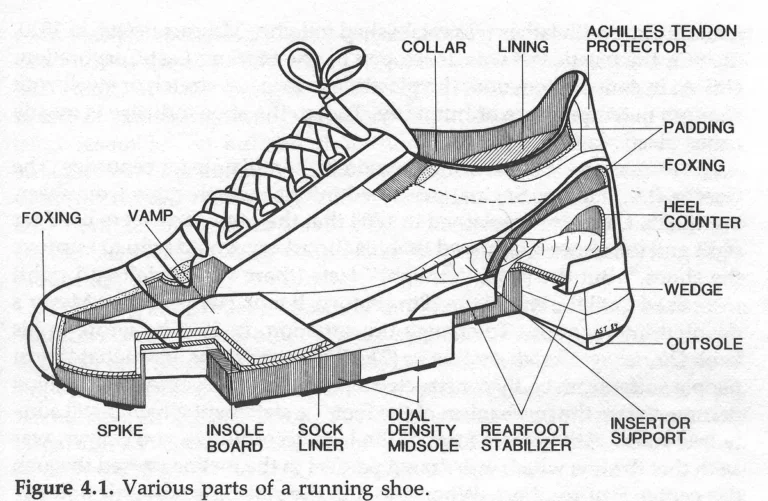
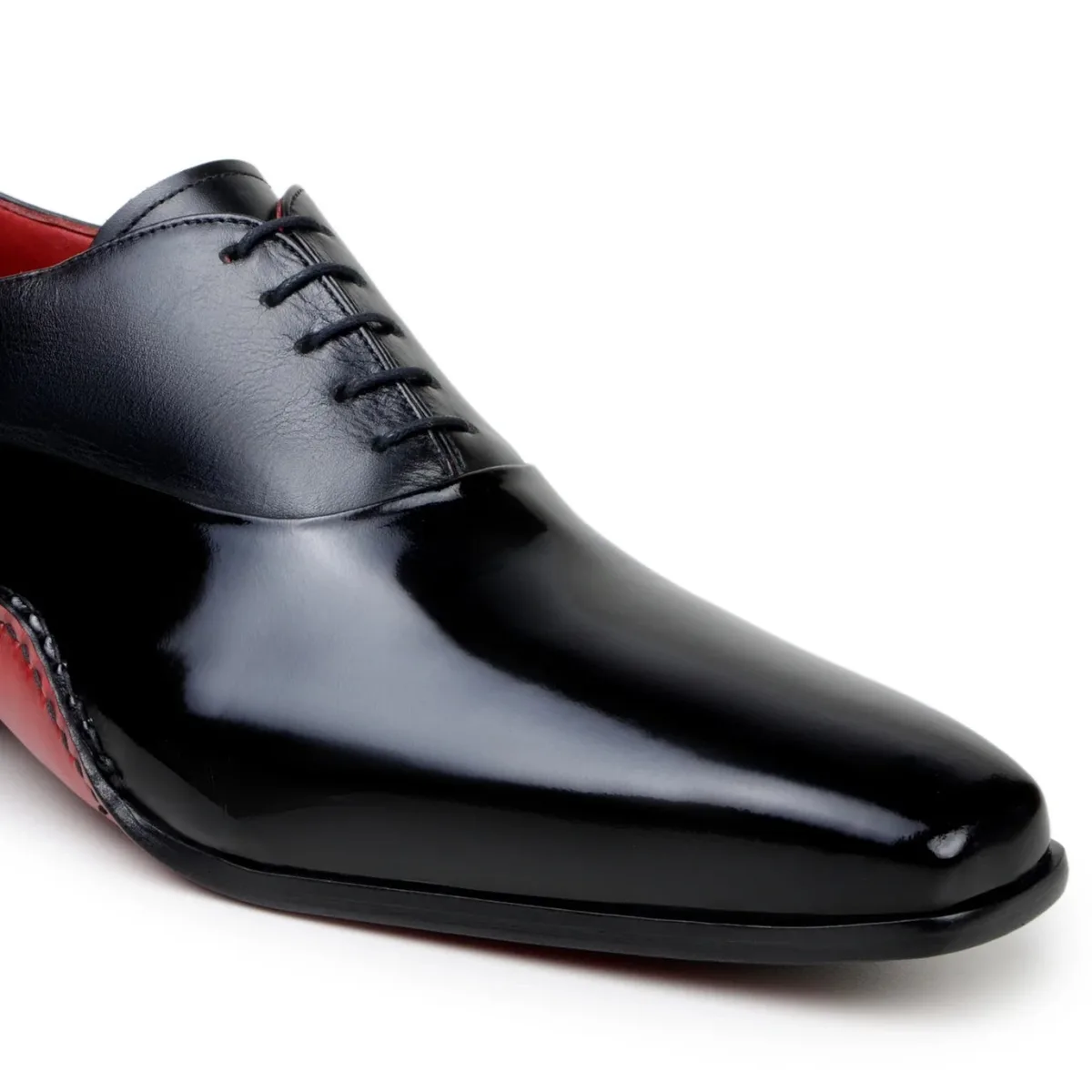
Oxfords are often considered the gold standard of formal footwear. What makes an Oxford an Oxford is its distinctive "closed lacing" system. This means the shoelace eyelet panels are sewn underneath the vamp, the front part of the shoe.
This construction creates a clean, unbroken line across the top of the foot, giving Oxfords their exceptionally sleek and formal appearance. Because of this streamlined design, they are the top choice for very formal events like black-tie weddings or business galas. Plain-toe Oxfords are the most minimalist and formal, while cap-toe Oxfords offer a subtle line of stitching across the toe, adding a touch of detail without sacrificing formality.
Derbies: Versatile Workhorses
Derbies, also known as Bluchers in North America, are a close cousin to the Oxford but offer a bit more versatility. The key difference lies in their "open lacing" system. Here, the shoelace eyelet flaps are sewn on top of the vamp.
This construction makes Derbies slightly less formal than Oxfords because it reveals more of the shoe's structure. However, this also makes them incredibly adaptable. They look sharp with suits for many business settings, but they also pair perfectly with dress slacks, chinos, or even dark wash jeans for a smart casual look.
Many find that a well-made Derby is one of the most practical investments for a varied wardrobe.
Loafers: Slip-On Sophistication
Loafers are a fantastic option when you want that polished look without the fuss of laces. They are slip-on shoes characterized by their moccasin-like construction. There are several popular types, but the most classic "dress" loafers include the Penny Loafer and the Tassel Loafer.
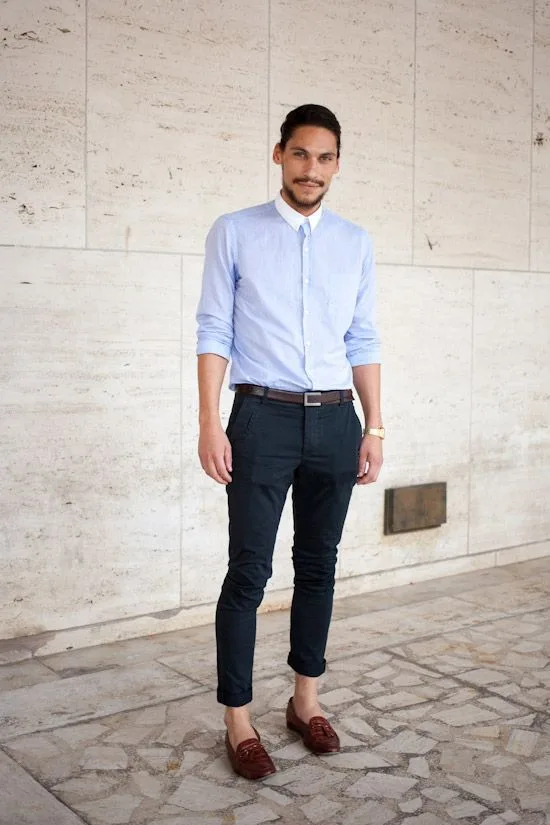
Penny loafers traditionally have a strap across the vamp with a cutout where a coin could be slipped, while tassel loafers feature decorative tassels hanging from the front lacing. They strike a balance between casual comfort and sartorial elegance, making them ideal for business casual environments, smart casual outfits, and even some semi-formal events. Their ease of wear makes them a favorite for many.
Monk Straps: Buckle Up Your Style
Monk straps offer a distinct alternative to laced shoes, featuring one or two buckles and straps that cross over the vamp. This design element provides a unique visual interest that’s undeniably sophisticated. Like Derbies, Monk Straps can range in formality depending on the specific shoe’s detailing and finish, but they generally sit in the semi-formal to formal category.
A single monk strap tends to be slightly more formal than a double monk strap. They're a great choice when you want to add a touch of individual flair to your tailored look without straying into casual territory.
When to Wear Dress Shoes: Occasion & Attire
Knowing what dress shoes are is only half the battle; knowing when to wear them is crucial for getting your style right. They are your best friends for events and situations that call for a polished, formal, or professional appearance. Think of them as the finishing touch that elevates your entire outfit.
For formal occasions like weddings, funerals, or upscale evening events, classic Oxfords in black or dark brown leather are usually the most appropriate choice. They pair perfectly with a suit or a tuxedo.
In the professional world, dress shoes are almost a uniform requirement. For job interviews, important client meetings, or days when you want to project a serious, put-together image, Derbies or sleek loafers are excellent. They work seamlessly with business suits, suit separates, or dress slacks.
The line between business professional and business casual can be blurry, but when in doubt, stepping into a pair of dress shoes is almost always the safer, more polished bet. Even for smart casual settings, like a nice dinner out or a relaxed social gathering where you want to look sharp, a pair of well-maintained loafers or Derbies can significantly enhance your look, especially when paired with chinos or dark jeans. If you've ever wondered if your running shoes are up to snuff for a dinner date, the answer is generally no; they lack the inherent formality that dress shoes provide, making them unsuitable for such occasions.
Common Mistakes When Choosing or Wearing Dress Shoes
Even with a good understanding of what dress shoes are, it’s easy to stumble into common pitfalls. One of the biggest errors is mismatching the formality of the shoe with the occasion. Wearing shiny patent leather Oxfords to a casual weekend brunch, for instance, looks out of place.
Similarly, showing up to a formal business meeting in suede loafers, while stylish, might be a touch too relaxed depending on the company culture. Our research indicates that understanding the subtle nuances of each shoe style and its typical use case is key to avoiding these faux pas.
Another frequent mistake involves the fit. Shoes that are too tight can cause discomfort and long-term foot problems, while shoes that are too loose lead to poor gait and can even cause blisters. It’s essential to ensure there’s about a thumb’s width of space between your longest toe and the end of the shoe, and that the shoe doesn't slip excessively at the heel.
Poor maintenance also falls into this category. Scuffed, dirty, or unpolished dress shoes can instantly undermine an otherwise sharp outfit. Neglecting to clean or polish them regularly, especially after exposure to moisture or dirt, is a common oversight.
For example, as of 2026, many manufacturer care guides recommend regular conditioning for smooth leather to prevent cracking.
Frequently Asked Questions About Dress Shoes
Are loafers considered dress shoes?
Yes, loafers, particularly classic styles like penny loafers and tassel loafers, are widely considered dress shoes. They offer a slip-on alternative to laced styles and are appropriate for business casual and many semi-formal occasions.
Can I wear white socks with black dress shoes?
Generally, no. It's best to match your socks to the color of your dress pants or shoes. For black dress shoes, dark socks (black, charcoal, or a dark navy) are appropriate.
White socks are typically reserved for athletic or very casual wear.
How should dress shoes fit?
Dress shoes should fit snugly but comfortably. There should be about a thumb's width of space between your longest toe and the shoe's tip. The heel should not slip excessively when you walk, and the shoe should feel supportive without pinching.
How often should I polish my dress shoes?
You should polish your dress shoes whenever they start to look dull or show signs of wear, typically every few wears or after exposure to harsh elements. Regular conditioning of the leather is also important to keep it supple and prevent cracking, with many manufacturer specifications suggesting this every 3-6 months depending on wear.
What's the difference between a Derby and an Oxford?
The main difference is the lacing system. Oxfords have a "closed lacing" system where eyelet panels are sewn under the vamp, creating a sleeker, more formal look. Derbies have an "open lacing" system where eyelet panels are sewn on top, making them slightly less formal and more versatile.