What Is a Shoe Shank?
Ever wondered what gives your favorite pair of shoes that supportive feel, especially under your arch? That's often thanks to a hidden component called the shoe shank. It's a crucial part of the shoe's construction that you rarely see but definitely feel when it's doing its job right.
A shoe shank is essentially a stiff strip of material inserted between the insole and the outsole of a shoe. It's tucked away, almost invisible, but its primary role is to provide structural integrity and support to the arch, preventing the sole from bending too much. Manufacturer specifications typically detail shank material and placement, with testing standards, such as ASTM F2413 for protective footwear, often influencing their design for safety and durability.
Quick Answer
A shoe shank is a stiff strip of material inside a shoe's sole. It supports the arch of your foot. It prevents the sole from excessive bending.
This adds stability and structure to the shoe. Different materials are used depending on the shoe type.
Why Visuals Make All the Difference for Shoe Shanks
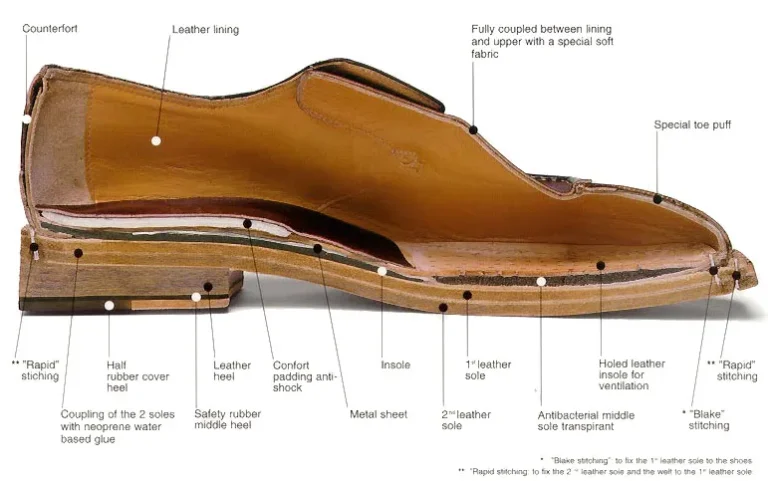
While we can describe what a shoe shank is and what it does, seeing is believing. Without visuals, it's hard to truly grasp its location and its relationship with the other parts of a shoe's sole. Imagine looking at a shoe from the side, the shank is tucked away, almost invisible.
But if you could see a cross-section, you'd notice this rigid layer sandwiched between the softer insole and the outer sole. This visual perspective is what makes understanding shoe construction so much easier.
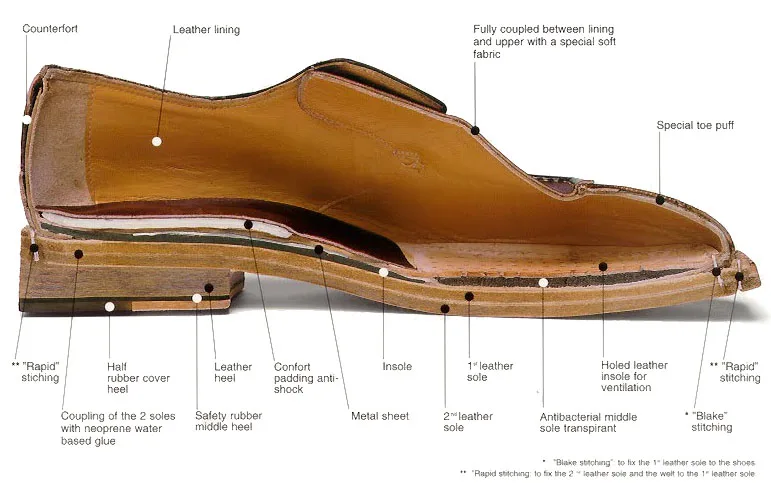
Image source: Bing (Web (fair-use with source credit))
It helps to see where the shank actually sits within the overall structure. You'd see it’s not just a flat piece but often shaped to conform to the arch. This visual understanding confirms its supportive function and how it works to maintain the shoe's intended shape, which is key for both comfort and longevity.
Decoding the Shank: Key Identifiers and What They Mean
Understanding the shoe shank means recognizing its essential characteristics and how they contribute to footwear performance. It's not just about the material; it's about how that material is integrated and what it achieves.
The Anatomy of Support: Where the Shank Sits
The shank is a hidden structural element, typically located in the middle of the shoe's sole. Think of the sole as having three main layers: the insole (what your foot rests on), the midsole (often where cushioning lives), and the outsole (the part that touches the ground). The shank is usually embedded within the midsole or between the insole and midsole.
Its position is critical for providing arch support.
It's usually positioned directly under the wearer's arch area. This placement means it's perfectly situated to prevent the sole from collapsing or over-flexing when you step. If you were to look at a shoe's sole construction diagram, you’d see the shank acting as a stiff spine along this crucial zone.
Material Matters: Steel, Fiber, Plastic, and Leather Shanks
The type of material used for a shoe shank significantly impacts its performance and the shoe's overall feel. Different materials offer varying degrees of stiffness, flexibility, weight, and durability.
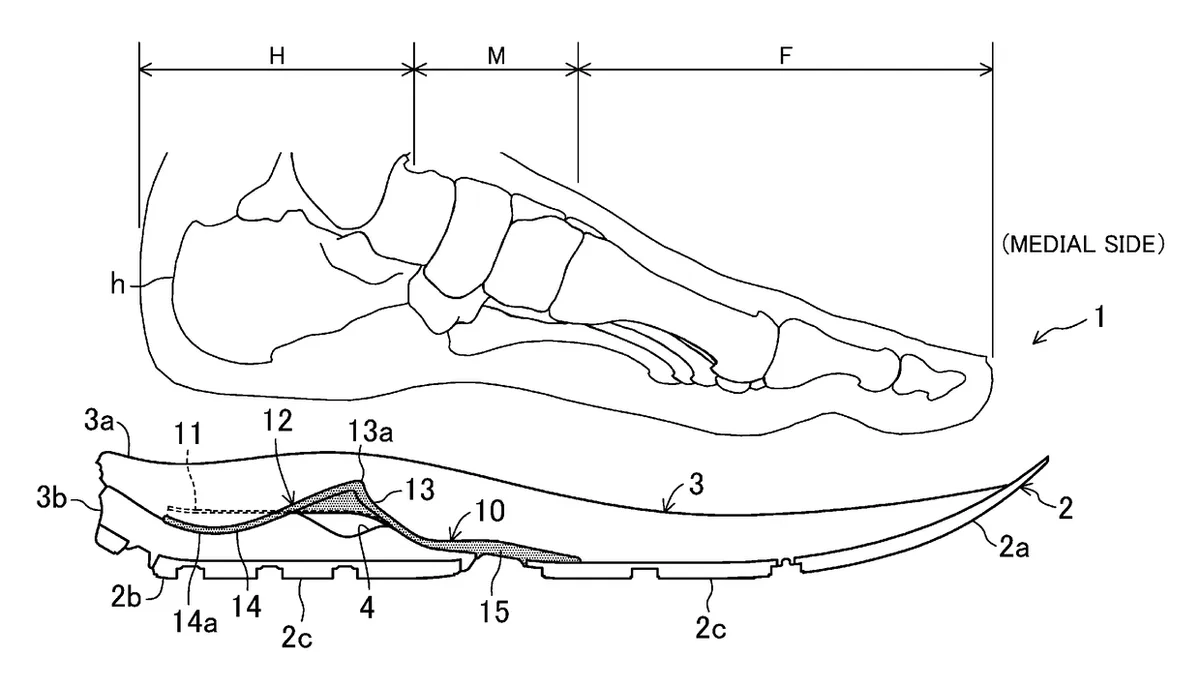
Image source: Bing (Web (fair-use with source credit))
Here's a quick rundown of common shank materials:
- Steel: This is one of the strongest and most durable shank materials. It provides excellent rigidity and support, often found in heavy-duty work boots for maximum stability and protection. Steel shanks can be very stiff, which is great for support but might feel less flexible for casual wear.
- Fiberglass: A strong alternative to steel, fiberglass offers good support and is lighter in weight. It’s often used in hiking boots and other performance footwear where a balance of strength and reduced weight is desirable.
- Plastic/Composite: Many athletic and casual shoes use shanks made from durable plastics or composite materials. These can be molded into specific shapes for targeted support and are generally lightweight. They offer a good compromise between flexibility and rigidity.
- Leather: In some traditional or higher-end dress shoes, you might find shanks made from stacked leather. While less rigid than metal or composite options, leather shanks offer a more natural flex and can mold to the wearer's foot over time.
Shank's Job: How It Supports Your Foot
The primary function of a shoe shank is to enhance your walking experience by providing critical support and maintaining the shoe's structural integrity. It’s a fundamental element of good footwear design that directly impacts comfort and foot health.
Arch Support: The Shank's Main Mission
The most significant role of a shoe shank is to provide robust arch support. Your foot's arch is a natural shock absorber and spring, but it needs a stable foundation to function optimally. Without an adequate shank, the sole of the shoe might bend too much under your arch, leading to strain and discomfort.

Image source: Bing (Web (fair-use with source credit))
A properly designed shank reinforces this area, distributing pressure more evenly and reducing the load on the arch muscles and ligaments. This is particularly important for people who are on their feet for long periods, as it helps to prevent fatigue and can contribute to better foot posture. For those looking for specific support, understanding the nuances of stability and neutral running shoes can also shed light on how different shoe designs cater to foot mechanics.
Stability and Structure: Beyond the Arch
Beyond just supporting the arch, the shank contributes to the overall stability and structure of the shoe. It acts as a rigid backbone, preventing the shoe from twisting or deforming excessively, especially on uneven terrain. This inherent stiffness helps maintain the shoe's intended shape, which is crucial for preventing injuries and ensuring a consistent stride.
Think about walking on a rocky trail. A shoe with a strong shank will offer a more secure platform, reducing the feeling of your foot rolling or wobbling. This improved stability translates to greater confidence and less strain on your ankles and feet.
It also plays a part in the longevity of the shoe, helping the sole maintain its form over time.
Shanks in Action: Different Shoes, Different Needs
The specific design and material of a shoe shank are tailored to the intended use of the footwear. What works for a dress shoe might be entirely unsuitable for a rugged hiking boot. Manufacturers consider the demands placed on the shoe to ensure the shank provides the right balance of support, flexibility, and durability.
Dress Shoes vs. Hiking Boots: A Shank Showdown
In dress shoes, the emphasis is often on maintaining a sleek profile and providing support for a more formal gait. Shanks in these shoes are typically made from steel or stiff leather, offering a good amount of rigidity without being overly bulky. This helps keep the shoe looking sharp and provides underfoot stability for walking on hard surfaces like pavement or office floors.
Hiking boots, on the other hand, require maximum support and protection for challenging environments. Their shanks are usually more substantial, often made of thick steel or composite materials, and can extend further along the sole. This robust construction is designed to handle rough terrain, distribute the weight of a backpack, and protect the foot from sharp objects on the ground.
The level of support needed here goes beyond just arch comfort; it's about preventing fatigue and injury on long treks.
Athletic Shoes: Flexibility Meets Support
Athletic shoes, especially running shoes, present a unique challenge. While arch support and stability are still important, excessive stiffness can hinder the natural flex of the foot during high-impact activities. For this reason, running shoes often feature shanks that are designed for a more dynamic performance.
Some running shoes might use flexible composite shanks, or even shanks with cut-outs, to allow for better foot articulation while still offering crucial arch support. The goal is to provide stability without sacrificing the responsiveness needed for running. The type of shank can also influence whether a shoe is considered a stability or neutral running shoe, impacting how it guides the foot's motion.
Understanding what are cushioning in running shoes also helps explain how different components work together for comfort and performance.
Common Shank Mistakes and What to Watch For
While shanks are built to last, they can sometimes fail or cause issues if not properly integrated or if the shoe is subjected to extreme wear. Being aware of potential problems can help you identify issues with your footwear and understand when it might be time for a replacement or repair.
Signs of a Worn-Out or Broken Shank
A failing shank can manifest in several ways. One common sign is a noticeable increase in how much the shoe bends, especially under the arch. If your shoe feels "floppy" or you can easily twist it in half, the shank might be compromised.
Another indicator is a sharp, poking sensation from inside the shoe, particularly when stepping down. This can happen if the shank cracks or breaks and a sharp edge presses through the insole or midsole.
Aggregating feedback from repair shops and shoe enthusiasts suggests that while shanks are durable, prolonged stress from aggressive activities or manufacturing defects can lead to failure. The material itself plays a role; steel shanks might bend or snap, while composite ones can crack.
What Happens Without Proper Shank Support
When a shoe lacks adequate shank support, or if the shank is damaged, the consequences for your feet can be significant. Primarily, you'll experience a lack of arch support, which can lead to foot fatigue, heel pain, and even conditions like plantar fasciitis. The sole of the shoe may also start to collapse prematurely, altering the shoe's fit and performance.
The lack of structural integrity means your foot has to work harder to stabilize itself with every step. This can cause strain not only in your feet but also in your ankles, knees, and even hips over time. For example, wearing shoes without proper support for extended periods, like using casual shoes for long walks when they aren't designed for it, can lead to discomfort.
In such cases, understanding how to break in new shoes becomes less about comfort and more about ensuring the shoe's structure, including its shank, is appropriate for the intended activity.
Expert Tips for Shoe Shoppers
When you're buying new shoes, paying attention to the shank can significantly impact your comfort and the shoe's lifespan. It’s not always advertised, but it’s a key factor in how a shoe performs. Think about the primary use of the shoe.
If it's for walking or standing all day, look for shoes with a more substantial shank.
For athletic activities like running, flexibility is often more critical, so a less rigid or strategically designed shank might be better. You can often gauge the shank's stiffness by trying to bend the shoe. A good rule of thumb is that the shoe should bend at the ball of your foot, not in the middle of the arch.
This ensures proper support where you need it most.
Consider the materials used. Steel and composite shanks generally offer the most durability and support, which is excellent for work boots or serious hiking. If you're looking for a more flexible feel, leather or certain composite types might be preferable, but always ensure they still offer adequate arch reinforcement.
- Test the Flex: Try bending the shoe. It should bend easily at the ball of the foot, not in the arch.
- Consider Material: Steel and composites offer maximum support; leather and some plastics offer more flexibility.
- Match to Activity: Stiffer shanks for standing/walking, more flexible ones for running and agile sports.
Frequently Asked Questions About Shoe Shanks
Does Every Shoe Need a Shank?
No, not every shoe strictly requires a shank. Very casual shoes like flip-flops, some minimalist sneakers, or sandals might not have a shank because their design prioritizes extreme flexibility or a barefoot feel. However, most footwear intended for daily wear, athletic performance, or demanding conditions benefits greatly from a shank for support and structural integrity.
Can You Add a Shank to a Shoe?
In most cases, adding a shank to a shoe after it's manufactured isn't a practical or effective solution. Shanks are integrated into the sole during the construction process. While aftermarket insoles can offer arch support, they don't replace the structural function of a built-in shank.
Trying to insert one post-production would likely compromise the shoe's existing structure and comfort.
How Do I Know If My Shoe Has a Shank?
You can usually determine if a shoe has a shank through a simple flex test. Hold the shoe at both ends and try to bend it upwards. It should bend primarily at the ball of the foot area, where your toes meet the sole.
If the shoe bends easily in the middle, under the arch, it likely has a weak or no shank. You can also sometimes feel a distinct stiffness in the mid-sole if you press firmly on it.



One Comment