Can You Use Trail Running Shoes for Everyday Walking
So, you've got a pair of trail running shoes and you're wondering, "Can you use trail running shoes for everyday walking?" It's a fair question, especially since they look pretty rugged and comfortable. We've dug into the specs and user feedback to give you a clear picture.
Essentially, while you can wear trail running shoes for your daily strolls, they aren't always the ideal choice compared to shoes specifically designed for walking. They come with built-in features for rugged terrain that can actually be a drawback on smooth pavement, affecting comfort and durability.
Quick Answer: Yes, But It Depends on Your Needs
You can use trail running shoes for everyday walking, but it's not always the best option. They offer great grip and protection. However, their aggressive treads wear down fast on pavement, and their firmer soles may feel stiff or less comfortable for long walks.
Dedicated walking shoes provide better cushioning and flexibility for hard surfaces.
Trail Shoes vs. Walking Shoes: What's the Real Difference?
The main distinction between trail running shoes and everyday walking shoes boils down to their intended purpose and the features engineered to meet those demands. Trail shoes are built for the unpredictable nature of off-road terrain, while walking shoes are optimized for flatter, harder surfaces like sidewalks and roads. Understanding these differences helps you decide which type is best for your daily needs.
Features and Attributes of Trail Shoes
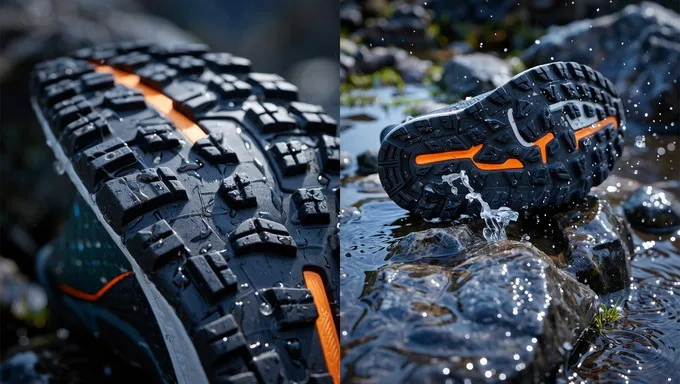
Trail running shoes are designed to tackle dirt, mud, rocks, and roots. This means they pack specific features for performance and protection in the wild.
- Aggressive Lugs: These are the deep, widely spaced tread patterns on the outsole. They dig into soft ground for superior grip, preventing slips on slippery inclines or descents.
- Durable Uppers: Made from tough, often synthetic materials, the uppers are built to resist tears and abrasions from branches, sharp rocks, and abrasive surfaces.
- Protective Elements: Many trail shoes include a rock plate, a rigid layer embedded in the midsole. This shields your feet from sharp objects underfoot, offering crucial protection on rocky trails.
- Firmer Cushioning: While still offering shock absorption, the cushioning in trail shoes tends to be firmer and more responsive. This provides stability on uneven ground and prevents your foot from sinking too much into soft surfaces.
- Water-Resistant Materials: Some models incorporate water-repellent coatings or membranes to help keep feet dry from splashes and shallow puddles.
Features and Attributes of Walking Shoes
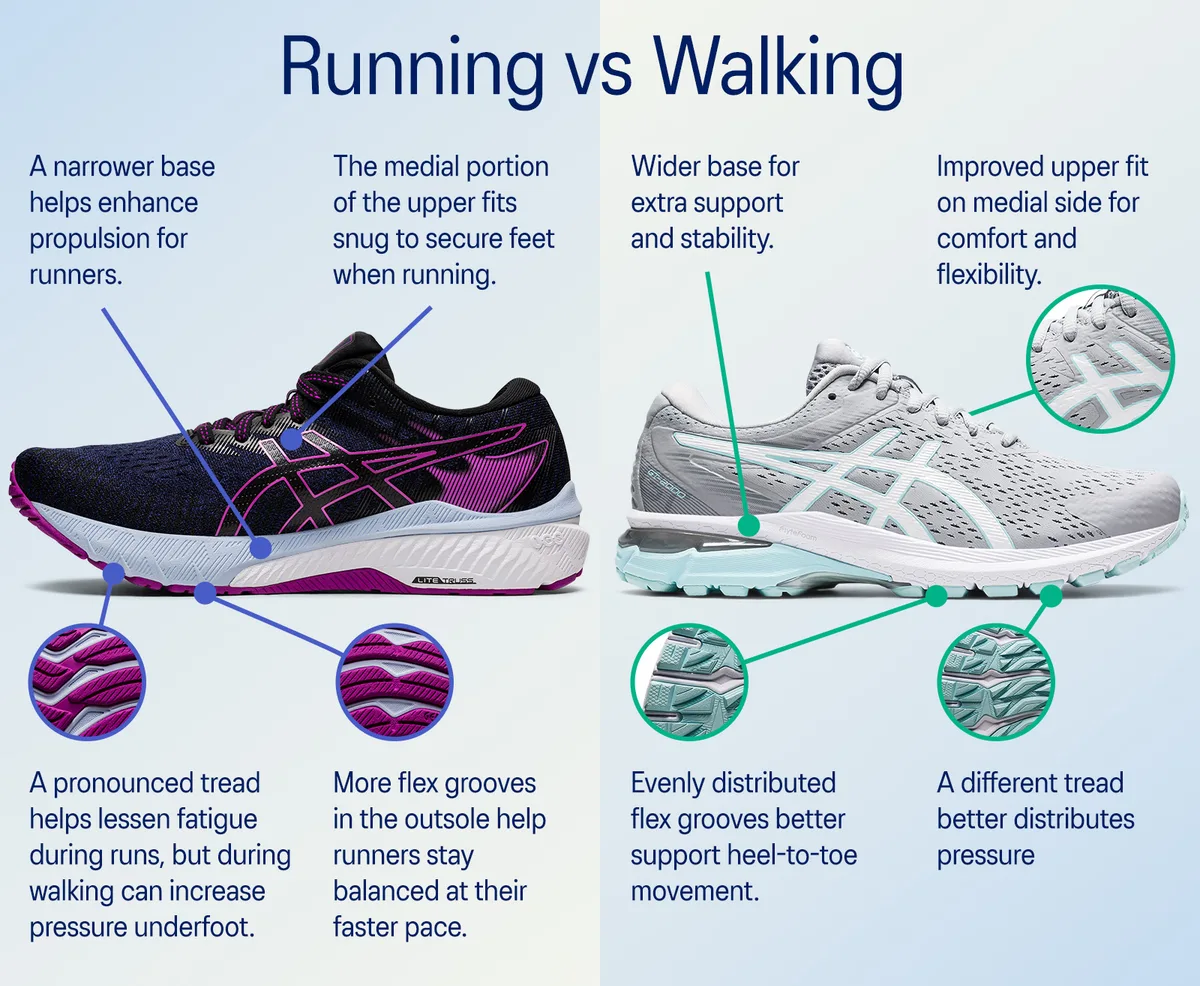
In contrast, walking shoes are crafted for comfort and efficiency on predictable, hard surfaces. Their design prioritizes shock absorption and a smooth stride.
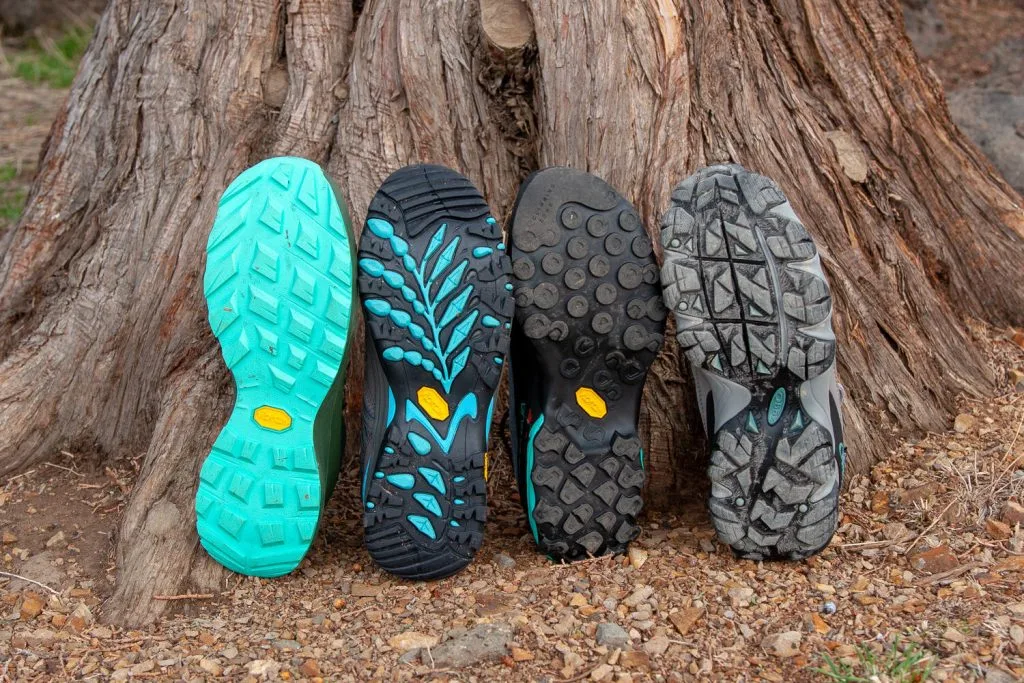
- Smoother Treads: The outsole typically has a less aggressive tread pattern, designed for optimal traction on pavement and concrete without digging into the surface.
- Flexible Uppers: Often made from mesh or softer synthetic materials, the uppers offer flexibility and breathability, allowing your feet to move naturally and stay cooler during long walks.
- Softer, More Responsive Cushioning: Walking shoes usually feature plush cushioning designed to absorb the repetitive impact of each step on hard surfaces, reducing fatigue.
- Enhanced Flexibility: They are engineered to bend easily with your foot's natural motion, supporting a comfortable walking gait.
When Using Trail Shoes for Walking Makes Sense
So, can you actually get away with using your trail running shoes for your daily errands or casual strolls? In certain situations, the answer is a definite yes. If your regular walking routes involve a bit more than just flat sidewalks, your trail shoes might actually be the perfect fit.
Benefits & Advantages of Trail Shoes for Walking
- Superior Traction: If your "everyday walking" includes paths through parks, gravel driveways, or even slightly muddy areas after rain, those aggressive lugs on trail shoes offer unmatched grip. You'll feel more secure and less likely to slip.
- Enhanced Durability: Trail shoes are built to withstand rough environments. This means they're generally more robust and can handle the abrasive nature of everyday use better than some lighter-duty walking shoes, potentially leading to a longer lifespan if used appropriately.
- Foot Protection: The inherent protective features, like rock plates and reinforced toe caps, can be beneficial. If you're worried about stepping on small, sharp objects or stubbing your toes on curbs, trail shoes offer an extra layer of defense.
- Comfort for Some: Some individuals find the firmer support and structured feel of trail shoes inherently comfortable. If your feet don't require the ultra-plush cushioning of a dedicated walking shoe, trail shoes might simply feel good for your shorter walks.
When Dedicated Walking Shoes Are a Better Choice
While trail shoes have their merits, using them for your everyday walking, especially on hard surfaces, can come with significant drawbacks. Their specialized design can actually work against you in a pavement-heavy environment, leading to discomfort and premature wear.
Problems & Pain Points of Trail Shoes on Pavement
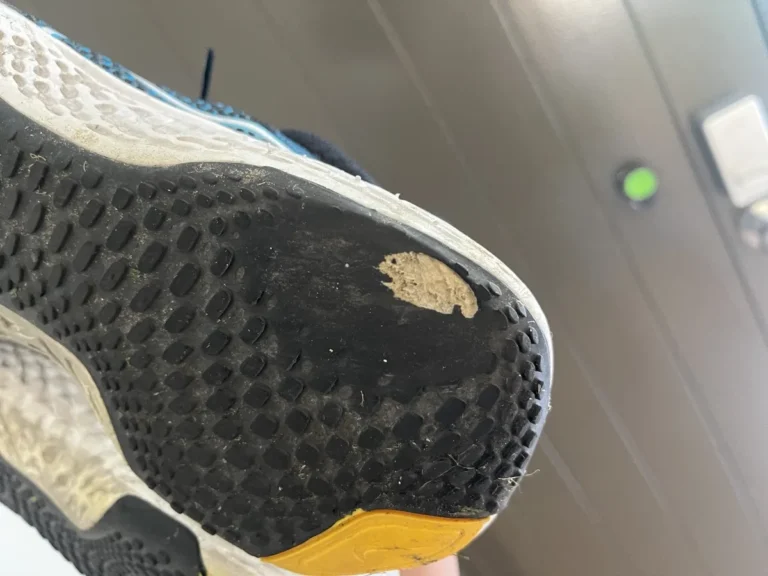
- Rapid Lug Wear: Those aggressive treads designed to grip dirt and mud will wear down significantly faster on pavement than they would on natural trails. This reduces their effectiveness and can make the shoes less grippy over time.
- Stiffness and Discomfort: The firmer sole and often stiffer construction, which are advantageous for stability on uneven trails, can feel rigid and unforgiving on hard, flat surfaces. This can lead to foot fatigue and discomfort during longer walks.
- Reduced Flexibility: Trail shoes are typically less flexible than walking shoes. This lack of give can feel restrictive with every step on a smooth surface, hindering the natural flexing motion of your foot as you walk.
- Potential for Overheating: Many trail shoes incorporate water-resistant materials or tighter weaves to protect against debris and moisture. This can sometimes reduce overall breathability, leading to warmer feet on longer or warmer walking days compared to more ventilated walking shoes.
Drawbacks of Trail Shoes for Walking
The core issue is that trail shoes are engineered for a specific environment, the trail. When you take them onto hard, consistent surfaces like pavement, their specialized features become less beneficial and can even create problems. The aggressive tread, while great for grip off-road, can feel clunky and wear down rapidly on concrete.
The firmer, more protective sole, ideal for guarding against rocks, might feel too stiff for the repetitive impact of everyday walking, potentially leading to foot fatigue. Moreover, the often less breathable materials used for durability can make your feet feel warmer than in a purpose-built walking shoe.
Comparing Trail Shoes and Walking Shoes Side-by-Side
To really nail down the decision, let's see how trail shoes and walking shoes stack up directly against each other for different scenarios. It’s less about one being universally "better" and more about which one is the right tool for the specific job you're asking it to do.
| Feature/Attribute | Trail Running Shoes | Walking Shoes |
|---|---|---|
| Primary Use | Off-road trails, uneven terrain | Pavement, sidewalks, hard surfaces |
| Outsole Tread | Aggressive, deep lugs for maximum grip | Smoother, patterned for pavement traction |
| Cushioning | Firmer, responsive for stability | Softer, plush for impact absorption |
| Flexibility | Generally less flexible, more rigid | More flexible, bends with foot's natural motion |
| Upper Material | Durable, abrasion-resistant, often water-repellent | Breathable, flexible mesh or soft synthetics |
| Protection | High (rock plates, reinforced toe caps) | Moderate |
| Durability (on trail) | High | Moderate (designed for less abrasive surfaces) |
| Durability (on pavement) | Lower due to rapid lug wear | High |
| Breathability | Variable, can be less breathable | Typically high |
| Weight | Can be slightly heavier | Often lighter |
Use Cases: Trail Shoes vs. Walking Shoes
Choosing between trail shoes and walking shoes really comes down to where you'll be spending most of your time.
- Best for Trail Shoes: If your "everyday walking" frequently involves actual trails, hiking paths, gravel, or slightly technical terrain, trail running shoes are your best bet. They provide the grip and protection needed to confidently navigate these surfaces. This includes dog walkers who often take park trails or commuters who sometimes cut through grassy areas.
- Best for Walking Shoes: For the vast majority of people whose daily movement primarily occurs on sidewalks, paved paths, or hard indoor floors, dedicated walking shoes are the superior choice. They offer the sustained comfort, optimal cushioning, and appropriate traction for these consistent surfaces, minimizing wear and maximizing foot well-being over time. This applies to most urban dwellers and those who incorporate daily fitness walks on paved routes.
Making the Right Choice for Your Feet
Ultimately, the decision between using trail running shoes for everyday walking versus opting for dedicated walking shoes hinges on your specific needs and walking habits. It’s about matching the footwear’s design to the demands you place on it. For the majority of daily walking activities, which primarily occur on predictable, hard surfaces like concrete sidewalks and asphalt roads, specialized walking shoes offer distinct advantages.
Their construction is optimized for comfort and efficiency in these environments.
If your walks are predominantly on pavement, you'll likely find that dedicated walking shoes provide better shock absorption, reducing foot fatigue over longer distances. Their flexibility supports a natural gait, and their less aggressive treads are designed for durability on these surfaces. As of 2026, manufacturer specifications for most walking shoes highlight enhanced cushioning systems and breathable uppers, features that are less prioritized in trail shoes.
Therefore, for consistent, pavement-based walking, investing in a pair designed for that purpose makes practical sense.
Frequently Asked Questions: Your Trail Shoe Walking Questions Answered
Can trail running shoes damage my feet if I use them for walking?
While unlikely to cause serious injury for casual, short walks, prolonged use of trail running shoes for everyday walking on hard surfaces could lead to discomfort. The firmer soles might not provide enough shock absorption, potentially causing foot fatigue or exacerbating existing conditions like plantar fasciitis over time.
How quickly will trail running shoes wear out if I walk on pavement with them?
You can expect the aggressive lugs on trail running shoes to wear down significantly faster on pavement than they would on natural trails. While it's difficult to give an exact number, you might see noticeable wear in as little as a few hundred miles of consistent pavement walking, compared to potentially double that on trails, depending on the specific rubber compound and your walking style.
Are trail running shoes too stiff for walking?
Yes, many trail running shoes are designed to be stiffer than walking shoes to provide stability on uneven terrain. This added stiffness can make them feel less flexible and more cumbersome for the natural, repetitive flexing motion of walking on flat, hard surfaces.
Should I buy separate shoes for walking if I already have trail runners?
If your walking is primarily on pavement and you plan to walk frequently or for longer distances, purchasing a pair of dedicated walking shoes is highly recommended. They offer better comfort, support, and durability for that specific activity, preserving your trail shoes for their intended purpose.
Can I wear trail running shoes for short, casual walks around the neighborhood?
For very short, occasional walks on pavement or mixed surfaces, trail running shoes are generally fine. You'll likely experience the benefits of their grip and protection, and the stiffness may not be an issue over brief distances. However, they are not ideal for extended or frequent pavement walking.



3 Comments