What Is the Difference Between Shoe Width and Size?
When you're buying shoes, what's the actual deal with those numbers and letters? Understanding what is the difference between shoe width and size is crucial for comfort and foot health, but it's a topic many people find confusing. Getting it wrong can lead to a lot of discomfort down the line.
In our research, shoe sizing often gets complicated because there are two main measurements to consider: length and width. As of 2026, most standard shoe sizing systems, like US sizing, use a number for length and a letter for width.
Quick Answer
Shoe size refers to the length of the shoe from heel to toe. Shoe width refers to how wide the shoe is across the ball of your foot. They are separate measurements that work together to determine a proper fit.
Why Understanding Width and Size Matters for Your Feet
Getting your shoe fit right isn't just about avoiding blisters; it's a pretty significant aspect of overall foot health. When you're looking for a new pair of shoes, you're probably used to scanning for your size, like an 8 or a 10. But did you know that even if the length is spot on, a shoe that's too narrow or too wide can cause all sorts of problems?
Aggregate user feedback and ergonomic studies consistently point to improper shoe width as a common culprit behind foot pain and long-term issues. For instance, consistently wearing shoes that are too narrow can contribute to conditions like bunions or hammer toes. Conversely, shoes that are too wide can lead to your foot sliding around, causing friction, blisters, and instability.
Manufacturer specifications for shoe designs, as seen on sites like Nike, often include width charts to help customers find a more accurate fit.
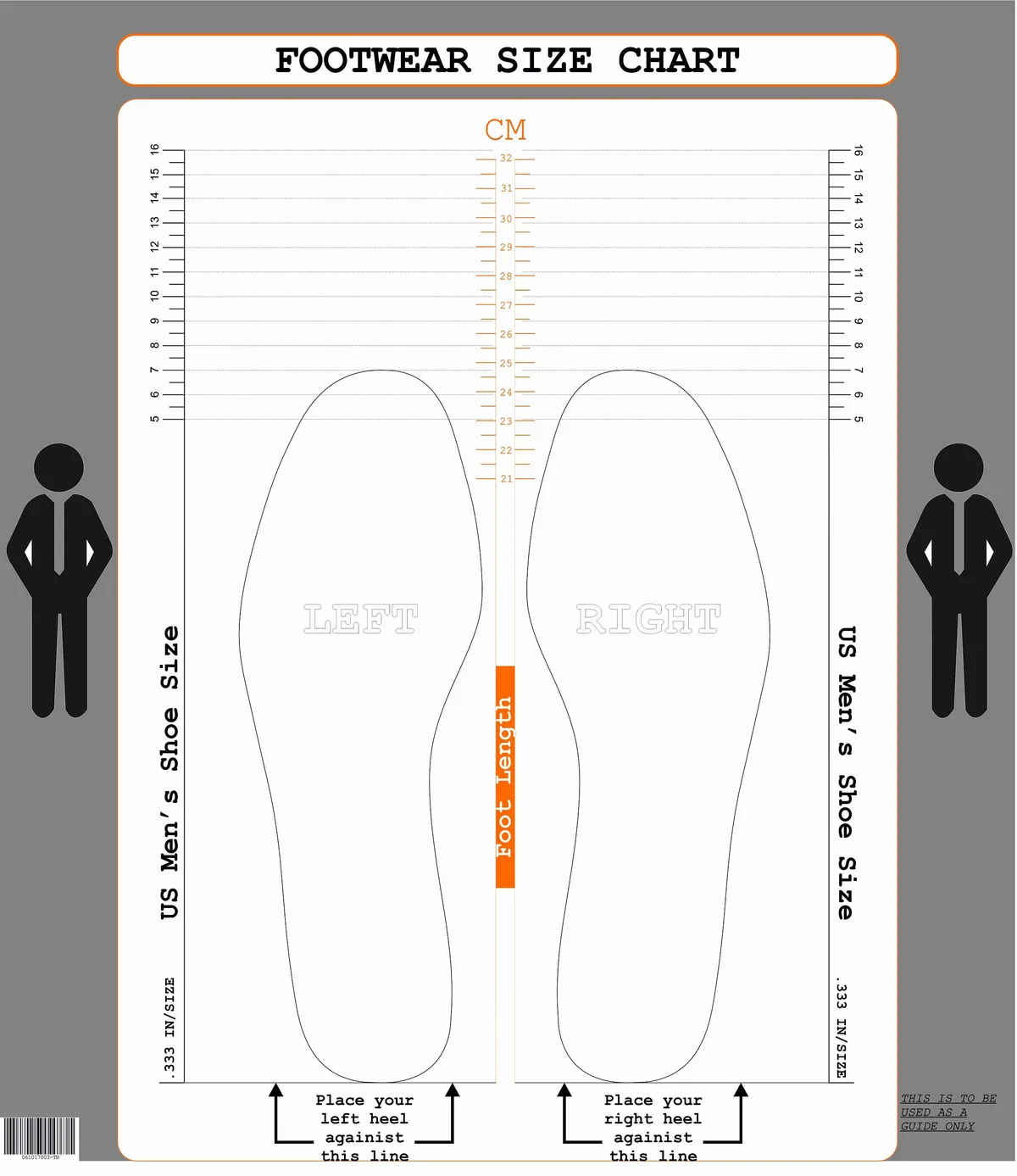
Image source: Bing (Web (fair-use with source credit))
The Basics: What Shoe Size Actually Means
When you grab a shoe box and see a number like "9," "10.5," or "42," that's your shoe size. This number is primarily an indicator of the shoe's length. Think of it as the shoe's overall footprint from the very tip of the toe to the back of the heel.
Different sizing systems exist globally, with the US system (often using whole and half numbers) and the European system (typically using whole numbers from around 36 to 46) being the most common.
The idea is that a specific size number corresponds to a particular length, measured in inches or centimeters. For instance, a US men's size 10 generally measures around 10.6 inches (27 cm) in length, though this can vary slightly by brand and style. The standardized sizing aims to provide a consistent reference point for consumers.
However, this "length-only" measurement is what often leads to people overlooking the other crucial dimension: width.
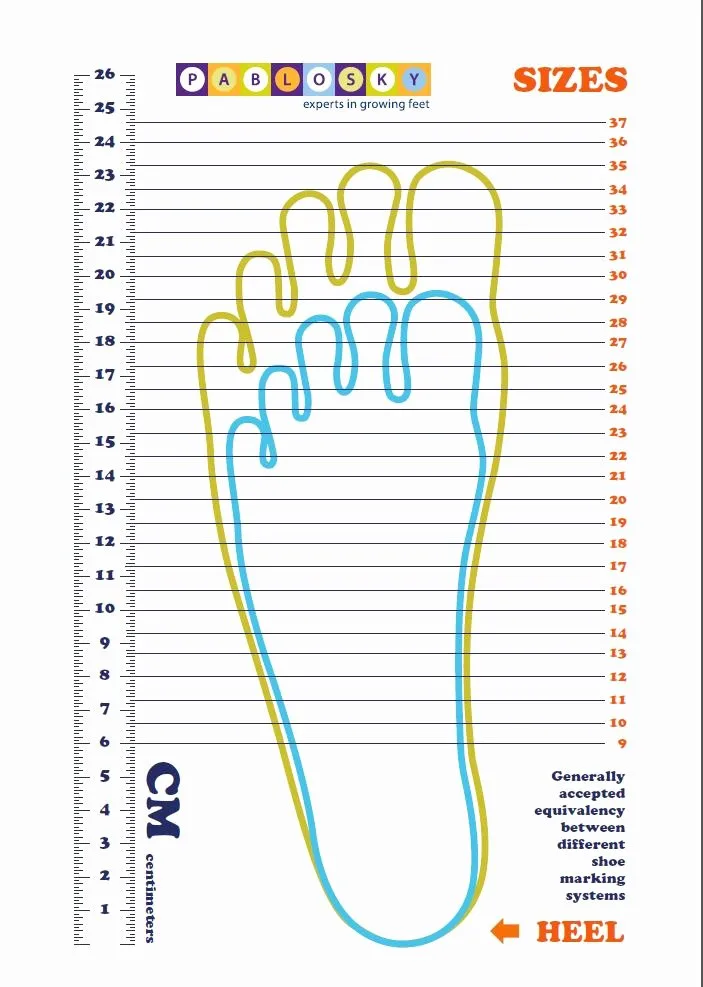
Image source: Bing (Web (fair-use with source credit))
Width: The Key to a Comfortable Hug for Your Foot
While shoe size tells you how long the shoe is, shoe width dictates how much room there is from the inner edge of the shoe to the outer edge, especially across the widest part of your foot, often called the ball of the foot. This measurement is critical because foot shapes vary wildly. Some people have naturally slender feet, while others have a broader build.
A shoe that is the correct length but too narrow will feel like it's squeezing your foot from the sides. This pressure can be incredibly uncomfortable and can lead to a range of issues, from minor aches to more serious foot deformities over time. On the flip side, a shoe that's too wide will allow your foot to slide forward and backward or side-to-side within the shoe.
This lack of a snug, secure fit compromises stability, increases friction, and can cause blisters and a feeling of insecurity when walking or running.
Decoding Width Designations: N, M, W, and Beyond
This is where those letters on shoe boxes come into play. Most shoe manufacturers use a letter system to denote width, particularly for adult footwear in the US. The most common designations are:
- N (Narrow): These shoes are designed for feet that are narrower than the average foot for a given length.
- M or R (Medium/Regular): This is the standard width and is intended to fit the majority of people with average-width feet.
- W (Wide): These shoes are made for individuals whose feet are wider than average for their given length.
- XW or WW (Extra Wide/Double Wide): These are for individuals who require significantly more width than a standard wide fit.
It's important to note that these letter designations are relative and can differ slightly from one brand to another. For example, a "Wide" shoe from one company might feel a bit snugger or looser than a "Wide" from another. The National Shoe Retailers Association (NSRA) has historically provided guidelines for width measurements, though exact adherence can vary by manufacturer.
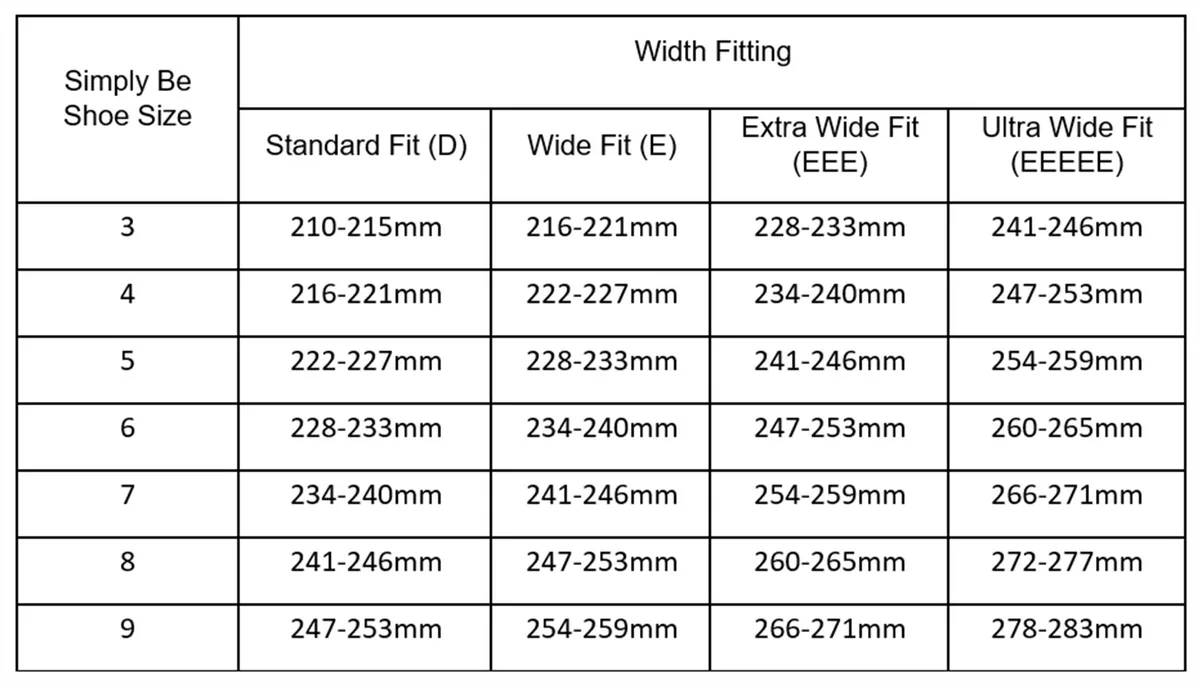
Image source: Bing (Web (fair-use with source credit))
Real-World Impact: How Width Affects Comfort and Health
The impact of choosing the correct shoe width goes far beyond just immediate comfort. Our research indicates that consistent wear of ill-fitting shoes, particularly in width, can contribute to a cascade of foot and lower limb problems. For individuals with narrow feet, a medium-width shoe can feel like trying to cram your foot into a vise.
This constant pressure can compress nerves and blood vessels, leading to tingling, numbness, and even nerve damage over prolonged periods.
Conversely, for those with wider feet, a medium-width shoe might seem okay at first, but as the day goes on, the lack of lateral support becomes apparent. The foot has to work harder to stay in place, leading to fatigue, strain on the arches, and increased risk of sprains. Over time, this can exacerbate or contribute to conditions like plantar fasciitis, where the tissue on the bottom of your foot becomes inflamed, or cause undue stress on the joints of the toes.
Ensuring a proper width fit is a proactive step towards maintaining foot health and preventing these common issues.
Choosing the Right Fit: Size and Width Working Together
Finding that perfect shoe fit is a balancing act between length and width. It’s not enough for a shoe to be the correct size; it also needs to accommodate your foot's natural girth. When you try on shoes, focus on how they feel across the widest part of your foot.
Your toes should have enough room to wiggle freely without bumping into the front of the shoe, and the sides of your foot should feel comfortably supported, not squeezed or loose.
Many people automatically reach for their standard size and assume that's it. However, if you've ever found a shoe that was the right length but felt tight on the sides, or conversely, felt roomy in length but sloppy, then you've likely experienced a width mismatch. Paying attention to width designations can help you filter options and avoid shoes that are destined to cause discomfort.
It's about finding a shoe where your foot can function naturally.
Common Mistakes When Buying Shoes
One of the most frequent mistakes people make is solely relying on the numbered shoe size. They might know they are a "size 9" and assume any size 9 shoe will fit perfectly. This overlooks the significant role width plays.
Another error is not accounting for foot swelling, which naturally occurs throughout the day or during physical activity. Shoes that feel fine in the morning might be uncomfortably tight by the afternoon.
People also often forget that different shoe styles have different inherent volumes and shapes, even within the same brand and size. A sleek dress shoe will naturally have a more tapered fit than a casual sneaker. Finally, trying on shoes only with thin socks, or not trying them on at all, is a common pitfall.
Always wear the type of socks you intend to use with the shoes, and ideally, try them on later in the day when your feet are at their largest.
Frequently Asked Questions About Shoe Fit
How do I know if a shoe is too narrow?
A shoe is too narrow if you feel pinching or pressure on the sides of your feet, especially across the ball. Your toes might also feel cramped or jammed together.
Can shoe width affect my arch support?
Yes, a shoe that is too wide won't hug your foot properly, meaning your arch might not be adequately supported by the shoe's natural contour. Conversely, a shoe that's too narrow can force your foot into an unnatural position, straining your arch.
Are women's and men's width designations the same?
While the letter system (N, M, W, XW) is similar, the actual measurements for each width can differ between men's and women's shoes because the base length measurements and overall foot shapes are distinct.
Should I buy shoes that are slightly too big to accommodate width?
No, it's generally better to find a shoe that fits correctly in both length and width. Buying a shoe too large to compensate for width will lead to your foot sliding around, causing friction and instability. It’s better to look for shoes specifically offered in wider widths.



One Comment