How to Choose Soccer Cleats
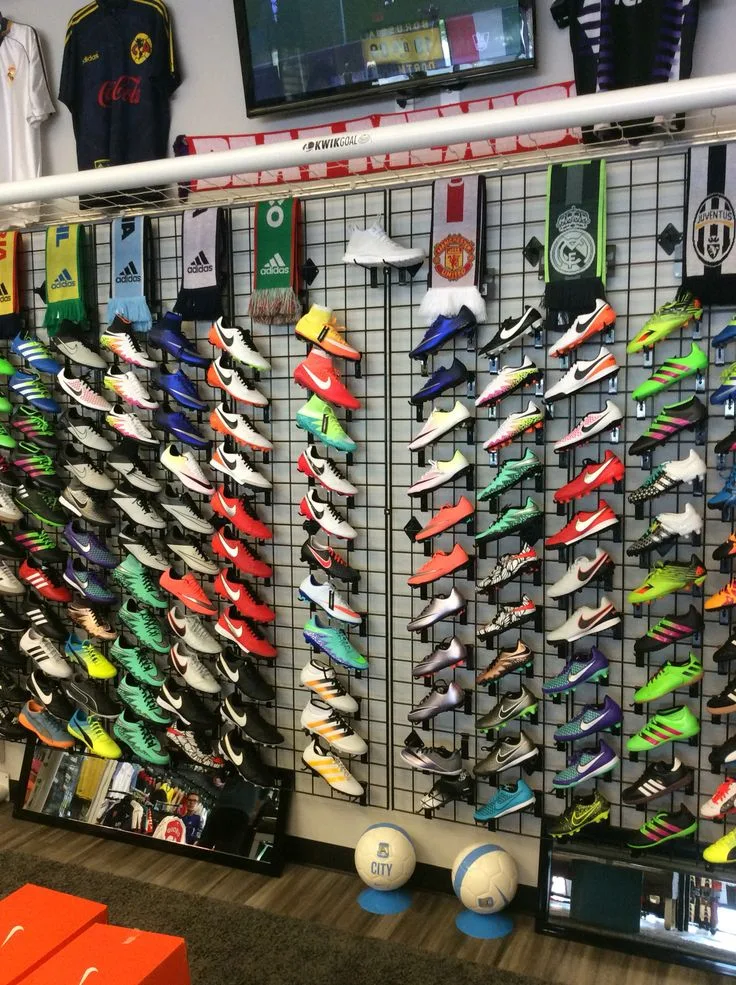
Image source: Bing (Web (fair-use with source credit))
Choosing soccer cleats isn't just about finding a pair that looks good; it's about suiting up with the right gear to perform your best and stay safe on the pitch. The wrong choice can lead to slips, foot pain, or even injuries that sideline you for the season. Understanding the different types of cleats and what they're designed for is key to making that winning decision.
This guide breaks down everything you need to know, from cleat stud configurations for various surfaces to the best materials for your playing style. For instance, firm ground (FG) cleats are typically designed with a specific number and shape of studs, often around 11-13, to provide optimal traction on natural grass fields. We'll cover the nuances so you can step onto the field with confidence.
Quick Answer
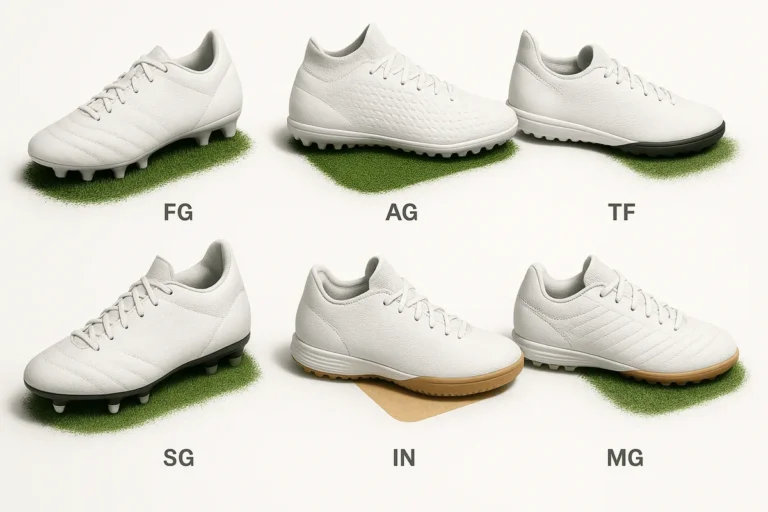
To choose soccer cleats, match the cleat stud type (FG, SG, AG, MG, TF, IC) to your playing surface. Consider the upper material for comfort and ball feel, and ensure a snug, supportive fit. Your playing position also influences cleat choice for better performance and injury prevention.
Understanding the Pitch: Cleat Types for Every Surface
The type of soccer cleat you wear is dictated primarily by the playing surface. Think of it like wearing the right shoes for hiking versus running on a track. Using the wrong cleat type can significantly impact your stability, traction, and even lead to damage to both the field and your footwear.
We've got manufacturers that clearly outline these differences in their product specifications.
Firm Ground (FG) Cleats: The All-Rounder
Firm ground cleats are the most common type and are designed for natural grass fields that are neither overly wet nor bone dry. Their stud pattern, typically a mix of bladed and conical studs, offers good traction and stability without digging too deep. Manufacturer specifications often highlight that FG cleats are best for conditions where the ground offers moderate resistance.
These are your go-to for most weekend league games and practices on well-maintained pitches.
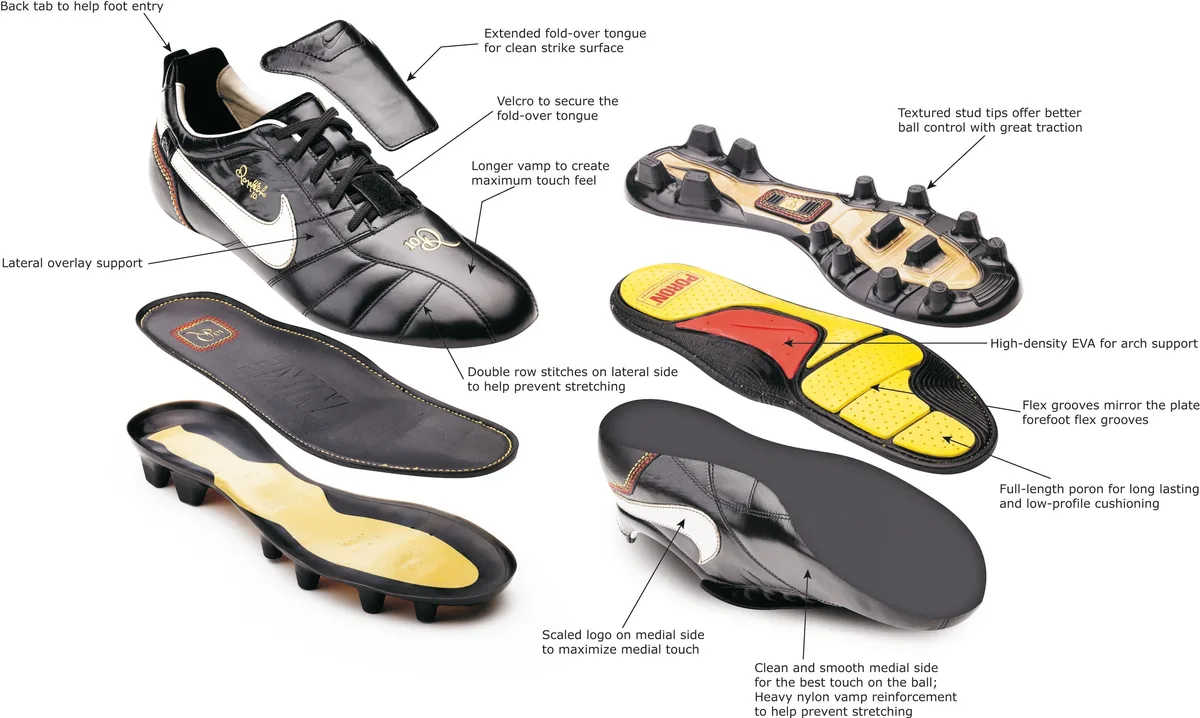
Image source: Bing (Web (fair-use with source credit))
Soft Ground (SG) Cleats: For the Wet and Muddy
When the pitch is waterlogged or muddy, soft ground cleats are your best bet. These feature longer, often metal, screw-in studs that can be interchanged. Their design allows them to penetrate the soft surface for maximum grip, preventing you from slipping and sliding.
Aggregate reviews report that SG cleats are crucial for maintaining balance and power transfer in extremely wet conditions, but they can be harsh on firmer surfaces. Using SG cleats on dry ground can lead to over-digging and potential injury.
Artificial Grass (AG) Cleats: Built for Synthetic Fields
Artificial grass fields present unique challenges. AG cleats have a higher number of shorter, rubberized studs that are designed to grip the synthetic fibers without becoming embedded too deeply. This stud pattern helps distribute pressure evenly, reducing stress on your knees and ankles.
Per FIFA testing standards, AG cleats offer superior traction and durability on synthetic turf compared to FG cleats, which can get stuck or cause excessive wear.
Multi-Ground (MG) Cleats: The Versatile Option
If you play on a variety of surfaces, including both natural grass and artificial turf, Multi-Ground (MG) cleats offer a compromise. These cleats typically feature a blend of shorter, conical studs and some bladed ones, aiming to provide adequate traction across different conditions. While they’re a convenient choice for players who don’t have a dedicated pitch, they might not offer the peak performance of specialized FG or AG cleats for extreme conditions.
They're a solid choice for players who find themselves on frequently changing field types.
Turf (TF) Cleats: For Shorter Grass and Harder Surfaces
Turf, or TF, cleats are characterized by a sole covered in numerous small rubber nubs. They are ideal for harder surfaces like packed dirt, very short artificial grass, or older, worn-out natural turf fields where traditional studs might be too aggressive or ineffective. These cleats offer good cushioning and grip without digging into the ground.
Manufacturer specifications often point out their suitability for training on varied, less-than-ideal surfaces.
Finding Your Fit: Comfort, Control, and Confidence
Once you've narrowed down the cleat type based on the pitch, the next critical step is focusing on the shoe itself. This is where personal preference and the physical attributes of the cleat come into play, directly impacting how you feel and perform. A properly fitting cleat not only enhances your game but also helps prevent common foot ailments and injuries.
Remember, the goal is a secure, comfortable feel that allows for agile movement.
Upper Materials: Leather, Synthetic, and Knit
The material of the cleat's upper is a major factor in its feel, durability, and how it interacts with the ball.
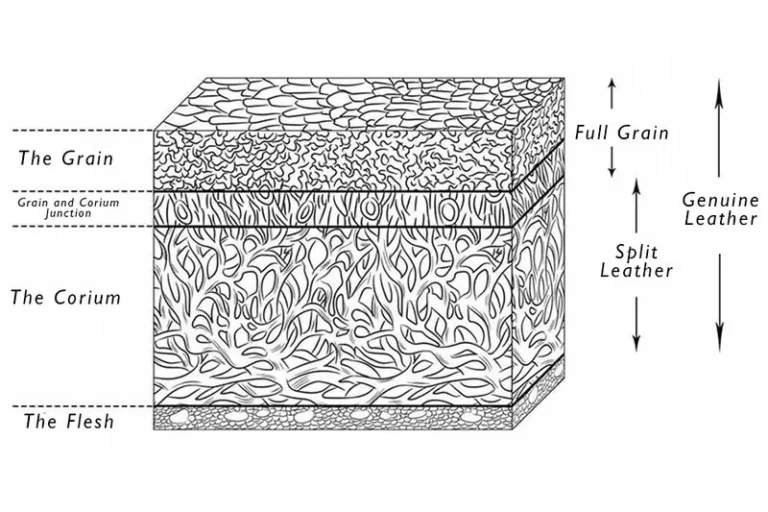
- Leather: Often seen as a premium option, leather uppers (like kangaroo or calfskin) offer excellent touch and conform to your foot over time, providing a custom fit. They can be more durable but may absorb water and become heavier in wet conditions.
- Synthetic: Synthetic leather and plastics are common, offering a lighter weight, water-resistance, and consistent performance. They break in faster than natural leather but might not offer the same personalized comfort.
- Knit: Newer to the market, knit uppers provide a sock-like fit that's incredibly breathable and flexible. They offer great ball control and a modern aesthetic, though durability can vary between brands.
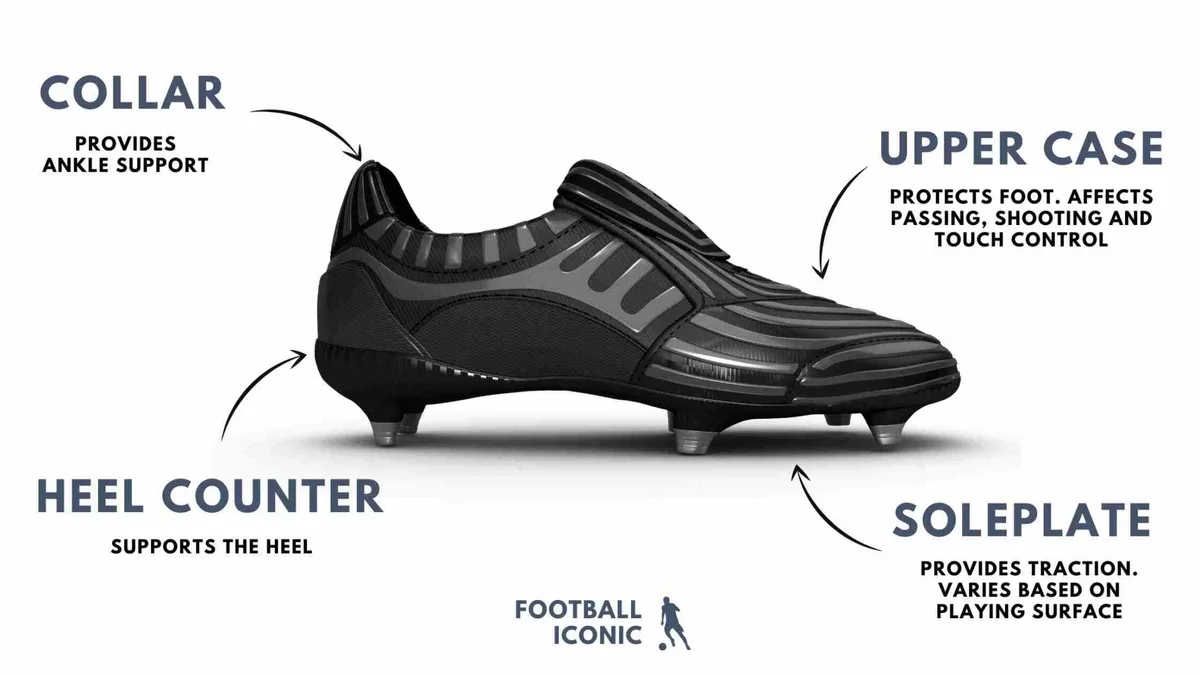
Image source: Bing (Web (fair-use with source credit))
Soleplate Design: Traction and Responsiveness
The soleplate is the foundation of the cleat, connecting the upper to the studs. Its rigidity and design significantly affect how power is transferred from your foot to the ground and how responsive the shoe feels.
- Flexibility: A more flexible soleplate can allow for greater natural foot movement, which is beneficial for players who rely on quick changes of direction.
- Rigidity: A stiffer soleplate often provides better energy return, especially during sprints, as it doesn't flex as much and helps propel you forward.
- Stud Placement: The arrangement and type of studs on the soleplate are critical for traction. Manufacturers often use specific patterns to optimize grip for different movements, like straight-line acceleration or lateral cuts.
Cleat Stud Shapes and Configurations
The actual studs, or cleats, are what grip the playing surface. Their shape, material, and configuration vary widely.
- Conical Studs: These are typically round and help with rotational agility, allowing you to pivot easily.
- Bladed Studs: These are flatter and longer, providing greater traction for straight-line speed and stability.
- Mixed Studs: Many FG and MG cleats use a combination of conical and bladed studs to offer a balance of grip and maneuverability.
- Metal vs. Plastic: Screw-in studs are usually metal and found on SG cleats for deep penetration. Molded studs, common on FG and AG, are typically plastic or rubber.
Position Play: Matching Cleats to Your Role
Your specific role on the field can influence the type of cleat that best supports your game. While general-purpose cleats work for many, understanding position-specific needs can give you a subtle edge. For example, certain cleats are designed with features that cater to the demands of rapid acceleration, precise ball control, or strong defensive stability.
Forwards and Wingers: Speed and Agility
Players who rely on explosive speed and quick directional changes often benefit from lightweight cleats. These shoes minimize drag and allow for rapid acceleration and sharp turns. Look for cleats with a streamlined design, often featuring a bladed stud pattern at the forefoot for maximum traction during sprints and cuts.
A snug fit is paramount to ensure no energy is lost through foot slippage inside the shoe. This focus on lightness is a key differentiator for speed-oriented footwear, much like how lightweight running shoes differ from stability models.
Midfielders: Versatility and Control
Midfielders are the engine room, needing to cover ground, pass accurately, and tackle effectively. Their cleats should offer a blend of comfort for extended play, good ball control, and reliable traction for all-around movement. Uppers that provide excellent ball feel, like those made from supple leather or a well-designed synthetic, are beneficial.
A versatile stud pattern, often found on firm ground or multi-ground models, is ideal for adapting to various pitch conditions encountered during a match.
Defenders: Stability and Power
Defenders require cleats that provide a stable base for tackling, blocking shots, and making powerful clearances. Cleats with a stiffer soleplate and a robust upper can offer this support. A stud pattern that ensures solid footing, especially during lateral movements and when holding ground, is crucial.
Some defenders might also prefer a slightly higher cut collar for added ankle support. This need for stability is somewhat akin to stability running shoes, which are built to guide the foot.
Goalkeepers: Grip and Quick Movements
While goalkeepers don't usually chase the ball downfield, they need specialized footwear for quick changes of direction in their box, powerful goal kicks, and secure footing. Cleats with enhanced grip, often through a more aggressive stud pattern or specialized soleplate, can be advantageous. Some models designed for keepers offer extra padding or support for landing after jumps.
The emphasis here is on immediate traction and lateral stability.
Common Cleat Pitfalls to Sidestep
Even with the best intentions, choosing soccer cleats can lead to some common mistakes that impact performance and comfort. Being aware of these pitfalls can save you from frustration and potential injury down the line. Many of these errors stem from prioritizing aesthetics or brand over function, or simply not understanding the basics of cleat design.
The Wrong Studs for the Surface
This is probably the most common and impactful mistake. Wearing firm ground (FG) cleats on wet, soft ground can lead to you constantly slipping. Conversely, wearing soft ground (SG) cleats on a dry, hard pitch can cause them to dig in too much, leading to discomfort and even twisting injuries.
Always verify the playing surface and match it to the recommended cleat type. For instance, if you only play on artificial turf, investing in specific artificial grass (AG) cleats offers superior performance and durability compared to FG models.
Ignoring Fit for Brand Name
It's easy to be swayed by a big brand or a celebrity endorsement. However, even the most expensive cleats from a top brand won't perform well if they don't fit your foot properly. Many players overlook the importance of trying cleats on and checking for the right fit, focusing instead on the look or perceived status.
A cleat that's too tight, too loose, or rubs in the wrong places will inevitably cause blisters and pain, hindering your ability to play. Your foot shape is unique, and what works for a pro might not work for you.
Not Breaking Them In Properly
Many players expect cleats to feel perfect right out of the box. While modern cleats are often more comfortable than older generations, they still benefit from a break-in period. Trying to play an entire match in brand-new, stiff cleats can lead to blisters, hot spots, and general discomfort.
It's wise to wear them for short training sessions or casual wear first to allow the materials to soften and mold to your foot. Much like breaking in new shoes, this gradual process is key to long-term comfort.
Expert Tips for Your Next Cleat Purchase
Making an informed decision about soccer cleats means going beyond just what you see on the shelf. Drawing on insights from players, coaches, and manufacturer specifications, we can offer some practical advice to help you find that perfect pair. These tips are designed to help you evaluate your options critically and avoid common buyer's remorse.
Trying Them On: What to Look For
When you're in the store, don't rush the process. Here’s what to pay attention to:
- The Fit: Your toes should be about a thumb's width from the end of the cleat. The heel should feel secure, with no excessive slipping when you walk or pivot.
- Width: Many cleats come in standard widths, but some brands offer wider options. If a cleat feels too tight across the ball of your foot, it's likely too narrow. Our research indicates that shoe width vs. size is a critical but often overlooked factor in comfort.
- Comfort: Walk around, do a few gentle movements like high knees or small jumps. Do you feel any pinching, rubbing, or pressure points? If so, these aren't the cleats for you.
- Surface Test (if possible): Some stores allow you to test cleats on a small turf area. This is invaluable for feeling how the studs grip.
Budgeting for Performance and Durability
Soccer cleats span a wide price range, from entry-level options to high-performance professional models. Generally, more expensive cleats incorporate lighter, more advanced materials and construction techniques that can enhance performance and durability. However, a higher price tag doesn't automatically guarantee a better fit or more suitable features for your needs.
Consider your playing frequency and level:
- Casual/Beginner: Entry-level cleats ($50-$100) offer basic functionality and durability for occasional play.
- Regular Player: Mid-range cleats ($100-$175) often use better synthetic materials and offer more refined stud designs.
- Serious/Advanced Player: High-end cleats ($175+) feature premium materials, advanced technology for weight reduction and ball control, and are often worn by professionals.
Aggregate reviews suggest that investing in a mid-range cleat often provides the best balance of performance, durability, and cost for most amateur players as of 2026.
Maintaining Your Cleats: Longevity on the Field
How you care for your soccer cleats after a game directly impacts their lifespan and performance. Ignoring this crucial step means you'll be back in the market for new ones sooner than necessary. Proper maintenance helps preserve the materials, the studs, and the overall integrity of the shoe, ensuring they continue to support your game.
The first step after any match, especially on wet or muddy fields, is to clean them. Manufacturer specifications for many cleat lines recommend removing excess dirt and mud immediately. This prevents it from hardening and becoming difficult to remove, which can also damage the upper materials over time.
Cleaning Your Cleats
Always start by removing loose dirt and debris with a brush. A firm bristled brush is ideal for scrubbing away mud from the soleplate and the upper. For tougher grime, a damp cloth or sponge can be used.
Avoid using harsh chemicals or putting cleats in a washing machine, as this can degrade the adhesives and materials, compromising their structure.
Drying Your Cleats
After cleaning, it's vital to dry your cleats properly. Never place them directly on a radiator or near a direct heat source, as this can cause the materials to crack or warp. Instead, stuff them with newspaper or paper towels to absorb internal moisture.
Allow them to air dry naturally at room temperature, which is the safest method endorsed by most footwear brands.
Inspecting for Wear and Tear
Regularly check your cleats for signs of wear. Look at the studs; are they significantly worn down or damaged? Inspect the stitching on the upper and around the soleplate for any separation.
Small tears or loose threads can be addressed early with appropriate repair kits, extending the life of the cleat. This proactive approach can save you money and prevent mid-game equipment failure.
Storage
When not in use, store your cleats in a cool, dry place, away from direct sunlight. If possible, use a breathable cleat bag rather than a sealed plastic one. This helps prevent moisture buildup and potential odors.
Proper storage ensures they're in good condition and ready for your next game.
Frequently Asked Questions About Soccer Cleats
How often should I replace my soccer cleats?
This varies greatly depending on how often you play, the surfaces you play on, and how well you maintain them. For serious players who train and play multiple times a week, cleats might need replacing every 6-12 months. Casual players might get 1-2 years out of a pair.
Look for signs of wear like worn-down studs, sole separation, or significant discomfort.
Can I use running shoes for soccer?
No, it's strongly advised against using running shoes for soccer. Running shoes lack the specific stud patterns needed for traction on grass or turf and do not offer the lateral support required for soccer movements. This can lead to slipping, instability, and a significantly increased risk of injury.
While some might consider them for very casual play on a soft surface, it’s never recommended for actual games or serious training.
Do I need different cleats for indoor soccer?
Yes, indoor soccer, often played on hard courts or futsal courts, requires specific footwear. Indoor soccer shoes (or IC cleats) have flat, non-marking rubber soles designed for grip on smooth indoor surfaces. They do not have studs, as studs would damage the court and offer no benefit.
Using outdoor cleats indoors would be ineffective and potentially damaging.
How much room should I leave in my cleats?
You should aim for about a thumb's width of space between your longest toe and the end of the cleat. This allows for foot expansion during play and prevents your toes from jamming into the front, which can cause bruising and blisters. However, too much space can lead to your foot sliding around, reducing control and increasing the risk of ankle rolls.
A snug fit around the midfoot and heel is just as important.
Are metal screw-in studs better than molded studs?
Metal screw-in studs, typically found on soft ground (SG) cleats, offer superior penetration and grip on very wet, muddy, or soft natural grass pitches. They are essential for stability in those conditions. Molded studs, common on firm ground (FG) and artificial grass (AG) cleats, are usually shorter, more numerous, and made of rubber or plastic.
They provide good traction on harder surfaces and are generally more versatile and less damaging to natural pitches than metal studs.