What Is Synthetic Leather?
Image source: Web (Bing) / ifdesign.com (Web image (fair-use with source credit))
What Is Synthetic Leather, Really?
You’ve seen it everywhere, from stylish jackets to durable furniture. But what exactly is synthetic leather, and how does it stack up against the real thing? Understanding synthetic leather means looking at its makeup and how it performs in everyday life.
It’s a category of materials designed to mimic the look and feel of natural hide.
Our research shows that as of 2026, synthetic leathers are a significant part of the global textile market, with different types offering distinct properties. For instance, polyurethane-based synthetics often meet stringent abrasion resistance standards, like those outlined in ASTM D4157, indicating good durability for upholstery. Let's break down what you're actually getting when you opt for synthetic leather.
Quick Answer
Synthetic leather is a man-made material designed to resemble natural leather, often made from polyurethane (PU) or polyvinyl chloride (PVC) coatings on a fabric base. It offers a cost-effective, durable, and often animal-free alternative to genuine leather. While it excels in ease of care and variety, it can sometimes lack the breathability and natural aging characteristics of real hide.
The Two Main Types of Synthetic Leather: PU vs. PVC
Synthetic leather isn't a one-size-fits-all material. The two primary types you'll encounter are polyurethane (PU) leather and polyvinyl chloride (PVC) leather, each with its own set of characteristics that make them suitable for different applications. Knowing the difference can help you choose the right material for your needs.
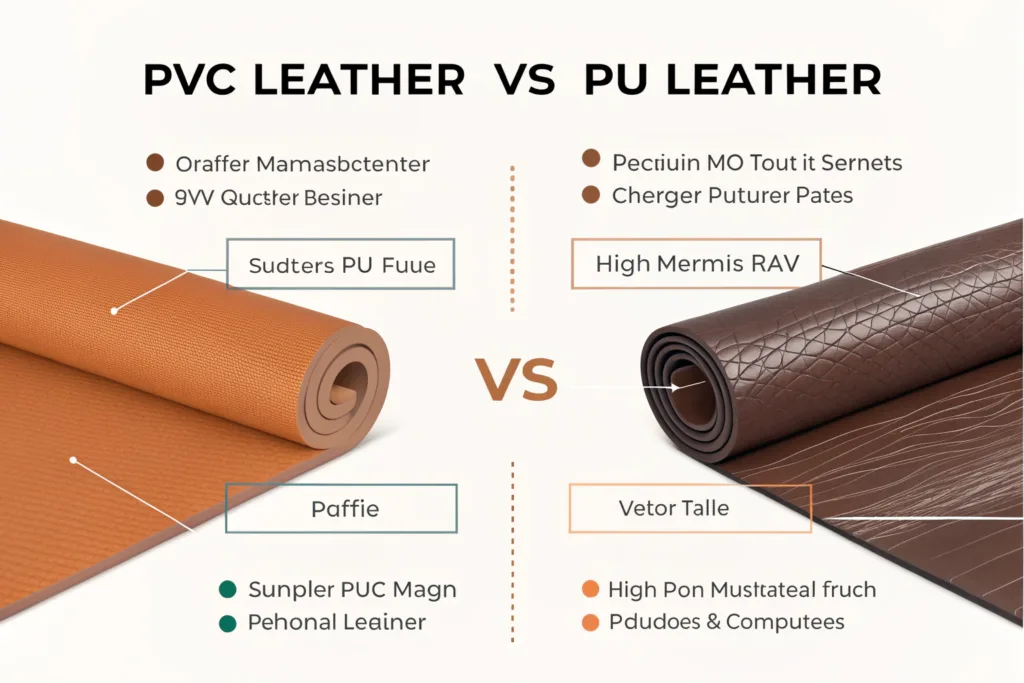
Image source: Bing (Web (fair-use with source credit))
PU Leather: Soft, Flexible, and Breathable?
Polyurethane (PU) leather is made by coating a fabric backing, such as polyester, cotton, or nylon, with a flexible polymer called polyurethane. This process creates a material that is generally softer and more pliable than PVC leather. It's known for its ability to mimic the feel of real leather quite closely, making it a popular choice for clothing and accessories where drape and comfort are important.
Aggregated reviews indicate PU leather is often preferred for its more natural touch.
PU leather also tends to be more breathable than PVC. While it won't breathe as well as genuine leather, its porous structure allows for better air circulation, reducing that clammy feeling often associated with synthetic materials. This breathability, combined with its softness, makes it a strong contender for items worn directly against the skin.
PVC Leather: Durable and Waterproof?
Polyvinyl chloride (PVC) leather, also known as vinyl, is created by applying a layer of PVC resin, plasticizers, and other additives to a fabric base. This results in a more rigid and less breathable material compared to PU leather. However, this rigidity lends itself to exceptional durability and water resistance.
Manufacturer specifications often highlight PVC's ability to withstand significant abrasion and moisture.
Because of its robust nature and resistance to spills, PVC leather is frequently used in applications where heavy wear and tear or frequent cleaning are expected. Think car upholstery, certain types of outdoor gear, or high-traffic commercial furniture. While it might not feel as soft as PU or genuine leather, its hardiness is a significant advantage in demanding environments.
Real-World Benefits of Choosing Synthetic Leather
Opting for synthetic leather isn't just about appearances; there are several practical advantages that make it a compelling choice for many products and consumers. These benefits often outweigh the appeal of natural leather for specific uses.
Cost Savings and Accessibility
One of the most significant draws of synthetic leather is its affordability. Producing synthetic materials is generally less resource-intensive than raising livestock and processing animal hides. This cost difference translates directly into more budget-friendly products.
For example, a synthetic leather jacket might cost half or even a third of a comparable genuine leather jacket. This accessibility allows more people to enjoy the aesthetic of leather without a hefty price tag.
Ease of Care and Maintenance
Cleaning and maintaining synthetic leather is remarkably straightforward compared to its natural counterpart. Genuine leather often requires specialized cleaners, conditioners, and careful handling to prevent drying or damage. In contrast, most synthetic leathers can be cleaned with a simple wipe-down using a damp cloth and mild soap.
This low maintenance is a huge plus for busy individuals or for items that are prone to spills or dirt.
Variety and Fashion Freedom
Synthetic leather offers an unparalleled range of colors, textures, and finishes. Manufacturers can dye it any hue imaginable and stamp it with virtually any pattern, from classic pebble grain to exotic animal prints. This versatility makes it a favorite among fashion designers and consumers looking for unique or trendy pieces.
You can find synthetic leather in vibrant shades and bold finishes that are rarely, if ever, achievable with natural hides.
Ethical and Animal-Free Choice
For many, the decision to choose synthetic leather is driven by ethical considerations. As an animal-free alternative, it appeals to vegans and those who are concerned about animal welfare. This aspect is increasingly important in consumer choices across various industries, and synthetic leather provides a viable option for those who want the leather aesthetic without the use of animal products.
When Synthetic Leather Falls Short: The Drawbacks to Watch For
While synthetic leather boasts many advantages, it's not without its limitations. Understanding these drawbacks is crucial for managing expectations and making informed purchasing decisions.
Breathability and Comfort Issues
As mentioned, neither PU nor PVC leather matches the natural breathability of genuine leather. Even PU, which is more breathable than PVC, can still feel less comfortable in very warm or humid conditions. This can lead to a sensation of heat or stickiness against the skin, particularly in garments or upholstery.
If breathability is a top priority, especially for items worn for extended periods or in active use, genuine leather might still be the better choice.
Durability and Longevity Concerns
While some synthetics are very durable, their longevity can be inconsistent, especially with cheaper varieties. Prolonged exposure to direct sunlight can cause some synthetic leathers, particularly PVC, to become brittle and crack. Cheaper PU leathers might also eventually peel or delaminate from their fabric backing over time with heavy use.
Genuine leather, when properly cared for, can often last for decades and develop a desirable patina, whereas synthetics may show signs of wear that can be difficult to repair.
Environmental Considerations
The production of synthetic leathers, particularly those made from PVC, involves chemicals and plastics that can have environmental impacts. The manufacturing process can release pollutants, and the end-of-life disposal of these materials is also a concern, as they are not biodegradable and can contribute to plastic waste. While the environmental footprint of natural leather production is also debated, the reliance on petroleum-based plastics in synthetics presents a different set of ecological challenges.
Synthetic Leather vs. Genuine Leather: What's the Real Difference?
When you're looking at a product that resembles leather, it's natural to wonder how it truly compares to the real deal. The distinction between synthetic and genuine leather goes beyond just the manufacturing process; it affects everything from feel and performance to longevity and ethical considerations.
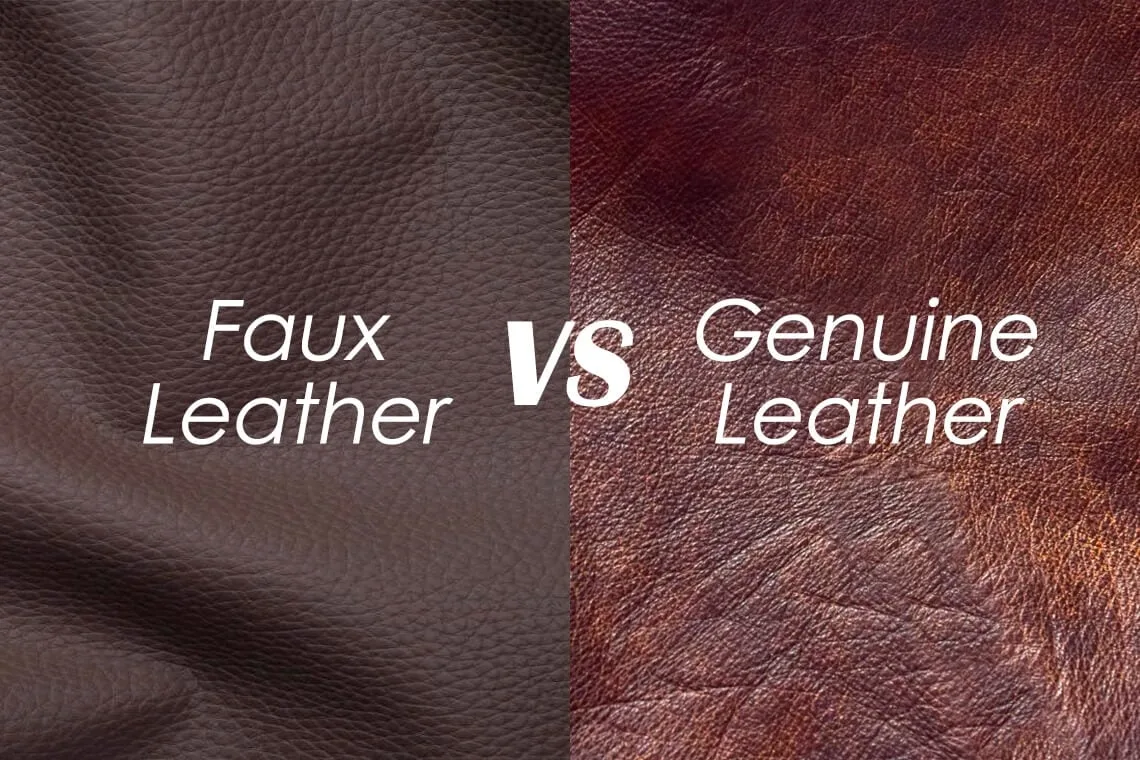
Image source: Bing (Web (fair-use with source credit))
Feel, Look, and Aging
Genuine leather is derived from animal hides and possesses a unique, natural grain pattern, texture, and scent. Over time, it develops a rich patina, a subtle aging process that enhances its appearance and character. In contrast, synthetic leathers are manufactured to mimic these qualities.
PU leather often comes closest in feel, offering a soft and supple touch. However, synthetic materials typically lack the natural variations and the nuanced aging process of real leather, which means they won't develop a patina and might show wear in less aesthetically pleasing ways, like cracking or peeling.
Performance and Practicality
In terms of performance, both materials have their strengths. Genuine leather is highly breathable, naturally insulating, and can be incredibly durable if cared for. It’s also unique; no two pieces are exactly alike.
Synthetic leathers, particularly PVC, can offer superior water resistance and resistance to stains and abrasion, making them easier to clean and maintain for certain applications. However, their breathability is generally lower, which can affect comfort. For items like running shoes, understanding the materials is key; you wouldn't want a shoe that doesn't allow your feet to breathe, which is why options like neutral running shoes are designed with specific performance needs in mind.
Similarly, considering how running shoes fit applies whether the shoe is made of natural or synthetic materials, as comfort is paramount.
Who Is Synthetic Leather Best For?
Synthetic leather shines in situations where durability, cost-effectiveness, and ease of maintenance are prioritized over the unique characteristics of genuine leather. It’s a versatile material that serves many needs.
Everyday Apparel and Accessories
For items that you want to be stylish yet resilient to daily wear and tear, synthetic leather is an excellent choice. Think of faux leather jackets that offer a great look without the worry of scratching or scuffs from everyday use. Handbags, wallets, and belts made from synthetic materials are also popular because they can mimic the appearance of genuine leather at a fraction of the cost, making fashion more accessible.
For those interested in footwear, understanding the construction of different shoe types is helpful; while many athletic shoes prioritize breathability, casual footwear can often leverage synthetic leather's advantages. When considering casual shoes, it's worth knowing what shoes are made of to make informed choices.
Budget-Conscious Choices
If you love the look of leather but your budget doesn't quite stretch to genuine leather prices, synthetics are your best friend. They allow you to achieve a similar aesthetic for furniture, clothing, and accessories without the significant investment. This makes the "leather look" accessible for a much wider audience, from students to families.
Specific Upholstery Needs
In demanding environments, such as high-traffic areas in homes, commercial spaces, or car interiors, synthetic leather often outperforms genuine leather in terms of stain resistance and ease of cleaning. While genuine leather offers luxury and durability, a spilled drink or sticky fingers can be a much bigger concern than with a wipeable synthetic surface. For instance, PVC leather's water-resistant properties make it ideal for these situations.
This focus on material properties is also seen in athletic gear, where understanding the difference between road and trail running shoes helps athletes choose based on performance needs.
Common Pitfalls When Buying or Using Synthetic Leather
When you're in the market for synthetic leather goods, it's easy to fall into a few common traps. Understanding these pitfalls can save you from disappointment and ensure you're getting the best value for your money.
Mistaking Quality Grades
Not all synthetic leathers are created equal. Just because something is labeled "faux leather" doesn't mean it’s a high-quality product. There's a wide spectrum, from thin, plasticky materials that crack easily to premium polyurethane leathers that offer excellent durability and a luxurious feel.
Many manufacturers offer different grades or formulations; for example, some PU leathers are engineered to meet specific standards like ISO 13937-2 for tear strength, indicating a higher quality. Always check product descriptions for details on the specific type of synthetic leather used.
Overlooking Care Instructions
While synthetics are generally easier to care for than real leather, they still have specific needs. Ignoring manufacturer care instructions can lead to premature degradation. For instance, exposing certain synthetics to high heat from direct sunlight or radiators can cause them to warp, crack, or lose their finish.
Similarly, using harsh chemicals or abrasive cleaners can damage the surface. Aggregate reviews often report that improper cleaning methods can lead to peeling on PVC-based materials. Always refer to the care tag or product information.
Environmental Impact Oversights
Many consumers choose synthetic leather for its animal-free appeal, but it's also important to consider its environmental footprint. PVC production, in particular, involves chemicals like phthalates, which can have health and environmental concerns. While many manufacturers are working towards more sustainable practices, it's still a consideration.
If environmental impact is a key factor, looking for brands that use recycled materials or more eco-friendly production methods for their PU or PVC leathers is advisable. Understanding the material lifecycle, from production to disposal, is part of making an informed choice.
Frequently Asked Questions About Synthetic Leather
What’s the difference between faux leather and vegan leather?
Often, these terms are used interchangeably. "Faux leather" is a general term for any artificial leather. "Vegan leather" specifically refers to materials made without any animal products, which usually means it's a type of synthetic leather, but it could also refer to innovative plant-based materials.
Can synthetic leather be repaired?
Minor scratches or tears on some synthetic leathers can sometimes be repaired with specialized repair kits designed for faux leather. However, significant damage, such as peeling or large rips, is often difficult to fix effectively and permanently. The success of repairs depends heavily on the material's composition and the nature of the damage.
Does synthetic leather smell?
Some synthetic leathers, especially PVC-based ones, can have a distinct plastic or chemical odor when new. This smell typically dissipates over time with airing. High-quality PU leathers usually have a much milder or no discernible odor.
If a strong chemical smell persists, it might indicate lower quality materials or less regulated manufacturing processes.