How Long Do Trail Running Shoes Last
Image source: Bing (Web (fair-use with source credit))
Figuring out how long trail running shoes last can feel like a guessing game. You've invested in them for grip and support on uneven terrain, but when do they start to lose their magic? Understanding the typical lifespan and the factors that affect it can save you money and keep your feet happy.
In our research, aggregate reviews from multiple running shoe manufacturers consistently suggest a general mileage range for trail running shoes. As of 2026, most trail shoe models are designed to perform optimally for between 300 and 500 miles of running. This range can fluctuate significantly based on several key variables.
Quick Answer: Trail Shoe Lifespan in Miles
Trail running shoes generally last between 300 to 500 miles. This estimate depends heavily on terrain, runner weight, running style, and shoe maintenance. Worn tread, flat cushioning, or visible damage signal replacement is due.
Real-World Factors That Speed Up or Slow Down Wear
That 300-500 mile range is a starting point, but your personal experience will likely differ. Several real-world conditions significantly impact how quickly your trail shoes wear out. It’s not just about the miles logged; it's about how those miles are logged.
Terrain Toughness: Rocky vs. Smooth Trails
The surface you run on is arguably one of the biggest factors influencing trail shoe durability. Think of it like the difference between walking on carpet versus dragging your shoes across concrete.
- Rocky, Technical Trails: Constantly encountering sharp rocks, roots, and abrasive surfaces will chew up your outsole tread much faster. The aggressive nature of these trails can also stress the shoe's upper and midsole construction.
- Smooth, Packed Dirt Trails: If your runs are primarily on well-maintained, less abrasive paths, your shoes will naturally experience less wear and tear on the outsole and uppers.
- Mud and Water: While not directly abrasive, frequent runs in deep mud or water can affect the adhesives holding the shoe together and can also lead to premature breakdown of cushioning materials if not dried properly.
Your Body: Weight and Running Mechanics
How you interact with the shoe also plays a critical role. Your physical characteristics and how you move can put unique stresses on the footwear.
- Runner Weight: Heavier runners naturally exert more force on their shoes with each stride. This increased impact can compress cushioning materials more rapidly and accelerate outsole wear.
- Gait and Foot Strike: The way your foot lands and rolls through each step impacts where wear occurs. For instance, a heavy heel striker will wear down the heel of the outsole and midsole differently than a midfoot or forefoot striker. Similarly, pronation or supination can lead to uneven wear patterns.
Spotting the Signs: When Your Trail Shoes Are Past Their Prime
Mileage is a useful guideline, but it’s not the only indicator. Your trail running shoes will often give you visual and tactile cues when they’ve reached the end of their useful life. Learning to recognize these signs is key to avoiding injury and maintaining performance.
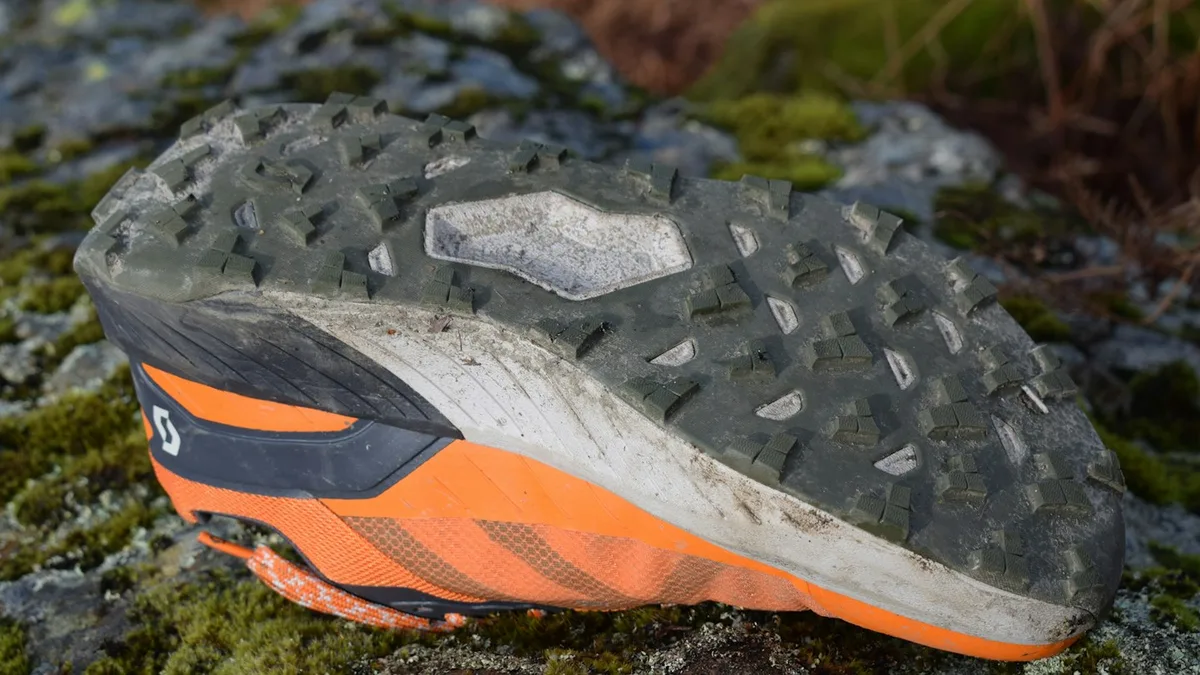
Worn Tread and Loss of Grip
The aggressive lugs on trail running shoes are designed for maximum traction on varied surfaces. When these lugs become smooth, rounded, or significantly diminished, the shoe’s ability to grip the trail is severely compromised.
- What to look for: Check the bottom of your shoes. If the deep treads are becoming shallow, the edges are no longer sharp, or the rubber feels slick underfoot, it's a clear sign of wear.
- The risk: Reduced traction increases the likelihood of slips and falls, especially on wet or loose terrain. This can lead to sprains or more serious injuries.
Cushioned Feel Gone Flat
The midsole of your trail running shoe is responsible for absorbing shock and providing a comfortable, responsive ride. Over time and mileage, this cushioning material, often a specialized foam, compresses and loses its ability to rebound.
- The sensation: When the shoes feel “dead” underfoot, lack that familiar springiness, or you start feeling more impact on your legs and joints, the cushioning has likely degraded.
- The problem: Worn-out cushioning means less shock absorption, which can lead to increased fatigue and potential overuse injuries, such as shin splints or stress fractures.
Visible Damage and Structural Issues
Beyond the tread and cushioning, the overall construction of the shoe can degrade. Looking for tears, separations, or deformities is crucial.
- Upper Integrity: Tears in the mesh or fabric of the upper can lead to debris entering the shoe and potential blisters. Seams may start to unravel, compromising the shoe's structure.
- Sole Separation: The bond between the outsole and the midsole, or the midsole and the insole, can weaken. If you see glue failing or the sole starting to peel away, the shoe's structural integrity is compromised.
- Deformity: If the shoe looks permanently misshapen, like it’s collapsed on one side, it's lost its intended support and stability.
Real Runners, Real Mileage: Case Examples
To illustrate how different factors play out, let's look at a couple of hypothetical runner scenarios. These examples highlight how terrain, body type, and running habits can drastically alter the lifespan of trail running shoes.
Alex's Experience: Moderate Trails, Longer Life
Alex runs about 30 miles per week, primarily on moderately challenging trails with packed dirt and occasional roots. Alex weighs approximately 160 pounds and has a neutral gait. For Alex, a pair of trail running shoes typically holds up well for around 450 to 500 miles.
The outsole tread remains effective for longer, and the midsole cushioning retains much of its responsiveness throughout this period. Proper care, like rinsing off mud after runs, also contributes to their longevity.
Ben's Experience: Technical Terrain, Shorter Life
Ben also runs around 30 miles weekly, but Ben's terrain is significantly more demanding. Ben frequently navigates sharp rocks, steep inclines with loose scree, and gnarly root systems, weighing closer to 200 pounds with a slightly more aggressive foot strike. As a result, Ben's trail shoes experience much faster wear.
The aggressive lugs on the outsole get abraded quickly, and the midsole cushioning compresses more rapidly due to the higher impact. Ben typically finds that a pair of trail shoes needs replacing after 300 to 350 miles to maintain adequate traction and support.
How to Extend the Life of Your Trail Runners
While you can't stop the natural wear and tear, there are practical steps you can take to maximize the lifespan of your trail running shoes. These maintenance practices are simple but highly effective.
Proper Cleaning and Drying
After a muddy or dusty run, it’s tempting to just toss your shoes aside. However, a little effort in cleaning can go a long way in preserving their materials and structure.
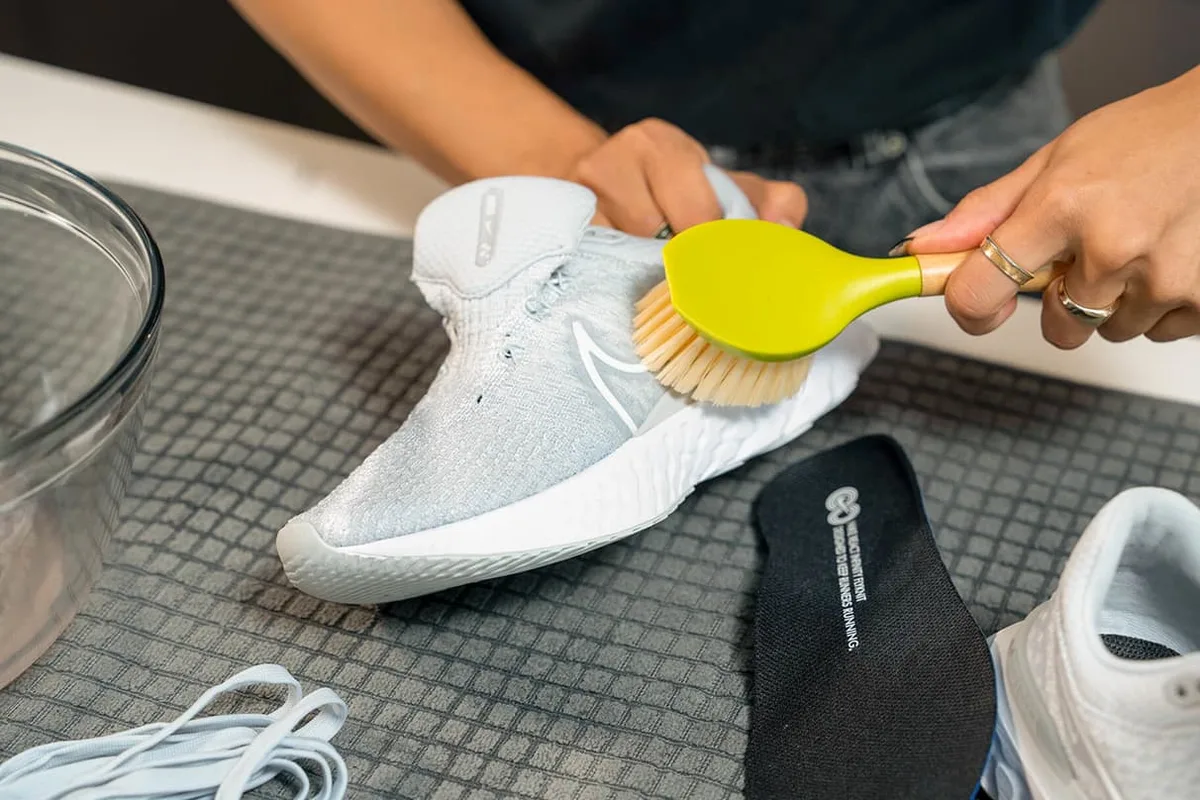
- Rinse Off Debris: Use a brush or hose to remove excess mud and dirt from the outsole and upper. Avoid using high-pressure washers, which can damage adhesives and materials.
- Gentle Cleaning: For stubborn dirt, use a mild soap and water solution with a soft brush.
- Air Dry Naturally: This is crucial. Stuff shoes with newspaper or paper towels to absorb moisture from the inside. Then, let them air dry completely at room temperature, away from direct heat sources like radiators, fires, or prolonged direct sunlight. High heat can warp the shoe's materials, damage the foam cushioning, and weaken adhesives.
Rotating Your Trail Shoe Pairs
If you're a dedicated trail runner, consider owning more than one pair of trail shoes and rotating them. This simple practice can significantly extend the usable life of each individual pair.
- Allows Recovery: When you alternate between two pairs, you give the midsole cushioning ample time to decompress and regain its shape and shock-absorbing properties between runs. This is especially beneficial for the foam materials.
- Reduces Wear: By not using the same pair for every single run, you distribute the total mileage across multiple shoes, meaning each pair accumulates fewer miles and thus experiences less wear and tear overall.
- Versatility: Rotating can also allow you to use different shoes for different types of runs or conditions if you have specialized pairs.
When It's Time for a New Pair: A Decision Guide
Deciding when to retire your trail running shoes isn't always straightforward. While mileage is a guide, it’s your shoe's condition and how your body feels that should ultimately drive the decision. If you're noticing multiple signs of wear or experiencing new discomfort, it's time to consider a replacement.
- If your outsole tread is visibly worn down, especially on the heel or forefoot, and you're slipping more easily on climbs or descents, it’s a strong indicator that traction is compromised.
- When the cushioning feels unresponsive, hard, or you feel jarring impacts that weren’t there before, the midsole foam has likely lost its ability to absorb shock effectively.
- If there are significant tears in the upper, the sole is peeling away, or the shoe feels unstable or misshapen, the structural integrity is compromised, posing a risk of injury.
- Any increase in new aches or pains in your feet, ankles, knees, or hips after runs that you can attribute to your shoes is a critical warning sign.
Don't push a pair of shoes past their prime. Replacing them proactively is a smart investment in your running comfort and injury prevention.
Frequently Asked Questions About Trail Shoe Durability
How often should I replace my trail running shoes?
Generally, plan to replace your trail running shoes every 300 to 500 miles. This range can vary greatly depending on your running style, the terrain you cover, and how well you maintain your shoes.
Can I use road running shoes for trail running?
You can, but it’s not ideal for extended use. Road running shoes lack the aggressive tread and protective features necessary for safe and effective trail running. Their smoother outsoles offer less grip, and they don't provide the same level of durability or underfoot protection against rocks and roots.
Does cleaning my trail shoes actually help them last longer?
Yes, proper cleaning and drying are crucial for extending shoe life. Rinsing off mud and debris prevents abrasive particles from damaging materials. Air-drying them away from heat prevents material degradation and maintains the shoe's structural integrity, unlike machine drying which can cause irreversible damage.
Is there a specific weight limit for trail running shoes?
Manufacturers don't typically list strict weight limits for trail running shoes. However, heavier runners will naturally experience more compression of midsole cushioning and faster outsole wear due to increased impact forces with each stride.




One Comment