Why Are Trail Running Shoes Uncomfortable
You've picked out a fresh pair of trail running shoes, ready to conquer those dusty paths and technical terrain. But after a few miles, your feet are staging a protest. That's a frustrating feeling when you're out on the trail.
The good news is, most discomfort isn't a mystery. It's usually down to a few common issues with how the shoes are designed, or how they interact with your specific feet and how you run. Let's break down why those trail runners might feel a bit off.
Quick Answer
Trail running shoes often feel uncomfortable due to their inherent stiffness, aggressive lug patterns, and tighter fit, all designed for protection and grip on uneven terrain. Issues can also stem from incorrect lacing, inappropriate socks, or a mismatch between the shoe's construction and your unique foot anatomy. As of 2026, manufacturer specifications for trail shoes emphasize durability and protection, sometimes at the expense of initial comfort for runners accustomed to road shoes.
Is It the Trail Shoes, or Is It Just… You?
Before we even point fingers at the footwear, it’s worth looking inward. Sometimes, the culprit isn't what’s on your feet, but what you're putting on your feet before you even lace up.
Sock Secrets and Lacing Lessons
What you wear on your feet under your shoes makes a huge difference. Thin cotton socks are a common offender for blisters because they hold moisture, increasing friction. Our research indicates that runners performing well on trails typically opt for synthetic blends or merino wool socks specifically engineered for athletic activity, as these materials manage sweat more effectively and reduce chafing.
Then there’s the lacing. It sounds basic, but how you tie your shoes can drastically affect comfort. If your heel slips, or your forefoot feels pinched, a simple adjustment to your lacing pattern can sometimes solve the problem.
Different lacing techniques exist to address specific issues like heel lift or pressure across the top of the foot.
Trail Shoe Design: What Makes Them Different (and Sometimes Uncomfortable)
Trail running shoes are built for a job: to handle rough, unpredictable terrain while keeping your feet protected and providing grip. This purpose dictates their design, and it's where many comfort issues can arise.
The Stiffness Factor: Protection vs. Flexibility
Trail shoes are typically stiffer than their road-running cousins. This stiffness comes from denser foams, reinforced sidewalls, and integrated plates within the sole. The primary benefit is protection: that rigidity helps shield your feet from sharp rocks and roots, preventing them from being felt directly underfoot.
However, this lack of flexibility can feel jarring, especially on smooth surfaces or if you prefer a more natural, flexible feel in your footwear. Manufacturer specifications often highlight torsional rigidity, a measure of how much a shoe resists twisting, which is a key factor in this stiffness.
Aggressive Lug Patterns: Gripping the Trail
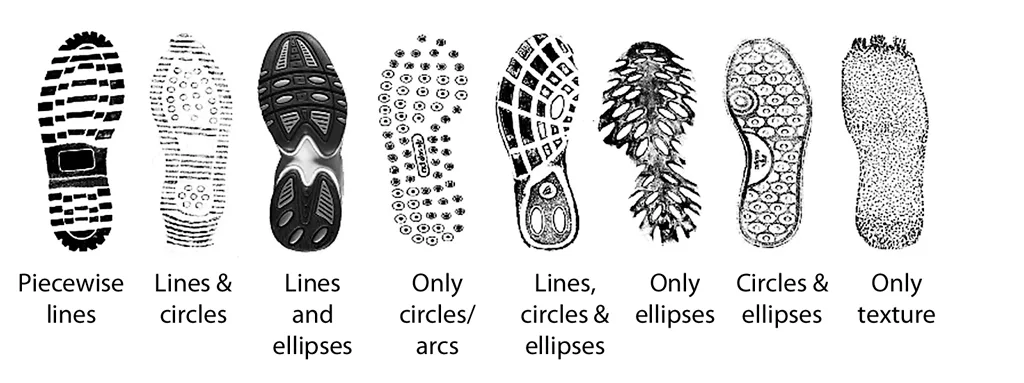
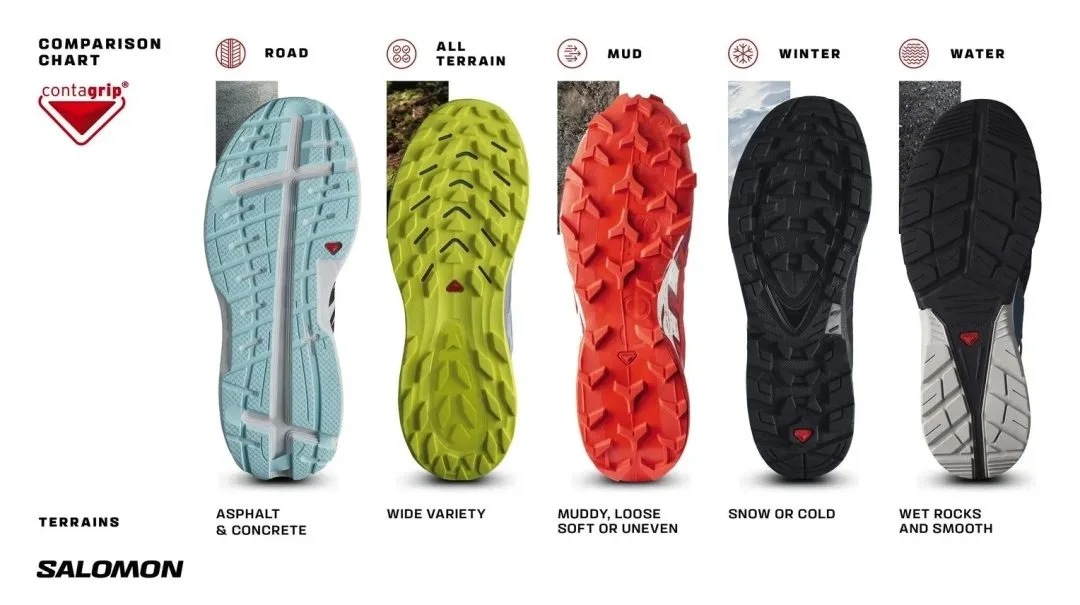
The chunky, deep treads, or lugs, on the outsole of trail running shoes are essential for traction on loose dirt, mud, and slippery surfaces. They dig in, providing stability where road shoe treads would just spin. While excellent for grip, these aggressive patterns can feel overly pronounced and uncomfortable if you're running on harder-packed trails, gravel paths, or even sections of pavement.
The repeated impact of these deep lugs against a firm surface can create an uneven sensation underfoot, sometimes described as feeling "bumpy."
The Snug Fit: Secure Hold or Squeezing Pain?
To keep your feet stable and prevent trail debris from entering the shoe, trail runners are often designed with a more secure, snug fit, particularly in the midfoot and heel. This is crucial for preventing your foot from sliding around inside the shoe during lateral movements on uneven ground. However, if this snugness translates into a genuinely tight fit, especially in the forefoot or across the toe box, it can lead to pinching, pressure points, and general discomfort, particularly as your feet naturally swell during a run.
Rock Plates: Your Feet's Best Friend or Worst Enemy?
Many trail shoes incorporate a rock plate, a thin, flexible but tough layer embedded in the midsole. This feature acts as a shield, guarding your feet against sharp rocks, roots, and other hazards that could otherwise cause bruising or puncture injuries. It’s a vital piece of protective equipment for technical terrain.
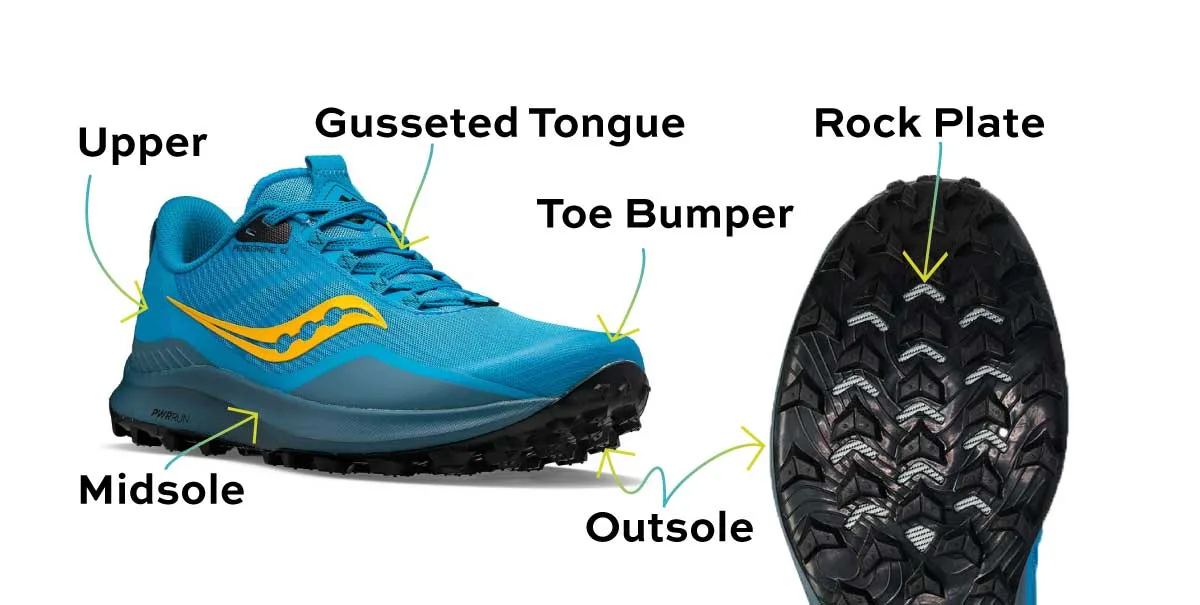
The challenge is that this added layer can sometimes contribute to the shoe feeling overly stiff and less forgiving. For runners who don't frequently encounter sharp, hard objects on their trails, or who prefer a more sensitive connection to the ground, the presence of a rock plate can make the shoe feel rigid and less adaptable to subtle ground contours. Per testing standards, rock plates are designed to absorb impact from specific pointed objects, but their rigidity is a noticeable attribute.
Your Trail Shoe Discomfort Diagnostic: A Step-by-Step Fix
So, you've identified that your trail shoes aren't delivering the comfort you crave. Now what? The key is to systematically figure out why.
It’s less about having "bad" shoes and more about finding the right match for your feet and your terrain.
Step 1: Pinpointing the Pain – Rubbing, Cramping, or Stiffness?
First, get specific about where you feel the discomfort.
- Rubbing or Blisters: Is it on your heel, toes, or sides? This often points to a fit issue where the shoe is too big, the socks are wrong, or your foot is moving too much inside.
- Cramping or Pinching: Do your toes feel squeezed together? Is the top of your foot sore from pressure? This frequently signals a shoe that’s too narrow, especially in the forefoot, or laces tied too tightly in that area.
- Sore Arches or Bruised Soles: This can be caused by the shoe's internal structure (like aggressive arch support you don't need) or the general rigidity of the sole. If you feel every single pebble, the cushioning or protection might be mismatched.
- General Stiffness or "Off" Feeling: If it’s not a specific hot spot but rather a feeling of the shoe being too stiff, unyielding, or just not moving naturally with your foot, the overall construction might be the issue.
Step 2: Surface and Distance – How Terrain Affects Feel
Consider where you're actually running.
- Hard-Packed Trails/Gravel/Roads: If you spend a lot of time on firm surfaces, the aggressive lugs and stiff sole of a trail shoe can feel overly harsh. They're designed for grip, not necessarily for smooth, forgiving landings.
- Technical, Rocky Trails: If you're on rugged terrain, the stiffness and rock plates are likely working as intended, but perhaps the overall fit or cushioning isn't right for your foot's biomechanics over distance.
- Longer Runs: Discomfort that emerges or worsens as a run progresses is often a sign that your feet are swelling, and the shoe's fit is becoming too restrictive, or that the cushioning isn't adequate for sustained impact.
Step 3: Feature Focus – What's Your Shoe Trying to Do?
Think about the trail shoe's design intent.
- Is it overly stiff? If the shoe feels like a tank and doesn't bend easily with your foot, you might need a more flexible model or one designed for faster, less technical running.
- Do you feel every sharp object? If the rock plate or sole protection feels too prominent, even on relatively smooth ground, the shoe might be over-engineered for your typical terrain, or the cushioning layer is too thin.
- Is the fit too restrictive all over? If it feels generally snug, not just in specific spots, it could be that the shoe's overall last (the foot mold it's built on) doesn't match your foot shape.
Common Trail Shoe Mistakes to Steer Clear Of
Many discomfort issues stem from simple oversights. Avoiding these common pitfalls can save your feet a lot of grief on the trail.
- Ignoring Sock Material: Relying on cotton socks is a fast track to blisters. Always opt for moisture-wicking synthetic or wool blends designed for running.
- Over-Tightening Laces: Tying your shoes too tight, especially in the midfoot or forefoot, can restrict blood flow and create pressure points, leading to numbness or pain.
- Assuming Road Shoe Fit for Trails: Trail shoes often have a slightly different fit profile, sometimes narrower, sometimes more structured, to enhance security. Don't assume your usual road shoe size or feel will translate perfectly.
- Not Considering Your Specific Terrain: Buying a highly technical, stiff trail shoe with maximum rock protection when you mostly run on smooth, rolling singletrack is like using a sledgehammer to crack a nut. Choose shoes appropriate for your primary running environment.
- Skipping the Break-In Period (for some shoes): While many modern trail shoes require minimal break-in, older or more robust models might benefit from a few shorter runs to allow the materials to conform to your foot shape and soften slightly.
Expert Tips for Trail Shoe Comfort
Here are a few insights from those who know trail running footwear inside and out.
- Try Shoes on Later in the Day: Your feet naturally swell throughout the day and during runs. Trying on shoes in the afternoon or evening mimics this slightly expanded state, giving you a more accurate fit assessment.
- Bring Your Own Running Socks: When trying on new shoes, always wear the type of socks you'll actually run in. This ensures you're evaluating the fit with the correct thickness and material.
- Walk and Jog Around the Store: Don't just stand there. Walk, do a little jog in place, maybe even find a slight incline if the store has one. Feel for any immediate pressure points or slippage.
- Consider Different Lacing Techniques: If you have heel slippage, try a heel-lock lacing method. If the top of your foot feels pressure, try skipping the first eyelet or using a different crossover pattern. Resources from athletic shoe companies often detail various lacing methods.
- Don't Be Afraid to Go Wider: If your toes feel cramped, explore models available in wider widths. Many brands offer their popular trail shoes in options like "wide" or "2E," which can make a world of difference for forefoot comfort.
Frequently Asked Questions About Uncomfortable Trail Runners
Why do my new trail running shoes feel stiff?
New trail running shoes often feel stiff because their construction prioritizes protection and stability on uneven terrain. This includes stiffer midsoles, reinforced uppers, and aggressive outsoles designed to grip and shield your feet from rocks and roots. This rigidity is a feature for performance, but it can feel unforgiving until the shoe breaks in or if it doesn't match your preferred flexibility.
Can trail shoes be too cushioned?
Yes, trail shoes can be too cushioned for some runners and terrains. Excessive cushioning can reduce ground feel, making it harder to navigate technical terrain precisely. It can also add unnecessary weight and reduce responsiveness.
For very fast-paced running or when precise foot placement is critical, a less cushioned, more responsive shoe is often preferred.
How often should I replace my trail running shoes?
Trail running shoes typically last between 300 to 500 miles (approximately 480 to 800 kilometers), though this can vary. Factors like your weight, running gait, the terrain you cover, and the specific shoe's construction all influence lifespan. Worn-out cushioning and outsole tread are the primary indicators that it's time for a new pair, as they compromise both comfort and performance.
Are trail running shoes bad for walking?
Trail running shoes aren't ideal for extensive walking. Their stiffer soles and aggressive lug patterns, designed for traction on trails, can feel cumbersome and less comfortable on hard, flat surfaces like sidewalks or indoor floors. While you can walk in them, they don't offer the same comfort or natural flex as walking-specific shoes.
Do waterproof trail running shoes cause more discomfort?
Waterproof trail running shoes can sometimes cause more discomfort because they tend to be less breathable. This can lead to feet feeling hotter and sweatier, especially in warmer conditions, potentially increasing the risk of blisters. While they keep external water out, they can trap internal moisture.
Your Trail Shoe Decision Guide: Finding the Right Fit
Ultimately, the "uncomfortable" feeling in trail running shoes boils down to a mismatch. It's about finding a shoe where the features designed for protection and grip align with your foot's needs and the demands of your trails.
Consider these questions:
- What kind of trails do you run most often? (Rocky, smooth, muddy, mixed?)
- What’s your primary concern: protection from sharp objects, or flexibility and ground feel?
- How does your foot typically feel in shoes? (Wide forefoot, narrow heel, high arch?)
- Are you noticing specific pain points, or is it a general sense of stiffness?
By answering these, you can start to narrow down the types of trail shoes that will offer you the best comfort. If you're still struggling, seeking personalized advice from a specialty running store is your best bet. They can assess your gait and foot shape to recommend specific models that are more likely to feel just right on your next adventure.


One Comment