How to Clean Running Shoes
When your favorite running shoes start looking a little worse for wear, it’s natural to wonder about the best way to clean them. Giving them a proper wash can not only restore their appearance but also extend their lifespan and improve hygiene. This guide will walk you through the essential steps.
You don't always need a lot of special products to get the job done. In fact, manufacturer specifications often advise against machine washing, recommending cool water and mild soap instead. We've gathered the most effective methods based on material science and common best practices from leading running shoe brands as of 2026.
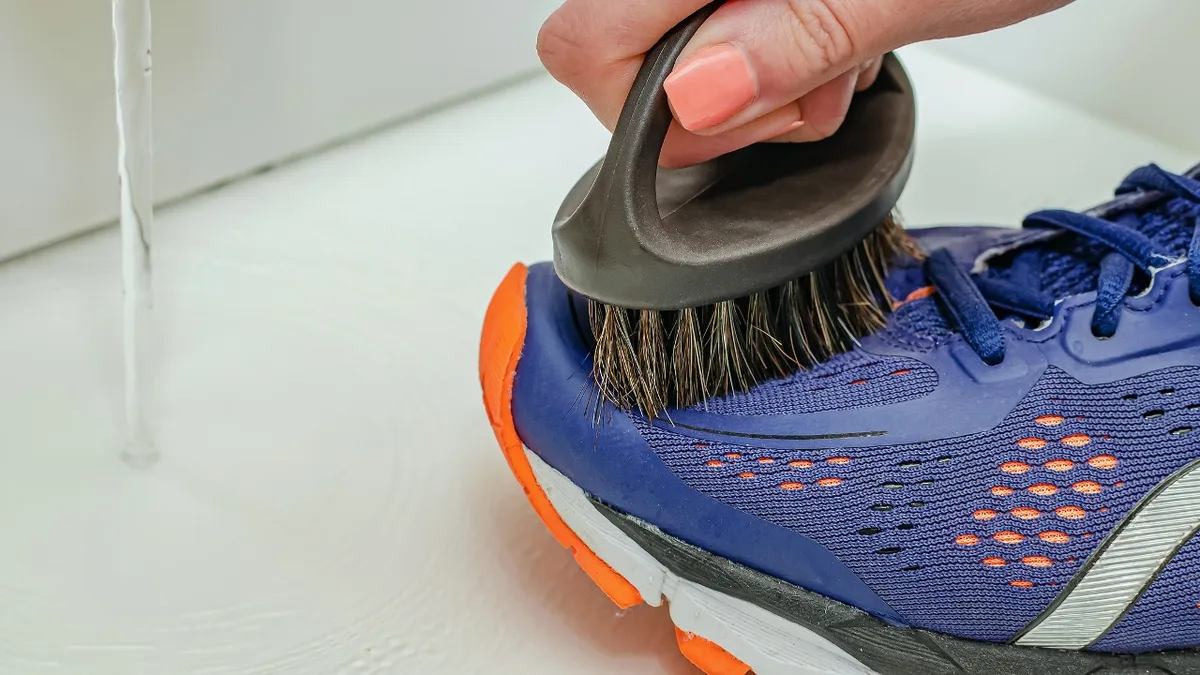
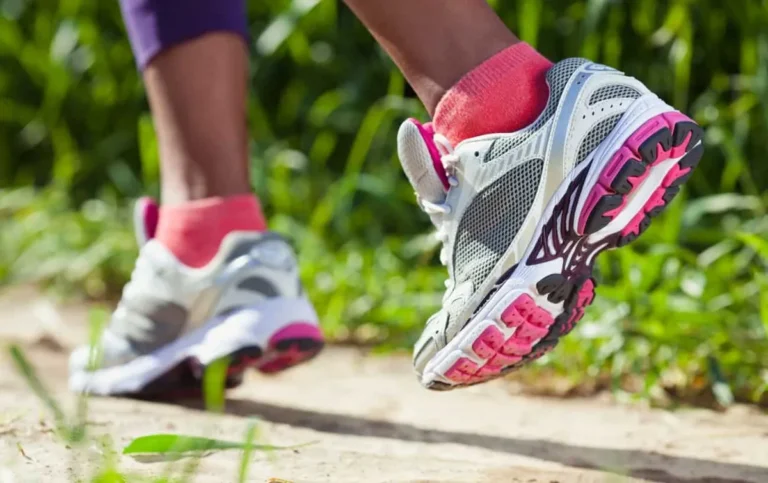
Image source: Bing (Web (fair-use with source credit))
Quick Answer
Clean running shoes by hand washing with cool water and mild soap, using a soft brush. Remove laces and insoles first. Scrub gently, rinse thoroughly, and air dry away from direct heat.
Avoid machine washing and harsh chemicals to prevent damage.
When Should You Clean Your Running Shoes? Spotting the Signs
You've probably got a good instinct for when your running shoes need some attention. But there are a few key indicators that mean it's definitely time for a clean, no matter how many miles you've put on them recently. Paying attention to these signs can prevent long-term damage and keep them performing their best.
- Visible Dirt and Grime: If you can see mud caked on the soles, dust ingrained in the uppers, or grass stains on the fabric, it's time for a wash. This is especially true if the dirt is packed into seams or crevices.
- Lingering Odors: Even if they don't look dirty, a persistent, unpleasant smell is a sure sign that bacteria and sweat have built up inside. This can indicate an unhygienic environment for your feet.
- Performance Degradation: Sometimes shoes that feel heavier, stiffer, or less responsive might just need a good clean. Accumulated dirt and sweat can affect the shoe's materials and their flexibility.
- Pre-Race or Post-Event Maintenance: Before a big race, you might want to clean your shoes to ensure they look and feel their best. After a particularly muddy trail run or a long, dusty event, a clean-up is essential to remove debris that could cause wear or attract moisture.
The Quick Clean vs. The Deep Clean: What's Your Shoe's Situation?
Not every cleaning need requires a full overhaul. Understanding when a quick refresh will do versus when a deep clean is necessary can save you time and effort, and importantly, protect your shoes. The level of dirt, the type of grime, and how much time you have all play a role in this decision.
Quick Clean: This is your go-to for light surface dirt, minor scuffs, or when you notice a faint odor developing. It focuses on the exterior and can usually be done in under 15 minutes. A quick clean might involve wiping down the uppers with a damp cloth or brushing off loose dirt from the soles.
It’s ideal for maintaining shoes between more thorough washes.
Deep Clean: This is what your shoes need when they're truly caked in mud, have stubborn stains, or a strong, persistent odor. A deep clean involves removing laces and insoles, thorough scrubbing of all parts, and a proper drying process. This method aims to remove all accumulated dirt, sweat, and bacteria, restoring the shoes as much as possible to their original condition.
It typically takes longer, with a significant portion dedicated to drying time.
Manufacturer specifications often suggest avoiding harsh chemicals and high heat for both quick and deep cleans to preserve the shoe's structural integrity and cushioning.
Essential Gear for a Proper Shoe Clean
Before you start, having the right tools makes all the difference. You don't need a dedicated shoe-cleaning kit, as many common household items work perfectly well. Having these on hand will make the process smoother and more effective.
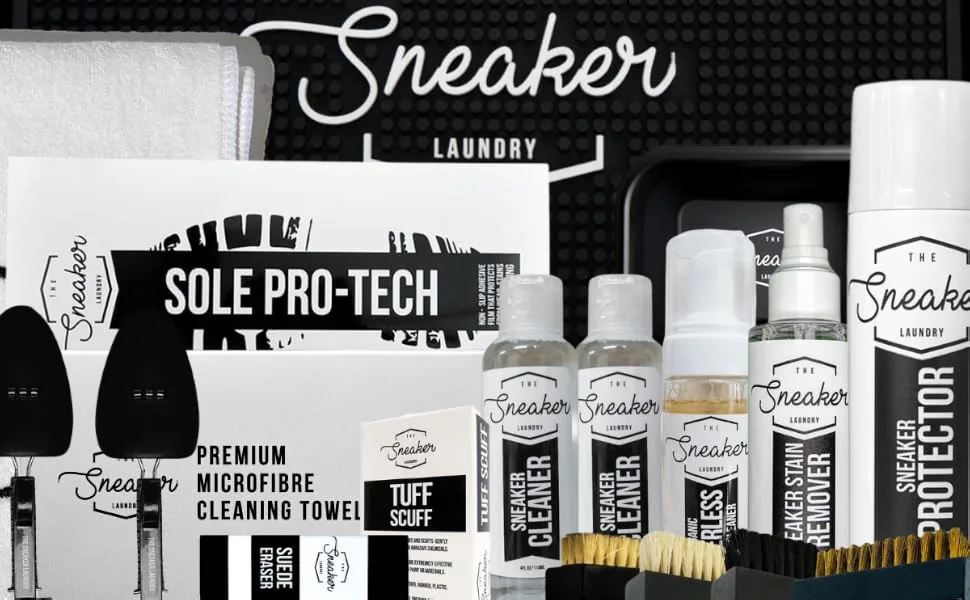
Image source: Bing (Web (fair-use with source credit))
For a Quick Refresh
- Soft Cloth or Sponge: For wiping down uppers and midsoles.
- Soft-Bristled Brush: To gently loosen surface dirt.
- Deodorizing Spray: To combat light odors.
For a Deeper Clean
- Soft-Bristled Brush: Essential for scrubbing most shoe surfaces without causing damage. Think of an old toothbrush or a dedicated shoe brush.
- Stiffer Brush (Optional): A slightly stiffer brush can be useful for tackling tough dirt on rubber soles, but use it carefully.
- Mild Dish Soap or Laundry Detergent: A small amount of gentle cleaner is needed. Avoid harsh chemicals like bleach.
- Cool Water: Never use hot water, as it can damage adhesives and materials.
- Old Towels or Paper Towels: For wiping excess water and stuffing shoes to help them keep their shape.
- Newspaper (Optional): Stuffing shoes with newspaper helps absorb moisture and maintain their structure as they dry.
- Baking Soda (Optional): For extra odor absorption during drying.
Step-by-Step Guide: Giving Your Running Shoes a Deep Clean
When your running shoes are genuinely dirty, a deep clean is the way to go. This process, while requiring a bit more time, will thoroughly remove grime and odors, breathing new life into your footwear. Always remember to work gently and avoid abrasive materials that could damage the shoe's construction.
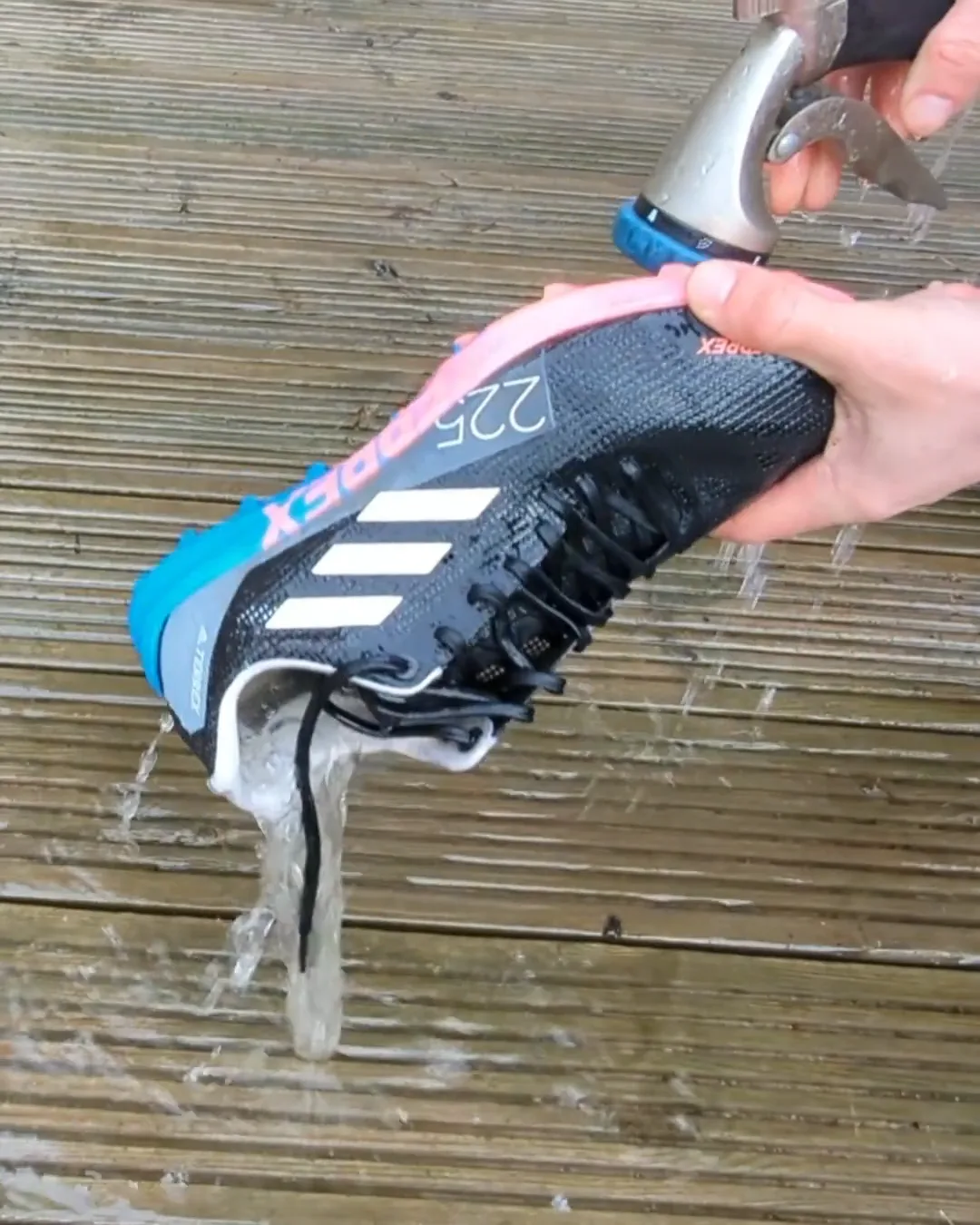
Image source: Bing (Web (fair-use with source credit))
Step 1: Prep Work & Laces
First, remove the laces and insoles from your running shoes. This allows you to clean each component thoroughly and prevents the laces from tangling or getting damaged. Inspect the laces for excessive wear; if they're frayed, it might be time for new ones.
You can wash the laces separately by hand in a bowl of soapy water or toss them into a mesh laundry bag and wash them with your regular clothes on a gentle cycle.
Step 2: Tackle the Uppers (Mesh, Knit, Leather)
Gently brush off any loose dirt or debris from the uppers. Then, mix a small amount of mild dish soap or liquid laundry detergent with cool water. Dip your soft-bristled brush into the soapy water and scrub the uppers in a circular motion.
For knit or mesh materials, be extra gentle to avoid snagging or stretching the fabric. If your shoes have leather or synthetic suede accents, use a cleaner specifically designed for those materials, or a very diluted soap solution and minimal water.
Step 3: Clean the Midsoles & Outsoles
The midsoles, often made of foam, and the rubber outsoles tend to accumulate the most dirt. Use your brush and soapy water to scrub these areas thoroughly. For stubborn dirt lodged in the tread of the outsole, a slightly stiffer brush can be used with care.
Rinse the brush frequently to avoid spreading mud back onto the shoe.
Step 4: Address the Insoles
If your insoles are removable, clean them separately. A quick wipe down with a damp, soapy cloth is usually sufficient. For heavily soiled or smelly insoles, you can wash them gently with cool water and mild soap, then rinse them thoroughly.
Ensure they are completely dry before reinserting them, as damp insoles can lead to odor and mildew.
Step 5: The All-Important Drying Process
This is a critical step where many people go wrong. NEVER put your running shoes in a clothes dryer or near direct heat sources like radiators or hairdryers. High heat can warp materials, damage adhesives, and cause the shoes to shrink.
Instead, gently pat down your shoes with a towel to remove excess water. Then, stuff them loosely with crumpled newspaper or paper towels. This absorbs interior moisture and helps the shoes retain their shape.
Allow them to air dry completely in a well-ventilated area, which can take 12 to 24 hours, sometimes longer depending on humidity.
Step 6: Finishing Touches & Deodorizing
Once your shoes are completely dry, reinsert the clean, dry insoles and re-lace them. If any lingering odors persist, you can sprinkle a bit of baking soda inside the shoes and let them sit overnight, then shake it out. For an immediate refresh, a fabric deodorizing spray designed for shoes can be used sparingly.
Common Running Shoe Cleaning Mistakes to Avoid
Even with the best intentions, certain cleaning practices can inadvertently damage your running shoes or make them less effective. Being aware of these common pitfalls can help you protect your investment and keep your shoes in top condition for longer.
- Machine Washing and Drying: This is perhaps the biggest no-no. The aggressive tumbling action of a washing machine can break down adhesives and warp shoe components. A dryer's intense heat is even worse, potentially shrinking the shoe, cracking the foam midsoles, and compromising the upper materials. Manufacturer recommendations consistently advise against this.
- Using Harsh Chemicals: Bleach, abrasive cleaners, or strong solvents can degrade the synthetic materials, fade colors, and weaken the structural integrity of your running shoes. Stick to mild dish soap or specialized, gentle shoe cleaners.
- Submerging Leather or Suede Components: If your shoes have leather or synthetic suede parts, saturating them with water can cause discoloration, stiffness, or permanent damage. Clean these areas gently with a damp cloth and appropriate cleaners.
- Not Drying Them Properly: Leaving shoes to dry in a damp environment or in direct sunlight can lead to mildew, persistent odors, and material breakdown. Always air dry them in a well-ventilated space and use stuffing to aid the process.
- Skipping Lace and Insole Cleaning: While the uppers and soles might get most of the attention, dirty laces and insoles contribute significantly to overall odor and hygiene issues. Cleaning these components ensures a complete refresh.
- Using Excessive Water: While you need water, drenching your shoes can make them harder to dry and potentially damage internal structures or cushioning if they aren't designed for full submersion. Work with a damp brush and cloth as much as possible.
Caring for Specific Running Shoe Materials
Different materials require different levels of care to avoid damage. Understanding the composition of your running shoes is key to choosing the right cleaning method. Most modern running shoes feature a combination of synthetic materials.
Mesh & Knit Uppers
Many contemporary running shoes utilize engineered mesh or knit uppers for breathability and flexibility.
- Cleaning Method: Use a soft-bristled brush with cool water and a small amount of mild soap. Scrub gently in a circular motion, focusing on stained areas. Avoid aggressive scrubbing, which can snag or pill the fabric.
- Rinsing: Rinse thoroughly with cool water, ensuring all soap residue is gone.
- Drying: Air dry completely, stuffed with newspaper or paper towels.
Leather & Synthetic Suede Accents
Some running shoes incorporate leather or synthetic suede for structure or aesthetic appeal, particularly in the heel counter or branding elements.
- Cleaning Method: These materials are more sensitive to water. Use a shoe cleaner specifically designed for leather or suede, or a very lightly damp cloth with a minimal amount of mild soap. Brush suede gently with a suede brush or a clean toothbrush to restore its nap.
- Rinsing: Do not submerge. Wipe away any residue with a clean, damp cloth.
- Drying: Air dry away from direct heat. Conditioning leather after cleaning might be beneficial if the material feels dry.
How to Maintain Your Running Shoes for the Long Haul
Keeping your running shoes clean is a key part of their maintenance. But there's more you can do to ensure they last longer and perform better, mile after mile. Proper care extends beyond just washing; it involves how you store them and how you use them.
- Rotate Your Shoes: If you run frequently, consider having two pairs of shoes to alternate between. This allows each pair to fully dry and recover its cushioning between runs, reducing wear and tear.
- Store Them Correctly: Always store your running shoes in a cool, dry place away from direct sunlight and extreme temperatures. Avoid stuffing them in a gym bag while still damp, as this promotes mildew and odor. Leaving them unlaced or loosely tied can also help maintain their shape.
- Address Issues Promptly: Don't wait for small problems to become big ones. If you notice a loose stitch, a minor tear, or a developing hot spot on your foot, address it as soon as possible. Early intervention can often prevent more extensive damage.
- Know When to Replace Them: Even with the best care, running shoes have a finite lifespan. Typically, they last between 300 to 500 miles of running. Worn-out cushioning and support can lead to injuries. Pay attention to how they feel; if they feel flat, less supportive, or you start experiencing new aches and pains, it's likely time for a new pair.
Frequently Asked Questions
How long does it typically take to clean running shoes?
A quick clean might take 10-15 minutes. A deep clean, including thorough scrubbing and rinsing, takes about 30-45 minutes of active work, but drying can take 12-24 hours or more.
Can I use a toothbrush to clean my running shoes?
Yes, an old toothbrush is excellent for scrubbing stubborn dirt from midsoles and outsoles, or for getting into seams. For the uppers, especially mesh or knit, a softer brush is generally recommended to avoid snagging.
What should I do if my running shoes have stubborn oil stains?
For oil stains, pre-treat the area with a bit of dish soap directly on the stain before washing. Gently rub it in with a soft brush. If that doesn't work, a specialized shoe cleaner designed for fabric might be necessary, but always test on an inconspicuous spot first.
Is it okay to use shoe polish on running shoes?
Generally, no. Most running shoes are made from synthetic materials, mesh, or knit fabrics that don't react well to traditional shoe polish. Polish is usually intended for leather dress shoes and can clog the pores of athletic materials, affecting breathability and potentially causing damage.



One Comment