How Long Do Walking Shoes Last?
How long do walking shoes last? That's a question many of us ponder, especially when a favorite pair starts feeling less supportive or a bit worn out. Knowing when to replace them isn't just about comfort; it's about keeping your feet happy and avoiding potential injuries.
While there's no single exact number, manufacturer specifications and aggregate reviews indicate that most walking shoes offer peak performance for somewhere between 300 to 500 miles of use. Beyond that, the cushioning and support systems begin to degrade, diminishing their effectiveness for your daily strolls.
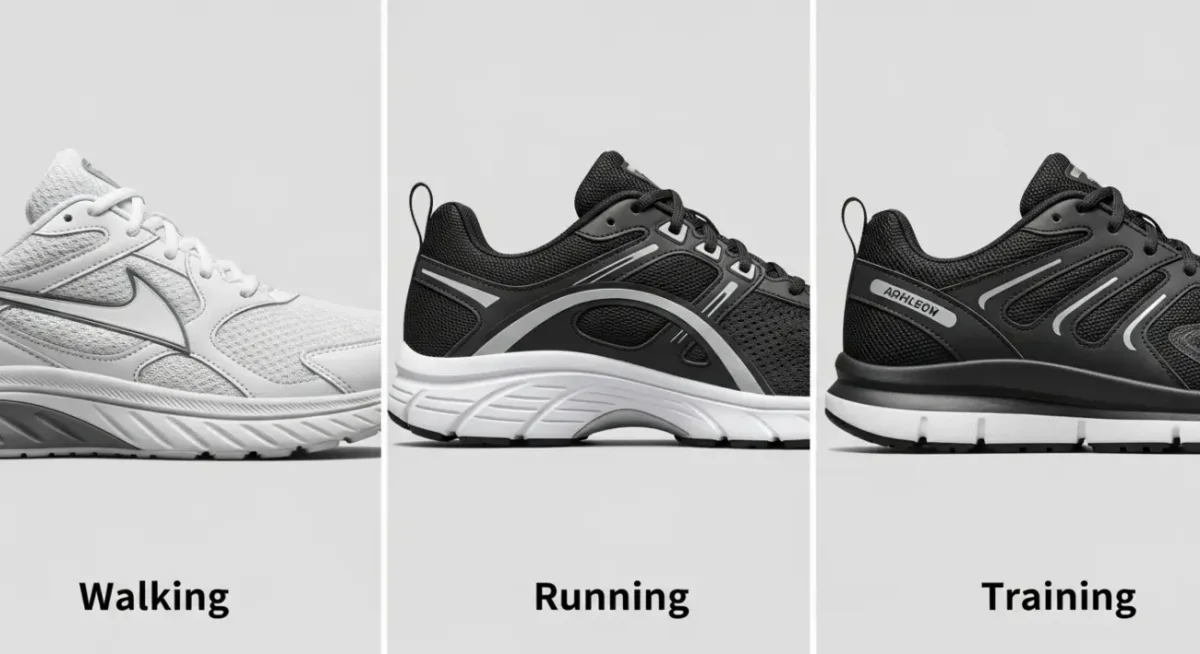
Image source: Bing (Web (fair-use with source credit))
Quick Answer: The Mileage and Months You Can Expect
Most walking shoes offer optimal cushioning and support for about 300 to 500 miles. This often translates to 6 to 12 months of regular use. However, this is a guideline, not a hard rule.
Signs Your Walking Shoes Are Past Their Prime
You've probably felt it before, that moment when your trusty walking shoes just don't feel right anymore. Several visual and tactile cues tell you it's time for a new pair. Ignoring these signs can lead to discomfort and even injury.
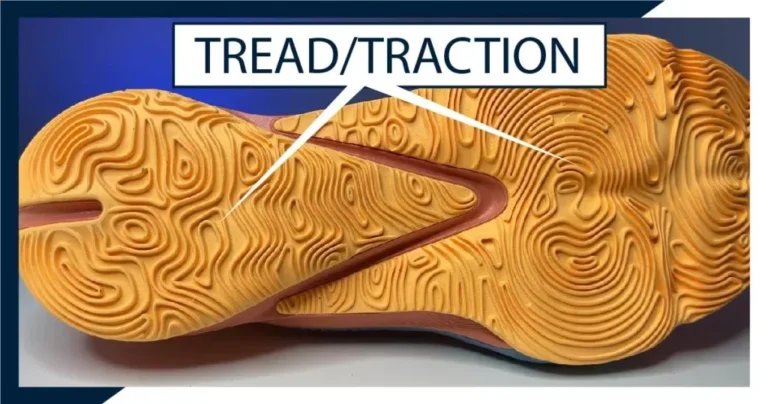
- Visible Wear on the Outsole: Check the tread pattern on the bottom of your shoes. If the tread is worn smooth in key areas, especially under the ball of your foot or heel, you're losing traction and shock absorption. Look for uneven wear patterns, which can also indicate biomechanical issues.
- Compressed Midsole Foam: The midsole is the heart of your shoe's cushioning. If it looks compressed, creased, or feels "dead" and unsupportive, it's lost its ability to absorb impact. This is often most noticeable when you bend the shoe; a worn-out shoe might bend too easily in the middle.
- Frayed or Damaged Uppers: While not always a sign of functional failure, significant tearing, stretching, or fraying of the upper material can compromise the shoe's fit and support. If the mesh is ripped or the synthetic overlays are peeling, the shoe's structure is likely compromised.
- Loss of Arch Support: As the internal structures break down, the shoe's ability to support your arch diminishes. You might notice your foot feeling flatter inside the shoe, or you might experience new aches in your arch or heel.
- New Aches and Pains: This is a critical sign. If you start experiencing foot pain, shin splints, knee discomfort, or back pain after your usual walks, your shoes are likely the culprit. They're no longer providing the necessary shock absorption and stability.
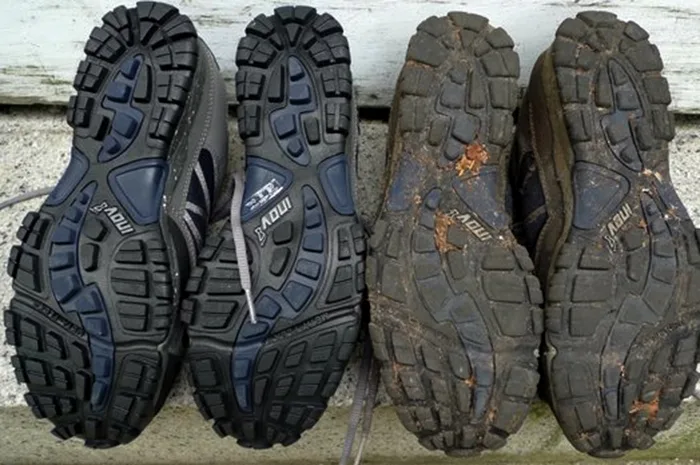
Image source: Bing (Web (fair-use with source credit))
It's worth noting that the lifespan of your walking shoes can be significantly affected by how they're used. For instance, if you frequently use them for running or high-impact activities, they'll wear out much faster than if you use them solely for leisurely strolls. Understanding the difference between What Is the Difference Between Stability and Neutral Running Shoes? can also highlight why dedicated walking shoes have their own specific wear patterns.
What Makes Walking Shoes Wear Out? Key Factors Explained
Several elements contribute to how quickly your walking shoes reach the end of their useful life. It's not just about putting miles on them; other factors play a big role in how the materials break down.
Mileage and Frequency of Use: This is the most obvious factor. The more you walk, and the further you go each time, the faster your shoes will accumulate wear. Logging your mileage can be a helpful way to track their lifespan. Aggregate user feedback often suggests that replacing shoes every 300 to 500 miles is a good benchmark, as this is when the responsive cushioning, like the foam in the midsole, starts to significantly degrade.
Your Weight and Gait: Heavier individuals naturally place more stress on their footwear, leading to faster compression of cushioning and sole materials. Similarly, your gait, how your foot strikes the ground and rolls through your stride, can cause uneven wear patterns. For example, someone who overpronates might wear down the inside edge of the outsole much faster than someone with a neutral gait.
Terrain: Walking on abrasive surfaces like concrete and asphalt will wear down the outsole tread more quickly than walking on softer surfaces like dirt paths or indoor tracks. Rough terrain can also put more stress on the shoe's overall construction.
Shoe Construction and Materials: Not all walking shoes are created equal. Higher-quality materials, like durable rubber compounds for the outsole and resilient foam for the midsole, will generally last longer. The overall construction, including how well the upper is stitched and bonded to the sole, also impacts longevity. For example, shoes designed with robust synthetics and reinforced stitching tend to hold up better than those with delicate mesh uppers.
- Midsole Foam: This is often the first component to lose its effectiveness. Over time, repeated compression breaks down the cellular structure of materials like EVA (ethylene vinyl acetate) or polyurethane, reducing their ability to bounce back and absorb shock.
- Outsole Rubber: The rubber compound determines how durable the tread is. Softer rubbers offer better grip but wear faster, while harder rubbers are more durable but can be less grippy.
- Upper Materials: Materials like mesh, synthetic leather, and textile blends are chosen for breathability and flexibility. Their durability varies, with some mesh materials being more prone to tearing or stretching over time.
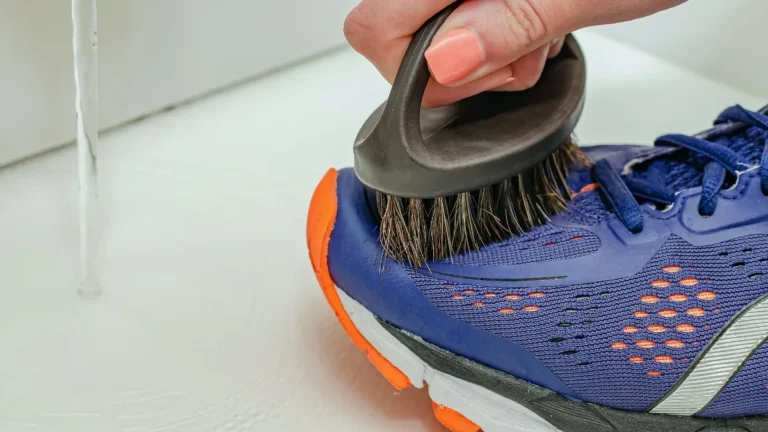
Care and Maintenance: How you treat your shoes between walks makes a difference. Improper cleaning, exposing them to extreme heat (like leaving them in a hot car), or not allowing them to dry properly can accelerate material breakdown. If you're interested in how to care for them, understanding How to Clean Running Shoes can offer transferable insights.
How to Inspect Your Walking Shoes for Wear and Tear
Regularly inspecting your walking shoes is the best way to catch wear before it becomes a problem. It’s a simple process that takes just a few minutes but can save you a lot of discomfort. You're looking for visual cues that indicate the shoe's support and cushioning are fading.
Here’s a systematic approach you can use:
Start with the Sole: Turn your shoes over and examine the entire outsole.
- Tread Wear: Pay close attention to the areas where your foot naturally impacts the ground: the heel and the ball of your foot. If the tread pattern is significantly worn down, flattened, or you can see the midsole material peeking through, that's a major sign of wear.
- Evenness: Look for uneven wear patterns. If one side is more worn than the other, it might suggest an issue with your gait or the shoe's alignment.
- Cracks or Cuts: Check for any deep cuts, cracks, or embedded debris in the outsole, which can compromise its integrity.
Examine the Midsole: This is the thick, often foam-like layer between the outsole and the upper.
- Compression Lines: Gently press down on the midsole. If you see deep creases or lines, or if it feels overly soft and doesn't spring back, the cushioning has likely compressed and lost its effectiveness.
- Bending Test: Hold the shoe by the heel and toe and try to bend it. A new walking shoe should have some resistance and bend more towards the forefoot. If it bends too easily in the middle, the midsole structure has likely weakened. Manufacturer specifications for athletic footwear often highlight the importance of maintaining midsole integrity for shock absorption.
Inspect the Upper: Look at the fabric and construction of the part that covers your foot.
- Fraying and Ripping: Check for any signs of fraying, especially around seams or where the upper meets the sole. Rips or tears in the mesh or synthetic materials can indicate structural weakness.
- Stretching: If the upper feels excessively loose or baggy, the material may have stretched out, meaning it's no longer providing a secure fit.
- Heel Collar: The padding around the heel collar can compress over time, leading to a less secure fit and potential rubbing.
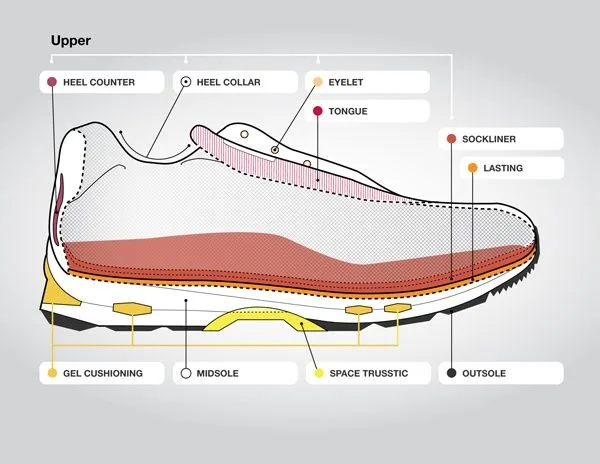
Image source: Bing (Web (fair-use with source credit))
Remember, the goal is to assess the shoe's functional integrity, not just its appearance. Even if your shoes look okay from a distance, a closer inspection will reveal their true condition. This is also why understanding What Are Shoes Made Of? can give you a better appreciation for how different materials contribute to longevity.
What Makes Walking Shoes Wear Out? Key Factors Explained
Several elements contribute to how quickly your walking shoes reach the end of their useful life. It's not just about putting miles on them; other factors play a big role in how the materials break down.
Mileage and Frequency of Use: This is the most obvious factor. The more you walk, and the further you go each time, the faster your shoes will accumulate wear. Logging your mileage can be a helpful way to track their lifespan. Aggregate user feedback often suggests that replacing shoes every 300 to 500 miles is a good benchmark, as this is when the responsive cushioning, like the foam in the midsole, starts to significantly degrade.
Your Weight and Gait: Heavier individuals naturally place more stress on their footwear, leading to faster compression of cushioning and sole materials. Similarly, your gait, how your foot strikes the ground and rolls through your stride, can cause uneven wear patterns. For example, someone who overpronates might wear down the inside edge of the outsole much faster than someone with a neutral gait.
Terrain: Walking on abrasive surfaces like concrete and asphalt will wear down the outsole tread more quickly than walking on softer surfaces like dirt paths or indoor tracks. Rough terrain can also put more stress on the shoe's overall construction.
Shoe Construction and Materials: Not all walking shoes are created equal. Higher-quality materials, like durable rubber compounds for the outsole and resilient foam for the midsole, will generally last longer. The overall construction, including how well the upper is stitched and bonded to the sole, also impacts longevity. For example, shoes designed with robust synthetics and reinforced stitching tend to hold up better than those with delicate mesh uppers.
- Midsole Foam: This is often the first component to lose its effectiveness. Over time, repeated compression breaks down the cellular structure of materials like EVA (ethylene vinyl acetate) or polyurethane, reducing their ability to bounce back and absorb shock.
- Outsole Rubber: The rubber compound determines how durable the tread is. Softer rubbers offer better grip but wear faster, while harder rubbers are more durable but can be less grippy.
- Upper Materials: Materials like mesh, synthetic leather, and textile blends are chosen for breathability and flexibility. Their durability varies, with some mesh materials being more prone to tearing or stretching over time.
Care and Maintenance: How you treat your shoes between walks makes a difference. Improper cleaning, exposing them to extreme heat (like leaving them in a hot car), or not allowing them to dry properly can accelerate material breakdown. If you're interested in how to care for them, understanding How to Clean Running Shoes can offer transferable insights.
How to Inspect Your Walking Shoes for Wear and Tear
Regularly inspecting your walking shoes is the best way to catch wear before it becomes a problem. It’s a simple process that takes just a few minutes but can save you a lot of discomfort. You're looking for visual cues that indicate the shoe's support and cushioning are fading.
Here’s a systematic approach you can use:
Start with the Sole: Turn your shoes over and examine the entire outsole.
- Tread Wear: Pay close attention to the areas where your foot naturally impacts the ground: the heel and the ball of your foot. If the tread pattern is significantly worn down, flattened, or you can see the midsole material peeking through, that's a major sign of wear.
- Evenness: Look for uneven wear patterns. If one side is more worn than the other, it might suggest an issue with your gait or the shoe's alignment.
- Cracks or Cuts: Check for any deep cuts, cracks, or embedded debris in the outsole, which can compromise its integrity.
Examine the Midsole: This is the thick, often foam-like layer between the outsole and the upper.
- Compression Lines: Gently press down on the midsole. If you see deep creases or lines, or if it feels overly soft and doesn't spring back, the cushioning has likely compressed and lost its effectiveness.
- Bending Test: Hold the shoe by the heel and toe and try to bend it. A new walking shoe should have some resistance and bend more towards the forefoot. If it bends too easily in the middle, the midsole structure has likely weakened. Manufacturer specifications for athletic footwear often highlight the importance of maintaining midsole integrity for shock absorption.
Inspect the Upper: Look at the fabric and construction of the part that covers your foot.
- Fraying and Ripping: Check for any signs of fraying, especially around seams or where the upper meets the sole. Rips or tears in the mesh or synthetic materials can indicate structural weakness.
- Stretching: If the upper feels excessively loose or baggy, the material may have stretched out, meaning it's no longer providing a secure fit.
- Heel Collar: The padding around the heel collar can compress over time, leading to a less secure fit and potential rubbing.
Image source: Bing (Web (fair-use with source credit))
Remember, the goal is to assess the shoe's functional integrity, not just its appearance. Even if your shoes look okay from a distance, a closer inspection will reveal their true condition. This is also why understanding What Are Shoes Made Of? can give you a better appreciation for how different materials contribute to longevity.
What Makes Walking Shoes Wear Out? Key Factors Explained
Several elements contribute to how quickly your walking shoes reach the end of their useful life. It's not just about putting miles on them; other factors play a big role in how the materials break down.
Mileage and Frequency of Use: This is the most obvious factor. The more you walk, and the further you go each time, the faster your shoes will accumulate wear. Logging your mileage can be a helpful way to track their lifespan. Aggregate user feedback often suggests that replacing shoes every 300 to 500 miles is a good benchmark, as this is when the responsive cushioning, like the foam in the midsole, starts to significantly degrade.
Your Weight and Gait: Heavier individuals naturally place more stress on their footwear, leading to faster compression of cushioning and sole materials. Similarly, your gait, how your foot strikes the ground and rolls through your stride, can cause uneven wear patterns. For example, someone who overpronates might wear down the inside edge of the outsole much faster than someone with a neutral gait.
Terrain: Walking on abrasive surfaces like concrete and asphalt will wear down the outsole tread more quickly than walking on softer surfaces like dirt paths or indoor tracks. Rough terrain can also put more stress on the shoe's overall construction.
Shoe Construction and Materials: Not all walking shoes are created equal. Higher-quality materials, like durable rubber compounds for the outsole and resilient foam for the midsole, will generally last longer. The overall construction, including how well the upper is stitched and bonded to the sole, also impacts longevity. For example, shoes designed with robust synthetics and reinforced stitching tend to hold up better than those with delicate mesh uppers.
- Midsole Foam: This is often the first component to lose its effectiveness. Over time, repeated compression breaks down the cellular structure of materials like EVA (ethylene vinyl acetate) or polyurethane, reducing their ability to bounce back and absorb shock.
- Outsole Rubber: The rubber compound determines how durable the tread is. Softer rubbers offer better grip but wear faster, while harder rubbers are more durable but can be less grippy.
- Upper Materials: Materials like mesh, synthetic leather, and textile blends are chosen for breathability and flexibility. Their durability varies, with some mesh materials being more prone to tearing or stretching over time.
Care and Maintenance: How you treat your shoes between walks makes a difference. Improper cleaning, exposing them to extreme heat (like leaving them in a hot car), or not allowing them to dry properly can accelerate material breakdown. If you're interested in how to care for them, understanding How to Clean Running Shoes can offer transferable insights.
How to Inspect Your Walking Shoes for Wear and Tear
Regularly inspecting your walking shoes is the best way to catch wear before it becomes a problem. It’s a simple process that takes just a few minutes but can save you a lot of discomfort. You're looking for visual cues that indicate the shoe's support and cushioning are fading.
Here’s a systematic approach you can use:
Start with the Sole: Turn your shoes over and examine the entire outsole.
- Tread Wear: Pay close attention to the areas where your foot naturally impacts the ground: the heel and the ball of your foot. If the tread pattern is significantly worn down, flattened, or you can see the midsole material peeking through, that's a major sign of wear.
- Evenness: Look for uneven wear patterns. If one side is more worn than the other, it might suggest an issue with your gait or the shoe's alignment.
- Cracks or Cuts: Check for any deep cuts, cracks, or embedded debris in the outsole, which can compromise its integrity.
Examine the Midsole: This is the thick, often foam-like layer between the outsole and the upper.
- Compression Lines: Gently press down on the midsole. If you see deep creases or lines, or if it feels overly soft and doesn't spring back, the cushioning has likely compressed and lost its effectiveness.
- Bending Test: Hold the shoe by the heel and toe and try to bend it. A new walking shoe should have some resistance and bend more towards the forefoot. If it bends too easily in the middle, the midsole structure has likely weakened. Manufacturer specifications for athletic footwear often highlight the importance of maintaining midsole integrity for shock absorption.
Inspect the Upper: Look at the fabric and construction of the part that covers your foot.
- Fraying and Ripping: Check for any signs of fraying, especially around seams or where the upper meets the sole. Rips or tears in the mesh or synthetic materials can indicate structural weakness.
- Stretching: If the upper feels excessively loose or baggy, the material may have stretched out, meaning it's no longer providing a secure fit.
- Heel Collar: The padding around the heel collar can compress over time, leading to a less secure fit and potential rubbing.
Image source: Bing (Web (fair-use with source credit))
Remember, the goal is to assess the shoe's functional integrity, not just its appearance. Even if your shoes look okay from a distance, a closer inspection will reveal their true condition. This is also why understanding What Are Shoes Made Of? can give you a better appreciation for how different materials contribute to longevity.
What Makes Walking Shoes Wear Out? Key Factors Explained
Several elements contribute to how quickly your walking shoes reach the end of their useful life. It's not just about putting miles on them; other factors play a big role in how the materials break down.
Mileage and Frequency of Use: This is the most obvious factor. The more you walk, and the further you go each time, the faster your shoes will accumulate wear. Logging your mileage can be a helpful way to track their lifespan. Aggregate user feedback often suggests that replacing shoes every 300 to 500 miles is a good benchmark, as this is when the responsive cushioning, like the foam in the midsole, starts to significantly degrade.
Your Weight and Gait: Heavier individuals naturally place more stress on their footwear, leading to faster compression of cushioning and sole materials. Similarly, your gait, how your foot strikes the ground and rolls through your stride, can cause uneven wear patterns. For example, someone who overpronates might wear down the inside edge of the outsole much faster than someone with a neutral gait.
Terrain: Walking on abrasive surfaces like concrete and asphalt will wear down the outsole tread more quickly than walking on softer surfaces like dirt paths or indoor tracks. Rough terrain can also put more stress on the shoe's overall construction.
Shoe Construction and Materials: Not all walking shoes are created equal. Higher-quality materials, like durable rubber compounds for the outsole and resilient foam for the midsole, will generally last longer. The overall construction, including how well the upper is stitched and bonded to the sole, also impacts longevity. For example, shoes designed with robust synthetics and reinforced stitching tend to hold up better than those with delicate mesh uppers.
- Midsole Foam: This is often the first component to lose its effectiveness. Over time, repeated compression breaks down the cellular structure of materials like EVA (ethylene vinyl acetate) or polyurethane, reducing their ability to bounce back and absorb shock.
- Outsole Rubber: The rubber compound determines how durable the tread is. Softer rubbers offer better grip but wear faster, while harder rubbers are more durable but can be less grippy.
- Upper Materials: Materials like mesh, synthetic leather, and textile blends are chosen for breathability and flexibility. Their durability varies, with some mesh materials being more prone to tearing or stretching over time.
Care and Maintenance: How you treat your shoes between walks makes a difference. Improper cleaning, exposing them to extreme heat (like leaving them in a hot car), or not allowing them to dry properly can accelerate material breakdown. If you're interested in how to care for them, understanding How to Clean Running Shoes can offer transferable insights.
How to Inspect Your Walking Shoes for Wear and Tear
Regularly inspecting your walking shoes is the best way to catch wear before it becomes a problem. It’s a simple process that takes just a few minutes but can save you a lot of discomfort. You're looking for visual cues that indicate the shoe's support and cushioning are fading.
Here’s a systematic approach you can use:
Start with the Sole: Turn your shoes over and examine the entire outsole.
- Tread Wear: Pay close attention to the areas where your foot naturally impacts the ground: the heel and the ball of your foot. If the tread pattern is significantly worn down, flattened, or you can see the midsole material peeking through, that's a major sign of wear.
- Evenness: Look for uneven wear patterns. If one side is more worn than the other, it might suggest an issue with your gait or the shoe's alignment.
- Cracks or Cuts: Check for any deep cuts, cracks, or embedded debris in the outsole, which can compromise its integrity.
Examine the Midsole: This is the thick, often foam-like layer between the outsole and the upper.
- Compression Lines: Gently press down on the midsole. If you see deep creases or lines, or if it feels overly soft and doesn't spring back, the cushioning has likely compressed and lost its effectiveness.
- Bending Test: Hold the shoe by the heel and toe and try to bend it. A new walking shoe should have some resistance and bend more towards the forefoot. If it bends too easily in the middle, the midsole structure has likely weakened. Manufacturer specifications for athletic footwear often highlight the importance of maintaining midsole integrity for shock absorption.
Inspect the Upper: Look at the fabric and construction of the part that covers your foot.
- Fraying and Ripping: Check for any signs of fraying, especially around seams or where the upper meets the sole. Rips or tears in the mesh or synthetic materials can indicate structural weakness.
- Stretching: If the upper feels excessively loose or baggy, the material may have stretched out, meaning it's no longer providing a secure fit.
- Heel Collar: The padding around the heel collar can compress over time, leading to a less secure fit and potential rubbing.
Image source: Bing (Web (fair-use with source credit))
Remember, the goal is to assess the shoe's functional integrity, not just its appearance. Even if your shoes look okay from a distance, a closer inspection will reveal their true condition. This is also why understanding What Are Shoes Made Of? can give you a better appreciation for how different materials contribute to longevity.
What Makes Walking Shoes Wear Out? Key Factors Explained
Several elements contribute to how quickly your walking shoes reach the end of their useful life. It's not just about putting miles on them; other factors play a big role in how the materials break down.
Mileage and Frequency of Use: This is the most obvious factor. The more you walk, and the further you go each time, the faster your shoes will accumulate wear. Logging your mileage can be a helpful way to track their lifespan. Aggregate user feedback often suggests that replacing shoes every 300 to 500 miles is a good benchmark, as this is when the responsive cushioning, like the foam in the midsole, starts to significantly degrade.
Your Weight and Gait: Heavier individuals naturally place more stress on their footwear, leading to faster compression of cushioning and sole materials. Similarly, your gait, how your foot strikes the ground and rolls through your stride, can cause uneven wear patterns. For example, someone who overpronates might wear down the inside edge of the outsole much faster than someone with a neutral gait.
Terrain: Walking on abrasive surfaces like concrete and asphalt will wear down the outsole tread more quickly than walking on softer surfaces like dirt paths or indoor tracks. Rough terrain can also put more stress on the shoe's overall construction.
Shoe Construction and Materials: Not all walking shoes are created equal. Higher-quality materials, like durable rubber compounds for the outsole and resilient foam for the midsole, will generally last longer. The overall construction, including how well the upper is stitched and bonded to the sole, also impacts longevity. For example, shoes designed with robust synthetics and reinforced stitching tend to hold up better than those with delicate mesh uppers.
- Midsole Foam: This is often the first component to lose its effectiveness. Over time, repeated compression breaks down the cellular structure of materials like EVA (ethylene vinyl acetate) or polyurethane, reducing their ability to bounce back and absorb shock.
- Outsole Rubber: The rubber compound determines how durable the tread is. Softer rubbers offer better grip but wear faster, while harder rubbers are more durable but can be less grippy.
- Upper Materials: Materials like mesh, synthetic leather, and textile blends are chosen for breathability and flexibility. Their durability varies, with some mesh materials being more prone to tearing or stretching over time.
Care and Maintenance: How you treat your shoes between walks makes a difference. Improper cleaning, exposing them to extreme heat (like leaving them in a hot car), or not allowing them to dry properly can accelerate material breakdown. If you're interested in how to care for them, understanding How to Clean Running Shoes can offer transferable insights.
How to Inspect Your Walking Shoes for Wear and Tear
Regularly inspecting your walking shoes is the best way to catch wear before it becomes a problem. It’s a simple process that takes just a few minutes but can save you a lot of discomfort. You're looking for visual cues that indicate the shoe's support and cushioning are fading.
Here’s a systematic approach you can use:
Start with the Sole: Turn your shoes over and examine the entire outsole.
- Tread Wear: Pay close attention to the areas where your foot naturally impacts the ground: the heel and the ball of your foot. If the tread pattern is significantly worn down, flattened, or you can see the midsole material peeking through, that's a major sign of wear.
- Evenness: Look for uneven wear patterns. If one side is more worn than the other, it might suggest an issue with your gait or the shoe's alignment.
- Cracks or Cuts: Check for any deep cuts, cracks, or embedded debris in the outsole, which can compromise its integrity.
Examine the Midsole: This is the thick, often foam-like layer between the outsole and the upper.
- Compression Lines: Gently press down on the midsole. If you see deep creases or lines, or if it feels overly soft and doesn't spring back, the cushioning has likely compressed and lost its effectiveness.
- Bending Test: Hold the shoe by the heel and toe and try to bend it. A new walking shoe should have some resistance and bend more towards the forefoot. If it bends too easily in the middle, the midsole structure has likely weakened. Manufacturer specifications for athletic footwear often highlight the importance of maintaining midsole integrity for shock absorption.
Inspect the Upper: Look at the fabric and construction of the part that covers your foot.
- Fraying and Ripping: Check for any signs of fraying, especially around seams or where the upper meets the sole. Rips or tears in the mesh or synthetic materials can indicate structural weakness.
- Stretching: If the upper feels excessively loose or baggy, the material may have stretched out, meaning it's no longer providing a secure fit.
- Heel Collar: The padding around the heel collar can compress over time, leading to a less secure fit and potential rubbing.
Image source: Bing (Web (fair-use with source credit))
Remember, the goal is to assess the shoe's functional integrity, not just its appearance. Even if your shoes look okay from a distance, a closer inspection will reveal their true condition. This is also why understanding What Are Shoes Made Of? can give you a better appreciation for how different materials contribute to longevity.
What Makes Walking Shoes Wear Out? Key Factors Explained
Several elements contribute to how quickly your walking shoes reach the end of their useful life. It's not just about putting miles on them; other factors play a big role in how the materials break down.
Mileage and Frequency of Use: This is the most obvious factor. The more you walk, and the further you go each time, the faster your shoes will accumulate wear. Logging your mileage can be a helpful way to track their lifespan. Aggregate user feedback often suggests that replacing shoes every 300 to 500 miles is a good benchmark, as this is when the responsive cushioning, like the foam in the midsole, starts to significantly degrade.
Your Weight and Gait: Heavier individuals naturally place more stress on their footwear, leading to faster compression of cushioning and sole materials. Similarly, your gait, how your foot strikes the ground and rolls through your stride, can cause uneven wear patterns. For example, someone who overpronates might wear down the inside edge of the outsole much faster than someone with a neutral gait.
Terrain: Walking on abrasive surfaces like concrete and asphalt will wear down the outsole tread more quickly than walking on softer surfaces like dirt paths or indoor tracks. Rough terrain can also put more stress on the shoe's overall construction.
Shoe Construction and Materials: Not all walking shoes are created equal. Higher-quality materials, like durable rubber compounds for the outsole and resilient foam for the midsole, will generally last longer. The overall construction, including how well the upper is stitched and bonded to the sole, also impacts longevity. For example, shoes designed with robust synthetics and reinforced stitching tend to hold up better than those with delicate mesh uppers.
- Midsole Foam: This is often the first component to lose its effectiveness. Over time, repeated compression breaks down the cellular structure of materials like EVA (ethylene vinyl acetate) or polyurethane, reducing their ability to bounce back and absorb shock.
- Outsole Rubber: The rubber compound determines how durable the tread is. Softer rubbers offer better grip but wear faster, while harder rubbers are more durable but can be less grippy.
- Upper Materials: Materials like mesh, synthetic leather, and textile blends are chosen for breathability and flexibility. Their durability varies, with some mesh materials being more prone to tearing or stretching over time.
Care and Maintenance: How you treat your shoes between walks makes a difference. Improper cleaning, exposing them to extreme heat (like leaving them in a hot car), or not allowing them to dry properly can accelerate material breakdown. If you're interested in how to care for them, understanding How to Clean Running Shoes can offer transferable insights.
How to Inspect Your Walking Shoes for Wear and Tear
Regularly inspecting your walking shoes is the best way to catch wear before it becomes a problem. It’s a simple process that takes just a few minutes but can save you a lot of discomfort. You're looking for visual cues that indicate the shoe's support and cushioning are fading.
Here’s a systematic approach you can use:
Start with the Sole: Turn your shoes over and examine the entire outsole.
- Tread Wear: Pay close attention to the areas where your foot naturally impacts the ground: the heel and the ball of your foot. If the tread pattern is significantly worn down, flattened, or you can see the midsole material peeking through, that's a major sign of wear.
- Evenness: Look for uneven wear patterns. If one side is more worn than the other, it might suggest an issue with your gait or the shoe's alignment.
- Cracks or Cuts: Check for any deep cuts, cracks, or embedded debris in the outsole, which can compromise its integrity.
Examine the Midsole: This is the thick, often foam-like layer between the outsole and the upper.
- Compression Lines: Gently press down on the midsole. If you see deep creases or lines, or if it feels overly soft and doesn't spring back, the cushioning has likely compressed and lost its effectiveness.
- Bending Test: Hold the shoe by the heel and toe and try to bend it. A new walking shoe should have some resistance and bend more towards the forefoot. If it bends too easily in the middle, the midsole structure has likely weakened. Manufacturer specifications for athletic footwear often highlight the importance of maintaining midsole integrity for shock absorption.
Inspect the Upper: Look at the fabric and construction of the part that covers your foot.
- Fraying and Ripping: Check for any signs of fraying, especially around seams or where the upper meets the sole. Rips or tears in the mesh or synthetic materials can indicate structural weakness.
- Stretching: If the upper feels excessively loose or baggy, the material may have stretched out, meaning it's no longer providing a secure fit.
- Heel Collar: The padding around the heel collar can compress over time, leading to a less secure fit and potential rubbing.
Image source: Bing (Web (fair-use with source credit))
Remember, the goal is to assess the shoe's functional integrity, not just its appearance. Even if your shoes look okay from a distance, a closer inspection will reveal their true condition. This is also why understanding What Are Shoes Made Of? can give you a better appreciation for how different materials contribute to longevity.
What Makes Walking Shoes Wear Out? Key Factors Explained
Several elements contribute to how quickly your walking shoes reach the end of their useful life. It's not just about putting miles on them; other factors play a big role in how the materials break down.
Mileage and Frequency of Use: This is the most obvious factor. The more you walk, and the further you go each time, the faster your shoes will accumulate wear. Logging your mileage can be a helpful way to track their lifespan. Aggregate user feedback often suggests that replacing shoes every 300 to 500 miles is a good benchmark, as this is when the responsive cushioning, like the foam in the midsole, starts to significantly degrade.
Your Weight and Gait: Heavier individuals naturally place more stress on their footwear, leading to faster compression of cushioning and sole materials. Similarly, your gait, how your foot strikes the ground and rolls through your stride, can cause uneven wear patterns. For example, someone who overpronates might wear down the inside edge of the outsole much faster than someone with a neutral gait.
Terrain: Walking on abrasive surfaces like concrete and asphalt will wear down the outsole tread more quickly than walking on softer surfaces like dirt paths or indoor tracks. Rough terrain can also put more stress on the shoe's overall construction.
Shoe Construction and Materials: Not all walking shoes are created equal. Higher-quality materials, like durable rubber compounds for the outsole and resilient foam for the midsole, will generally last longer. The overall construction, including how well the upper is stitched and bonded to the sole, also impacts longevity. For example, shoes designed with robust synthetics and reinforced stitching tend to hold up better than those with delicate mesh uppers.
- Midsole Foam: This is often the first component to lose its effectiveness. Over time, repeated compression breaks down the cellular structure of materials like EVA (ethylene vinyl acetate) or polyurethane, reducing their ability to bounce back and absorb shock.
- Outsole Rubber: The rubber compound determines how durable the tread is. Softer rubbers offer better grip but wear faster, while harder rubbers are more durable but can be less grippy.
- Upper Materials: Materials like mesh, synthetic leather, and textile blends are chosen for breathability and flexibility. Their durability varies, with some mesh materials being more prone to tearing or stretching over time.
Care and Maintenance: How you treat your shoes between walks makes a difference. Improper cleaning, exposing them to extreme heat (like leaving them in a hot car), or not allowing them to dry properly can accelerate material breakdown. If you're interested in how to care for them, understanding How to Clean Running Shoes can offer transferable insights.
How to Inspect Your Walking Shoes for Wear and Tear
Regularly inspecting your walking shoes is the best way to catch wear before it becomes a problem. It’s a simple process that takes just a few minutes but can save you a lot of discomfort. You're looking for visual cues that indicate the shoe's support and cushioning are fading.
Here’s a systematic approach you can use:
Start with the Sole: Turn your shoes over and examine the entire outsole.
- Tread Wear: Pay close attention to the areas where your foot naturally impacts the ground: the heel and the ball of your foot. If the tread pattern is significantly worn down, flattened, or you can see the midsole material peeking through, that's a major sign of wear.
- Evenness: Look for uneven wear patterns. If one side is more worn than the other, it might suggest an issue with your gait or the shoe's alignment.
- Cracks or Cuts: Check for any deep cuts, cracks, or embedded debris in the outsole, which can compromise its integrity.
Examine the Midsole: This is the thick, often foam-like layer between the outsole and the upper.
- Compression Lines: Gently press down on the midsole. If you see deep creases or lines, or if it feels overly soft and doesn't spring back, the cushioning has likely compressed and lost its effectiveness.
- Bending Test: Hold the shoe by the heel and toe and try to bend it. A new walking shoe should have some resistance and bend more towards the forefoot. If it bends too easily in the middle, the midsole structure has likely weakened. Manufacturer specifications for athletic footwear often highlight the importance of maintaining midsole integrity for shock absorption.
Inspect the Upper: Look at the fabric and construction of the part that covers your foot.
- Fraying and Ripping: Check for any signs of fraying, especially around seams or where the upper meets the sole. Rips or tears in the mesh or synthetic materials can indicate structural weakness.
- Stretching: If the upper feels excessively loose or baggy, the material may have stretched out, meaning it's no longer providing a secure fit.
- Heel Collar: The padding around the heel collar can compress over time, leading to a less secure fit and potential rubbing.
Image source: Bing (Web (fair-use with source credit))
Remember, the goal is to assess the shoe's functional integrity, not just its appearance. Even if your shoes look okay from a distance, a closer inspection will reveal their true condition. This is also why understanding What Are Shoes Made Of? can give you a better appreciation for how different materials contribute to longevity.
What Makes Walking Shoes Wear Out? Key Factors Explained
Several elements contribute to how quickly your walking shoes reach the end of their useful life. It's not just about putting miles on them; other factors play a big role in how the materials break down.
Mileage and Frequency of Use: This is the most obvious factor. The more you walk, and the further you go each time, the faster your shoes will accumulate wear. Logging your mileage can be a helpful way to track their lifespan. Aggregate user feedback often suggests that replacing shoes every 300 to 500 miles is a good benchmark, as this is when the responsive cushioning, like the foam in the midsole, starts to significantly degrade.
Your Weight and Gait: Heavier individuals naturally place more stress on their footwear, leading to faster compression of cushioning and sole materials. Similarly, your gait, how your foot strikes the ground and rolls through your stride, can cause uneven wear patterns. For example, someone who overpronates might wear down the inside edge of the outsole much faster than someone with a neutral gait.
Terrain: Walking on abrasive surfaces like concrete and asphalt will wear down the outsole tread more quickly than walking on softer surfaces like dirt paths or indoor tracks. Rough terrain can also put more stress on the shoe's overall construction.
Shoe Construction and Materials: Not all walking shoes are created equal. Higher-quality materials, like durable rubber compounds for the outsole and resilient foam for the midsole, will generally last longer. The overall construction, including how well the upper is stitched and bonded to the sole, also impacts longevity. For example, shoes designed with robust synthetics and reinforced stitching tend to hold up better than those with delicate mesh uppers.
- Midsole Foam: This is often the first component to lose its effectiveness. Over time, repeated compression breaks down the cellular structure of materials like EVA (ethylene vinyl acetate) or polyurethane, reducing their ability to bounce back and absorb shock.
- Outsole Rubber: The rubber compound determines how durable the tread is. Softer rubbers offer better grip but wear faster, while harder rubbers are more durable but can be less grippy.
- Upper Materials: Materials like mesh, synthetic leather, and textile blends are chosen for breathability and flexibility. Their durability varies, with some mesh materials being more prone to tearing or stretching over time.
Care and Maintenance: How you treat your shoes between walks makes a difference. Improper cleaning, exposing them to extreme heat (like leaving them in a hot car), or not allowing them to dry properly can accelerate material breakdown. If you're interested in how to care for them, understanding How to Clean Running Shoes can offer transferable insights.