How to Choose Work Shoes
Choosing the right work shoes is more than just picking something that looks decent. It's about finding footwear that supports your health, safety, and comfort throughout your workday. Getting this decision right can prevent long-term foot problems and keep you productive.
Our research into occupational footwear indicates that many common workplace injuries stem from inadequate or inappropriate shoe choices. For example, the Occupational Safety and Health Administration (OSHA) mandates certain protective measures in hazardous environments, often starting with the shoes you wear. Let's explore how to make the best choice for your specific needs.
Quick Answer
To choose work shoes, first identify your job's safety requirements and physical demands. Look for comfort, support, and slip-resistance. For hazardous roles, prioritize safety features like steel toes and puncture resistance.
Always try shoes on late in the day with work socks for a proper fit.
What's Really Important When Picking Work Shoes?
When you're on your feet all day, the shoes you choose can make or break your comfort and even your safety. It's not just about style; it's about function. Think about the daily grind: are you constantly moving, standing in one spot, or dealing with potential hazards?
These factors heavily influence the kind of shoe that will serve you best.
Our research shows that neglecting proper footwear can lead to issues ranging from general foot fatigue to more serious injuries. For instance, aggregate reviews often highlight how inadequate arch support contributes to plantar fasciitis. The right shoes provide a stable foundation, reduce impact, and protect your feet, allowing you to focus on your tasks without distraction.
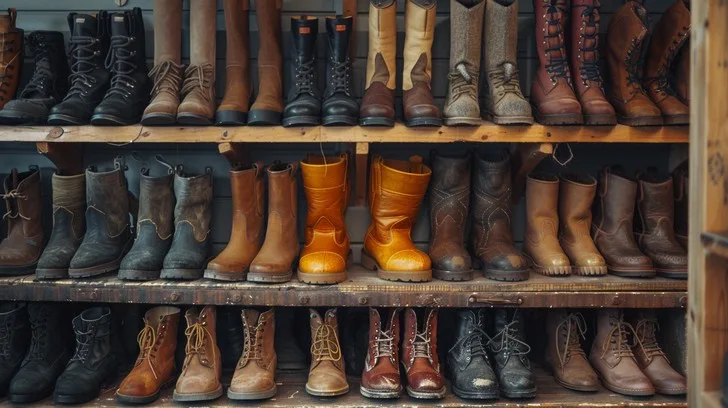
Image source: Bing (Web (fair-use with source credit))
Your Job Dictates the Shoe: Finding the Right Category
The single most important factor in selecting work shoes is understanding your daily tasks and the environment you work in. Different jobs present unique challenges, and your footwear needs to be tailored accordingly. For example, a construction site has vastly different requirements than a corporate office or a busy hospital ward.
Our analysis of occupational footwear needs suggests a clear correlation between job type and optimal shoe design. If your work involves minimal physical strain and no specific hazards, standard comfortable shoes might suffice. However, for roles with demanding physical activity or risk factors, specialized footwear becomes essential.
What's Your Gig? Matching Shoes to Your Work Environment
Your daily responsibilities are the starting point for shoe selection. Let's break down typical work environments and the shoe characteristics they demand.
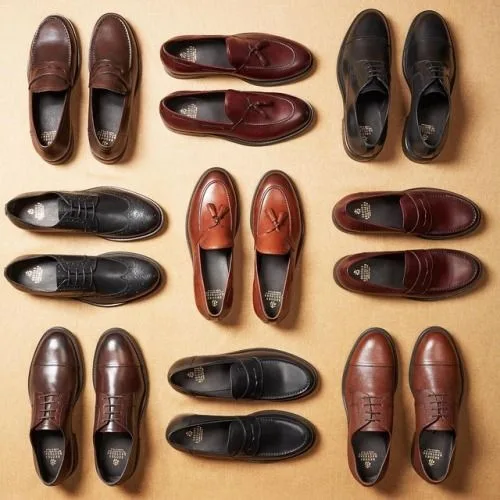
Office Environments: If your job involves mostly desk work with occasional walking around an office, smart casual or dress shoes are often suitable. The primary concerns here are comfort for extended sitting and walking, and a professional appearance. Heavy-duty protection is usually unnecessary, and you can often opt for styles that align with the company dress code. You might also be interested in learning what is a stability running shoe if you walk a lot between meetings, as stability features can offer good support.
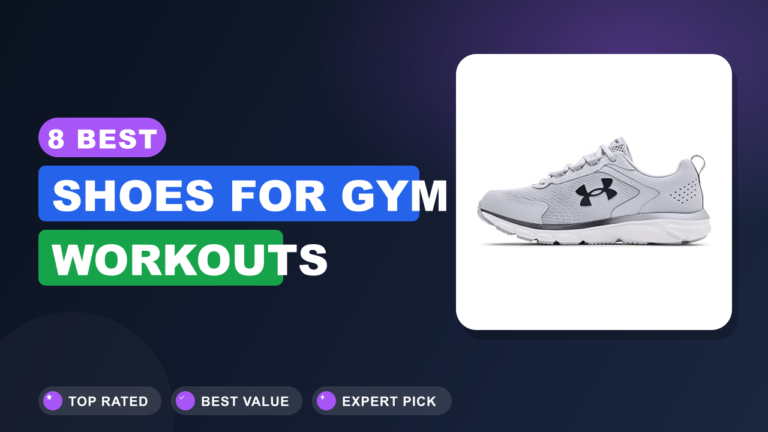
Retail and Hospitality: These roles often mean being on your feet for long periods, frequently on hard flooring. Good cushioning and arch support are critical to prevent fatigue. Slip-resistance is also a major plus, especially in areas prone to spills. Many professionals in these fields find athletic-style shoes or specialized comfort clogs to be excellent choices.
Healthcare: Long shifts, constant movement, and the potential for spills (water, bodily fluids) make comfort, support, and superior slip-resistance paramount in healthcare settings. Many nurses and medical staff prefer specialized clogs or athletic-inspired footwear designed for all-day wear. Breathability is also a key factor to combat long hours.
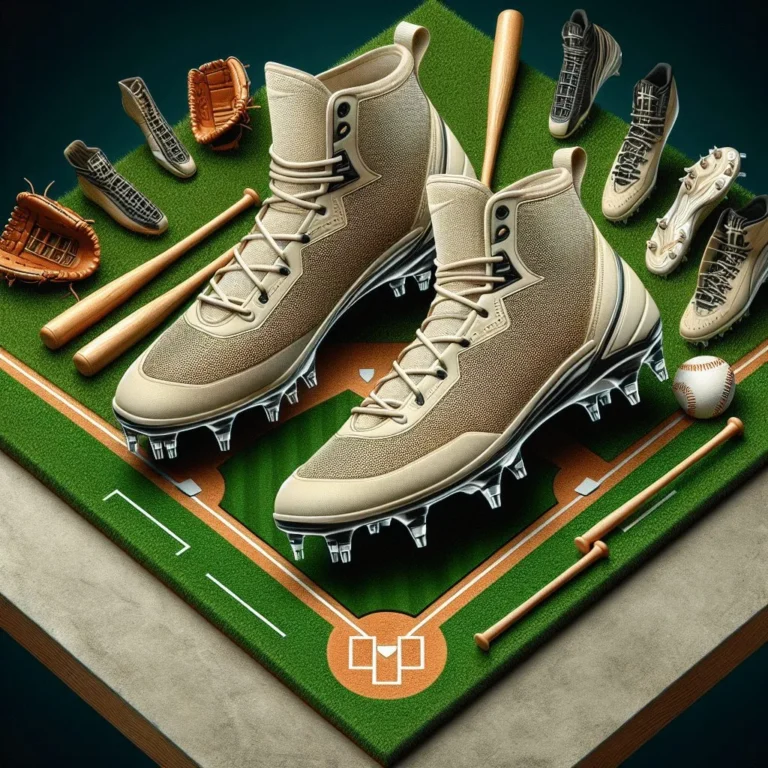
Construction, Trades, and Industrial Settings: These jobs often come with significant safety risks. Footwear here typically requires robust protection against impact, puncture, and crushing hazards. Durability is also key, as these shoes must withstand harsh conditions. You'll often need features like reinforced toe caps and heavy-duty outsoles.
Warehouse and Manufacturing: Similar to construction, warehouse environments demand footwear that can handle long hours on hard surfaces while offering protection against dropped items or other hazards. Slip-resistance and impact protection are frequently required by employers.
When Safety Comes First: Essential Protective Features
In many professions, selecting work shoes is not just about comfort but also about mandatory safety compliance. These features are designed to protect you from specific workplace hazards. It's crucial to understand what protections your job requires, as failure to comply can have serious consequences.
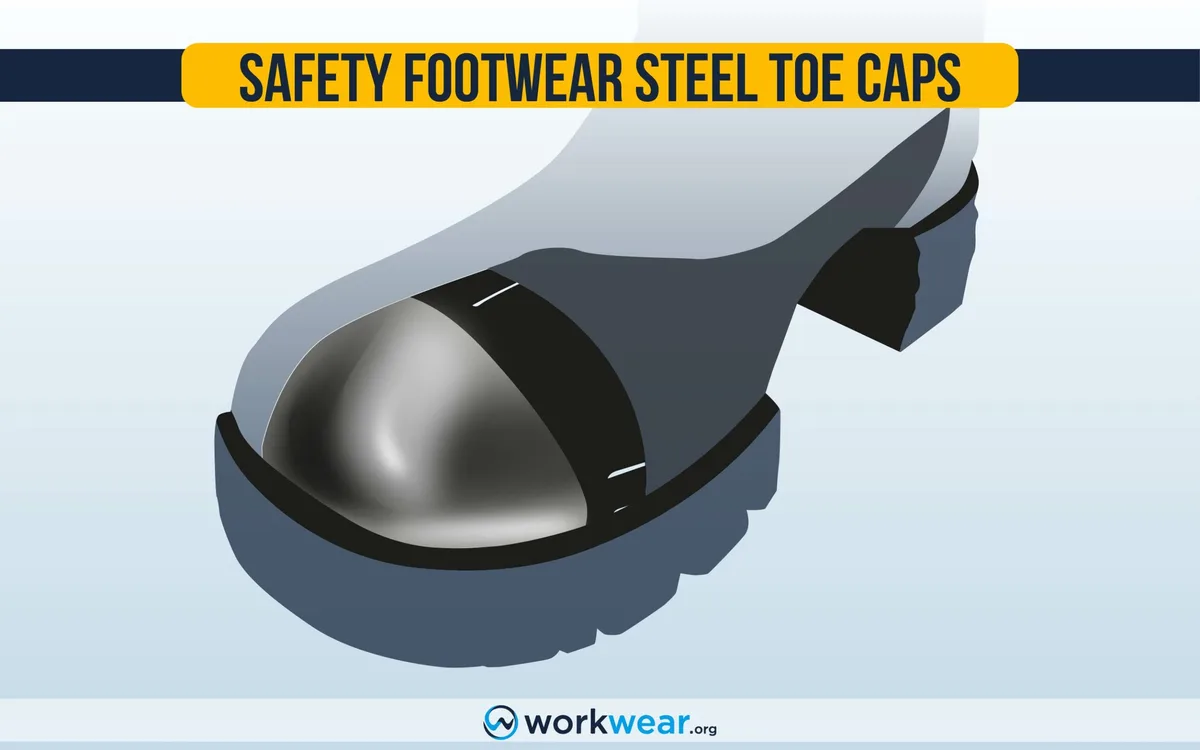
Image source: Bing (Web (fair-use with source credit))
Per standards set by bodies like the American Society for Testing and Materials (ASTM), protective footwear is categorized based on the hazards it mitigates. Always check your employer's specific requirements or relevant industry standards, such as those from ASTM International, to ensure your shoes meet the necessary safety benchmarks.
Safety Features Explained
Steel Toe / Composite Toe: These are caps integrated into the front of the shoe to protect your toes from falling objects or compression. Steel toes are traditional and offer excellent protection, but composite toes (made from materials like Kevlar or carbon fiber) are lighter and do not conduct electricity, which is a benefit in environments with electrical hazards. ASTM F2413 is a standard that specifies performance requirements for protective footwear.
Puncture Resistance: A plate, often made of metal or composite material, is embedded in the sole. This feature prevents sharp objects, like nails or debris, from piercing through the bottom of the shoe and injuring your foot. This is vital for many roles in construction and industrial settings.
Electrical Hazard (EH) Protection: If you work with or around electricity, EH-rated footwear offers a secondary layer of protection against accidental electrical contact. These shoes are designed to reduce the risk of shock by providing insulation. The ASTM F2413 standard also covers EH protection.
Metatarsal Guards: These guards cover the metatarsal bones on the top of your foot, offering protection against crushing injuries. They are often found on heavy-duty work boots for industries with significant impact risks.
Key Features That Make a Difference (Beyond Safety)
Even if your job doesn't require stringent safety certifications, certain features in work shoes are universally beneficial. These attributes contribute significantly to your overall comfort, well-being, and ability to perform your job effectively throughout the day. Think of these as the foundational elements for any good work shoe, regardless of specific hazard ratings.
Our research indicates that prioritizing these features can preemptively address common issues faced by individuals who spend long hours on their feet. For example, a shoe with inadequate cushioning can contribute to impact stress on joints over time, a factor that detailed user feedback often highlights. As of 2026, manufacturers continue to innovate in these areas to improve wearer experience.
Comfort, Support, and Breathability: The Non-Negotiables
These three attributes are often what separate a pair of shoes you can tolerate from a pair you can actually live in. They directly impact your physical comfort and can prevent fatigue and even long-term health problems.
Image source: Bing (Web (fair-use with source credit))
Comfort: This is the most subjective but arguably the most important feature. A comfortable shoe feels good from the moment you put it on, with no pinching, rubbing, or awkward pressure points. It should accommodate the natural shape of your foot without being too loose or too tight. Learning how much room should be in a shoe is key to understanding proper fit.
Support: Good work shoes provide adequate support, especially in the arch and heel. Arch support helps to distribute pressure evenly across your foot, reducing strain on your muscles and tendons. This can prevent issues like plantar fasciitis or general foot pain. The goal is to keep your foot in a neutral, balanced position. You might find that understanding what is cushioning in running shoes helps you appreciate the role of padding in comfort and support.
Breathability: This refers to how well a shoe allows air to circulate, helping to keep your feet cool and dry. Materials like mesh, canvas, or certain treated leathers promote breathability. Poor breathability can lead to sweaty feet, discomfort, and an increased risk of fungal infections.
Comparing Your Work Shoe Options: A Practical Breakdown
With an understanding of your job's demands and essential features, you can now start looking at the different types of work shoes available. Each category offers a unique blend of protection, comfort, and suitability for specific tasks. It's not a one-size-fits-all situation; the best shoe for a nurse is likely not the best for a construction worker.
Our comparative analysis focuses on how different shoe types address the varied needs of the modern workforce. By examining their strengths and weaknesses, you can more easily pinpoint which category aligns best with your daily activities and any safety requirements. Remember that while running shoes are designed for athletic performance, understanding their features can sometimes inform choices for comfort in less demanding work roles, for instance, learning can you use running shoes for walking can offer insight into casual comfort.
Work Boots vs. Sneakers vs. Clogs vs. Dress Shoes: Which is Best?
Here’s a look at common work shoe types and where they typically shine:
| Shoe Type | Best For | Key Strengths | Potential Weaknesses |
|---|---|---|---|
| Work Boots | Construction, trades, heavy industry, warehouse, outdoor jobs | High durability, excellent protection (toe, ankle, puncture), robust grip | Can be heavy and stiff, require a break-in period, less flexible |
| Athletic/Sneakers | Healthcare, retail, food service, light industrial, general office | Lightweight, flexible, good cushioning, often breathable, easy to wear | May lack specific safety features (toe, puncture), durability varies, some aren't slip-resistant |
| Clogs | Healthcare, food service, anyone standing for very long hours | Easy to slip on/off, good for standing, often supportive, some offer heel straps | Can be less secure than laced shoes, support level varies, some lack ankle protection |
| Dress Shoes | Office jobs, formal client-facing roles, business environments | Professional appearance, comfortable for moderate walking | Minimal to no safety features, can be less durable for heavy use, limited support |
| Loafers | Office, casual professional environments, light retail roles | Easy to wear, comfortable, professional yet relaxed appearance | Limited support and protection, not ideal for physically demanding tasks |
How to Actually Try On and Test Your Work Shoes
You've researched the types, you know the features you need. Now comes the most crucial part: trying them on. This step can’t be rushed; it’s where you truly determine if a shoe will work for you.
Don't rely solely on online reviews or brand reputation, your feet are unique, and the fit is everything.
Manufacturer specifications and user feedback consistently show that improper fit is a primary cause of discomfort and potential injury. As of 2026, many footwear companies offer detailed sizing guides, but the physical try-on remains essential. Learning how to measure your feet for shoes can help you start with the right size, but on-foot testing is the final check.
Making the Final Fit: Testing for Comfort and Function
When you go to try on shoes, remember a few key tips to ensure you get the best possible fit and performance. This process helps you avoid common pitfalls that lead to buyer's remorse or, worse, foot problems down the line.
Timing is Everything: Try on shoes later in the day, ideally in the afternoon or evening. Your feet naturally swell throughout the day due to gravity and activity, so this will give you a more accurate sense of how the shoes will fit during your workday.
Wear Your Work Socks: Always try on work shoes with the exact type of socks you plan to wear them with. Different sock thicknesses can significantly alter the fit of a shoe, so a thin dress sock will feel very different from a thick work sock.
Walk It Out: Don't just stand there! Walk around the store for at least 5, 10 minutes. If possible, try to walk on different surfaces or even go up and down a small set of stairs. Pay attention to any rubbing, pinching, or pressure points.
Toe Space Check: Ensure there's adequate room in the toe box. You should have about a thumb's width of space between your longest toe and the front of the shoe when standing. Your toes should be able to wiggle freely without feeling constricted. This aligns with general advice on how much room should be in a shoe.
Heel Fit: Your heel should feel secure without slipping up and down excessively as you walk. A little initial snugness is fine, but significant heel slippage is a sign of a poor fit. You want a shoe that moves with your foot, not against it.
Common Mistakes to Sidestep When Buying Work Shoes
Making the wrong choice about work shoes can lead to a cascade of problems, from daily discomfort to costly injuries. Many people fall into the same few traps, thinking they're saving time or money, only to regret it later. Understanding these common errors can help you avoid them and make a much wiser purchase.
Our editorial analysis of footwear issues indicates that several recurring mistakes lead to poor work shoe selections. For instance, prioritizing price over features is a frequent pitfall. Per general occupational safety guidance, underestimating the importance of slip-resistance can also lead to dangerous accidents.
Buying Based Purely on Price: The cheapest option often lacks durability, support, and necessary safety features. This can lead to premature wear and tear, requiring replacement sooner than expected, or worse, contributing to injury.
Ignoring Job-Specific Needs: Wearing shoes not designed for your work environment is a recipe for disaster. For example, wearing standard fashion sneakers on a construction site offers no protection against falling objects or puncture hazards.
Not Trying Them On Properly: As we covered, a quick try-on isn't enough. Shoes that feel okay for two minutes might become unbearable after eight hours. This includes not wearing the correct socks or not walking around enough in the store.
Assuming All Brands Fit the Same: Even within the same size, different brands and models can have distinct fits. What works for one person's foot shape might not work for yours. Always test each specific shoe.
Overlooking Durability: Work shoes endure a lot. Buying something that looks good but is made of flimsy materials means you'll be shopping again much sooner than you'd like. Check stitching, sole adhesion, and material quality.
Frequently Asked Questions About Work Shoes
What is the most important factor when choosing work shoes?
The most important factor is matching the shoe's features and protective qualities to your specific job requirements and the risks involved. This ensures both safety and comfort.
How often should I replace my work shoes?
This depends heavily on the type of shoe, your work environment, and how often you wear them. Generally, if safety features are compromised, cushioning is worn out, or the soles are significantly degraded, it's time for a replacement. Some safety boots are rated for a specific lifespan, while general work shoes might last 6, 12 months with daily use.
Can I wear my running shoes for work?
For some office or light retail roles, yes, if they offer sufficient comfort and support and the workplace allows it. However, running shoes typically lack the durability, specific slip-resistance, and protective features required for more demanding or hazardous jobs. You can learn more about what is a stability running shoe if you're considering comfort features for walking.