What Is Suede?
When you're looking for that extra touch of luxury in your clothing or home goods, you've likely encountered suede. But what exactly is suede, and what makes it different from regular leather? It's a material known for its incredibly soft, napped surface, offering a distinct aesthetic and feel that's hard to replicate.
Understanding its origins and properties can help you appreciate its unique qualities and care for it properly.
Suede isn't a separate type of skin; it's a specific way of finishing leather. Per industry standards, it's derived from the underside of the animal hide, which is then buffed to create a fuzzy, velvety texture. This preparation is key to its characteristic appearance, making it a popular choice for anything from high-end jackets to durable upholstery.
Quick Answer
Suede is a type of leather with a soft, napped surface. It's made from the underside of animal hides, buffed to raise fuzzy fibers. This creates a velvety texture distinct from smooth leather.
Suede is used in apparel, footwear, and upholstery.
What Makes Suede, Suede?
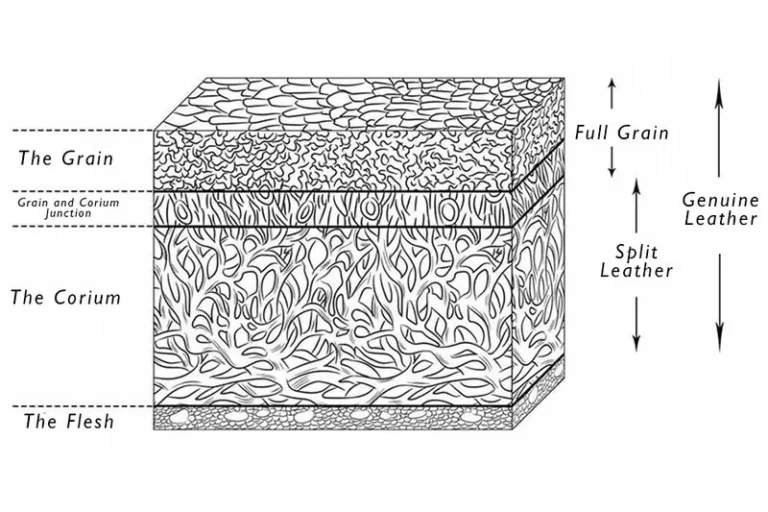
At its heart, suede is defined by its distinctive surface. It's not a specific animal; rather, it's a finishing process applied to leather. When animal hides are prepared for leather production, they can be split into layers.
Suede is made from the inner layer, the one closest to the animal's flesh. This fibrous side is then sanded or buffed, which pulls out and raises tiny fibers. These fibers create the signature soft, fuzzy, almost velvety texture that characterizes suede.
This raised nap gives suede its unique visual depth and tactile appeal, making it feel luxurious and plush to the touch.
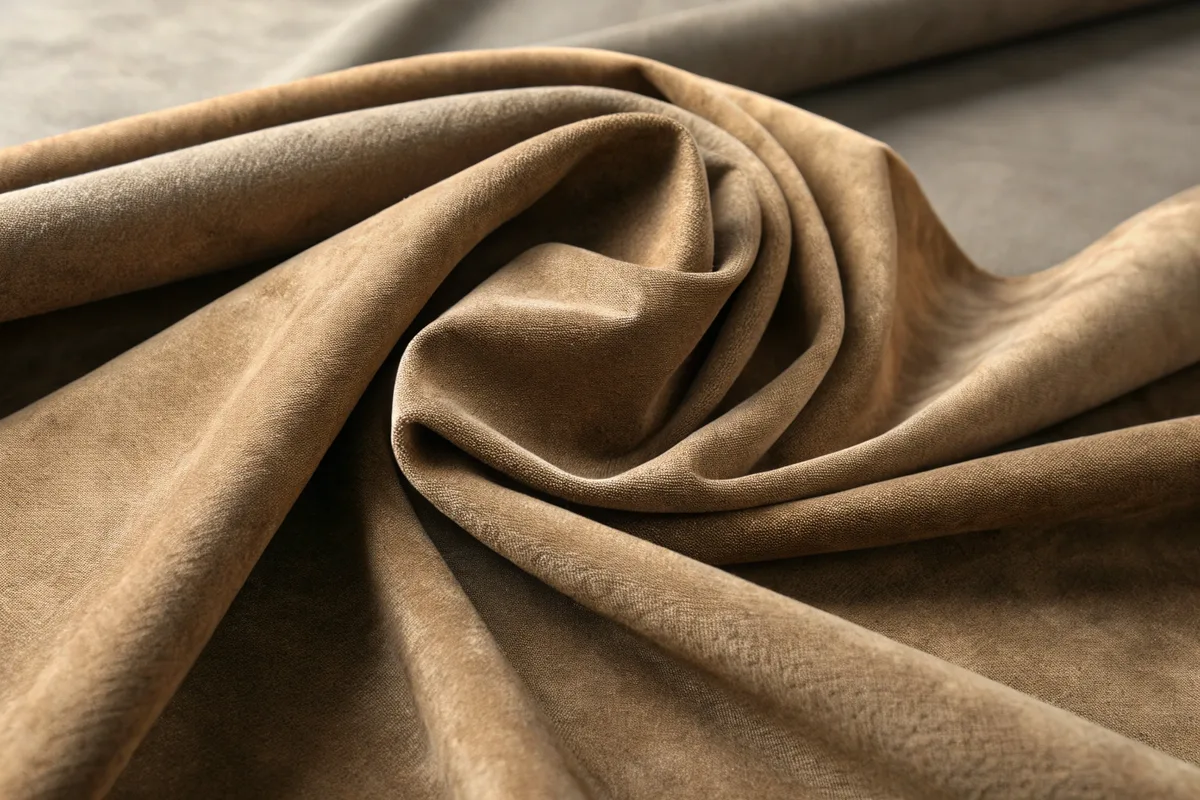
Image source: Bing (Web (fair-use with source credit))
The Feel and Look of Suede
The defining characteristic of suede is its feel and look, both directly tied to its napped surface. When you touch suede, you'll notice an incredible softness. It's not slick or smooth like top-grain leather; instead, it has a gentle resistance as your hand moves across it.
This texture is often described as velvety, plush, or even like a very fine brush.
The "nap" of the suede also creates visual interest. Depending on how the light hits the fibers and the direction they're brushed, the color can appear to shift. Running your hand one way might make it look darker and richer, while brushing the other way can lighten it.
This subtle variation in tone and texture is part of what gives suede its depth and sophisticated appearance. It’s this tactile and visual quality that makes it stand out in fashion and decor.
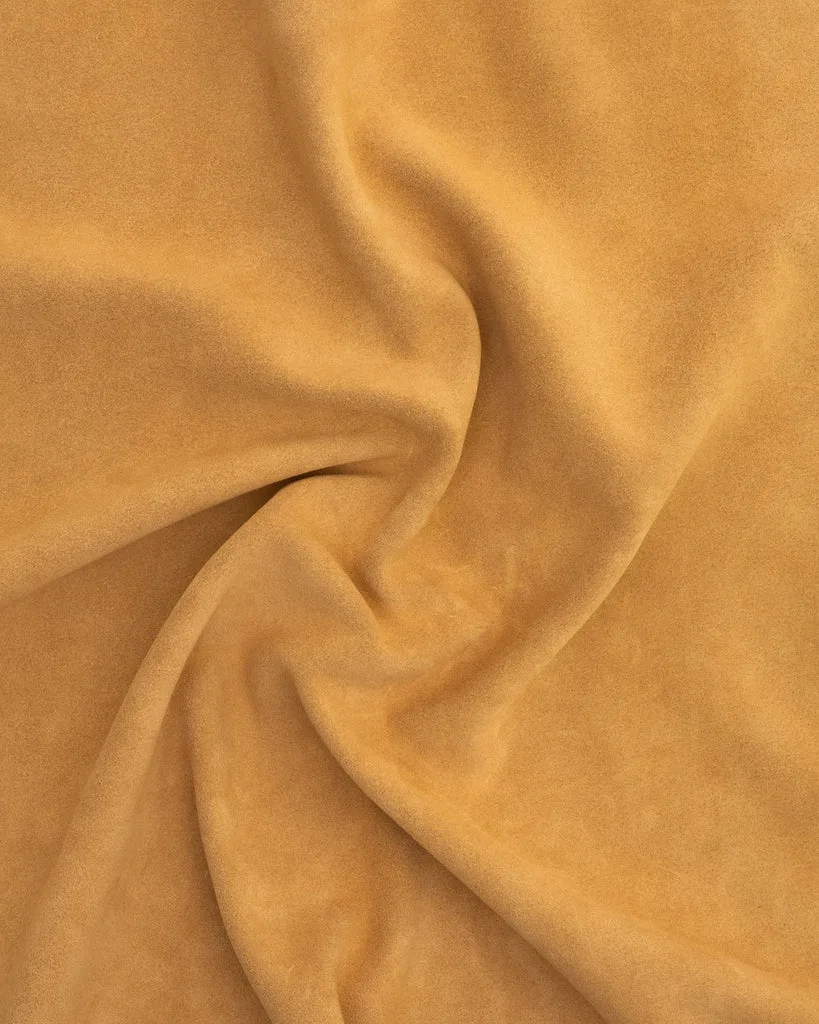
Image source: Bing (Web (fair-use with source credit))
Suede's Origins: From Hide to Nap
Understanding where suede comes from helps explain its unique properties. The process starts with animal hides, most commonly sheep, goats, or cows. After the initial tanning process to preserve the hide, it's often split into layers.
The top layer, known as full-grain or top-grain leather, retains the natural outer surface of the hide and is generally smoother and more durable. Suede, however, utilizes the inner layer.
This inner layer is inherently fibrous and less dense. To transform it into suede, this flesh side is extensively buffed, sanded, or brushed. This mechanical action teases out the short, dense fibers from the hide's inner surface.
The result is a uniformly fuzzy texture across the entire material, giving it that characteristic soft nap. This manufacturing approach means suede is typically more flexible and pliable than its smooth leather counterparts, though it also affects its durability and resistance to the elements.

Image source: Bing (Web (fair-use with source credit))
Common Suede Hides: Sheep, Goat, and More
While the term "suede" describes the finish, the type of animal hide used significantly influences the final product's characteristics. You'll commonly find suede made from several different animals, each offering a unique balance of softness, durability, and cost.
- Sheepskin Suede: This is one of the most prevalent types. It's known for its exceptional softness and pliability, making it a favorite for delicate items like gloves, bomber jackets, and linings. It's generally thinner and more flexible, though it can be less durable than other suedes.
- Goatskin Suede: Goat suede strikes a nice balance between softness and durability. It's often slightly more robust and resistant to wear and tear than sheepskin, while still maintaining a luxurious feel. This makes it a versatile choice for footwear, bags, and lighter apparel.
- Cowhide Suede: Suede made from cowhide tends to be thicker and more rugged. It offers excellent durability and can withstand more demanding use, making it suitable for heavier items like work boots or sturdy upholstery. However, it might not be as supple as sheepskin or goatskin.
- Pigskin Suede: Less common, pigskin suede can offer a distinct texture, sometimes more textured and less uniformly fuzzy than other types.
The choice of hide impacts not just the feel but also how the suede behaves over time, influencing its need for specific care and maintenance.
Where You'll Find Suede: Uses and Applications
Suede's unique combination of softness, visual appeal, and flexibility makes it a highly sought-after material across various industries, particularly in fashion and home furnishings. Its luxurious texture elevates everyday items into something special.
In fashion, suede is a classic choice for clothing and accessories. You'll frequently see it in:
- Apparel: Jackets (like the iconic bomber or trucker styles), blazers, skirts, and trousers often feature suede for a sophisticated yet relaxed look.
- Footwear: Suede boots, loafers, and casual shoes are popular for their comfort and stylish appearance. Its soft texture makes it a great alternative to smooth leather for everyday wear. You can learn more about different types of shoe materials in our guide on what shoes are made of.
- Accessories: Handbags, wallets, and gloves made from suede add a touch of elegance. The material’s pliability is ideal for crafting these items.
Beyond clothing, suede also plays a significant role in interior design:
- Upholstery: Suede can be used for sofas, chairs, and ottomans, providing a warm, inviting, and tactile element to a room. Its durability, especially in cowhide varieties, makes it practical for furniture.
- Home Decor: Small items like throw pillows or the lining of decorative boxes can also be made from suede, adding subtle touches of luxury.
The versatility of suede means it can be found in items ranging from casual everyday wear to high-end designer pieces, prized for its distinctive aesthetic and comfortable feel. It’s a material that adds a touch of class to many different applications.
Suede's Not-So-Great Sides: Challenges and Care
While suede offers a unique appeal, its delicate nature presents specific challenges. The very texture that makes it so desirable also makes it more susceptible to damage than smoother leathers. Understanding these limitations is key to proper care and longevity.
- Water Susceptibility: Suede is highly sensitive to moisture. Water can easily stain it, darken the fibers, and, if left untreated, cause it to stiffen and lose its softness. Unlike some smooth leathers that can be wiped dry, water marks on suede are often permanent or require professional cleaning to address.
- Stain Magnet: The napped surface has a tendency to trap dirt, dust, and oils. Grease, food spills, or even mud can be difficult to remove completely without specialized tools or treatments. Even dry dirt can embed itself into the fibers, dulling the material’s appearance.
- Wear and Tear: Regular friction can flatten or damage the nap, causing shiny spots or bald patches, especially on high-wear areas like the heels of shoes or the arms of a suede jacket. This wear is often irreversible without professional refurbishment.
- Cleaning Complexity: Cleaning suede requires specific brushes and often special cleaning products designed for its delicate fibers. Using harsh chemicals or regular soap and water can permanently damage the material. Many consumers opt for professional cleaning for significant issues, which adds to the overall cost of ownership.
Because of these factors, suede items often require more deliberate maintenance and protection compared to other leather goods.
FAQs About Suede
What is the difference between suede and nubuck?
Nubuck is also a napped leather, but it's made by sanding the outer (grain) side of the hide, not the inner side like suede. This usually results in a finer, more uniform nap and often a more durable material than suede.
Can suede get wet?
While suede can get wet, it's not recommended. Water can cause staining, darkening, and stiffening of the fibers. If suede does get wet, blot it immediately with a clean, dry cloth and let it air dry away from direct heat.
Is suede more expensive than regular leather?
Suede can sometimes be less expensive than high-quality full-grain leather because it uses the less desirable inner split of the hide. However, premium suedes or those made from more exotic hides can be quite costly.
How do you clean a suede stain?
For light, dry stains, a suede brush or a pencil eraser can often lift the mark. For tougher or wet stains, specialized suede cleaning kits or professional cleaning services are usually necessary. Avoid using water-based cleaners or rubbing vigorously.