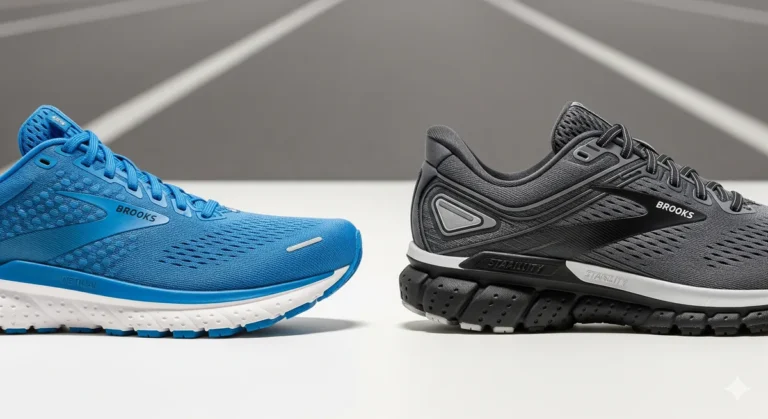
What Is Mesh in Shoes?
When you're looking at athletic shoes, or even just comfortable everyday sneakers, you've probably seen the word "mesh." But what exactly is mesh in shoes, and why does it matter for how your feet feel? It's a common material, but understanding its role can make a big difference in your comfort and performance.
Mesh is essentially a fabric made with an open weave, allowing air to pass through easily. This material is key in modern footwear for breathability and weight. Manufacturer specifications often highlight specific weave densities and material compositions, like polyester or nylon blends, to achieve desired airflow characteristics.
Quick Answer
Mesh in shoes is an open-weave fabric, typically polyester or nylon. Its primary function is to increase footwear breathability and reduce weight. This allows air to circulate, keeping feet cooler and drier during activity.
Mesh in Shoes: The Breathability Factor
Breathability is a huge deal when it comes to footwear, especially for anything involving movement or extended wear. Your feet can get pretty warm and sweaty, and if that moisture has nowhere to go, it can lead to discomfort, blisters, and odor issues. That’s where mesh shines.
The open weave of mesh fabric creates tiny holes that allow air to move freely in and out of the shoe. This continuous airflow helps to dissipate heat and wick away moisture from your skin.
In our research, we've found that shoes with highly breathable uppers, like those made with engineered mesh, can significantly reduce the build-up of heat and humidity inside the shoe. For instance, studies on athletic footwear often cite the importance of ventilation for maintaining thermal comfort and preventing skin maceration. When you're running or working out, this constant exchange of air is crucial for keeping your feet feeling fresh and preventing that sticky, damp sensation.
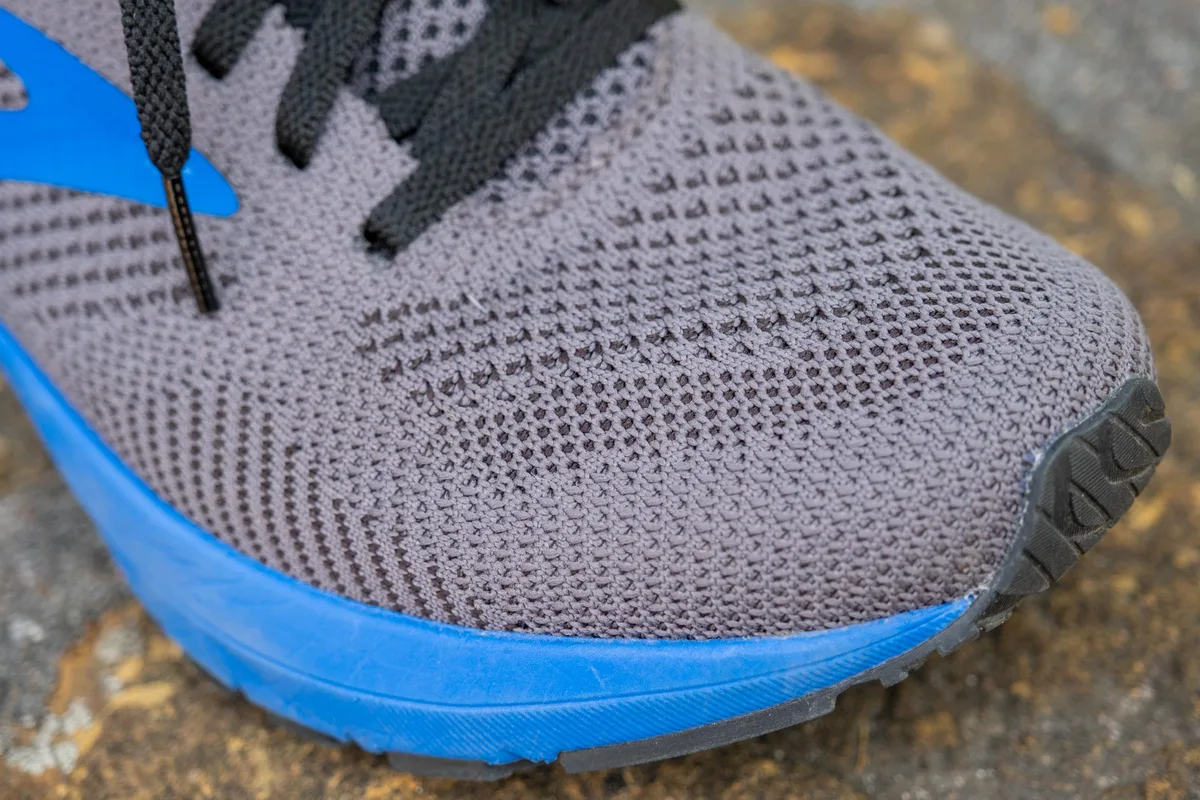
Image source: Bing (Web (fair-use with source credit))
Mesh vs. Leather and Synthetics: A Closer Look
When you're picking out a pair of shoes, you're usually deciding between a few main types of upper materials: mesh, leather, and various synthetic materials. Each has its own set of characteristics, and knowing the differences can help you choose the right shoe for your needs.
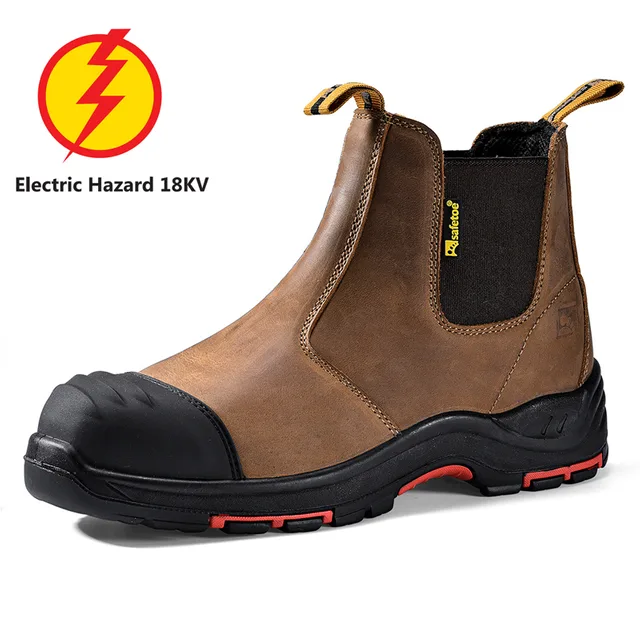
Leather is known for its durability and classic look. It can offer some breathability, especially if it's treated or perforated, but it generally doesn't allow for the same level of airflow as mesh. Synthetic materials, like polyurethane or thermoplastic polyurethane (TPU), can be engineered for a wide range of properties, from flexibility to water resistance, but they often don't offer the same natural breathability as a well-designed mesh.
Here's a quick rundown to help you see the distinctions:
| Feature | Mesh | Leather | Synthetic Materials |
|---|---|---|---|
| Breathability | High | Moderate to Low (can vary with treatment) | Low to Moderate (depends on type) |
| Weight | Very Lightweight | Moderate to Heavy | Lightweight to Moderate |
| Flexibility | High | Moderate (can stiffen) | Variable (can be very flexible or stiff) |
| Durability | Moderate (can snag/tear) | High | Variable (can be very durable or brittle) |
| Water Resistance | Low | Moderate to High (with treatment) | Variable (often treated for water resistance) |
Choosing between these materials really comes down to what you prioritize. If keeping your feet cool and dry is paramount, especially for high-intensity activities or in warm weather, mesh is often the go-to. If you need something super tough for rough terrain or a more formal appearance, leather or specific synthetics might be better.
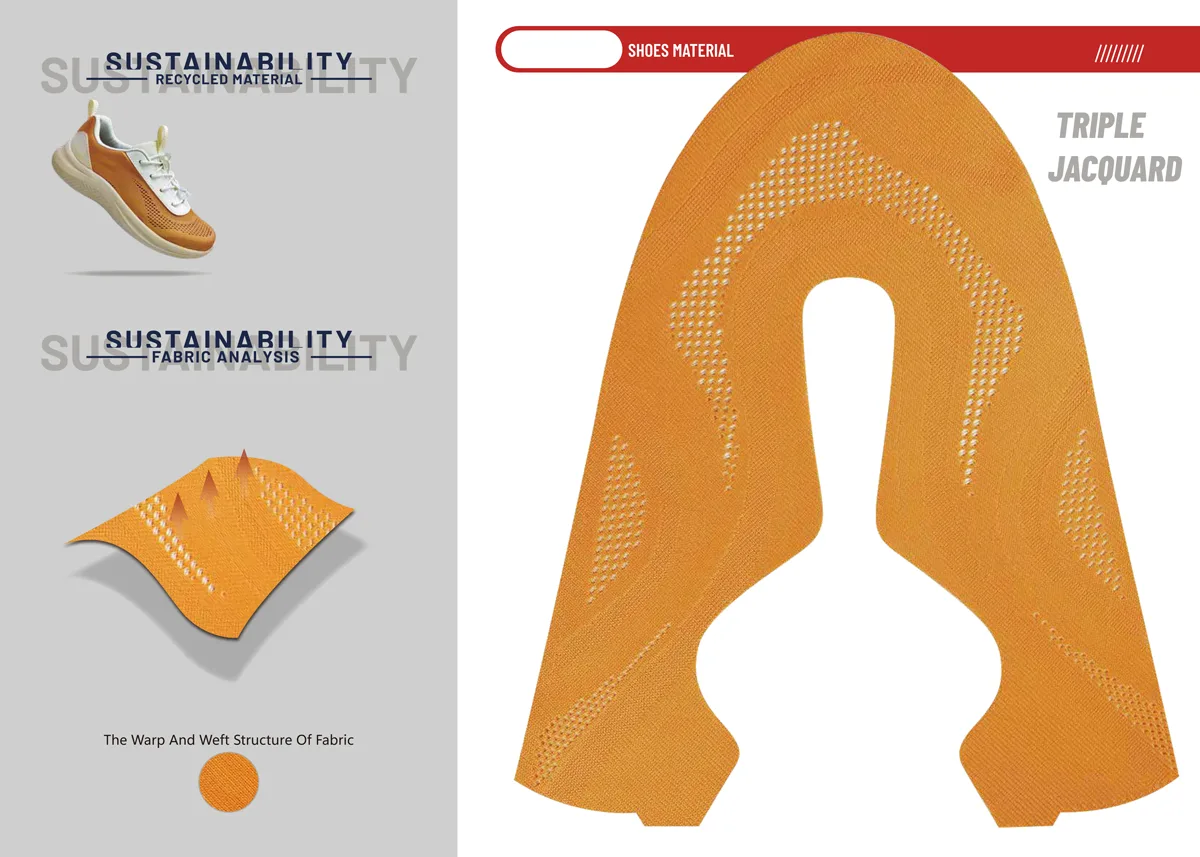
Image source: Bing (Web (fair-use with source credit))
When Mesh Shines: Best Footwear Use Cases
Mesh isn't just a random material thrown into shoes; it's chosen specifically for certain applications where its properties offer a clear advantage. The primary benefit is that unparalleled breathability, which makes mesh ideal for activities where your feet generate a lot of heat and moisture.
Think about these scenarios:
- Running: Especially in warmer conditions, the airflow from mesh uppers helps keep runners' feet from overheating, reducing the risk of blisters and improving overall comfort over long distances. For road running, where consistent airflow is key, engineered mesh is a staple. You can learn more about the specific types of running shoes on the core features of running shoes.
- Training and Gym Workouts: When you're doing a variety of exercises, from lifting weights to cardio, your feet can still get warm. Mesh provides the ventilation needed to keep you comfortable and focused.
- Warm Weather Casual Wear: For everyday sneakers, especially during spring and summer, mesh offers a lightweight and airy feel that’s perfect for staying cool on the go.
- Water Sports or Beach Activities: While not waterproof, mesh can dry much faster than leather or heavy synthetics, making it suitable for shoes that might get wet.
Essentially, if your activity involves significant foot heat generation or if you're in a climate where staying cool is a priority, mesh footwear is likely going to be your best friend. It's designed to maximize air circulation, which directly translates to a more comfortable experience when your feet are working hard or simply exposed to warm air.

Image source: Bing (Web (fair-use with source credit))
Downsides of Mesh: What to Watch Out For
While mesh offers fantastic breathability, it's not a perfect material for every situation. Understanding its limitations is just as important as knowing its benefits so you can make the right choice for your footwear needs.
One of the main drawbacks of mesh is its durability, especially compared to materials like leather. The open weave, while great for airflow, means there are more points of potential weakness. Mesh can be prone to snagging on rough surfaces, which can lead to tears or holes over time.
This is particularly true for finer weaves or in areas that experience a lot of abrasion.
Here are some common issues you might encounter with mesh footwear:
- Tears and Snags: If you're hiking on rocky trails or doing activities where your shoes might brush against sharp objects, mesh can be more susceptible to damage than tougher materials. This is why shoes designed for trail running often incorporate reinforced toe caps and more durable synthetic overlays. For more on the differences, check out road versus trail running footwear.
- Limited Water Resistance: Mesh lets air pass through easily, but it also lets water in. If you're walking through puddles or in very wet conditions, your feet will likely get wet quickly. While some mesh shoes are treated to be water-repellent, they typically aren't waterproof.
- Dirt and Debris Intrusion: The larger openings in some mesh patterns can allow small stones, dirt, and debris to enter the shoe, which can be uncomfortable and potentially abrasive.
- Less Support (Potentially): Some very thin or loosely woven mesh can offer less structural support than other materials. This might be a consideration if you need a shoe with significant stability features. If you're curious about different types of support, you might want to read about what makes a shoe a stability running shoe or understanding motion control running shoes.
Choosing the Right Shoe Material for You
Deciding which shoe material is best ultimately depends on how and where you plan to use your footwear. It's all about matching the shoe's properties to your activity and environment. If breathability and keeping your feet cool are top priorities, mesh is a fantastic choice, especially for running or warm-weather wear.
However, if you need rugged durability, water resistance, or a more structured feel, you might want to lean towards leather or advanced synthetic materials.
Consider your typical use. For example, if you're a runner who trains primarily on paved roads or treadmills and values lightweight comfort, an engineered mesh upper is likely ideal. If you're a hiker who tackles varied terrain and might encounter puddles or sharp rocks, a shoe with a more robust leather or synthetic upper, perhaps with water-repellent treatments, would serve you better.
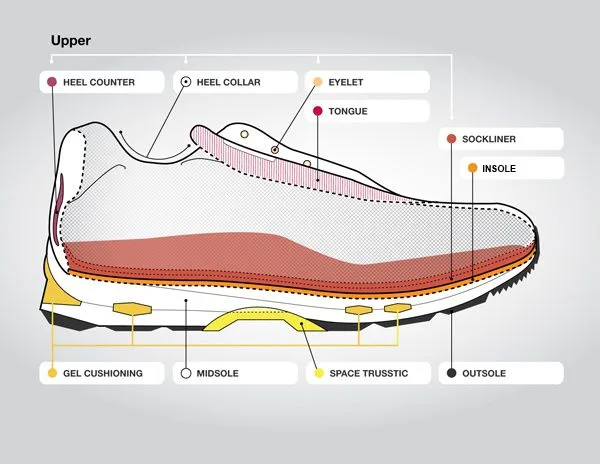
It's also worth noting that many shoes are constructed using a combination of materials to get the best of both worlds. You might find a shoe with a mesh upper for breathability in the midfoot and forefoot, paired with more durable synthetic or leather overlays in high-wear areas like the toe box and heel for added protection and support. This hybrid approach allows manufacturers to optimize performance for specific activities.
Understanding the trade-offs is key. For instance, a shoe that offers excellent cushioning might be fantastic for impact absorption, but if its upper material doesn't breathe well, you could still end up with discomfort. Similarly, a shoe that's incredibly lightweight might feel fast, but if it lacks adequate support or durability for your chosen activity, it won't perform optimally.
For a deeper dive into what makes a shoe comfortable and functional, you might explore how cushioning impacts running shoes. As of 2026, material science continues to evolve, offering new blends and weaves that aim to maximize benefits while minimizing drawbacks across all footwear types.