What Is Rubber Outsole?
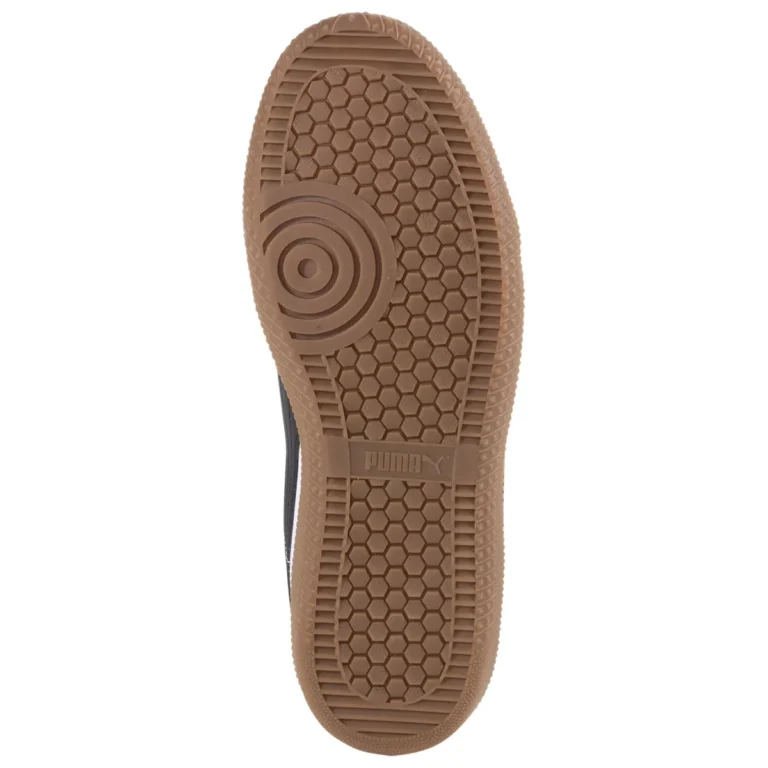
When you look at the bottom of your shoe, what you see is the outsole. It's the part that makes contact with the ground, taking all the wear and tear. But have you ever stopped to think about what that material actually is and why it matters?
Understanding the outsole is key to knowing how your shoes perform, from grip to durability.
Specifically, many shoes rely on a rubber outsole for its reliable performance. These can be made from various compounds, with specifications often referencing ASTM standards for abrasion resistance, like ASTM D4060, which measures material loss over a set number of cycles. This focus on the material's physical properties is why a rubber outsole is such a common and effective choice.
Quick Answer
A rubber outsole is the outermost layer of a shoe's sole, made from various rubber compounds. It's chosen for its excellent traction, durability, and flexibility. This material grips surfaces well and resists wear, making it ideal for athletic, casual, and work footwear.
Manufacturer specifications often detail abrasion resistance and grip properties.
Core Explanation: Understanding the Shoe's Foundation
The outsole is the very bottom layer of your shoe, the part that directly interacts with whatever surface you're walking, running, or standing on. Think of it as the tire of your shoe. Its primary jobs are to provide traction, protect the softer cushioning layers above (like the midsole), and offer some degree of shock absorption.
When we talk about a rubber outsole, we're specifying that this crucial layer is constructed from one or more types of rubber.
Manufacturers use a wide array of rubber blends. Some are formulated for maximum grip, others for extreme durability, and some aim for a balance of both. The exact composition can significantly impact the shoe's performance, feel, and how long it lasts.
This is why understanding the outsole material is so important when selecting footwear, especially if you have specific needs like excellent grip on slick surfaces.
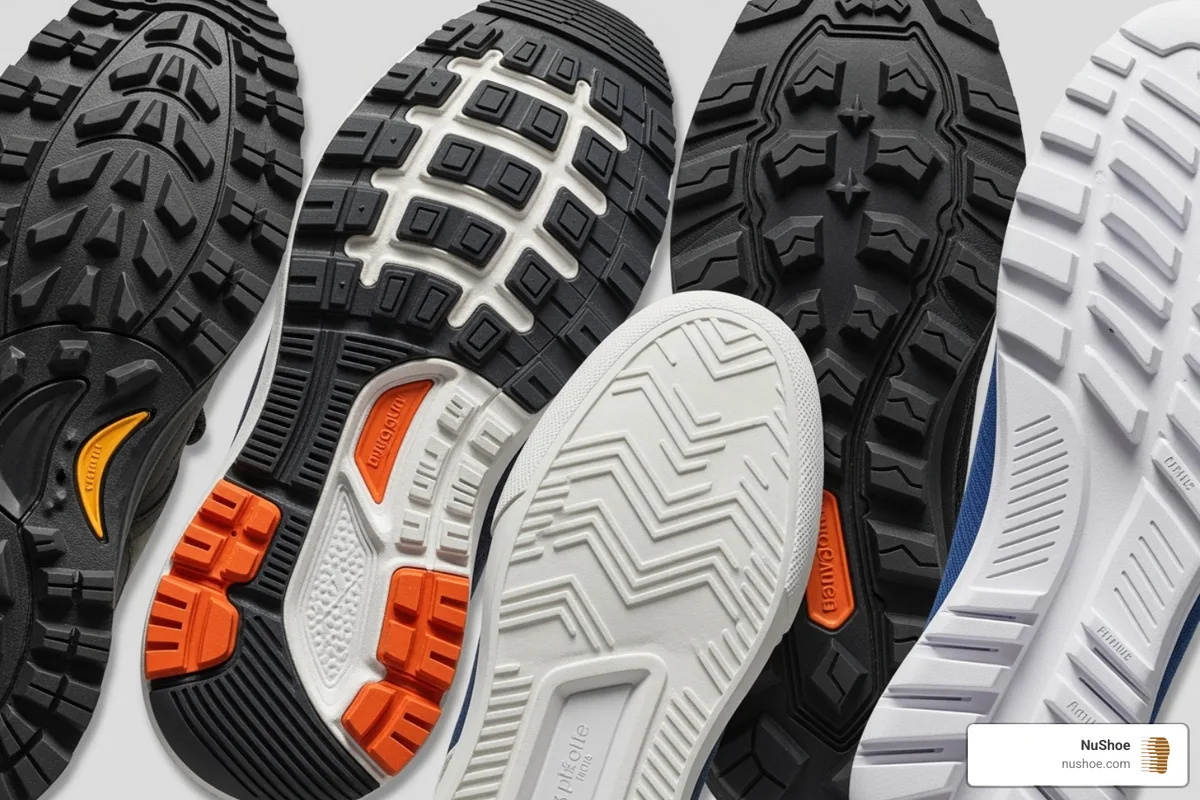
Image source: Bing (Web (fair-use with source credit))
Key Features: What Makes Rubber Outsoles Stand Out
What makes rubber a go-to material for outsoles? It really comes down to a set of impressive attributes that serve shoe designers and wearers alike. These features are what you're looking for when you want a shoe that can handle daily wear and tear while keeping you secure on your feet.
Here’s a breakdown of the main advantages rubber brings to the sole of your shoe:
- Superior Traction: Rubber, particularly certain formulations, offers fantastic grip on a variety of surfaces. This is crucial for preventing slips and falls, whether you're on wet pavement, dry trails, or indoor gym floors. Its ability to "bite" into surfaces provides stability.
- High Durability: Rubber is inherently tough and resistant to abrasion. This means it can withstand constant rubbing against the ground without wearing down quickly. Shoes with rubber outsoles tend to have a longer lifespan because this layer holds up well.
- Good Flexibility: Most rubber compounds used in footwear are designed to be flexible. This allows your foot to move naturally through its stride, which is essential for comfort and performance, especially during activities like running or walking.
- Water Resistance: Rubber doesn't absorb water readily. This helps keep your feet drier in damp conditions and prevents the shoes from becoming excessively heavy when exposed to moisture.
- Shock Absorption Contribution: While the midsole typically handles the bulk of shock absorption, the rubber outsole plays a supporting role. It helps cushion the impact of each step, adding to the overall comfort.
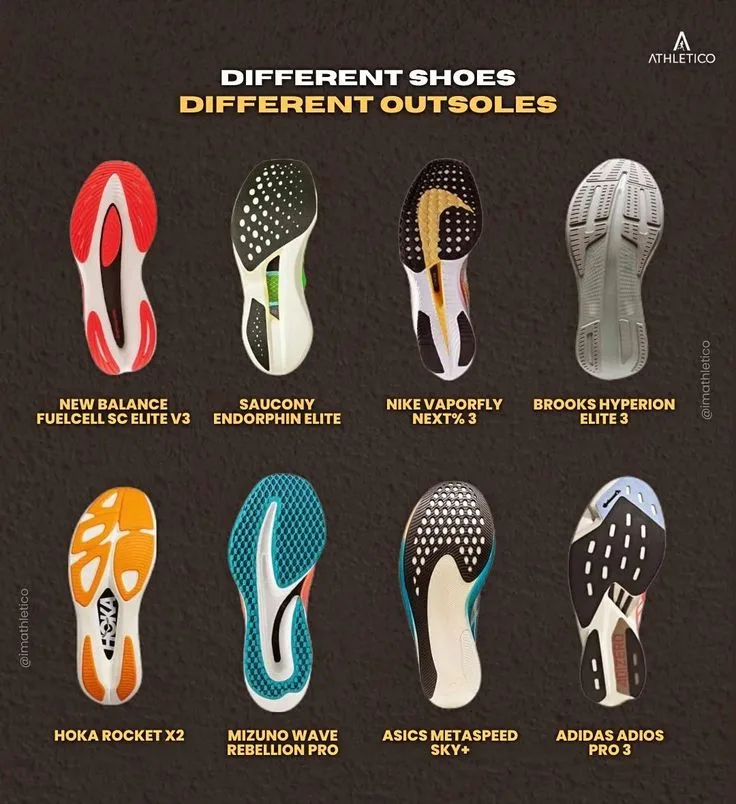
Image source: Bing (Web (fair-use with source credit))
Benefits and Drawbacks: The Good, The Not-So-Good
Like any material, rubber outsoles come with their own set of pros and cons. Knowing these can help you decide if a rubber outsole is the right fit for your needs or if you might be better off with an alternative. It’s all about matching the material’s characteristics to your intended use.
The Upside: Why Rubber Shines
- Reliable Grip: Aggregate reviews consistently highlight the excellent traction provided by rubber, reducing the risk of slips.
- Long-Lasting Wear: Manufacturer specifications often cite high abrasion resistance, meaning the sole endures more miles.
- Adaptable Feel: The inherent flexibility allows for a natural foot motion, enhancing comfort during prolonged wear.
- Weather Ready: Its resistance to water means it performs better in damp or wet conditions compared to some other materials.
The Downside: Where Rubber Falls Short
- Potential for Weight: While not always the case, some denser rubber compounds can add noticeable weight to footwear compared to lighter foam alternatives.
- Heat Build-up: In very hot conditions, rubber can sometimes retain heat more than other materials, potentially leading to warmer feet.
- Initial Stiffness: Certain harder rubber blends might feel a bit rigid out of the box, requiring a short break-in period, much like how to break in new shoes.
Rubber Outsoles vs. Other Materials: Making the Right Choice
When you're looking at shoes, especially athletic or outdoor footwear, you'll notice a few different materials used for the outsole. Rubber is a popular choice, but it’s not the only one. Understanding how it compares to other common materials can help you figure out which type of outsole is best for your specific needs.
Here’s a look at how rubber stacks up against some common alternatives:
| Feature | Rubber | EVA (Ethylene-Vinyl Acetate) | TPU (Thermoplastic Polyurethane) | Leather |
|---|---|---|---|---|
| Grip | Excellent, especially on various surfaces | Moderate, can be slippery when wet | Excellent, often used for stability/cleats | Moderate, can be slippery on smooth surfaces |
| Durability | Very Good to Excellent | Fair to Good, can wear down faster | Excellent | Fair, wears down relatively quickly |
| Flexibility | Good to Very Good | Excellent, very soft and flexible | Good, but can be stiffer than EVA | Good, but can require breaking in |
| Weight | Moderate | Very Lightweight | Moderate to Lightweight | Moderate |
| Shock Absorp. | Contributes, but often secondary | Excellent, primary cushioning material | Good, adds stability and some cushioning | Minimal |
| Common Uses | Sneakers, boots, athletic shoes, casual | Running shoes, midsoles, lightweight shoes | Cleats, stability plates, durable casual shoes | Dress shoes, formal shoes, traditional boots |
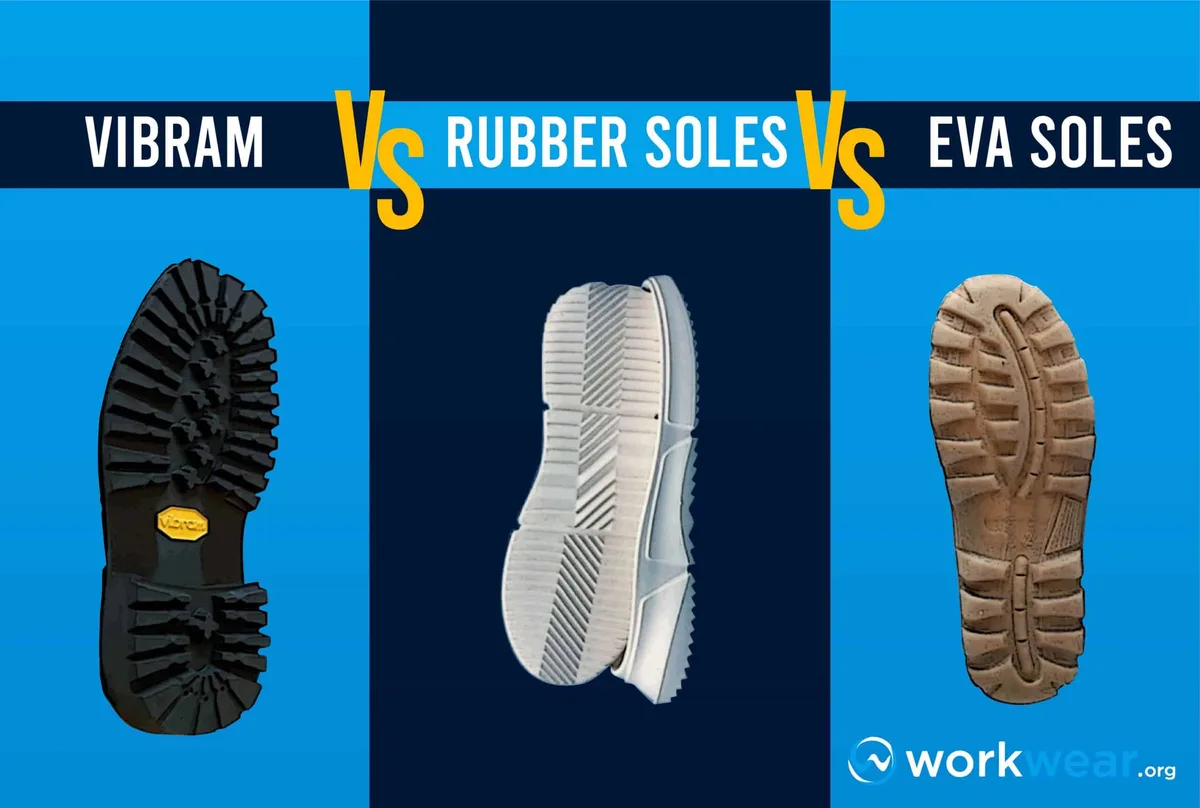
Image source: Bing (Web (fair-use with source credit))
Who is each best for?
- Rubber: Ideal for everyday wear, general athletic activities, hiking, and work boots where consistent grip and durability are top priorities.
- EVA: Great for lightweight running shoes and lifestyle sneakers where softness and shock absorption are key, though durability might be less.
- TPU: Often found in performance footwear for stability and impact resistance, or in casual shoes needing a tough, long-lasting sole.
- Leather: Traditionally used for dressier shoes where aesthetics and a classic look are paramount, though it requires more care and offers less grip.
Best For: Who Needs Rubber Underfoot?
Given its combination of grip, durability, and flexibility, a rubber outsole is a fantastic choice for a wide range of activities and individuals. It’s a versatile material that forms the foundation of many reliable footwear options. If you're looking for dependable performance across various conditions, rubber is likely a key component.
Consider a rubber outsole if you:
- Need reliable traction: Whether you're walking on slick city streets, tackling uneven trails, or engaging in sports, the grip of rubber helps keep you grounded. This is particularly important if you're using shoes for activities where a misstep could be problematic.
- Value long-lasting shoes: Rubber's resistance to abrasion means your shoes will likely stand up to more use before the sole wears thin. This makes them a cost-effective choice over time.
- Engage in varied activities: From daily commuting and casual wear to light hiking or gym workouts, rubber outsoles offer a good balance of features suitable for many everyday situations. You can often use these shoes for walking and running interchangeably.
- Face changing weather: Its natural water resistance means rubber performs better than some materials when surfaces get wet, providing a more consistent experience.
- Are looking for specific shoe types: You'll find rubber outsoles are standard on many types of athletic shoes, including neutral running shoes and stability running shoes, as well as in work boots and casual sneakers.
Common Mistakes to Avoid
When evaluating shoes or understanding their components, a few common misunderstandings about rubber outsoles can trip you up. Knowing these can help you make better choices and manage expectations. It’s easy to assume all rubber is the same, but there are nuances that matter.
- Assuming all rubber is equally grippy: Not all rubber compounds are created equal. A formulation optimized for grip will perform very differently from one designed solely for extreme durability. A shoe marketed for trail running will likely have a different rubber compound than a casual sneaker.
- Ignoring the outsole's role in cushioning: While the midsole is the primary shock absorber, the outsole does contribute. Relying solely on a very hard, dense rubber outsole for impact protection in a running shoe would be a mistake; you’d want to look for shoes with thick soles and appropriate midsole cushioning.
- Expecting zero wear: Even the most durable rubber outsoles will eventually show signs of wear, especially with heavy use or on abrasive surfaces. Expecting them to last indefinitely is unrealistic. Regular cleaning of running shoes can help maintain their condition but won't prevent eventual wear.
- Overlooking the fit: A great outsole can't fix a poor-fitting shoe. Always prioritize how the shoe feels on your foot, considering factors like shoe width vs. size and ensuring there's enough room.
Frequently Asked Questions
What is the main benefit of a rubber outsole?
The primary benefit of a rubber outsole is its excellent combination of traction and durability. It provides a secure grip on various surfaces and resists wear and tear, helping shoes last longer.
Can rubber outsoles be slippery?
While generally grippy, some specific rubber compounds or outsoles with certain tread patterns might be less effective on extremely smooth, wet surfaces like polished tile. However, compared to many other outsole materials, rubber offers superior grip in most conditions.
How long do rubber outsoles typically last?
The lifespan of a rubber outsole varies greatly depending on the compound, the shoe's design, and usage. For everyday wear, they can last anywhere from 300 to 500 miles or more for athletic shoes, or several years for casual use. Extreme conditions will reduce this.
Are rubber outsoles good for running?
Yes, rubber outsoles are very common and effective for running shoes. They provide the necessary traction for various terrains and the durability to withstand many miles. Many performance running shoes utilize specialized rubber compounds for optimal grip and longevity.
What's the difference between a rubber outsole and a synthetic outsole?
"Synthetic outsole" is a broad term that can include rubber, but often refers to other materials like EVA or TPU. Rubber outsoles are specifically made from natural or synthetic rubber, offering a distinct balance of grip, durability, and flexibility compared to lighter foams (EVA) or harder plastics (TPU).