What Is a Shoe Insole?
Wondering what exactly goes inside your favorite pair of shoes to make them feel more comfortable or supportive? That removable insert is called a shoe insole, and it's a simple yet powerful component in footwear. It sits at the bottom of your shoe, directly under your foot, and can dramatically change how your shoes feel and perform.
These aren't typically glued in like the shoe's permanent lining; they're designed for easy swapping and upgrading. As of 2026, understanding insoles is key to maximizing footwear comfort, especially when considering performance footwear like running shoes, which often feature advanced cushioning systems as described in research on what is cushioning in running shoes.
Quick Answer
A shoe insole is a removable insert placed inside a shoe. It provides cushioning, support, and can improve comfort. Its main functions are to absorb shock, align the foot, and manage moisture within the shoe.
Cushioning, Support, and More: What Insoles Do for Your Feet
Insoles are designed to do more than just add a soft layer. They actively work to enhance your foot's experience inside your shoes. The most apparent function is cushioning, which means they're built to absorb impact every time your foot hits the ground.
This is especially important for activities like walking and running, where repeated pressure can take a toll.
Beyond just softness, insoles offer crucial support. Many are engineered with features like contoured arches, deep heel cups, or pads under the ball of the foot. These elements help guide your foot into a more natural position, promoting better alignment from your feet all the way up your legs.
This can be particularly beneficial for reducing strain and discomfort.
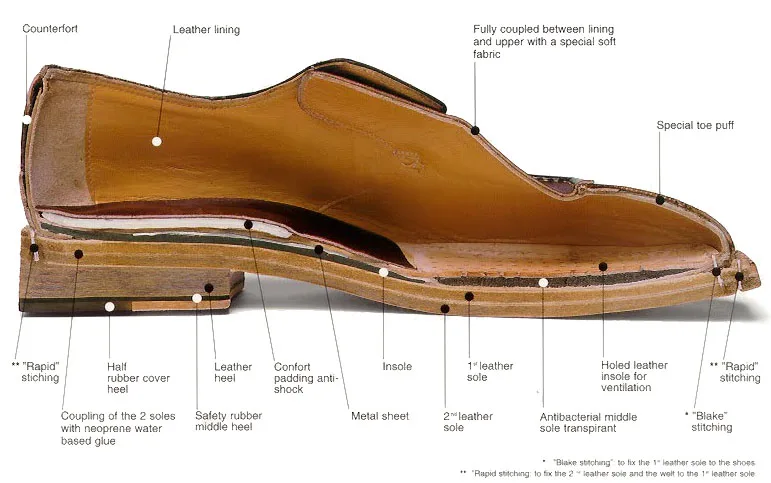
Image source: Bing (Web (fair-use with source credit))
- Shock Absorption: They act as a buffer against impacts.
- Foot Alignment: They can help position your foot correctly.
- Pressure Relief: They distribute weight more evenly.
- Comfort Enhancement: They make shoes feel more pleasant to wear.
The Main Types of Shoe Insoles: Finding Your Fit
When you start looking at insoles, you'll quickly see they aren't one-size-fits-all. They come in various designs, each catering to different needs and preferences. Understanding these types is the first step to finding what's right for you.
Comfort vs. Support vs. Athletic vs. Orthotic
This breakdown helps you see which category might fit your situation best.
- Comfort Insoles: These are your basic, everyday upgrades. They're usually made from soft foams or gels and focus primarily on adding extra padding. They're a great way to make dress shoes or everyday sneakers feel more plush.
- Support Insoles: These go beyond simple cushioning. They feature specific structural elements like built-in arch support or heel cups. They're designed to improve foot mechanics, which can help with issues like overpronation or flat feet.
- Athletic Insoles: Built for active use, these insoles blend cushioning with features that enhance performance. They often provide stability and energy return to help reduce fatigue during sports. If you're a runner considering different types of running shoes, understanding how insoles contribute to performance is key.
- Orthotic Insoles: These are often custom-made or semi-custom and prescribed by a podiatrist. They offer precise correction for specific foot conditions and injuries, providing targeted therapeutic support.
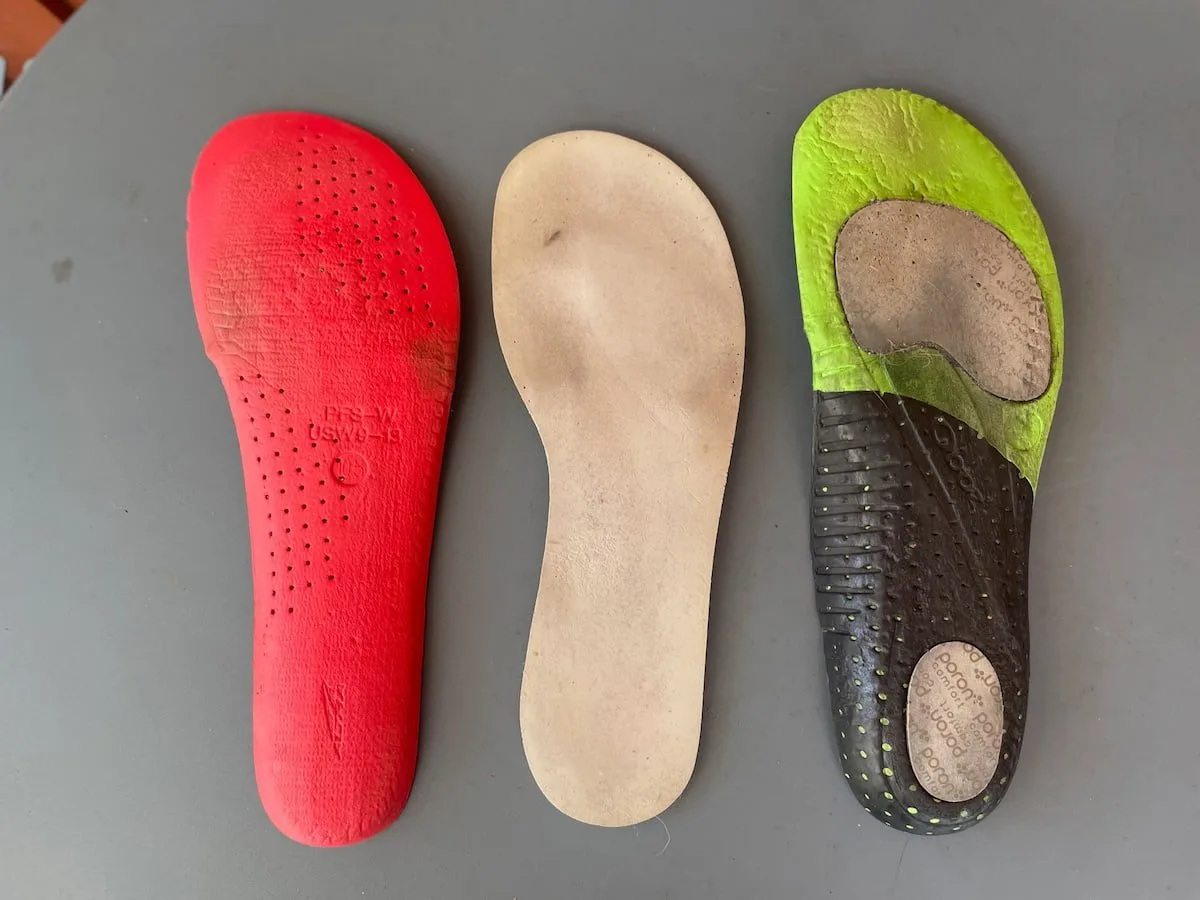
Image source: Bing (Web (fair-use with source credit))
Who Needs Shoe Insoles and Why? Common Foot Problems They Address
So, who benefits most from adding insoles to their footwear? It’s a surprisingly wide range of people. Anyone who spends significant time on their feet, whether for work or leisure, can find relief and added comfort.
People experiencing common foot ailments often turn to insoles as a first line of defense or a supplementary treatment. Conditions like plantar fasciitis, characterized by heel pain, can be significantly eased with insoles offering proper arch and heel support. Similarly, those with flat feet or high arches may find that insoles help distribute pressure more evenly, preventing fatigue and discomfort.
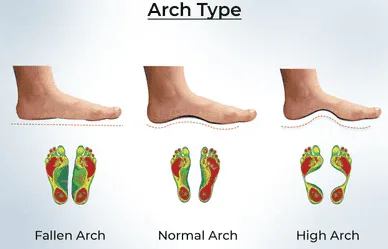
Image source: Bing (Web (fair-use with source credit))
- Long Hours on Your Feet: Workers in healthcare, retail, or manufacturing.
- Foot Pain: Individuals with plantar fasciitis, heel spurs, or general foot aches.
- Alignment Issues: People with flat feet, high arches, or overpronation.
- Active Lifestyles: Runners, walkers, and athletes looking for extra support.
- Minor Discomfort: Anyone wanting to make their existing shoes feel better.
The Upsides and Downsides of Using Shoe Insoles
Like any product, insoles come with their own set of advantages and potential drawbacks. Knowing both sides helps you make an informed decision.
Benefits
- Enhanced Comfort: This is the most immediate and noticeable benefit. Insoles add cushioning that makes shoes feel softer and more pleasant to wear, especially on hard surfaces.
- Improved Support: For those with inadequate arch support in their shoes, insoles can provide the necessary structure to align the foot properly. This can alleviate strain on the arches and other foot structures.
- Pain Reduction: By correcting biomechanical issues or providing extra shock absorption, insoles can help reduce pain associated with conditions like plantar fasciitis or general foot fatigue.
- Moisture Management: Many insoles are made with breathable materials that wick away sweat. This helps keep your feet drier, reducing the risk of blisters and odor, which is a common concern addressed in guides on why do shoes smell.
- Cost-Effective Upgrade: Instead of buying entirely new shoes for better comfort, adding insoles is a more economical way to improve your current footwear.
Drawbacks
- Fit Issues: Adding an insole can change the fit of your shoe, sometimes making it too tight if the shoe was already a snug fit. This is why understanding how much room should be in a shoe is important before adding an insert.
- Potential for Discomfort: If an insole isn't the right type for your foot or activity, it could actually cause new discomfort or exacerbate existing problems.
- Durability Varies: Not all insoles are built to last. Cheaper ones might compress quickly, losing their cushioning and support features.
- Not a Substitute for Medical Treatment: For serious foot conditions, insoles are often a supportive measure, not a replacement for professional medical advice or prescribed orthotics.
Choosing the Right Insole: A Practical Guide
With so many options available, picking the right insole can feel overwhelming. It really boils down to understanding your own feet and what you need them to do. The first step is always assessing your current foot health and identifying any specific issues you’re trying to address.
Are you looking for basic comfort to make your work shoes feel better? Or do you need targeted arch support for long walks? Perhaps you're an athlete seeking enhanced performance and shock absorption.
Considering your primary goal will narrow down your choices significantly. For example, if you're looking for support, you'll focus on insoles with structured heels and arches, rather than just soft foam. If you’re choosing footwear for specific activities, understanding the differences between road and trail running shoes can also inform your insole choice.
Here’s a quick guide to help you decide:
- For General Comfort: Opt for softer, cushioned insoles made of foam or gel. They’re versatile and work well in most casual shoes.
- For Arch Support & Alignment: Look for insoles with a contoured design, built-in arch support, and a deeper heel cup. Materials like EVA or polyurethane often offer good structural support.
- For Athletic Performance: Choose insoles designed for sports, which typically combine cushioning with stability and energy return features. They often have specific zones for impact absorption and propulsion.
- For Specific Medical Conditions: Consult a podiatrist. They can recommend or create custom orthotic insoles tailored precisely to your needs.
When you select an insole, it's also worth checking manufacturer specifications for material composition and intended use. Some insoles might be rated for specific activities, and adhering to these guidelines can ensure you get the most benefit and longevity from your purchase.
Step-by-Step Process: How to Use Shoe Insoles
Getting the most out of your insoles starts with properly putting them into your shoes. It might seem straightforward, but a few simple steps can ensure they fit well and function as intended. This process is key for maximizing comfort and support without causing new issues.
First, remove the original factory insole from your shoe. Most are designed to be lifted out easily, sometimes with a little gentle prying. If they're glued down, you might need to carefully cut them out, but this is less common for standard insoles.
Next, place the new insole into the shoe. Make sure it lies flat and fits snugly against the shoe's interior. If the insole is too large, you might need to trim it down to match the shape of your shoe.
Always trim a little at a time, testing the fit as you go. For many athletic shoes, understanding how should running shoes fit is crucial, and insoles play a role in achieving that perfect fit.
Does Trimming Insoles Make Them Less Effective?
Trimming an insole is usually necessary and safe if done correctly. Most insoles are designed to be cut to size to fit various shoe models. The key is to trim them to match the internal shape of your shoe, especially the toe box area.
- Trace and Cut: Place the original insole on top of the new insole and trace its outline. Then, carefully trim along the traced line.
- Test Fit: Insert the trimmed insole into the shoe. It should sit flush without bunching up or pushing your foot too high.
- Adjust as Needed: If it’s still too big, trim a tiny bit more. If it’s too small, you might need a new pair or a different size.
Using insoles correctly can improve the overall feel of your footwear, whether you're looking for comfort during daily walks or better performance in your neutral running shoes.
Common Mistakes When Buying and Using Insoles
Even with the best intentions, people sometimes make mistakes that prevent them from getting the full benefit of insoles, or even cause problems. One frequent error is assuming all insoles are the same, leading to purchasing a generic product when a specialized one is needed.
Another common mistake is not considering how an insole will affect your shoe's fit. Adding a thick insole to a shoe that’s already snug can make it uncomfortably tight, potentially causing blisters or altered foot mechanics. This is why understanding the difference between shoe width and size is important even before considering insoles.
Furthermore, some people neglect to replace worn-out insoles. Over time, cushioning compresses and support structures degrade, diminishing their effectiveness and potentially leading to foot fatigue.
Here are a few mistakes to watch out for:
- Buying the Wrong Type: Purchasing a comfort insole when you need significant medical-grade support, or vice-versa.
- Ignoring Shoe Fit: Adding an insole that makes your shoe too tight, affecting circulation and comfort.
- Not Trimming Properly: Forcing an untrimmed insole into a shoe, causing bunching and pressure points.
- Over-Reliance on Insoles: Expecting insoles to fix severe medical conditions without professional diagnosis.
- Neglecting Replacement: Continuing to use flattened or worn-out insoles that offer no real benefit.
Expert Tips for Maximizing Insole Benefits
To really get the most out of your shoe insoles, a few expert insights can go a long way. It's not just about buying them; it's about integrating them smartly into your footwear routine and understanding their long-term role. One key tip is to try them in different shoes to see where they perform best.
What works wonderfully in a supportive athletic shoe might not be ideal for a loose-fitting casual loafer.
Our research indicates that many users benefit from having multiple pairs of insoles. Having a dedicated pair for your running shoes, another for work boots, and perhaps a slim pair for dressier shoes ensures you always have the right support for the activity. Also, remember that insoles have a lifespan.
Per manufacturer guidelines for many EVA and polyurethane compounds, insoles typically need replacing every 6 to 12 months of regular use, depending on activity levels. Pay attention to signs of wear, such as flattening or breakdown of the cushioning material.
How to Care for Your Insoles?
Proper care can extend the life and effectiveness of your insoles.
- Regular Cleaning: Spot clean with mild soap and water, and let them air dry completely away from direct heat. Avoid machine washing or drying, as this can damage the materials.
- Air Them Out: After use, remove insoles from shoes to allow both the insoles and the shoes to air out thoroughly. This helps manage moisture and prevent odors.
- Rotate Insoles: If possible, rotate between two or more pairs. This allows them to decompress and dry fully between uses.
Frequently Asked Questions About Shoe Insoles
What is the main difference between an insole and an orthotic?
An insole is a general term for any insert placed in a shoe to add cushioning or support. An orthotic, however, is a more specific device, often custom-made or semi-custom, designed by a medical professional like a podiatrist to correct a specific foot condition or biomechanical issue. Orthotics provide targeted therapeutic correction, whereas many insoles focus more on general comfort.
How often should I replace my shoe insoles?
Generally, insoles should be replaced every 6 to 12 months with regular use. The exact lifespan depends on the material, the amount of wear, and the user's activity level. Signs they need replacing include flattened cushioning, loss of support, or increased foot fatigue.
Can I wear insoles in any type of shoe?
Insoles can be worn in most types of shoes, but the fit can vary. They work best in shoes that have a removable insole and offer a bit of extra depth to accommodate the insert. For very tight-fitting shoes, you might need a slim or ¾ length insole.
Will insoles cure my foot pain?
Insoles can significantly help reduce foot pain by providing support, cushioning, and improving alignment. However, they are not always a cure. For persistent or severe pain, it’s essential to consult a healthcare professional to diagnose the root cause and get appropriate treatment, which may include specific medical-grade orthotics.