Can You Run in Walking Shoes?
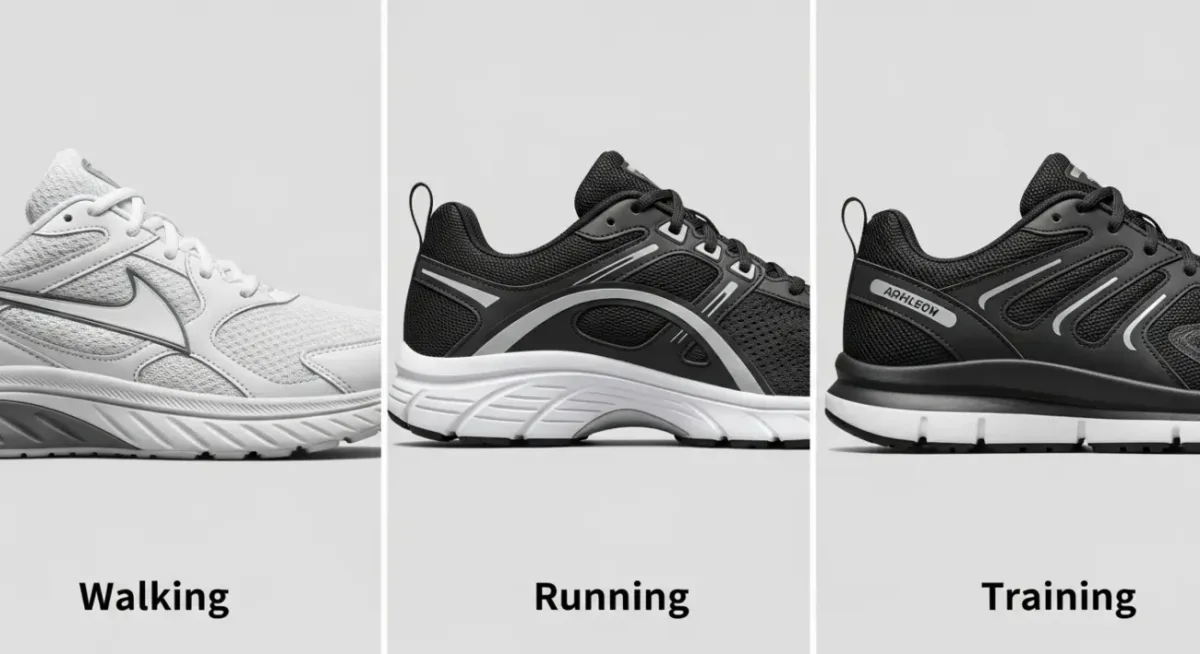
Image source: Bing (Web (fair-use with source credit))
So, you're hitting the pavement or trails and wondering if your trusty walking shoes can double as running shoes. It's a question many beginners ask when starting a fitness routine. While your everyday walkers might seem comfortable enough for a short jog, they aren't designed for the unique demands of running.
Running puts significantly more stress on your feet and body than walking. Manufacturer specifications confirm that running shoes offer specialized cushioning and support to handle impact forces that can reach up to 2.5 times your body weight, a level walking shoes aren't built to manage. This distinction is crucial for preventing injuries and ensuring a comfortable run.
Quick Answer: When It's Probably Okay, and When It's Not
You can probably run in walking shoes for very short, infrequent jogs. However, they are not suitable for regular running. Walking shoes lack the necessary cushioning and support for the higher impact forces of running.
Using them for anything more than occasional, low-intensity activity significantly increases injury risk.
The Real Differences: Cushioning, Support, and Impact
It’s easy to think of walking and running as similar, but the footwear designed for each activity is remarkably different. This isn't just about looks; it’s about biomechanics and protecting your body from repetitive stress. The primary distinctions lie in how they handle impact, provide support, and facilitate your stride.
Impact Forces: Why Running is Different
When you run, your feet hit the ground with considerably more force than when you walk. Per studies on biomechanics, running can generate impact forces up to 2.5 times your body weight. Walking, on the other hand, typically involves forces around 1.5 times your body weight.
This difference might seem small, but over hundreds or thousands of steps, it adds up. The entire design of a running shoe is built to dissipate these higher forces.
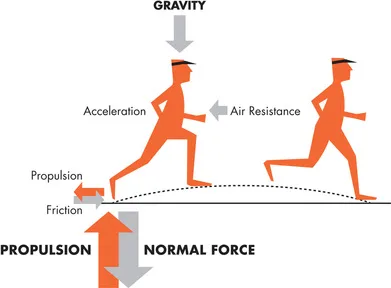
Image source: Bing (Web (fair-use with source credit))
Cushioning & Shock Absorption
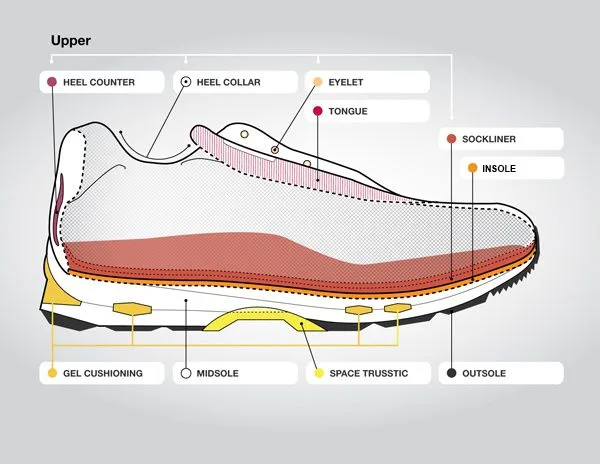
This is where you'll notice one of the biggest differences. Running shoes feature advanced midsole materials and designs specifically engineered for shock absorption. They use foams like EVA (ethylene-vinyl acetate) or proprietary blends that compress and rebound to soften the blow of each stride.
Manufacturer specifications for leading running shoes often highlight their responsive cushioning systems designed to reduce fatigue and joint stress.
Walking shoes, while comfortable for their intended purpose, usually have firmer, less responsive cushioning. Their focus is more on stability for a steady gait and providing comfort during extended periods of standing or walking. They simply don't offer the same level of shock-dampening capability required for running.
Support & Stability Needs
Running involves a more dynamic motion, with your foot needing support at different points throughout the gait cycle. Running shoes come in various categories, neutral, stability, and motion control, each designed to address specific foot mechanics and pronation patterns. What Is a Stability Running Shoe? for example, offers features to help guide the foot and prevent excessive inward rolling.
Walking shoes generally provide a more uniform level of support, geared towards a less complex, forward-moving stride. They might offer good arch support for walking, but it’s not necessarily optimized for the unique angles and pressures of running. This can lead to instability or strain if used for more demanding activities.
When Walking Shoes Might Work for Running
Let's be clear: this is for very specific, limited scenarios. If you're just dipping your toes into running or need to mix up your routine with a very light jog, your walking shoes might suffice. This typically applies when your "run" is more of a brisk walk with short bursts of jogging.
The Casual Jogger's Dilemma
If your idea of running involves a 15-20 minute jog at a relaxed pace, perhaps once or twice a week, and you haven't experienced any foot or leg pain from it, your walking shoes might get you by. This is for someone who isn't training for anything, isn't trying to build mileage, and is primarily looking for a light cardio workout. It's not ideal, but for these minimal efforts, the risk is lower.
This also assumes you're running on relatively flat, predictable surfaces like a sidewalk or a smooth park path. Rugged terrain or steep hills demand more specialized footwear. If you experience any discomfort, however, it's time to reconsider.
Why Using Walking Shoes for Running is Usually a Bad Idea
The core issue boils down to your body’s safety and long-term health. While walking shoes offer comfort for walking, they don't provide the critical protection needed for the higher-impact, repetitive motion of running. Relying on them for your runs can lead to a cascade of problems.
Common Injuries from Improper Footwear
The increased impact forces and lack of targeted support in walking shoes can lead to various overuse injuries. Your body tries to compensate for what the shoe isn't providing, putting extra strain on bones, tendons, and ligaments. Common complaints include shin splints, where the muscles along the shin bone become inflamed, and plantar fasciitis, an irritation of the thick band of tissue on the bottom of your foot.
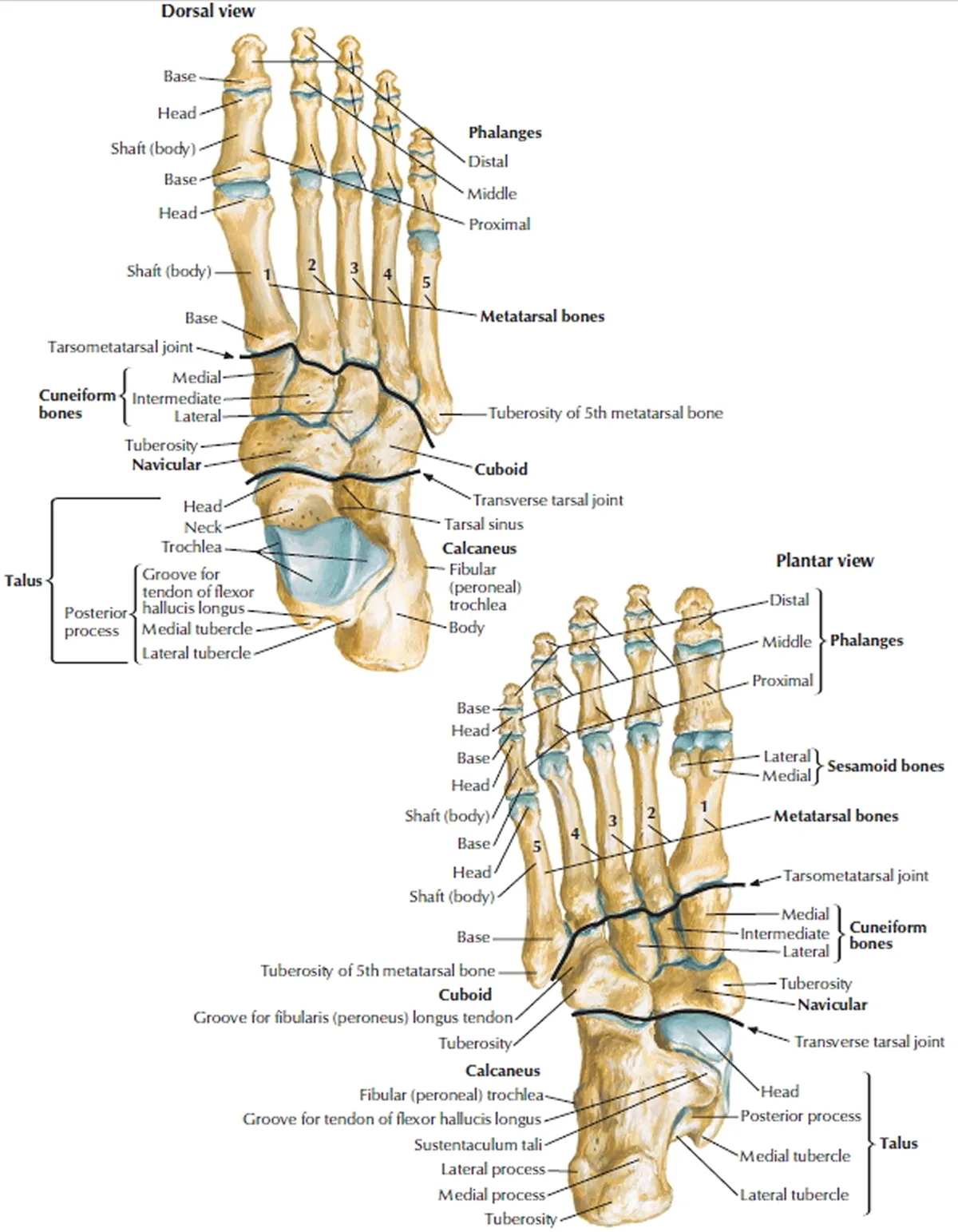
Image source: Bing (Web (fair-use with source credit))
Other potential issues include stress fractures, particularly in the feet and lower legs, and general knee pain due to poor shock absorption. If you've ever experienced persistent aches or sharp pains after a run, your footwear could be a significant contributing factor.
Discomfort and Performance Limits
Beyond the risk of injury, running in walking shoes can simply be uncomfortable. The firmer cushioning can lead to foot fatigue, and the shoe's design might not allow for a natural toe-off, making your stride feel less efficient. You might find yourself developing blisters or experiencing general soreness that detracts from your workout.
This lack of proper support and responsiveness also limits your potential performance, making it harder to run faster or longer. It’s like trying to drive a race car with bicycle tires, they just aren’t built for the task.
Your Decision Guide: Are Walking Shoes Right for Your Run?
The core question is whether your current footwear aligns with your running goals and body needs. This isn't a one-size-fits-all answer; it depends on your specific activity level and any physical considerations you might have. Let's break down the decision points to help you choose wisely for your feet.
When to Stick with Walking Shoes
You can continue using your walking shoes for running only in very specific, low-demand situations. These are best for casual fitness enthusiasts who aren't aiming for distance or speed. If your runs are infrequent and short, your walking shoes might be acceptable for now.
- Infrequent, Short Jogging: If you jog for less than 20 minutes, one or two times per week, as a brief addition to walking, your current shoes might cope.
- Low Intensity: You're not pushing your pace or tackling challenging inclines. It’s purely for light aerobic activity.
- Smooth Surfaces: Stick to predictable, even ground like sidewalks or flat paths. Uneven terrain requires better grip and support.
When You Absolutely Need Running Shoes
If any of the following apply to you, it's time to invest in a pair of proper running shoes. Your current walking shoes simply won't provide the necessary protection and performance. The potential for injury and discomfort is too high when pushing your limits.
- Regular Running Schedule: If you plan to run three or more times per week, your walking shoes will quickly wear out and fail to protect your feet.
- Building Mileage: As you increase your running distance or duration beyond 30-45 minutes, specialized cushioning and support become essential.
- Speed Work or Hills: Any training that involves increasing pace, intervals, or significant elevation changes requires footwear designed for those demands.
- Existing Pain or Injury: If you have a history of foot, ankle, knee, or hip issues, using the wrong shoes can exacerbate these problems.
Expert Tips for Choosing the Right Running Shoes
Selecting the right running shoes is crucial for comfort, performance, and injury prevention. Don't just grab the first pair you see; consider a few key factors to find a shoe that truly fits your needs and biomechanics. Getting this right makes a huge difference in your running experience.
- Understand Your Gait: Are you a neutral runner, or do you overpronate? Knowing this helps determine if you need neutral, stability, or motion control shoes. What Is the Difference Between Stability and Neutral Running Shoes? can help clarify these distinctions.
- Consider the Terrain: Road running shoes differ significantly from trail running shoes. Road shoes focus on cushioning and smooth transitions, while trail shoes offer better grip and protection. What Is the Difference Between Road and Trail Running Shoes? details these differences.
- Prioritize Fit and Comfort: Shoes should feel comfortable immediately, with adequate space in the toe box. You should have about a thumb's width of space between your longest toe and the end of the shoe. How Should Running Shoes Fit? provides detailed guidance on achieving this.
- Seek Professional Advice: If possible, visit a specialized running store. Staff can analyze your gait and recommend shoes tailored to your foot type and running style.
FAQs: Your Burning Questions Answered
How long can I use walking shoes for very light jogging?
For very light jogging, less than 20 minutes, once or twice a week, on smooth surfaces, you might get away with it for a short period. However, it's strongly advised to switch to dedicated running shoes as soon as possible to prevent injuries.
Can I run in my everyday sneakers if they aren't specifically walking shoes?
"Sneakers" is a broad term. If they are casual athletic shoes not designed for running or walking, they likely lack the specific cushioning and support needed for running. They carry similar risks to using walking shoes for running.
What happens if I run in walking shoes regularly?
Regularly running in walking shoes significantly increases your risk of overuse injuries like shin splints, plantar fasciitis, stress fractures, and knee pain. You'll also likely experience more discomfort and less efficient running form.
Are there any benefits to running in walking shoes?
For the most part, no, there are no significant benefits and many potential drawbacks. The only "benefit" is not having to buy new shoes immediately, but this comes at the cost of increased injury risk and discomfort, making it a poor trade-off.
Can I use running shoes for walking?
Yes, you generally can use running shoes for walking. They offer excellent cushioning and support. However, dedicated walking shoes might offer better durability and a more appropriate flex pattern for walking.
Can You Use Running Shoes for Walking? discusses this topic further.