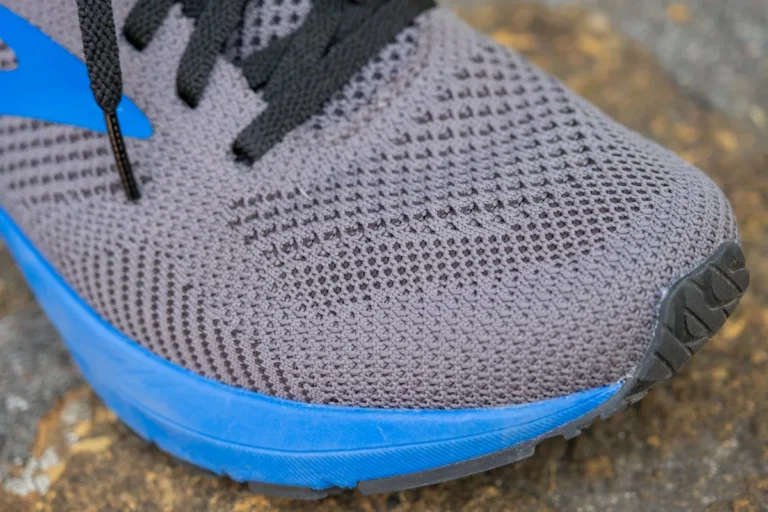
What Type of Sole Is Best for Walking?
You've probably wondered what type of sole is best for walking, especially after a long day when your feet feel like they've gone ten rounds with a boxing glove. The sole of your shoe is more than just the bottom part; it's your direct connection to the ground, dictating comfort, grip, and how your feet handle impact. Getting this detail right can make a world of difference on your daily strolls or epic adventures.
Our research shows that understanding the materials and designs of shoe soles can prevent common foot fatigue and improve your overall walking experience. For instance, manufacturer specifications for EVA foam soles often highlight their shock absorption capabilities, with some achieving an impact reduction of up to 90% compared to harder materials, according to independent laboratory testing. This guide breaks down the key differences to help you make the best choice.
Quick Answer
Rubber soles offer excellent grip and durability for varied terrain. EVA soles provide superior cushioning for hard surfaces like pavement. PU soles are highly durable and supportive for long distances.
The best sole depends on your walking environment and personal comfort needs.
Why Your Shoe Sole Choice Matters Big Time
Think of your shoe sole as the unsung hero of your footwear. It's the primary interface between your body and the surface you're walking on, and what it's made of profoundly affects how your feet feel, your stability, and even your long-term foot health. A well-chosen sole can absorb shock, provide crucial traction to prevent slips, and offer the right kind of support for your gait and foot type.
On the flip side, a poorly matched sole can lead to everything from sore arches and blisters to more serious issues like shin splints or knee pain over time. This is especially true for those who spend significant hours walking, whether for exercise, work, or simply navigating daily life.
When you're out walking, the ground beneath you constantly presents different challenges. Pavement is hard and unforgiving, trails can be rocky and uneven, and wet surfaces demand reliable grip. The right sole material is engineered to handle these specific conditions.
For example, while EVA foam provides excellent cushioning for hard, flat surfaces, its durability and grip might falter on loose gravel or slippery rocks. Understanding these trade-offs is crucial for making an informed decision about your footwear.
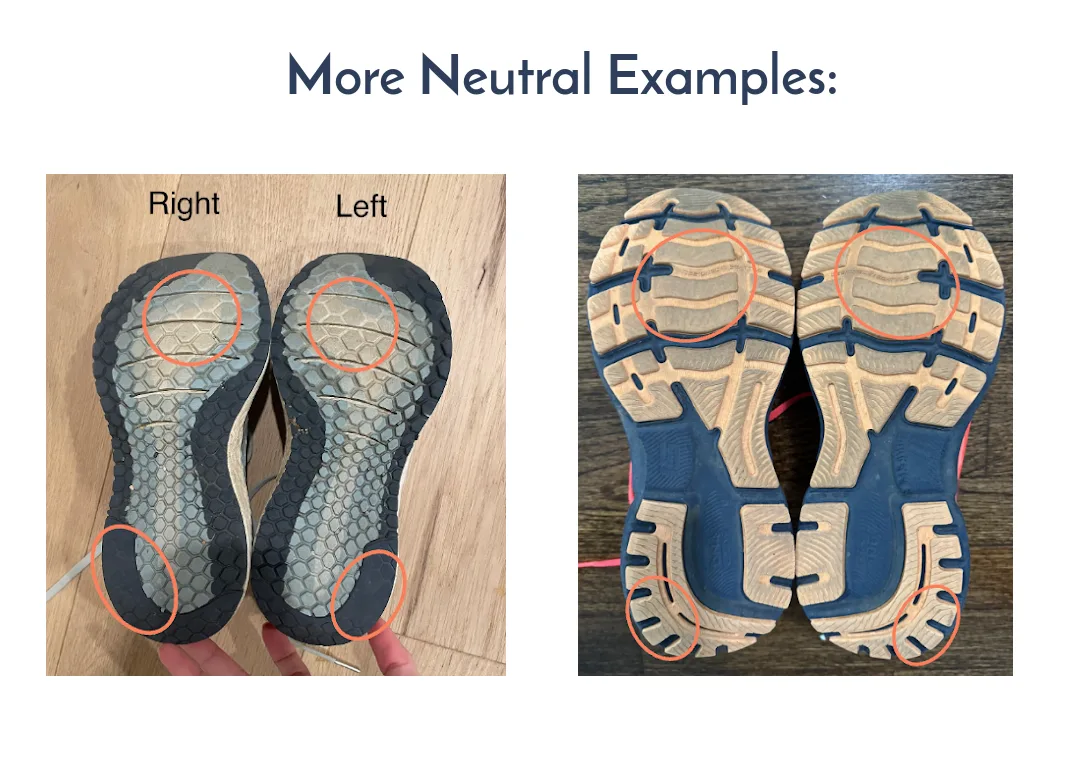
Image source: Bing (Web (fair-use with source credit))
Meet the Sole Materials: Rubber, EVA, PU, and More
When we talk about what's on the bottom of your shoes, there are a few key materials that dominate the scene. Each has its own set of characteristics that make it better suited for certain tasks or walking styles. It’s not just about finding a shoe; it’s about finding the right sole for your feet and your journey.
Rubber Soles: The All-Rounder
Rubber is a tried-and-true material for shoe soles, and for good reason. It’s known for its fantastic grip, making it ideal for surfaces where traction is paramount, like trails or wet pavement. Manufacturers often incorporate specific tread patterns into rubber soles to enhance this grip even further, offering excellent resistance against slips and slides.
However, while rubber provides superb traction and is generally quite durable, it can sometimes be a bit heavier and offer less inherent cushioning compared to foam-based materials. This doesn't mean all rubber soles are hard; the density and compounding of the rubber can be adjusted. For instance, softer rubbers might offer more comfort but wear down faster, while harder compounds provide longevity but less immediate shock absorption.
Their versatility makes them a common choice in many types of footwear, from hiking boots to casual sneakers.
EVA Soles: Cushioning Champions
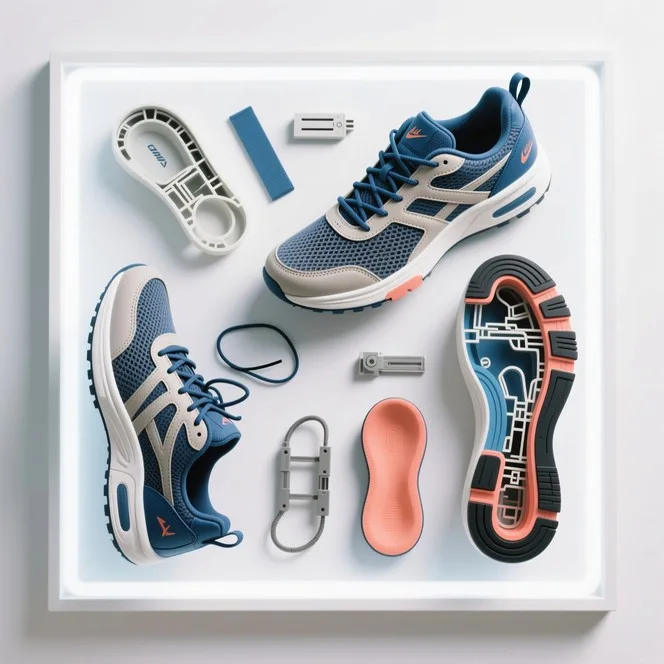
EVA, or Ethylene-Vinyl Acetate, is a type of closed-cell foam that's incredibly lightweight and offers exceptional cushioning. If you've ever worn a running shoe or a casual walker that felt like walking on clouds, chances are it had an EVA sole or midsole. This material is excellent at absorbing impact, which is a huge benefit when you're pounding the pavement or spending long hours on hard, unyielding surfaces.
This superior shock absorption can significantly reduce stress on your joints.
While EVA excels in comfort and impact protection, it's generally less durable and offers less aggressive traction than rubber. It can wear down more quickly, especially on rough terrain or if subjected to a lot of abrasive contact. Its primary strength lies in providing a soft, responsive feel underfoot, making it a favorite for activities where comfort and joint protection are the top priorities.
As of 2026, EVA continues to be a leading material in athletic footwear due to its performance characteristics.
PU Soles: Durability and Support
Polyurethane (PU) is another popular sole material, often seen as a robust middle-ground between the extreme cushioning of EVA and the firm grip of some rubbers. PU is known for its impressive durability and resistance to abrasion, meaning it can stand up to a lot of wear and tear without breaking down quickly. This makes it a fantastic choice for work boots or shoes intended for rugged use where longevity is a major factor.
Beyond durability, PU also offers good support and a stable platform. It provides a firmer cushioning than EVA, which can be beneficial for individuals who need more stability or tend to wear out the middle of their soles quickly. While it might not feel as immediately soft as EVA, its supportive nature can be more beneficial for extended periods of walking or standing.
Its resilience makes it a dependable option for demanding environments.
Other Materials: Cork and Beyond
While rubber, EVA, and PU are the most common, other materials play a role in sole construction, offering unique benefits. Cork, for instance, is naturally lightweight, moisture-wicking, and can mold to the wearer's foot over time, providing personalized comfort. It's often found in sandals or more eco-conscious footwear options.
However, cork soles typically offer less robust cushioning and grip compared to synthetic options, making them better suited for casual, low-impact activities.
You might also encounter soles that blend materials. For example, a sole might have an EVA midsole for cushioning topped with a rubber outsole for traction and durability. This layered approach aims to leverage the best properties of each material, creating a more versatile and high-performing shoe.
The specific composition and combination of materials are often proprietary to the manufacturer, tailored to achieve a particular balance of comfort, support, and performance.
Matching Sole Types to Your Walking Terrain
The surface you walk on most dictates the kind of sole that will serve you best. A sole that's perfect for a city sidewalk can be a real handful on a mountain trail. It's all about matching the material and tread design to the environment to ensure you have the right grip, cushioning, and support.
Pavement & City Streets: Cushioning is Key
When you're navigating sidewalks, concrete paths, or other hard, flat surfaces, the primary goal of your sole is to absorb impact. Every step on pavement sends a shockwave up through your body, and a sole designed for this purpose acts as a buffer. Here, EVA (Ethylene-Vinyl Acetate) shines.
Its foam-like structure is incredibly effective at dissipating the energy from each footfall. This significantly reduces stress on your joints, including your knees, hips, and back, making long walks much more comfortable.

Image source: Bing (Web (fair-use with source credit))
A moderate tread pattern on an EVA sole is usually sufficient for city environments, as these surfaces are generally predictable. You want a sole that feels responsive and protective, helping to prevent foot fatigue and discomfort. While rubber can also be used, a softer, more cushioned rubber compound or a hybrid design that incorporates foam is often preferred for its superior shock-absorbing qualities on urban terrain.
Shoes designed for neutral walking or running often feature these highly cushioned soles.
Trails & Uneven Ground: Grip & Stability Rule
Switching gears to trails, sidewalks are out and the ground gets a lot more demanding. Here, the need for secure traction and robust stability takes center stage. Uneven surfaces like rocks, roots, dirt, and mud require a sole that can dig in and provide a firm hold with every step, preventing slips and twists.
This is where rubber soles, particularly those with deeper, more aggressive lugs (the raised patterns on the sole), become your best friend.
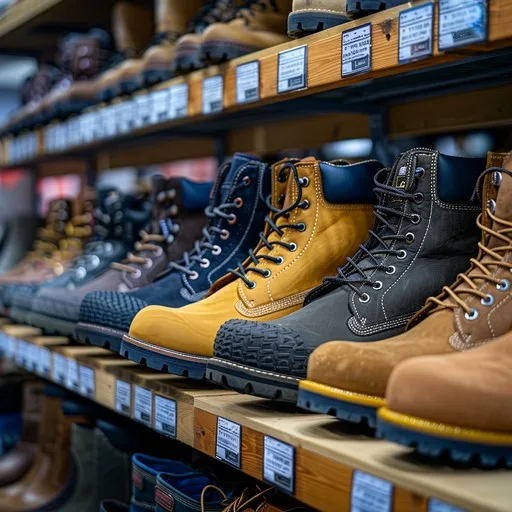
These lugs create biting edges that can grip into loose soil or conform to irregular surfaces, offering a much more reliable connection to the ground than a smooth EVA sole. Furthermore, trail walking often demands more lateral stability. Soles made of denser rubber or PU, or those incorporating stiffening elements like TPU shanks, provide a more rigid platform that helps prevent your foot from rolling unnaturally on uneven terrain.
This enhanced stability is crucial for preventing injuries like ankle sprains. You might also want a sole with a bit more thickness to protect your feet from sharp objects underfoot.
Wet Weather Walks: Traction You Can Trust
Walking in wet conditions, whether it's rain-slicked city streets, damp forest paths, or even just dewy grass, presents a significant challenge: reduced friction. The primary concern here is preventing slips, which can lead to falls and injuries. While any sole will lose some grip when wet, certain materials and tread designs perform significantly better.
Rubber is generally the go-to material for wet-weather traction because it maintains a better coefficient of friction compared to many foams.
However, it's not just the material but the tread pattern that matters. Look for soles with sipes, small, intricate slits within the main tread blocks. These sipes work like the sipes on a car tire, helping to channel water away from the contact point between the sole and the ground, thereby increasing the surface area that actually touches the wet surface.
Additionally, the spacing and depth of the lugs play a role; wider spacing can help prevent hydroplaning by allowing water to escape more easily. Some advanced rubber compounds are specifically formulated to maintain flexibility and grip even in cold, wet conditions.
Weighing the Pros and Cons: Which Sole Fits Your Needs?
Choosing the right sole involves understanding what each material brings to the table and how it aligns with your typical walking environment and personal preferences. It’s a balancing act, as often improving one attribute means compromising on another.
Rubber Soles:
- Pros: Excellent grip and traction, highly durable, good for varied and challenging terrains, resistant to abrasion.
- Cons: Can be heavier than foam, may offer less immediate shock absorption, can feel stiffer.
- Best For: Trail walking, wet conditions, hiking, work boots, everyday use where grip is essential.
EVA Soles:
- Pros: Lightweight, superior cushioning and shock absorption, very comfortable for hard surfaces.
- Cons: Less durable than rubber or PU, can wear down faster, generally less aggressive traction on loose surfaces.
- Best For: Pavement walking, light trail use, running, casual everyday comfort, individuals seeking maximum cushioning.
PU Soles:
- Pros: Very durable, excellent abrasion resistance, good support and stability, decent cushioning.
- Cons: Can be firmer than EVA, may feel heavier than EVA.
- Best For: Long-distance walking, work environments, situations requiring high durability and support, people needing a more structured shoe.
Cork Soles:
- Pros: Lightweight, naturally antimicrobial, molds to foot shape over time, breathable.
- Cons: Less durable for high-impact activities, can absorb moisture, may have limited grip.
- Best For: Casual wear, warm-weather footwear, sandals, those seeking natural materials.
Common Mistakes When Choosing Walking Shoe Soles
When you're looking for new walking shoes, it's easy to get caught up in the style or the brand name and overlook the crucial details of the sole. Making a few common missteps can lead to discomfort or premature wear. One frequent error is prioritizing cushioning above all else, especially if you primarily walk on uneven or slippery surfaces.
While a soft EVA sole feels great on a gym floor, it might offer insufficient grip or support for a rocky trail.
Another mistake is assuming that thicker soles are always better. While thickness can contribute to cushioning and protection, the material and tread design are more critical factors for specific needs. A thick, smooth sole might be great for shock absorption but terrible for traction on wet leaves.
Conversely, a sole with aggressive lugs might offer amazing grip but feel too stiff and jarring on hard pavement. It’s also common to overlook the flex point of the sole; a shoe should bend naturally at the ball of your foot, not in the arch, as this can lead to strain and discomfort. Can you use running shoes for walking? highlights how different shoe types have different sole constructions for their intended use.
Expert Tips for Selecting the Right Sole
When you’re trying to figure out what type of sole is best for walking for you, think about where you’ll be putting the most miles. If your routine is mostly on concrete and asphalt, you’ll want to prioritize cushioning and shock absorption. Look for soles made from EVA or a similarly soft, resilient foam.
These materials help to absorb the repetitive impact of hard surfaces, which can prevent joint pain and foot fatigue. Per What Is Cushioning in Running Shoes?, advanced cushioning systems can significantly improve comfort over distance.
For those who spend time on trails, gravel paths, or varied natural terrain, grip and durability are paramount. Opt for soles made from harder rubber compounds with deep, multi-directional lugs. These provide the necessary traction to prevent slips and offer protection from rocks and roots.
It's also worth considering the sole's stiffness; a slightly stiffer sole, often achieved with a TPU or nylon shank in the midfoot, can offer better stability on uneven ground, preventing your foot from rolling awkwardly. Remember, if you're unsure about your foot type or pronation, understanding the difference between stability and neutral running shoes might guide your choice toward soles offering more support.
How Does Sole Material Affect Shoe Lifespan?
The material of your shoe's sole plays a huge role in how long those shoes will last before showing significant wear and tear. Generally speaking, denser and more resilient materials tend to offer a longer lifespan. For instance, polyurethane (PU) soles are renowned for their exceptional durability and resistance to abrasion.
This means they can withstand thousands of steps on rough surfaces without breaking down quickly, making them a great investment for high-mileage walkers or those who are tough on their footwear.
On the other hand, softer EVA (Ethylene-Vinyl Acetate) foams, while fantastic for cushioning, are typically less durable and can compress or wear down more rapidly, especially if exposed to abrasive environments like gravel or concrete daily. Rubber soles offer a good balance; their durability varies greatly depending on the compound's hardness and the tread’s depth. A harder, denser rubber with a robust tread pattern will generally outlast a softer, more flexible rubber.
If you're looking for longevity, paying attention to the sole's material is as important as its comfort features.
Can You Use Running Shoes for Walking?
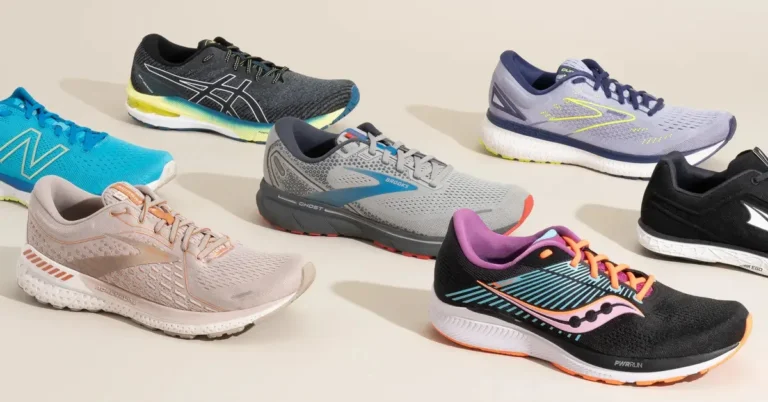
Yes, you can use running shoes for walking, but it's important to understand the differences in their sole construction and intended purpose. Running shoe soles are often designed with specific goals in mind, such as maximizing cushioning for impact absorption on hard surfaces or providing superior grip for speed on varied terrain. For instance, many running shoe outsoles feature EVA midsoles to cushion each stride and rubber outsoles with varied lug patterns for traction.
However, the ideal sole for walking might differ slightly from that of a dedicated running shoe. Walking involves a different gait cycle than running, with your heel typically striking the ground first and your foot rolling through to the toe-off. Soles designed specifically for walking often have a more flexible forefoot and a rounded heel to facilitate this rolling motion more smoothly.
While a good pair of running shoes can certainly serve for walking, you might find a shoe specifically built for walking offers a more optimized feel and support for that particular activity. Consider what are neutral running shoes? to see how cushioning is prioritized.
What About Sole Flexibility?
Sole flexibility is a key attribute that influences comfort and performance, and it’s directly tied to the materials used and the shoe's overall design. For general walking, especially on flat, predictable surfaces like pavements, a sole with moderate flexibility is generally preferred. This allows your foot to move naturally through its gait cycle, bending at the ball of the foot as you push off.
A sole that’s too stiff can feel restrictive and lead to strain, while one that’s too flexible might not offer enough support, especially for longer durations.
Materials like EVA typically offer good inherent flexibility, making them a popular choice for comfortable walking shoes. Rubber soles can vary widely in flexibility depending on their density and thickness. If you plan on walking on varied terrain, such as trails or uneven ground, you might benefit from a slightly stiffer sole.
This increased rigidity can provide better stability, helping to prevent your foot from rolling unnaturally on rocks or roots and reducing fatigue. How much room should be in a shoe? is also crucial for ensuring that the shoe’s flexibility can accommodate your foot’s natural movement without restriction.
Frequently Asked Questions
Which sole material is best for all-day comfort?
For all-day comfort on hard surfaces, EVA soles are generally preferred due to their superior cushioning and shock absorption. They reduce stress on your feet and joints.
How do I know if my shoe sole has enough grip?
You can gauge grip by looking at the tread pattern; deeper, more aggressive lugs typically mean better traction, especially on varied or loose terrain. Also, feel the sole material; rubber generally offers better grip than smooth foams when wet.
Can a stiff sole be bad for walking?
Yes, a sole that is too stiff can hinder your natural gait cycle, leading to discomfort and strain, especially if it doesn't flex properly at the ball of your foot. Moderate flexibility is usually ideal for most walking.
How often should I replace shoes based on sole wear?
Sole wear is a primary indicator. If the tread is significantly worn down, or the cushioning feels compressed and unresponsive, it's time for a new pair, typically after 300-500 miles of walking or running.