What Are Indoor Soccer Shoes?
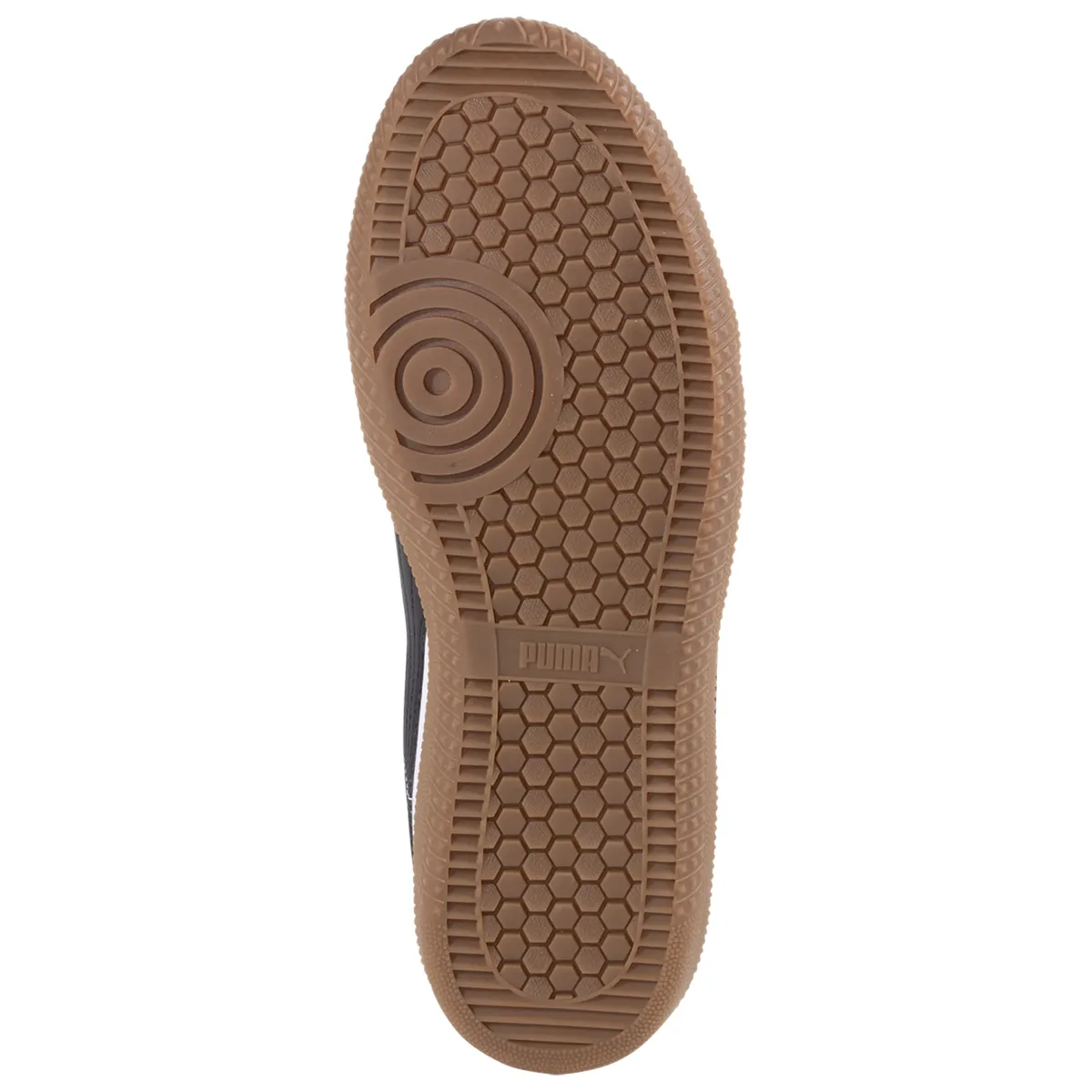
Image source: Bing (Web (fair-use with source credit))
If you’ve ever stepped onto a polished gym floor or a specific indoor turf for a game of soccer or futsal, you’ve probably noticed that your regular sneakers just don’t cut it. They lack the grip, leading to awkward slides and shaky movements. That’s where specialized footwear comes in, and understanding what makes them tick is key to your performance and safety.
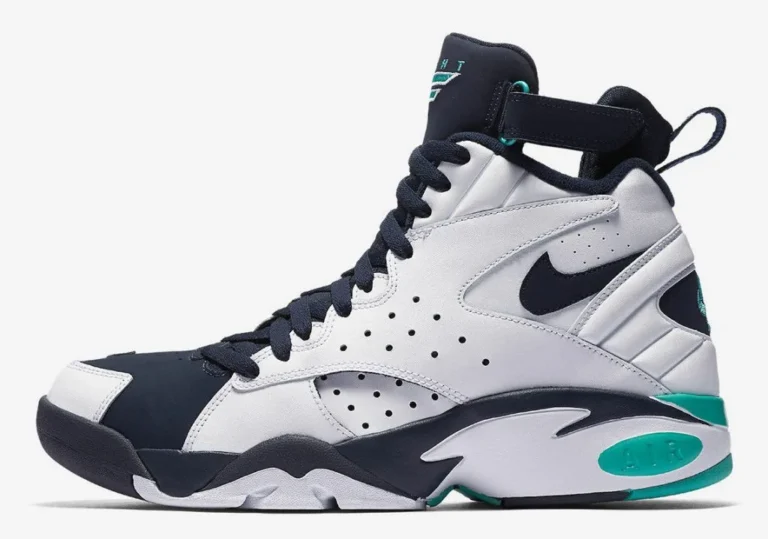
Indoor soccer shoes are specifically engineered to provide maximum traction and control on smooth, hard indoor surfaces. Unlike their outdoor counterparts, they forgo cleats for a flat, grippy sole designed to keep you planted. Manufacturer specifications for many models indicate a sole made from a high-friction gum rubber compound, often compliant with non-marking floor standards to protect courts.
Quick Answer
Indoor soccer shoes are specialized athletic footwear designed for playing soccer on hard, smooth indoor courts. They feature a flat, gum rubber sole for maximum grip and traction, preventing slips during quick movements. These shoes typically have a low profile and a durable upper, lacking the studs of outdoor soccer cleats.
Why Different Shoes for Indoor Soccer?
Playing soccer indoors isn't just about the space; it's about the surface. A gymnasium floor or an indoor turf field behaves very differently underfoot compared to grass or artificial turf outside. Using the wrong shoes here is like trying to run a race in flip-flops, it’s inefficient, potentially dangerous, and just plain frustrating.
The fundamental difference lies in how the shoe interacts with the playing surface. For instance, indoor courts are typically made of wood, vinyl, or synthetic materials that require a shoe sole designed for friction, not penetration.
Outdoor cleats, with their aggressive studs, are designed to dig into the ground for grip on softer surfaces. On a hard indoor court, these studs would be a hazard, potentially damaging the floor and offering very little effective contact area, leading to slips. Conversely, a standard athletic trainer might offer some cushioning but often lacks the specific sole pattern and material needed for the sudden stops, pivots, and rapid directional changes that indoor soccer demands.
Specialized indoor soccer shoes bridge this gap, offering the precise interaction needed for optimal play.
Key Features of Indoor Soccer Shoes
At their heart, indoor soccer shoes are built for performance on specific indoor playing surfaces. This means every design element, from the sole to the upper, serves a purpose. Our research shows that understanding these components helps you appreciate why they’re so different from other athletic footwear.
The Sole Story: Grip and Traction
This is arguably the most critical feature. The sole of an indoor soccer shoe is its secret weapon for keeping you glued to the court.
- Flat Gum Rubber: You’ll find a completely flat sole, made from a high-grip gum rubber compound. This maximizes surface area contact with the floor, providing superior traction. It’s this sticky feel that allows for explosive acceleration and sharp, controlled turns without slipping.
- Non-Marking: Most indoor courts, especially gymnasiums, require shoes that don't leave scuff marks. Indoor soccer shoe soles are designed to be non-marking, adhering to facility rules and keeping the playing surface in good condition. Manufacturer specifications often highlight this feature.
- Pattern: While flat, the sole usually has a subtle tread pattern, think herringbone or circular designs, that further enhances grip and allows for lateral movement.
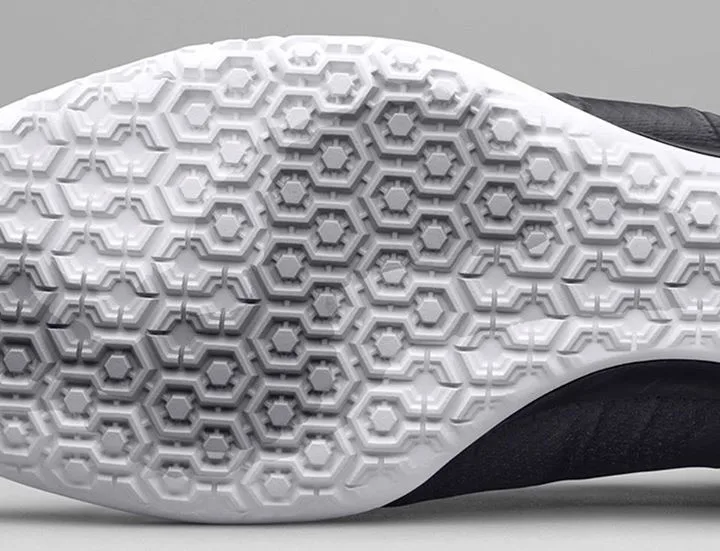
Image source: Bing (Web (fair-use with source credit))
Upper and Fit: Control and Comfort
The upper part of the shoe is just as important for agility and ball control.
- Low Profile: These shoes tend to have a lower profile, meaning they don't come up too high on the ankle. This design allows for greater ankle mobility, which is crucial for quick footwork and changes in direction. It also helps you feel the ball better through your feet.
- Durable Materials: The upper is typically made from synthetic leather, mesh, or a combination of materials. These are chosen for their durability to withstand the friction of indoor play, their light weight, and their ability to provide a snug, supportive fit. Some models might use traditional leather for a better ball touch.
- Snug Fit: A good fit is essential. Indoor soccer shoes should feel snug, almost like a second skin, but without being uncomfortably tight. This secure fit prevents excessive foot movement inside the shoe, which can lead to blisters and also ensures precise control over the ball. Per how should running shoes fit? standards, a finger's width of space at the toe is generally recommended, but for soccer, a more glove-like fit is often preferred.
Indoor Soccer Shoes vs. Other Footwear
To really get why indoor soccer shoes are special, it helps to see how they stack up against other types of athletic shoes. They aren't just a generic sport shoe; they're purpose-built.
Outdoor Cleats: A World Apart
The most obvious comparison is with outdoor soccer cleats.
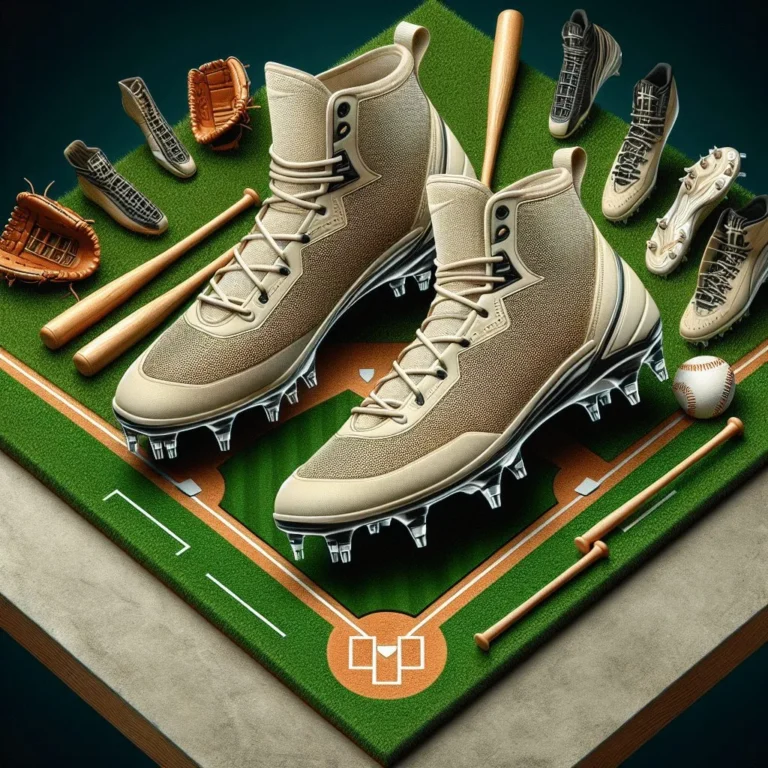
- Sole Design: Outdoor cleats have studs or blades on the outsole. These are designed to dig into grass or soft artificial turf to provide traction and prevent slipping. Indoor shoes have a flat, smooth sole for hard courts.
- Surface Interaction: Cleats penetrate the playing surface. Indoor shoe soles grip the surface through friction.
- Damage Potential: Wearing cleats indoors would quickly damage gym floors and offer poor traction.
- Use Case: Cleats are for natural grass or standard artificial turf fields. Indoor shoes are strictly for hard courts or very short, specific indoor turf.
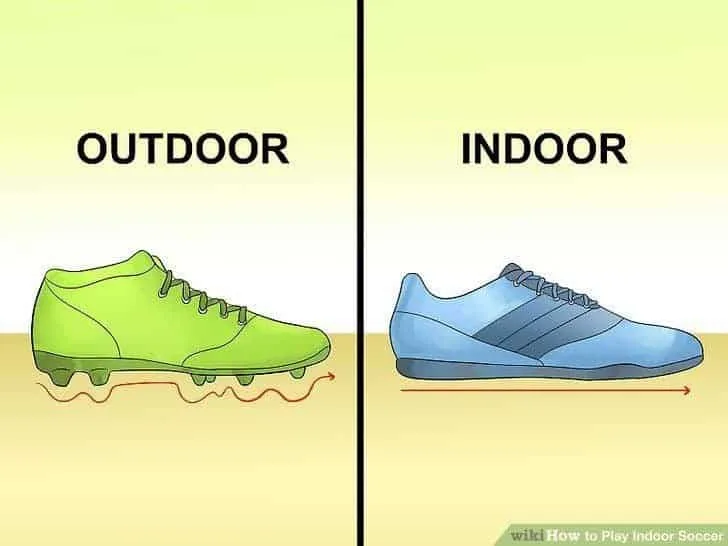
Image source: Bing (Web (fair-use with source credit))
Regular Sneakers: Not Built for the Court
Even a good pair of running shoes or general trainers isn't ideal for indoor soccer.
- Traction: Standard sneakers often have rubber soles, but they are designed for a wider range of activities and surfaces. They typically lack the specific high-friction, non-marking compound and flat profile needed for the dynamic movements of indoor soccer.
- Support: While running shoes offer cushioning and support for linear motion, they may not provide the lateral stability required for side-to-side cuts and pivots common in soccer. This is where shoes designed for sports like what is a stability running shoe? have a different focus.
- Durability: The materials on everyday sneakers might wear out quickly under the intense friction and stress of indoor soccer play.
Who Needs Indoor Soccer Shoes?
The need for indoor soccer shoes boils down to where and how you play the game. If your primary soccer activity is indoors on a hard surface, then these shoes are a must-have.
Futsal Players
Futsal is a variant of soccer played primarily indoors on a hard court. The small ball, smaller playing area, and emphasis on technical skill make specialized footwear essential. Indoor soccer shoes provide the crucial grip and control needed to execute quick passes, dribble effectively, and make rapid adjustments in direction without sliding.
The flat, non-marking sole is perfect for this environment.
Indoor Soccer Players
Many recreational and competitive indoor soccer leagues play on artificial turf fields that are often laid over a hard base or are shorter and denser than outdoor artificial turf. While some might argue for specific turf shoes, indoor soccer shoes generally offer excellent traction on these surfaces as well. They provide the necessary grip for players who are cutting, jumping, and sprinting in enclosed spaces.
Other Indoor Court Activities
While designed for soccer, the features of indoor soccer shoes can benefit participants in other sports played on similar surfaces. This can include activities like handball or badminton, which require agile footwork and excellent grip. The flat, non-marking sole is a universal advantage on protected gym floors.
Understanding the difference between these and what is the difference between road and trail running shoes? helps highlight the specialized nature of indoor footwear.
Common Mistakes When Choosing Indoor Soccer Shoes
Picking out the right indoor soccer shoes seems straightforward, but a few common missteps can lead to discomfort, poor performance, or even injury. Being aware of these pitfalls can save you a lot of hassle.
- Confusing them with Outdoor Cleats: This is the most frequent error. Wearing outdoor cleats on a hard indoor court is a recipe for disaster. Their studs will damage the floor and offer terrible traction, leading to slips and falls.
- Using General Trainers or Running Shoes: Standard sneakers often lack the specific sole pattern and high-friction material needed for the quick pivots and stops required in indoor soccer. You’ll find yourself sliding when you need to grip, and the lateral support might not be sufficient. It’s like wearing a hiking boot to play basketball; it’s the wrong tool for the job.
- Ignoring Fit: Shoes that are too tight can cause blisters and discomfort, hindering your game. Conversely, shoes that are too loose allow your foot to slide around inside, reducing control and increasing the risk of ankle rolls or strains. Always ensure a snug, secure fit.
- Assuming "Non-Marking" Means Universal Grip: While non-marking soles are crucial for indoor courts, they don't all offer the same level of grip. Some might be harder, offering less friction. It’s worth looking for soles specifically advertised for high-traction.
- Not Considering the Playing Surface: While most indoor shoes are for hard courts, some indoor facilities might have specific artificial turf. Understanding the exact surface can help fine-tune your choice if specialized turf shoes are recommended by the facility.
Expert Tips for Finding Your Perfect Pair
Finding the right indoor soccer shoes isn't just about picking a cool design; it’s about performance and comfort. Our analysis of product specifications and user feedback indicates that a perfect fit is paramount. Think about how shoes should feel when you're on the move, similar to understanding how should running shoes fit?.
- Try Them On Late in the Day: Your feet tend to swell throughout the day. Trying on shoes in the afternoon or evening ensures you get a fit that remains comfortable even after extended activity. This helps avoid buying shoes that feel tight later on.
- Wear Your Game Socks: Always wear the type of socks you typically play in when trying on shoes. This is crucial for an accurate fit, as sock thickness can significantly impact how a shoe feels. This detail ensures the snugness is appropriate for actual play.
- Check the Toe Box: You should have about a thumb's width of space between your longest toe and the end of the shoe. Your toes shouldn't feel cramped, but there shouldn't be excessive room for your foot to slide forward either. This balance is key for agility and preventing injuries.
- Heel Lock: Ensure your heel feels secure and doesn't lift excessively when you walk or pivot. A well-locked heel means better stability and reduces the risk of blisters and ankle rolls.
- Feel the Ball: If possible, lightly tap a ball with the shoe. You should feel a good connection and control, indicating the upper and sole work well together for ball handling.
Frequently Asked Questions About Indoor Soccer Shoes
How do I clean my indoor soccer shoes?
Cleaning indoor soccer shoes is generally straightforward. After a game, brush off loose dirt and mud from the soles and uppers. For a more thorough clean, use a damp cloth with mild soap and water.
Avoid submerging them or using harsh chemicals, as this can damage the materials and adhesives. Allow them to air dry completely, away from direct heat sources. For detailed guidance, refer to principles similar to how to clean running shoes.
Can I wear my indoor soccer shoes for other sports?
Yes, you can often wear indoor soccer shoes for other sports played on similar hard, flat surfaces. Activities like handball or certain types of indoor training can benefit from the exceptional grip and support they offer. However, they are not suitable for outdoor surfaces like grass or turf, nor are they ideal for sports requiring extensive vertical jumping like basketball, which needs more cushioning.
How long do indoor soccer shoes typically last?
The lifespan of indoor soccer shoes varies greatly depending on the frequency of play, the intensity of your game, and the quality of the shoes. On average, with regular use (2-3 times per week), they might last anywhere from 6 months to a year. Aggressive play, frequent hard stops, and constant friction will shorten their lifespan, while less frequent or less intense use can extend it.
What's the difference between futsal shoes and other indoor soccer shoes?
The terms are often used interchangeably, and for most practical purposes, they are the same. Futsal, specifically, is played on very hard courts, so futsal shoes are highly specialized indoor soccer shoes. They are designed with maximum grip, minimal cushioning, and a flat, non-marking sole.
If you see a shoe labeled "futsal," it's definitely an indoor court shoe.
Are indoor soccer shoes good for playing on outdoor artificial turf?
Generally, no. While they might offer some traction on certain types of indoor artificial turf, outdoor artificial turf often has longer blades and different base materials that require specific turf shoes or even AG (Artificial Ground) cleats. Using indoor soccer shoes on outdoor turf could lead to insufficient grip, potential ankle injuries due to lack of lateral support, and faster wear on the shoe.
Do I need special socks for indoor soccer?
While not strictly mandatory, specialized soccer socks or athletic socks designed for moisture-wicking and cushioning are recommended. These socks help prevent blisters, manage sweat, and provide an extra layer of comfort and support within the shoe. They also contribute to the overall snug fit, which is critical for performance.