What Is a Shoe Upper?
Ever stopped to think about the main part of your shoe, the bit that covers your foot? That's called the shoe upper, and it's way more than just decoration. It’s the primary interface between your foot and the outside world, offering protection, support, and influencing how comfortable your shoes feel during any activity.
Understanding its construction can make a big difference in choosing the right footwear.
The shoe upper is comprised of various panels and components stitched together. For instance, manufacturer specifications often detail the specific assembly methods, with some high-performance athletic shoes designed with integrated uppers that use advanced knitting techniques to reduce seams. As of 2026, research continues into lighter, more durable, and sustainable upper materials to enhance footwear technology.
Quick Answer
The shoe upper is the part of a shoe above the sole. It covers and cradles your foot. Its components include the vamp, toe box, and heel counter.
Materials like leather, mesh, and synthetics determine breathability and durability.
The Main Players: Components of a Shoe Upper
When we talk about the shoe upper, we're really referring to the collection of panels and structures that sit on top of the shoe's sole and wrap around your foot. It's not a single piece, but rather an assembly of distinct parts, each with its own job. Think of it like the body of a car; it has different panels for different functions.
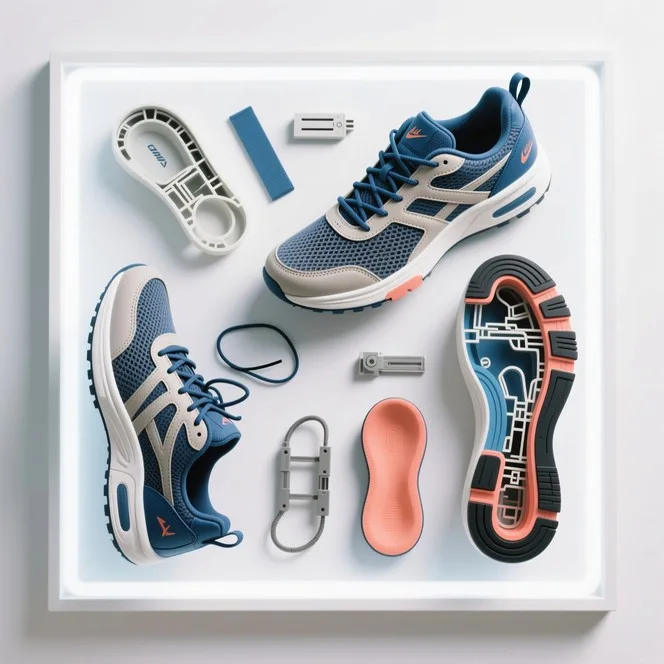
Key Parts of the Upper You'll See
Understanding the individual pieces of the upper helps you appreciate how a shoe is put together and why it fits and performs the way it does.
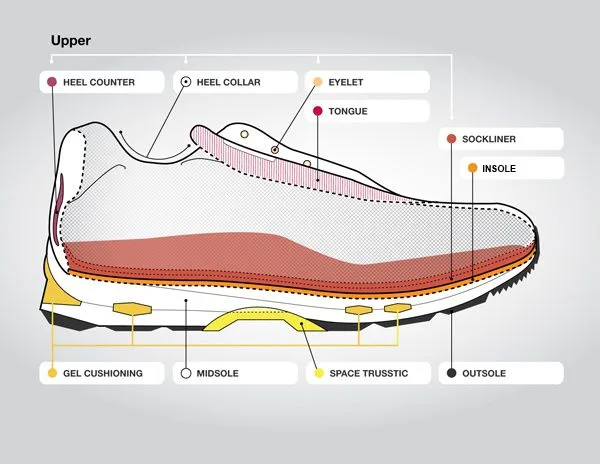
- Vamp: This is the main front section of the upper, covering the top of your foot, generally from the toe box up to the ankle. It's a large surface area that often dictates the shoe's primary look and feel.
- Toe Box: This is the area designed to house your toes. A well-designed toe box provides enough space for your toes to lie flat and move naturally, which is crucial for comfort, especially during activities that involve a lot of foot flexion.
- Quarter (or Side Quarters): These are the panels located on the sides of the shoe, extending from the heel back towards the lacing system. They help secure your foot within the shoe and contribute significantly to the overall fit and support structure.
- Heel Counter: Embedded within the rear of the upper, this is typically a stiff, cup-shaped piece that encases your heel. Its primary function is to provide stability and prevent your heel from slipping, which is vital for preventing injuries and ensuring a secure stride.
- Collar: This is the padded edge that surrounds the opening of the shoe where your ankle bone sits. It adds comfort, helps prevent chafing, and can also contribute to locking your heel in place.
- Tongue: A flap that sits underneath the lacing system, positioned between your foot and the laces. It protects the top of your foot from lace pressure and can be padded for extra comfort or unpadded for a sleeker feel.
- Eyelets/Lacing System: These are the holes or loops through which your shoelaces pass. They are critical for allowing you to adjust the tightness and fit of the shoe to your specific foot shape and preference.
If you've ever wondered why some shoes feel tight or loose in certain areas, it often comes down to the construction and fit of these upper components. For example, the way the quarter panels are cut and stitched can impact how well the shoe hugs your arch.
Materials Shaping Your Shoe's Feel and Performance
The choice of materials for a shoe upper has a direct impact on everything from how breathable the shoe is to how long it lasts and how it feels on your foot. Different materials offer unique properties that are suited for various activities and conditions. It's not just about looks; it's about function.
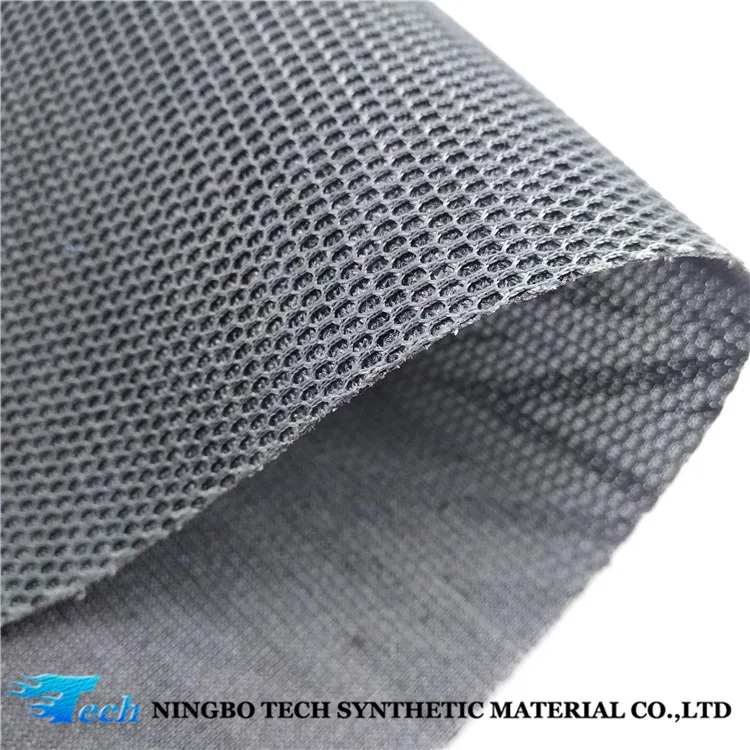
How Different Materials Affect Your Footwear
When designers select materials for the upper, they're making critical decisions that influence the shoe's overall performance and user experience. These choices are guided by the intended use of the shoe.
- Leather: A traditional and highly regarded material, leather offers excellent durability and a natural ability to mold to the wearer's foot over time, creating a personalized fit. Full-grain leather, for example, is known for its strength and breathability, though it can be heavier. It also provides a good level of support.
- Synthetics: This broad category includes materials like polyester, nylon, and polyurethane (PU). Synthetics are engineered for a wide range of properties. They can be made incredibly lightweight, exceptionally water-resistant, or very abrasion-resistant, making them popular for athletic footwear and outdoor gear where specific performance is needed.
- Mesh: Commonly found in running shoes and casual sneakers, mesh is a woven fabric that prioritizes airflow. Its open structure allows air to circulate freely, which is essential for keeping feet cool and dry during intense activity or warm weather.
- Canvas: A sturdy cotton fabric, canvas is a popular choice for casual shoes and some sneakers. It's breathable, relatively durable, and offers a flexible feel. Its natural fibers can be quite comfortable against the skin.
The specific type and treatment of these materials also play a role. For instance, treated leather might become more water-resistant, while different weaves of mesh can alter the level of breathability and support. Understanding these material properties helps you choose footwear that best meets your needs.
For more on what goes into shoes, you can explore what are shoes made of?.
Why the Upper Material Really Matters
It’s easy to overlook the upper’s materials when picking out shoes, but they are fundamental to the shoe's function and your comfort. The right material can make a shoe feel like an extension of your foot, while the wrong one can lead to discomfort, blisters, or even foot problems. This is why different types of shoes use vastly different upper constructions.
- Breathability: This refers to how well air can pass through the material. Highly breathable uppers, like those made from mesh or certain types of knit synthetics, allow heat and moisture to escape. This is critical for preventing overheating and keeping feet dry, especially during strenuous activities like running. Poor breathability can contribute to fungal infections.
- Support and Stability: The way the upper is constructed and the materials used directly influence how much support it provides to your foot. Stiffer materials like firm leather or engineered synthetics, often combined with a strong heel counter, help to stabilize your foot during movement. This is particularly important in what is a stability running shoe? or what are motion control running shoes? for those needing extra control.
- Durability and Protection: The upper acts as a shield against the elements and potential hazards. Tougher materials like full-grain leather or reinforced synthetics are more resistant to abrasion, punctures, and general wear and tear, making them ideal for hiking boots or work shoes. A well-constructed upper protects your foot from impacts and rough terrain.
- Flexibility: Some activities require a shoe that moves with your foot. Uppers made from soft leather, knit fabrics, or flexible synthetics allow for a greater range of motion. This is often a key consideration for casual wear or sports where agility is important.
The interplay between these material properties is what ultimately defines a shoe's performance. A running shoe needs to be lightweight and breathable, while a hiking boot prioritizes durability and water resistance.
Understanding Shoe Upper Attributes
Beyond the basic components and materials, shoe uppers possess several key attributes that define their performance and suitability for different activities. These characteristics are often engineered into the design and material selection process.
Breathability: Keeping Your Feet Cool
Breathability is one of the most sought-after attributes in shoe uppers, especially for athletic activities. It essentially measures how well air can move through the material.
- How it Works: Materials with small, porous structures, like engineered mesh or certain knit fabrics, allow air to pass through easily. This constant exchange of air helps to vent heat and moisture generated by your feet during movement.
- Why It Matters: Adequate breathability is crucial for comfort. When feet get too hot and sweaty, it can lead to blisters, chafing, and an increased risk of fungal infections. For example, running shoes often feature highly breathable uppers to manage the heat produced during long runs. Aggregate user reviews consistently report discomfort in shoes with poor ventilation. Per standards set by the American Society for Testing and Materials (ASTM), breathability is often a factor in material testing for performance footwear.
- Material Examples: Knitted polyester, open-cell mesh, and treated leathers can offer good to excellent breathability.
Support and Stability: What the Upper Provides
The upper plays a critical role in providing the necessary support and stability to your foot as you move. This isn't just about comfort; it's about preventing injuries and ensuring proper biomechanics.
- How It Works: Support often comes from the way the upper panels are shaped and stitched, and the inherent rigidity of the materials used. A strong heel counter cups the heel, preventing excessive side-to-side motion. The quarter panels and lacing system work together to secure the midfoot, while the vamp and toe box provide a protective, shaped housing for the forefoot.
- Why It Matters: Proper support helps align your foot and ankle, which is essential for shock absorption and preventing overpronation or supination. This is particularly important for individuals with specific foot conditions or those engaging in high-impact activities. For example, the design of a stability shoe's upper aims to guide the foot through a more neutral motion.
- Material Examples: Dense synthetics, firm leathers, and structured knit materials, often combined with internal support elements like stiffeners or overlays, contribute to support and stability.
Common Shoe Upper Use Cases
The design and material choices for a shoe upper are heavily dictated by its intended purpose. What works for a casual sneaker won't necessarily cut it for a serious hiking boot or a track shoe.
Athletic vs. Casual: Uppers for Every Activity
The demands placed on footwear vary wildly depending on the activity, and the upper is the primary component that adapts to these needs.
Athletic Shoes (Running, Training, etc.): These uppers prioritize performance.
- Key Features: High breathability is paramount to manage heat and sweat during intense workouts. Lightweight materials like engineered mesh, knit synthetics, and minimalist designs are common. Support and a secure, locked-in fit are crucial for preventing injury and maximizing energy transfer. For instance, the uppers on high-performance running shoes are often designed to be both snug and flexible, allowing natural foot movement without sacrificing stability. Our research indicates that materials like Flyknit or Primeknit offer excellent flexibility and a sock-like fit.
- Materials: Advanced synthetic meshes, engineered knits, lightweight ripstop nylons.
- When to Choose: For sports, running, gym training, or any activity requiring dynamic movement and foot protection.
Casual Shoes & Sneakers: These often balance comfort, style, and moderate durability.
- Key Features: While breathability is still a consideration, aesthetics and comfort often take precedence. Uppers can be made from a wider variety of materials, including canvas, softer leathers, and more casual synthetics. The goal is often a comfortable, everyday wear experience. Many casual shoes are designed with ease of wear in mind, sometimes featuring slip-on designs or less complex lacing systems.
- Materials: Canvas, suede, nubuck, PU leather, softer synthetic leathers, cotton knits.
- When to Choose: For everyday wear, walking, socializing, and light activities where extreme performance isn't needed.
Hiking Boots & Outdoor Footwear: These uppers are built for protection and durability.
- Key Features: Durability and water resistance are top priorities. Uppers are often constructed from robust materials like full-grain leather, thick synthetics, or waterproof membranes to withstand rough terrain, moisture, and abrasion. They typically provide significant ankle support and a snug fit to prevent debris from entering the shoe.
- Materials: Full-grain leather, treated leathers, durable synthetic overlays, waterproof membranes (like Gore-Tex).
- When to Choose: For hiking, trekking, outdoor work, or any activity in challenging environments where foot protection and resilience are essential.
Mistakes to Avoid When Considering Shoe Uppers
When you're looking for new footwear, it's easy to get caught up in just the look or the brand name. However, overlooking the specifics of the shoe upper can lead to discomfort and even issues down the line.
Ignoring Material's Impact on Comfort
A common mistake is not considering how the upper's material will affect your comfort over time.
- The Problem: You might love the style of a shoe, but if its upper is made of a material that doesn't breathe well, your feet could overheat and sweat excessively. This can lead to blisters and general discomfort, especially during prolonged wear or in warmer conditions. Conversely, an upper that's too porous might offer little protection from moisture or wind.
- Why It's a Mistake: Your feet need to be able to regulate temperature. Materials like non-breathable plastics or tightly woven, non-porous synthetics can trap heat and moisture. Similarly, a canvas upper might be comfortable for a short walk but not suitable for a long hike in wet weather.
- What to Look For:
- For Warm Weather/Activity: Prioritize mesh, knit fabrics, or treated leather with good airflow.
- For Cold/Wet Weather: Look for water-resistant leathers, synthetics with waterproof membranes, or closely woven materials that block wind.
- For General Comfort: Softer, flexible materials that mold to your foot are often best.
Understanding the properties of different upper materials, whether it's the breathability of mesh or the durability of full-grain leather, is key to making an informed choice that prioritizes your foot's well-being and the shoe's intended function. If you're unsure about how a shoe should fit overall, learning how should running shoes fit? can provide valuable context.
Frequently Asked Questions About Shoe Uppers
What's the main difference between a shoe upper and a sole?
The shoe upper is everything on top of the sole, covering your foot. The sole is the part that touches the ground and provides cushioning, traction, and support from below.
Can shoe uppers be made of recycled materials?
Yes, many manufacturers are incorporating recycled materials, such as recycled polyester or PET, into shoe uppers. This is part of a growing trend towards sustainability in footwear production.
How do I know if my shoe upper offers enough support?
Support is often felt around the heel and midfoot. If your heel feels secure and doesn't slip excessively, and your arch feels comfortably cradled without being squeezed, the upper is likely providing adequate support for your needs.
Is a leather upper always more durable than a synthetic one?
Not necessarily. While high-quality leather is very durable, some advanced synthetic materials and reinforced meshes can be engineered for extreme abrasion resistance and longevity, especially in specialized athletic or work footwear.
Final Thoughts on Shoe Uppers
Understanding the shoe upper is fundamental to choosing footwear that aligns with your needs, whether you're an athlete, a hiker, or simply seeking everyday comfort. The interplay of components, materials, and design attributes dictates how a shoe will perform and feel. By paying attention to the specifics of the upper, you empower yourself to make better decisions for your feet.