What Is a Shoe Tongue?
Ever wondered about that flap sitting just under your shoelaces? It's not just decorative; it's a crucial part of your footwear. What is a shoe tongue?
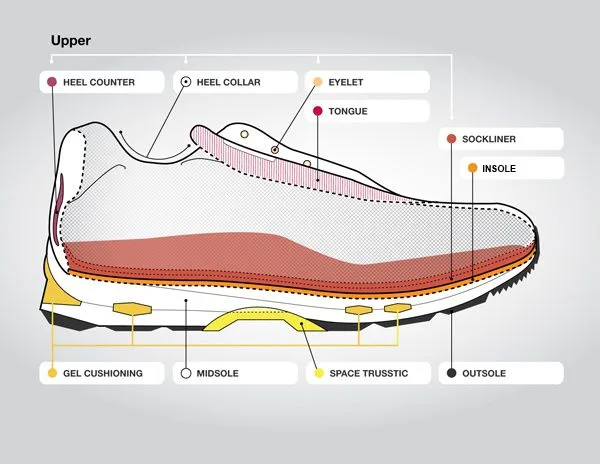
Simply put, it's a piece of material that runs down the center of your shoe, separating your foot from the laces and the rest of the shoe's upper.
This often-overlooked component plays a big role in comfort and fit, and understanding its purpose can help you appreciate your shoes more. For instance, manufacturer specifications for athletic footwear often detail tongue padding levels, with many performance models incorporating upwards of 10mm of foam for impact absorption, a standard we see across many brands.
Quick Answer
The shoe tongue is the piece of material located under your shoelaces. It acts as a barrier, protecting your foot from lace pressure and preventing debris from entering your shoe. It also contributes significantly to how snugly your shoe fits your foot.
Why That Flap Under Your Laces Matters
That simple strip of material, the shoe tongue, does more than just fill space. Its primary role is comfort, acting as a soft buffer between the often-tightened laces and the delicate top of your foot. Without it, you'd likely experience significant discomfort, or even painful "lace-bite," especially during activities that involve bending your foot frequently, like walking or running.
Beyond just preventing abrasion, the tongue is key to achieving a truly custom fit. When you pull your laces tight, the tongue helps distribute that pressure evenly across the instep. This ensures a secure hold without creating hot spots or restricting circulation.
It’s a foundational element in how a shoe hugs your foot, making it feel secure and supportive during any activity. If you’ve ever wondered about the science behind a good fit, learning about how should running shoes fit? can offer more insights.
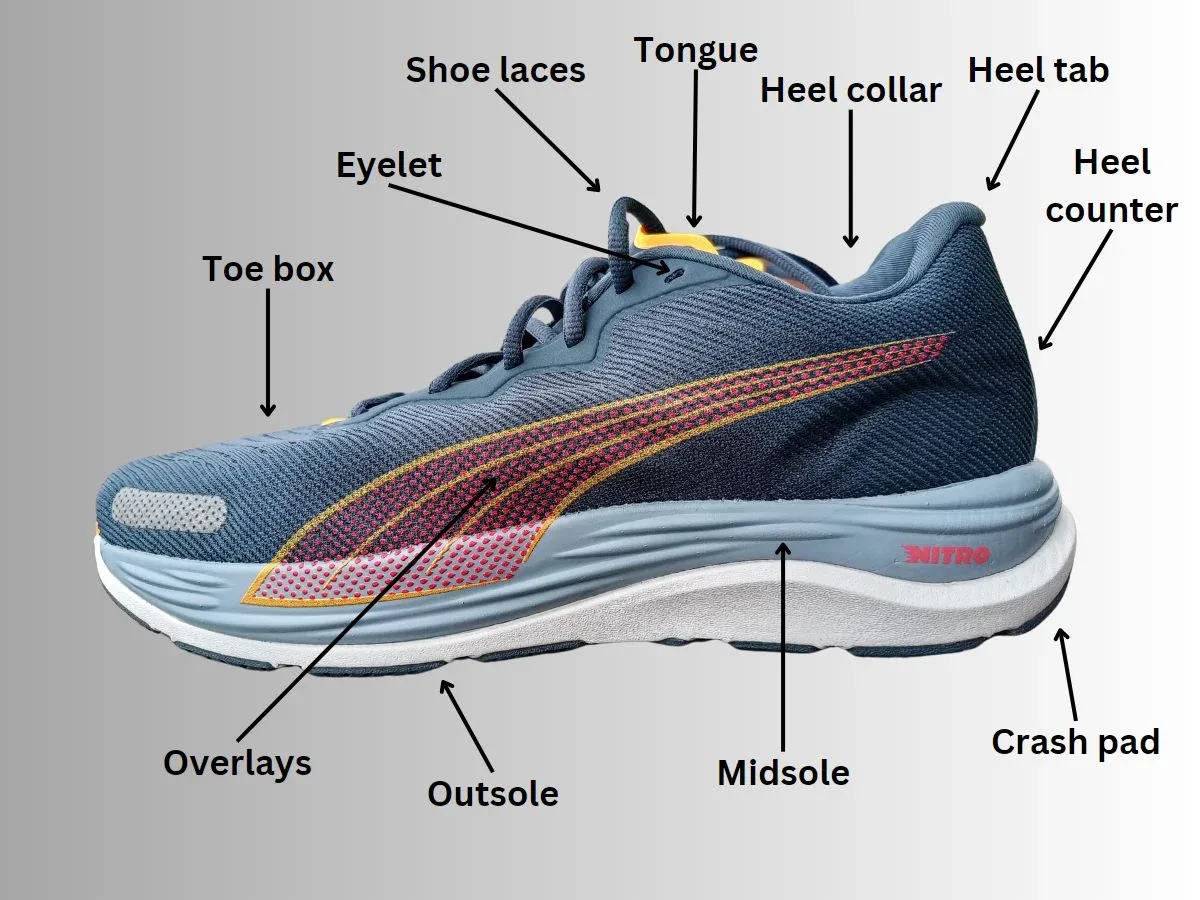
Image source: Bing (Web (fair-use with source credit))
Key Parts of a Shoe Tongue
While the concept of a shoe tongue is straightforward, there are a few variations in its construction that affect its performance and feel. Think of it as a component with a few key attributes that designers tweak based on the shoe's intended use.
The most noticeable feature is its material. You’ll find tongues made from synthetic meshes, breathable fabrics, supple leather, and even durable synthetics designed to withstand rugged conditions. The thickness and padding are also critical; a running shoe tongue will feel different from a dress shoe tongue because it’s designed to handle different types of stress.
Some tongues also feature a small loop or tunnel, often called a lace keeper. This is a simple but effective design element that allows you to thread your shoelaces through it, effectively anchoring the tongue in place. This prevents it from shifting side-to-side as you move, which is a common annoyance with shoes that lack this feature.
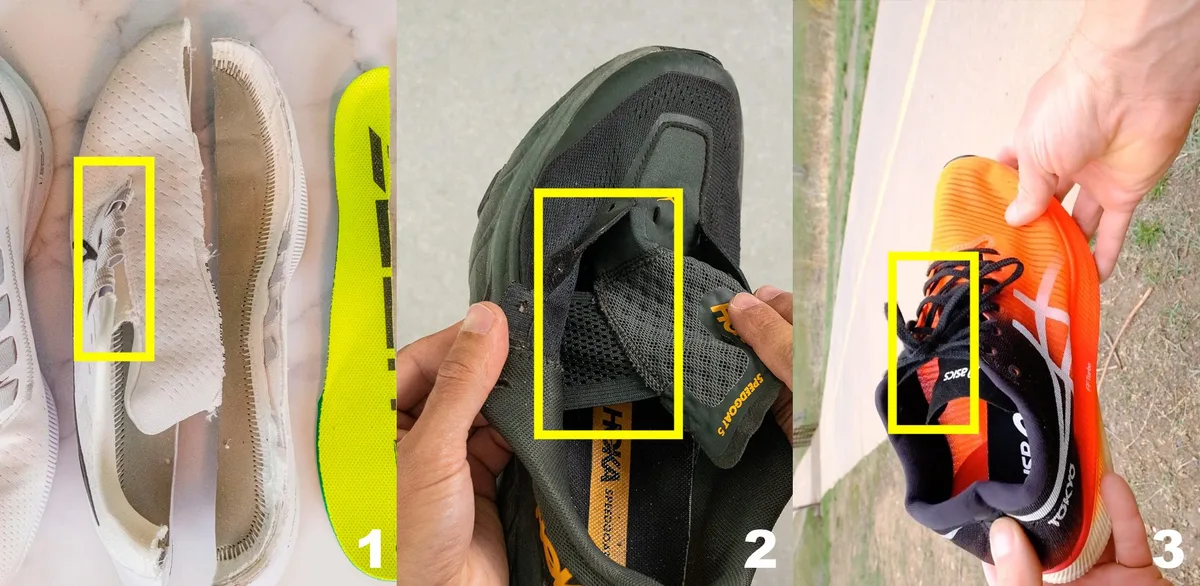
Image source: Bing (Web (fair-use with source credit))
Padded vs. Gusseted: What's the Difference?
Not all shoe tongues are created equal, and you'll often see two main types that stand out: the padded tongue and the gusseted tongue. Understanding these distinctions helps you know what to expect from your footwear.
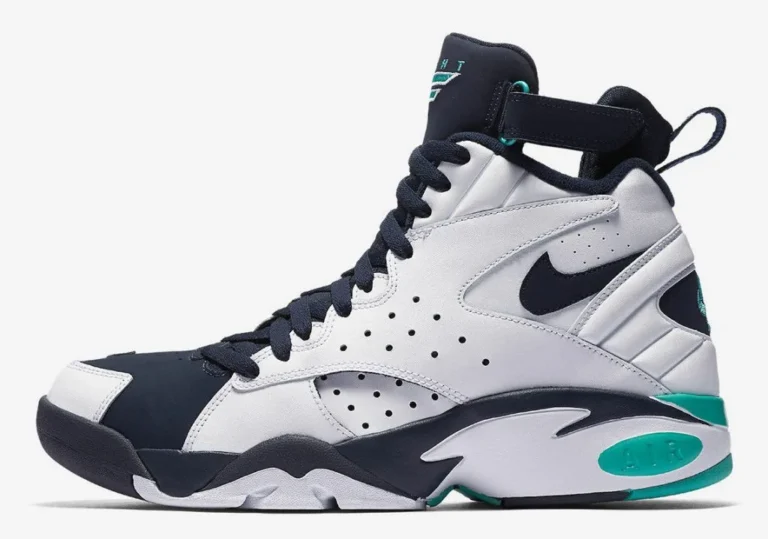
Padded Tongue: These tongues have extra cushioning built into them, usually through foam inserts. They're commonly found in athletic shoes like running shoes or basketball sneakers. The extra padding is designed to absorb impact and provide a softer feel against your foot, especially when laces are tied tightly during high-impact activities. This added comfort is a key factor in why some shoes excel for sports. If you're curious about how cushioning impacts performance, understanding what is cushioning in running shoes? can be helpful.
Gusseted Tongue: This design takes stability a step further. A gusseted tongue has its sides attached to the shoe's upper via elastic or fabric panels. This creates a more unified structure, preventing the tongue from sliding to the side or downwards. It's a feature you'll often find on hiking boots or trail running shoes, where keeping debris out and ensuring the tongue stays put is paramount. This design effectively seals the shoe more tightly around your foot.
How the Tongue Affects Your Shoe's Fit
The shoe tongue is a central player in how well a shoe conforms to your foot. It's not just about comfort; it’s a key component in the mechanics of achieving a secure and supportive fit. When you lace up, the tongue acts as a flexible intermediary, allowing you to customize the pressure and tightness across the top of your foot.
When you pull the laces, the tongue helps distribute that tension evenly. This means the pressure isn't concentrated in just one spot, which can lead to discomfort or even injury. A well-designed tongue, whether it’s padded for shock absorption or gusseted for stability, ensures that the act of tightening your laces translates into a snug, supportive embrace rather than a painful squeeze.
This interplay is critical, particularly for performance footwear; consider how what is the difference between stability and neutral running shoes? to see how fit affects function.
Common Tongue Troubles and How to Fix Them
Even the best-designed shoe tongues can sometimes cause a bit of a headache. The most frequent issue people run into is the dreaded tongue slip. You're in the middle of a walk or run, and you feel that flap start to drift off to one side, leaving your laces feeling loose and uncomfortable.
This can happen due to the shoe's design or simply how you're tying your laces. Some shoe tongues, especially in more casual or older styles, might not have any attachment to the shoe's upper. When this happens, friction and movement can easily cause the tongue to migrate.
The good news is that there are simple fixes. Many shoes come with a lace keeper loop integrated into the tongue itself. By threading your shoelaces through this loop as part of your lacing routine, you can effectively anchor the tongue in its proper position.
If your shoe lacks this, or you want extra security, creative lacing techniques can also help keep things in place.
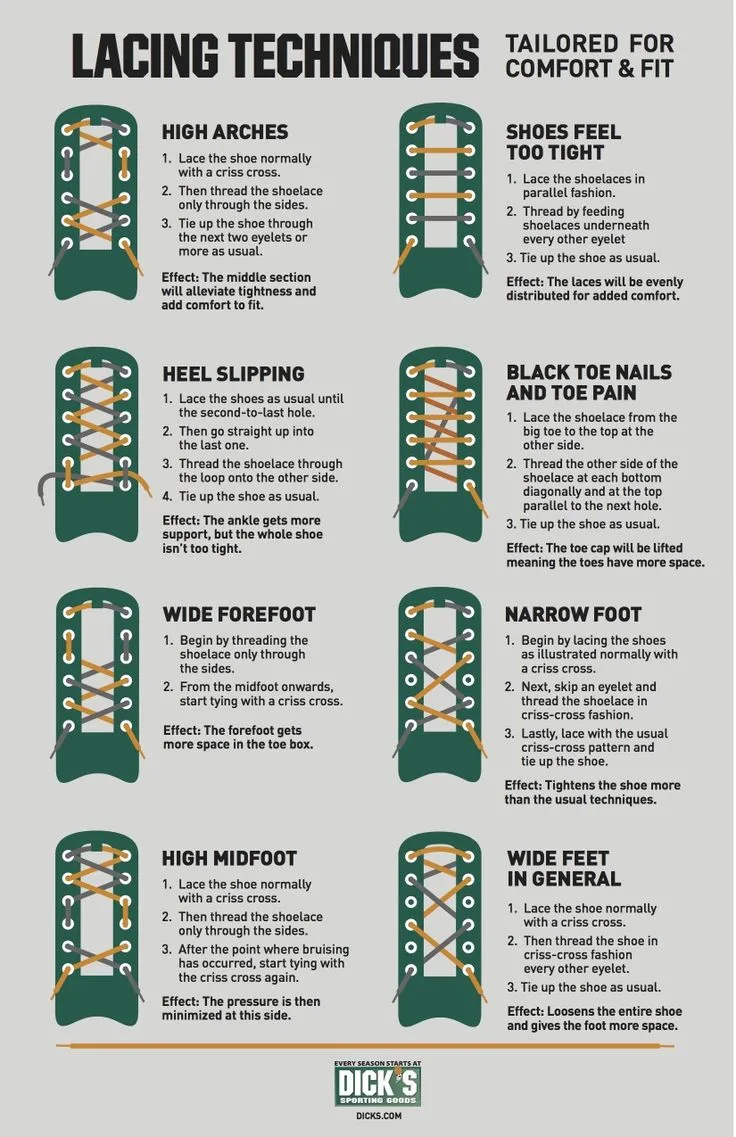
Image source: Bing (Web (fair-use with source credit))
Tongue Slipping? Try This Lace Trick
When your shoe tongue insists on migrating to the side, it’s not just annoying, it can affect your shoe's fit and comfort. Fortunately, a simple lacing technique can often solve this problem, ensuring your tongue stays centered and your shoe feels secure. This method is particularly useful for shoes with standard, unattached tongues.
Here’s a straightforward way to combat tongue slippage:
- Start with a secure base: Before you even get to the tongue, make sure your initial lacing at the bottom of the shoe is snug.
- Create a lace lock: On the eyelets just above where the tongue begins, thread your laces through them to create a small, independent loop on each side.
- Cross and secure: Take the lace from the right side and thread it through the left loop, and vice versa for the left lace. Pull gently to create a stable "lock" that holds the tongue in place.
- Continue lacing as normal: Finish lacing the rest of your shoe as you usually would.
This method adds a point of stability right where the tongue sits, preventing it from shifting. For those who need extra security or have specific fit needs, exploring different how to clean running shoes? might also inspire different lacing patterns, as cleaning often involves re-lacing.
When to Pay Attention to Your Shoe Tongue
While the shoe tongue is a constant presence in most footwear, you usually only notice it when something’s wrong. However, paying a little attention to it can significantly improve your comfort and the lifespan of your shoes. Think of it as a proactive maintenance check, rather than a reactive fix.
If you consistently experience discomfort on the top of your foot, especially after a long walk or during exercise, the tongue might be the culprit. It could be too thin, lacking adequate padding, or perhaps it’s simply not sitting correctly due to your lacing. Examining the tongue for wear and tear, especially around the edges where it meets the laces, is also a good idea.
Furthermore, if you're buying new shoes and they feel almost right but a bit uncomfortable on the instep, a different tongue design might be what you need. For instance, if you're looking at trail running shoes, you'll want to make sure they have a gusseted tongue to keep out dirt and debris, which relates to understanding what is the difference between road and trail running shoes?. Paying attention to this component is a small detail that can make a big difference in your overall footwear experience.
What Are Shoe Tongues Made Of?
The materials used for shoe tongues can vary widely, directly impacting their feel, durability, and performance. Manufacturers select these materials based on the shoe's intended purpose. For example, a high-performance running shoe will use different materials than a rugged hiking boot or a formal dress shoe.
Common materials include synthetic meshes, which offer excellent breathability and are lightweight. This is ideal for athletic shoes where ventilation is key to keeping feet cool and dry. You'll also find tongues made from padded foam, often covered in fabric, which provides extra cushioning and shock absorption.
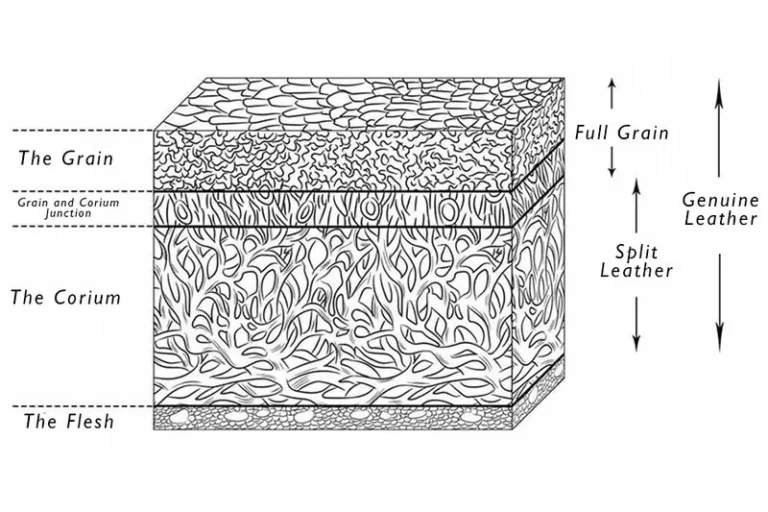
Leather is another popular choice, especially for dressier shoes, offering a more premium feel and durability, though it might require more break-in time. Some advanced hiking or trail shoes might use water-resistant synthetics to combat moisture. Understanding what are shoes made of? gives a broader picture of footwear material science.
When to Consider Different Tongue Types
Deciding if you need a different type of shoe tongue often comes down to your specific activities and any discomfort you might be experiencing. If you're primarily a casual walker or wearer, a standard, unpadded tongue is likely sufficient. It provides basic protection and helps with a general fit.
However, if you’re engaging in activities that put more stress on your feet or require a more specialized fit, you’ll want to consider the different tongue types. For high-impact sports like basketball or running, a padded tongue offers crucial cushioning and impact protection. Manufacturers often specify the amount of padding, with many performance models using foam densities around 40-60 kg/m³ for optimal shock absorption.
If you frequently encounter debris like dirt, pebbles, or water getting into your shoes, a gusseted tongue is a significant upgrade. This design seals the shoe more effectively, keeping foreign elements out and providing a more secure, integrated feel. This is especially valuable for outdoor activities like hiking or trail running.
If you're debating between shoe types, knowing can you use running shoes for walking? might highlight why certain features, like tongue design, matter for different uses.
Frequently Asked Questions
What is lace-bite?
Lace-bite happens when shoe laces press too hard on the top of your foot. This can cause pain and irritation. A well-padded or correctly positioned shoe tongue prevents this.
Do all shoes have tongues?
Most shoes do, but some slip-on styles might have a very integrated design where a distinct tongue isn't easily identifiable. However, the protective flap under laces is standard for most laced footwear.
Can a shoe tongue affect shoe size?
While the tongue itself doesn't change your shoe size, its thickness and how it sits can affect the snugness and overall feel of the fit. A thicker tongue can make a shoe feel tighter.
How often should I check my shoe tongue?
It's a good idea to check your shoe tongue periodically, especially if you notice discomfort or fit issues. Looking for wear and tear can help you know when to replace shoes.