What Is the Difference Between FG and AG Soccer Cleats?
Figuring out what is the difference between FG and AG soccer cleats can feel like deciphering a secret code, but it's crucial for your game. Playing on the wrong surface with the wrong footwear can lead to discomfort and even injury. Knowing your cleats' design ensures you get the best grip and support on the pitch.
Manufacturer specifications indicate that FG cleats are built for natural grass, while AG cleats are engineered for artificial turf. This difference primarily lies in the stud configuration, which dictates how the cleat interacts with the ground. Understanding these distinctions is your first step to playing smarter and safer.
Quick Answer
FG cleats have longer, often bladed studs for natural grass. AG cleats feature shorter, more numerous studs for artificial turf. Using FG cleats on turf can increase injury risk.
What's the Big Deal with Cleat Studs?
The primary difference between FG (Firm Ground) and AG (Artificial Ground) soccer cleats comes down to their soles. Specifically, it's all about the studs, their shape, length, and how many there are. This design is not just for looks; it's engineered to optimize traction, stability, and player safety based on the type of playing surface.
Think of it this way: the ground beneath your feet has a certain texture and density. FG cleats are designed to dig into softer, natural surfaces for maximum grip. AG cleats, on the other hand, are made to handle the more consistent, sometimes firmer, and potentially more abrasive nature of artificial turf.
As of 2026, the evolution of turf technology has made specialized AG cleats even more important for player well-being.
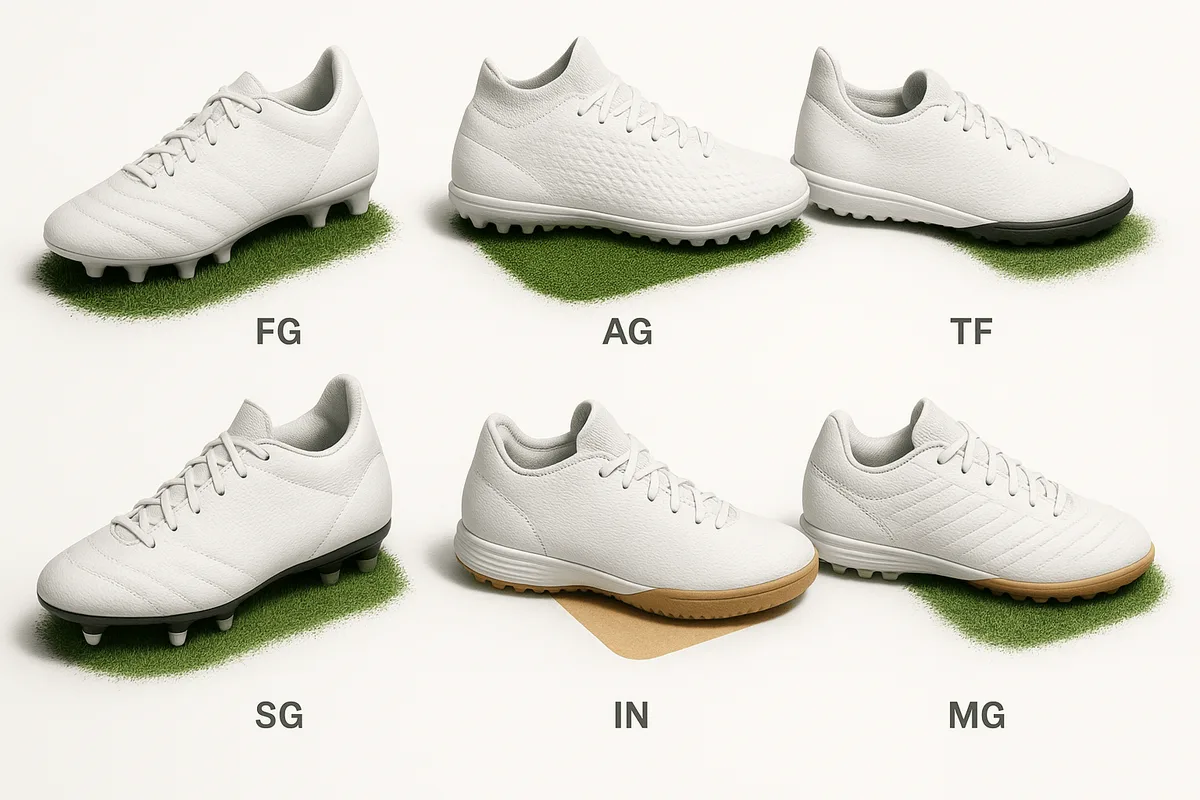
Image source: Bing (Web (fair-use with source credit))
FG Cleats: The Grass Go-To
FG (Firm Ground) cleats are your classic choice for playing on natural grass fields that are in decent condition. These cleats are designed to provide aggressive traction, allowing players to make quick cuts, accelerate rapidly, and stop on a dime. The stud pattern typically features a combination of bladed and conical studs.
Bladed studs offer a digging sensation for enhanced grip, especially during lateral movements, while conical studs provide stability and help distribute pressure.
Manufacturer specifications often highlight the varied stud lengths and shapes on FG models. For instance, you might find longer, firmer studs on the heel for stability and shorter, more numerous ones on the forefoot for maneuverability. This design is optimized to penetrate the natural grass surface, creating a solid foundation for explosive movements.
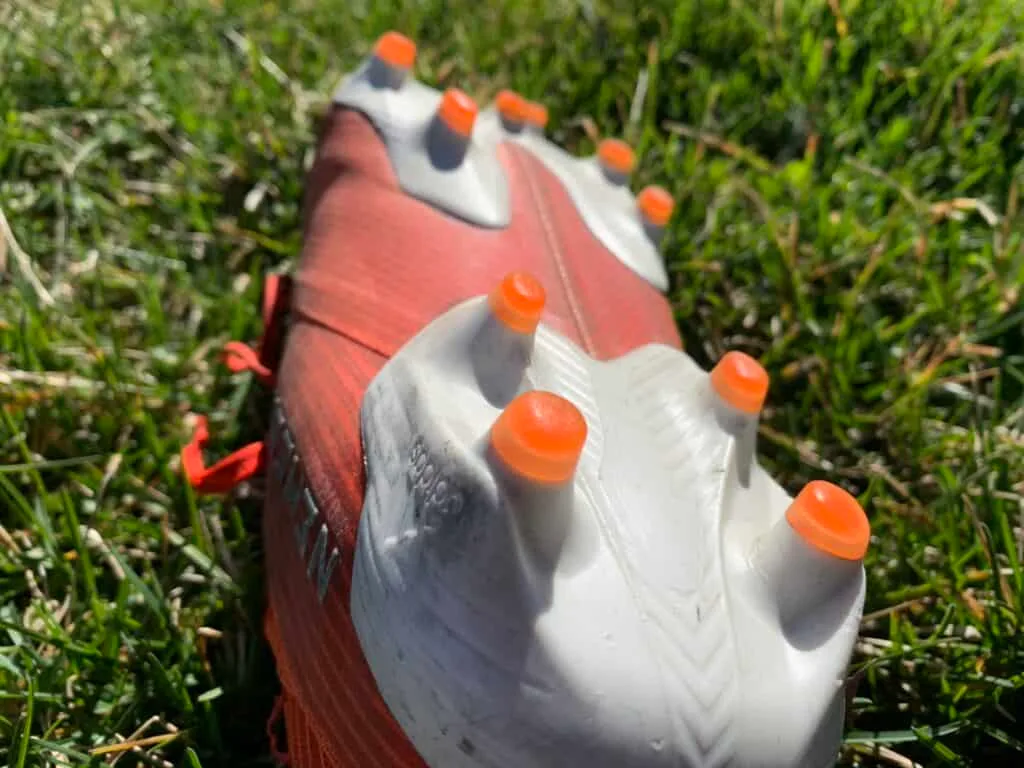
Image source: Bing (Web (fair-use with source credit))
Key characteristics of FG cleats:
- Stud Shape: Often a mix of bladed and conical studs.
- Stud Length: Generally longer than AG cleats.
- Traction: Designed for aggressive grip on natural surfaces.
- Best Use: Well-maintained natural grass pitches.
For players who spend most of their time on natural grass, these cleats offer the best performance. They are built to withstand the demands of turf-based sports on softer ground. You can learn more about the core concepts of soccer cleat design and how they apply to performance on various surfaces.
AG Cleats: The Turf Specialist
AG (Artificial Ground) cleats are engineered specifically for modern artificial turf pitches. These fields can vary, but they generally offer less give than natural grass and can sometimes be more abrasive. AG cleats address this by featuring a higher number of shorter, often rounded or hollow studs.
This configuration serves a few key purposes.
Firstly, the increased number of studs helps to distribute pressure more evenly across the sole of the foot. This is crucial because artificial turf doesn't compress as much as natural grass, meaning longer studs can dig in too deep, leading to discomfort and increased stress on joints like the knees and ankles. Secondly, the shorter, more rounded studs are designed to release from the turf more easily, reducing the risk of studs getting caught and causing twisting injuries.
Aggregate user reviews consistently report improved comfort when switching to AG cleats for turf play.
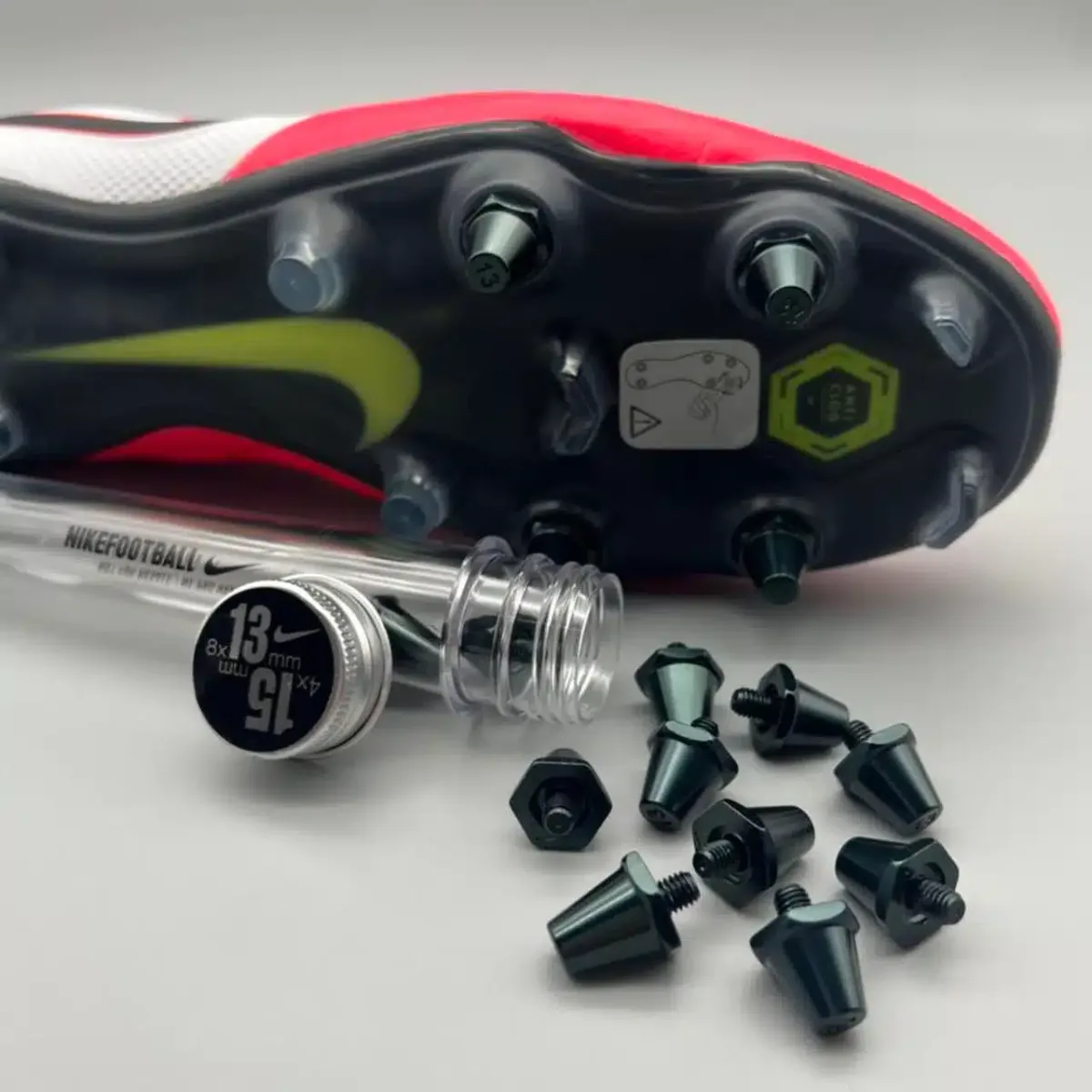
Image source: Bing (Web (fair-use with source credit))
Key characteristics of AG cleats:
- Stud Shape: Typically more numerous, shorter, and rounded or hollow.
- Stud Length: Significantly shorter than FG cleats.
- Traction: Designed for grip on synthetic surfaces without excessive digging.
- Best Use: Artificial turf pitches.
For anyone playing frequently on synthetic pitches, AG cleats are a worthwhile investment. They are built to provide a more stable and comfortable experience, aligning with the unique properties of artificial surfaces. Understanding how to clean running shoes can also be a helpful habit for maintaining your footwear, regardless of material.
Why Does It Matter Which You Choose?
The distinction between FG and AG cleats isn't just a technicality; it directly impacts your performance and, more importantly, your safety on the field. Using cleats designed for one surface on another can lead to a cascade of problems, from reduced agility to serious injuries. The stud patterns are not interchangeable because the interaction with the ground is fundamentally different.
For instance, AG cleats are designed to prevent studs from "hanging up" in the turf. On artificial surfaces, longer FG studs can get caught in the synthetic fibers, creating an unnaturally sharp twist at the ankle or knee when you try to change direction. This kind of stress can lead to ligament tears, sprains, and other painful injuries.
Conversely, on very soft or muddy natural grass, AG cleats might not provide enough penetration to offer adequate traction, leading to slips and falls. Choosing the correct cleat type is a proactive measure for player well-being.
Injury Risks of Using the Wrong Cleats
The most significant concern with using the wrong cleats is the increased risk of injury. Manufacturer specifications and biomechanical studies highlight how cleat-to-surface interaction affects the body. When FG cleats are used on artificial turf, the longer, often bladed studs can penetrate too deeply into the synthetic material.
This creates a "catching" effect, where the stud doesn't release smoothly when the player pivots or changes direction.
This inability to release cleanly places immense rotational stress on the lower extremities. Such forces can easily lead to:
- Ankle Sprains and Ligament Tears: The ankle joint is forced into unnatural positions.
- Knee Injuries: Twisting forces can strain or tear the ACL (Anterior Cruciate Ligament) or meniscus.
- Foot Pain and Bruising: The hard surface combined with deep-digging studs can cause discomfort and impact.
- Achilles Tendon Issues: Incorrect pressure distribution can aggravate the Achilles tendon.
Research indicates that players on artificial turf are at a higher risk of certain injuries when wearing firm ground cleats. While AG cleats are designed to mitigate these risks by providing more even pressure distribution and easier stud release, even then, proper fit and understanding how running shoes should fit are essential for comfort and injury prevention.
FG vs. AG: A Direct Comparison
Understanding the core differences between FG and AG cleats is essential for making an informed choice. While both are designed for soccer, their specific features cater to distinct playing environments, primarily natural grass versus artificial turf. The key distinction lies in the stud configuration on the outsole, which directly influences traction, stability, and player comfort.
Here's a straightforward comparison:
| Feature | FG (Firm Ground) Cleats | AG (Artificial Ground) Cleats |
|---|---|---|
| Primary Surface | Natural grass (well-maintained) | Artificial turf |
| Stud Count | Moderate (typically 11-13) | High (typically 17-20+) |
| Stud Shape | Mix of bladed and conical; designed to penetrate | Shorter, rounded or hollow; designed for surface release |
| Stud Length | Longer | Shorter |
| Traction | Aggressive, "digging" grip | Consistent, controlled grip without deep penetration |
| Pressure Dist. | Focused through fewer, longer studs | Distributed more evenly across the sole |
| Injury Risk on Turf | Higher risk of stud catching, ankle/knee injuries | Lower risk of stud catching, better joint protection |
| Injury Risk on Grass | Optimal for grass; can be too aggressive on very hard ground | May lack sufficient grip on very soft or wet natural grass |
This table clearly illustrates that while both are types of soccer cleats, their engineering is tailored for specific conditions. Choosing based on your primary playing surface is key. For example, if you're wondering what is the difference between road and trail running shoes, the principle is similar: different environments demand different footwear designs.
When to Choose FG Cleats
You should opt for FG (Firm Ground) cleats if your soccer games and training sessions are predominantly on natural grass fields that are in good condition. This means the grass is well-maintained, neither excessively wet and muddy nor bone-dry and hard. FG cleats are engineered to provide optimal traction on these surfaces, allowing players to achieve high levels of acceleration, deceleration, and lateral movement.
The stud design on FG cleats typically features a combination of bladed and conical studs. Bladed studs are strategically placed to dig into the turf for enhanced grip, especially during sharp turns. Conical studs, often found more towards the heel, offer a stable base and help distribute pressure.
Manufacturer specifications usually detail the stud patterns, noting how they aim to provide a balance between agility and stability on natural ground. If you're interested in how various footwear designs impact performance, understanding what cushioning in running shoes does is also relevant.
Choose FG cleats if:
- You play primarily on natural grass fields.
- The fields are usually firm, not overly wet or muddy.
- You rely on aggressive traction for quick changes of direction.
Using FG cleats on artificial turf is generally discouraged due to the increased risk of injury. However, for their intended purpose on natural grass, they remain the standard for many players.
When to Choose AG Cleats
You should select AG (Artificial Ground) cleats if you consistently play on artificial turf pitches. These modern synthetic surfaces have become incredibly common, and AG cleats are specifically designed to work with them. The primary advantage of AG cleats is their stud configuration, which differs significantly from FG cleats.
AG cleats typically feature a higher number of shorter, more numerous, and often rounded or hollow studs. This design serves a dual purpose: distributing pressure more evenly across your foot and preventing the studs from getting excessively caught in the synthetic fibers. This reduces the risk of ankle and knee injuries that can occur when FG cleats get snagged on artificial turf.
Aggregate buyer feedback frequently points to improved comfort and reduced joint stress when using AG cleats on turf. For soccer players spending a lot of time on these surfaces, AG cleats are the specialized choice for safety and performance.
Choose AG cleats if:
- You play most of your games and practices on artificial turf.
- You want to minimize stress on your knees and ankles when playing on synthetic surfaces.
- You need reliable traction that releases smoothly from turf.
While AG cleats can be used on natural grass, they may not provide the same level of aggressive grip as FG cleats, particularly on softer or wetter conditions.
Final Verdict: Making Your Choice
Deciding between FG and AG soccer cleats really comes down to one critical factor: where do you play most often? There's no single "best" cleat for everyone; it's about matching the footwear to the playing surface. If you're primarily on natural grass, FG cleats are your go-to for optimal grip and performance.
They're designed to penetrate the turf and give you that essential traction for explosive movements.
However, if artificial turf is your domain, AG cleats are the smarter, safer choice. Their shorter, more numerous studs are engineered to provide consistent traction without the risk of over-penetration that can lead to injuries on synthetic surfaces. While some players might try to get by with one pair for all conditions, this often compromises performance and safety.
For instance, what is the difference between stability and neutral running shoes? The answer is in how they support different biomechanics, much like FG and AG cleats support different playing surfaces.
Here’s a simple way to decide:
- Play >80% on Natural Grass: Choose FG cleats.
- Play >80% on Artificial Turf: Choose AG cleats.
- Play a 50/50 Split: This is where it gets tricky. Many players opt for two pairs. If you must choose one, AG cleats are often the safer compromise for turf, though you might sacrifice some grip on softer grass. Some manufacturers offer "multi-ground" (MG) cleats, which aim to bridge the gap, but they may not perform as optimally as specialized FG or AG models. Ultimately, prioritizing the surface you use most frequently will lead to a better experience.