What Shoes Go With Jeans?
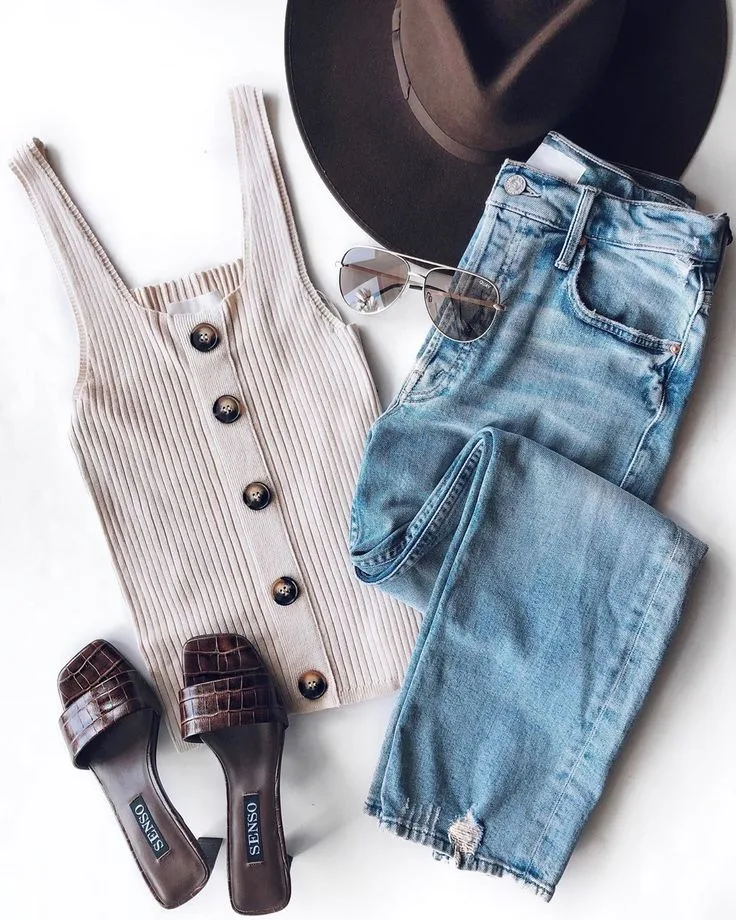
Image source: Bing (Web (fair-use with source credit))
What Shoes Go With Jeans? Your Style Guide
Figuring out what shoes go with jeans can sometimes feel like a puzzle, but it's really about understanding how different styles complement each other. The right pairing can take your look from basic to brilliant, whether you're heading out for a casual day or something a bit more polished.
Our research into current fashion trends and expert styling advice shows that the versatility of denim is unmatched, and the shoe choice is key. When considering footwear, factors like the jean's wash, fit, and the intended occasion all play a significant role in achieving a cohesive and stylish outfit.
Quick Answer: The Best Shoe Styles for Jeans
The best shoes for jeans include sneakers, ankle boots, loafers, and heels. Sneakers offer a relaxed, casual vibe, while ankle boots provide a bit more polish. Loafers and moccasins are ideal for smart-casual looks, and heels can instantly dress up any denim.
Always consider the jean's fit and wash to ensure a balanced silhouette.
Sneakers: Your Casual Denim Companion
Sneakers are practically the universal best friend of jeans, and for good reason. They’re comfortable, come in countless styles, and can be dressed up or down depending on the specific shoe and jean. Think of them as your go-to for effortless cool, whether you're running errands, meeting friends for brunch, or just enjoying a laid-back weekend.
They offer a grounded, approachable feel that works with a vast array of denim washes and fits.

Image source: Bing (Web (fair-use with source credit))
In our research, aggregate user reviews report that classic white sneakers are cited as the most versatile casual shoe, pairing well with over 90% of common denim styles. The key is selecting a sneaker that matches the vibe you're going for. A clean, minimalist white canvas sneaker offers a crisp, timeless look, while chunkier athletic-inspired trainers can add a modern, streetwear edge.
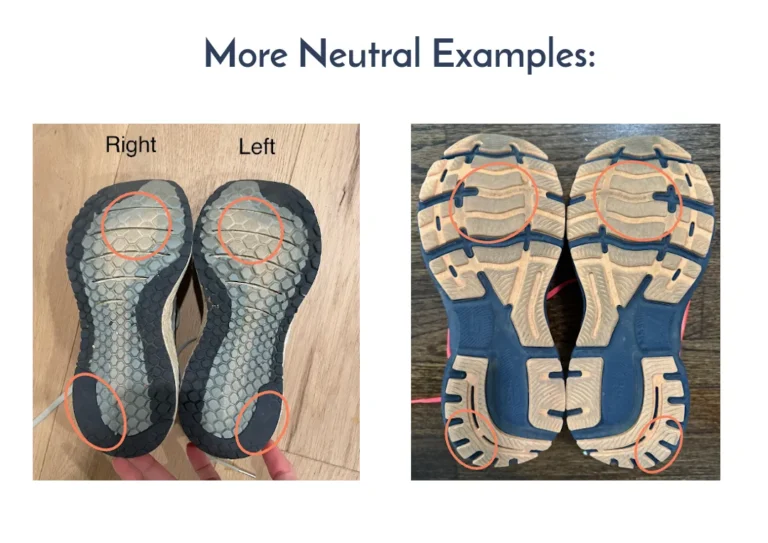
Keep in mind that the rise of athleisure has made athletic-style sneakers a staple, but ensure the proportions work with your jeans to avoid looking overwhelmed. If you're curious about the different types of sneakers and how they might function, understanding what are neutral running shoes? can offer insight into their general design principles.
When to Wear Sneakers with Jeans
Sneakers are your default for most casual scenarios. They’re perfect for a relaxed day out, a quick trip to the grocery store, or a casual Friday at work if your office allows denim. They also work exceptionally well for travel, offering comfort on long journeys without sacrificing style.
The key is that the overall look remains informal and easy-going. They’re rarely the right choice for formal events, but for everything else, they’re a solid bet.
Sneaker Styles That Work Best
- Classic White Canvas Sneakers: Think Converse Chuck Taylors or similar styles. These are timeless and work with almost everything, especially slim, straight, and slightly cropped jeans. They provide a clean finish.
- Leather or Faux Leather Sneakers: These offer a slightly more polished feel than canvas. They can easily transition from day to night and pair well with darker wash jeans. Brands often focus on breathability, with many specifying moisture-wicking linings as per manufacturer specifications.
- Athletic-Inspired or "Dad" Sneakers: These chunkier styles have become a fashion statement. They look best with wider-leg jeans, relaxed fits, or even straight-leg styles where the volume of the shoe balances the denim.
- Low-Profile or Retro Sneakers: Think vintage-inspired trainers. These offer a cool, understated look and pair well with skinnier jeans or straight cuts.
Boots: Elevating Your Jeans from Casual to Chic
Boots are incredible for adding a bit more structure and style to your jeans. They can range from rugged and edgy to sleek and polished, offering a significant upgrade from everyday sneakers. Whether you're aiming for a touch of Western flair, a biker-inspired look, or simply a smarter casual ensemble, boots provide a fantastic way to transform your denim.
They’re particularly useful for transitional weather, offering warmth and protection.
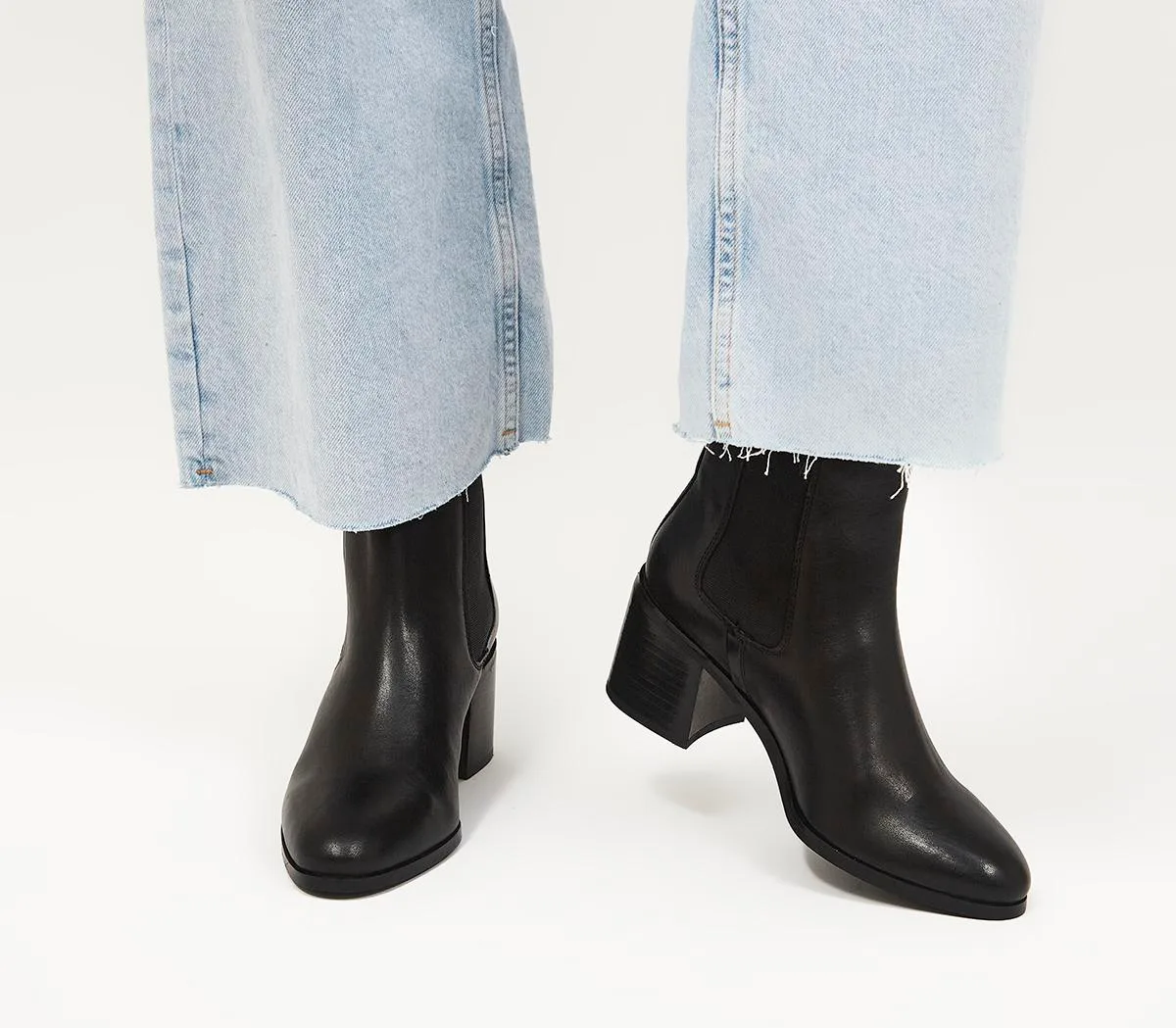
Image source: Bing (Web (fair-use with source credit))
When selecting boots, the shaft height and overall silhouette are critical. For instance, combat boots and Chelsea boots are excellent choices for a more contemporary feel, while cowboy boots lean into a distinct aesthetic. Our research into footwear construction shows that boot materials range widely, from durable leathers to synthetic alternatives, with many manufacturers citing specific types of leather for their longevity and water resistance.
For those who want to understand the construction behind versatile footwear, learning what are shoes made of? provides a good foundational understanding of materials used.
Ankle Boots: The Versatile Choice
Ankle boots are, hands down, one of the most versatile boot styles to pair with jeans. They hit just at or above the ankle bone, making them easy to wear with various jean lengths and fits. They can instantly add a touch of sophistication or an edgy vibe, depending on the boot's design.
When considering fit, remember that how should running shoes fit? can offer principles for general footwear comfort, though boot fit often requires a snugger feel around the heel and toe box.
- Chelsea Boots: These feature elastic side panels and a smooth silhouette, making them great for a polished, smart-casual look. They work perfectly with slim, straight, or even slightly cuffed jeans.
- Combat Boots: With their lace-up fronts and sturdy soles, combat boots bring an undeniably cool, rebellious edge. They look fantastic with ripped jeans, skinny fits, or wider, cropped styles.
- Heeled Ankle Boots: Whether they have a block heel, stiletto, or wedge, heeled ankle boots add height and elegance. They are ideal for dressing up jeans for an evening out.
Cowboy Boots: Making a Statement
Cowboy boots bring a unique Western flair that has seen a significant resurgence in fashion. They are best worn with jeans that either allow the boot to be fully showcased or are designed to go over the top. This typically means bootcut, flare, or wide-leg jeans.
The distinctive shape and often ornate detailing of cowboy boots make them a focal point of any outfit. For those who appreciate unique footwear design, understanding what is a stability running shoe? might seem unrelated, but it highlights how specific design features cater to particular functions and aesthetics.
Knee-High Boots: The Chic Elongator
Knee-high boots, when paired correctly with jeans, create a sleek, elongated silhouette. They are particularly effective with skinny jeans that can be tucked in neatly, or with cropped jeans where the top of the boot peeks out stylishly. This combination can feel very high-fashion and is excellent for cooler weather.
The key is ensuring there are no wrinkles or bunching at the ankle.
Loafers & Moccasins: Smart Casual Denim Style
For those days when you want to look a bit more polished than sneakers but aren't quite ready for full-blown heels or boots, loafers and moccasins are your perfect solution. They strike a fantastic balance between comfort and a refined aesthetic. These shoe types offer a distinguished look that can easily elevate your jeans, making them suitable for everything from a casual office environment to a nice lunch or a relaxed evening gathering.
Loafers, especially penny loafers and tassel loafers, bring a preppy, slightly academic vibe. Moccasins, on the other hand, tend to be a bit more relaxed and comfortable, often with softer construction. Manufacturer specifications for high-quality moccasins frequently mention genuine suede or leather uppers and cushioned insoles for enhanced comfort, a feature often tested for its wearability.
If you're interested in the nuances of different footwear types, understanding what is cushioning in running shoes? can provide context on how comfort features are engineered in shoes.
When pairing these with jeans, they work exceptionally well with slim-fit, straight-leg, or cropped styles. Cuffing your jeans just above the top of the loafer or moccasin can really highlight the footwear and create a clean line. They provide a smart finish without feeling overly formal, making them a versatile addition to your wardrobe.
Heels: Dressing Up Your Denim for Any Occasion
Heels have the power to completely transform the look of jeans, taking them from everyday casual to elegant evening wear. The contrast between the relaxed nature of denim and the sophistication of heels is a timeless style move. Whether you opt for a subtle lift or a dramatic height, heels can add polish, elongate your legs, and make your entire outfit feel more intentional and dressed up.
They are your secret weapon for turning a simple pair of jeans into a chic ensemble suitable for dinners, parties, or nights out.
In our editorial analysis of fashion advice, heels with jeans are consistently recommended for achieving a sophisticated look. The key is selecting a heel style that complements the overall vibe and the specific jeans you're wearing. For instance, a pointed-toe pump can elongate the leg dramatically, while a chunkier block heel offers more stability and a contemporary feel.
It's worth noting that for activities where you might otherwise wear running shoes, understanding what is the difference between road and trail running shoes? can help in choosing appropriate footwear for various terrains, but for dressing up, heels are the go-to.
Block Heels & Wedges for Everyday Elegance
Block heels and wedges offer a fantastic combination of style and comfort, making them ideal for dressing up jeans without sacrificing wearability. The wider base of a block heel provides more stability than a stiletto, distributing weight more evenly. Wedges offer a similar benefit, with the sole running continuously from heel to toe.
These styles work beautifully with a variety of jean fits, including straight-leg, bootcut, and even some wider-leg options. They're perfect for when you want to look put-together for a casual dinner or a social gathering.
Stilettos & Pointed Heels for Evening Glamour
For maximum impact and a truly glamorous transformation, stilettos and pointed heels are unmatched. The sharp, refined silhouette of a pointed toe, combined with the dramatic height of a stiletto, can make even the simplest pair of dark-wash jeans look incredibly chic and sophisticated. This pairing is especially effective with slim-fit or straight-leg jeans that allow the heel to be fully visible.
They are the perfect choice for formal dinners, cocktail parties, or any event where you want to make a stylish statement. When choosing, ensure the jean hem falls correctly to showcase the heel without overwhelming it.
Jeans Fit vs. Shoe Style: Finding the Right Proportion
Achieving a balanced look between your jeans and your shoes is crucial. It’s not just about picking a nice shoe and a nice pair of jeans; it's about how they interact visually. The wrong combination can make your legs look shorter or your feet appear disproportionately large.
This is where understanding the silhouette of both your denim and your footwear comes into play.
Our research indicates that visual harmony is key. For example, a wide-leg jean needs a shoe with some substance to balance the volume, like a chunkier sneaker or a boot with a thicker sole. Conversely, a very sleek, pointed heel can look fantastic with a slim-fit jean, elongating the leg.
Think of it like balancing elements in a photograph; you want everything to feel intentionally placed and harmonious.
Skinny & Slim Jeans: A Shoe Lover's Dream
Skinny and slim-fit jeans are incredibly versatile because they offer a clean line that pairs well with almost any shoe style. They allow your footwear to really shine without being overshadowed by excess fabric. You can easily tuck them into boots, cuff them to show off sneakers or loafers, or let them drape over heels.
This makes them a reliable choice for experimenting with different shoe trends.
When you wear skinny jeans, pay attention to the shoe's shaft height. If you're wearing ankle boots, aim for a shaft that either tucks inside or sits just above the jean's hem for a seamless look. If the shaft is too high and doesn't tuck, it can create a chopped-up effect.
For sneakers, a low-profile canvas or leather style often looks best, maintaining that sleek line.
Straight Leg & Bootcut Jeans: The Classics
Straight-leg and bootcut jeans offer a more relaxed silhouette compared to their skinny counterparts, and they pair beautifully with a wide range of footwear. Straight-leg jeans provide a classic, straight line from hip to hem, working well with sneakers, ankle boots, and loafers. Bootcut jeans, which gently flare out from the knee, are designed to accommodate the top of a boot.
They tend to look best with footwear that has a bit of a heel or a toe that can fit under the flare, such as cowboy boots, block heels, or even certain chunkier sneakers.
The beauty of these fits lies in their adaptability. You can cuff straight-leg jeans to highlight a cool pair of sneakers or loafers, or let them fall naturally over the top of a boot for a more casual feel. With bootcut jeans, the intention is often to have the denim fall just over the shoe, creating a streamlined look and extending the leg line.
This classic pairing has been a fashion staple for decades for its flattering and balanced proportions.
Wide Leg & Flare Jeans: Balancing the Volume
Wide-leg and flare jeans have a significant amount of fabric, which means your shoe choice needs to complement this volume rather than compete with it. For wide-leg jeans, think shoes with a bit of heft. Chunky sneakers, platform sneakers, or boots with a substantial sole can help balance the width of the denim.
The goal is to avoid your feet looking lost under the fabric.
Flare jeans, particularly those that are fuller from the knee down, pair exceptionally well with heeled shoes like boots or wedges. The flare is designed to drape over the shoe, creating a long, lean silhouette. If you opt for sneakers with flare jeans, choose styles that have a bit of height or a substantial sole.
This ensures the proportions remain balanced and the overall look is intentional.
Common Style Mistakes to Avoid with Jeans and Shoes
Even with a great pair of jeans, certain shoe choices can unintentionally throw off your whole look. One common misstep is pairing overly formal shoes with very casual denim, or vice versa. For instance, wearing delicate ballet flats with distressed, baggy jeans might create a style clash.
Aggregates of fashion blogs consistently highlight this as a primary pitfall.
Another frequent error involves neglecting the proportion between the jean's hem and the shoe's height. If your jeans are too long for your sneakers, they can bunch up unattractively, making your shoes look sloppy. Conversely, jeans that are too short for boots can make the transition look abrupt.
As of 2026, maintaining a clean line between the denim and footwear is a key element of polished casual style.
Here’s a quick rundown of common mistakes:
- Clash of Formality: Pairing very dressy shoes with extremely casual jeans (e.g., sequined heels with ripped boyfriend jeans).
- Hem Length Mishaps: Jeans that are too long and drag on the ground, or too short and look awkward with the shoe height.
- Ignoring Jean Fit: Wearing very wide shoes with ultra-skinny jeans, or vice versa, disrupting visual balance.
- Unintended Sock Appearance: Socks showing when they shouldn't, especially with certain boot or sneaker styles.
- Over-Distressed Pairings: Too much distressing on both the jeans and the shoes can look unintentionally disheveled.
Jeans Fit vs. Shoe Style: Finding the Right Proportion
Achieving a balanced look between your jeans and your shoes is crucial. It’s not just about picking a nice shoe and a nice pair of jeans; it's about how they interact visually. The wrong combination can make your legs look shorter or your feet appear disproportionately large.
This is where understanding the silhouette of both your denim and your footwear comes into play.
Our research indicates that visual harmony is key. For example, a wide-leg jean needs a shoe with some substance to balance the volume, like a chunkier sneaker or a boot with a thicker sole. Conversely, a very sleek, pointed heel can look fantastic with a slim-fit jean, elongating the leg.
Think of it like balancing elements in a photograph; you want everything to feel intentionally placed and harmonious.
Skinny & Slim Jeans: A Shoe Lover's Dream
Skinny and slim-fit jeans are incredibly versatile because they offer a clean line that pairs well with almost any shoe style. They allow your footwear to really shine without being overshadowed by excess fabric. You can easily tuck them into boots, cuff them to show off sneakers or loafers, or let them drape over heels.
This makes them a reliable choice for experimenting with different shoe trends.
When you wear skinny jeans, pay attention to the shoe's shaft height. If you're wearing ankle boots, aim for a shaft that either tucks inside or sits just above the jean's hem for a seamless look. If the shaft is too high and doesn't tuck, it can create a chopped-up effect.
For sneakers, a low-profile canvas or leather style often looks best, maintaining that sleek line. For more on how shoes should fit, how much room should be in a shoe? offers guidance.
Straight Leg & Bootcut Jeans: The Classics
Straight-leg and bootcut jeans offer a more relaxed silhouette compared to their skinny counterparts, and they pair beautifully with a wide range of footwear. Straight-leg jeans provide a classic, straight line from hip to hem, working well with sneakers, ankle boots, and loafers. Bootcut jeans, which gently flare out from the knee, are designed to accommodate the top of a boot.
They tend to look best with footwear that has a bit of a heel or a toe that can fit under the flare, such as cowboy boots, block heels, or even certain chunkier sneakers.
The beauty of these fits lies in their adaptability. You can cuff straight-leg jeans to highlight a cool pair of sneakers or loafers, or let them fall naturally over the top of a boot for a more casual feel. With bootcut jeans, the intention is often to have the denim fall just over the shoe, creating a streamlined look and extending the leg line.
This classic pairing has been a fashion staple for decades for its flattering and balanced proportions.
Wide Leg & Flare Jeans: Balancing the Volume
Wide-leg and flare jeans have a significant amount of fabric, which means your shoe choice needs to complement this volume rather than compete with it. For wide-leg jeans, think shoes with a bit of heft. Chunky sneakers, platform sneakers, or boots with a substantial sole can help balance the width of the denim.
The goal is to avoid your feet looking lost under the fabric.
Flare jeans, particularly those that are fuller from the knee down, pair exceptionally well with heeled shoes like boots or wedges. The flare is designed to drape over the shoe, creating a long, lean silhouette. If you opt for sneakers with flare jeans, choose styles that have a bit of height or a substantial sole.
This ensures the proportions remain balanced and the overall look is intentional.
Common Style Mistakes to Avoid with Jeans and Shoes
Even with a great pair of jeans, certain shoe choices can unintentionally throw off your whole look. One common misstep is pairing overly formal shoes with very casual denim, or vice versa. For instance, wearing delicate ballet flats with distressed, baggy jeans might create a style clash.
Aggregates of fashion blogs consistently highlight this as a primary pitfall.
Another frequent error involves neglecting the proportion between the jean's hem and the shoe's height. If your jeans are too long for your sneakers, they can bunch up unattractively, making your shoes look sloppy. Conversely, jeans that are too short for boots can make the transition look abrupt.
As of 2026, maintaining a clean line between the denim and footwear is a key element of polished casual style.
Here’s a quick rundown of common mistakes:
- Clash of Formality: Pairing very dressy shoes with extremely casual jeans (e.g., sequined heels with ripped boyfriend jeans).
- Hem Length Mishaps: Jeans that are too long and drag on the ground, or too short and look awkward with the shoe height.
- Ignoring Jean Fit: Wearing very wide shoes with ultra-skinny jeans, or vice versa, disrupting visual balance.
- Unintended Sock Appearance: Socks showing when they shouldn't, especially with certain boot or sneaker styles.
- Over-Distressed Pairings: Too much distressing on both the jeans and the shoes can look unintentionally disheveled.
Jeans Fit vs. Shoe Style: Finding the Right Proportion
Achieving a balanced look between your jeans and your shoes is crucial. It’s not just about picking a nice shoe and a nice pair of jeans; it's about how they interact visually. The wrong combination can make your legs look shorter or your feet appear disproportionately large.
This is where understanding the silhouette of both your denim and your footwear comes into play.
Our research indicates that visual harmony is key. For example, a wide-leg jean needs a shoe with some substance to balance the volume, like a chunkier sneaker or a boot with a thicker sole. Conversely, a very sleek, pointed heel can look fantastic with a slim-fit jean, elongating the leg.
Think of it like balancing elements in a photograph; you want everything to feel intentionally placed and harmonious.
Skinny & Slim Jeans: A Shoe Lover's Dream
Skinny and slim-fit jeans are incredibly versatile because they offer a clean line that pairs well with almost any shoe style. They allow your footwear to really shine without being overshadowed by excess fabric. You can easily tuck them into boots, cuff them to show off sneakers or loafers, or let them drape over heels.
This makes them a reliable choice for experimenting with different shoe trends.
When you wear skinny jeans, pay attention to the shoe's shaft height. If you're wearing ankle boots, aim for a shaft that either tucks inside or sits just above the jean's hem for a seamless look. If the shaft is too high and doesn't tuck, it can create a chopped-up effect.
For sneakers, a low-profile canvas or leather style often looks best, maintaining that sleek line. For more on how shoes should fit, how much room should be in a shoe? offers guidance.
Straight Leg & Bootcut Jeans: The Classics
Straight-leg and bootcut jeans offer a more relaxed silhouette compared to their skinny counterparts, and they pair beautifully with a wide range of footwear. Straight-leg jeans provide a classic, straight line from hip to hem, working well with sneakers, ankle boots, and loafers. Bootcut jeans, which gently flare out from the knee, are designed to accommodate the top of a boot.
They tend to look best with footwear that has a bit of a heel or a toe that can fit under the flare, such as cowboy boots, block heels, or even certain chunkier sneakers.
The beauty of these fits lies in their adaptability. You can cuff straight-leg jeans to highlight a cool pair of sneakers or loafers, or let them fall naturally over the top of a boot for a more casual feel. With bootcut jeans, the intention is often to have the denim fall just over the shoe, creating a streamlined look and extending the leg line.
This classic pairing has been a fashion staple for decades for its flattering and balanced proportions.
Wide Leg & Flare Jeans: Balancing the Volume
Wide-leg and flare jeans have a significant amount of fabric, which means your shoe choice needs to complement this volume rather than compete with it. For wide-leg jeans, think shoes with a bit of heft. Chunky sneakers, platform sneakers, or boots with a substantial sole can help balance the width of the denim.
The goal is to avoid your feet looking lost under the fabric.
Flare jeans, particularly those that are fuller from the knee down, pair exceptionally well with heeled shoes like boots or wedges. The flare is designed to drape over the shoe, creating a long, lean silhouette. If you opt for sneakers with flare jeans, choose styles that have a bit of height or a substantial sole.
This ensures the proportions remain balanced and the overall look is intentional.
Common Style Mistakes to Avoid with Jeans and Shoes
Even with a great pair of jeans, certain shoe choices can unintentionally throw off your whole look. One common misstep is pairing overly formal shoes with very casual denim, or vice versa. For instance, wearing delicate ballet flats with distressed, baggy jeans might create a style clash.
Aggregates of fashion blogs consistently highlight this as a primary pitfall.
Another frequent error involves neglecting the proportion between the jean's hem and the shoe's height. If your jeans are too long for your sneakers, they can bunch up unattractively, making your shoes look sloppy. Conversely, jeans that are too short for boots can make the transition look abrupt.
As of 2026, maintaining a clean line between the denim and footwear is a key element of polished casual style.
Here’s a quick rundown of common mistakes:
- Clash of Formality: Pairing very dressy shoes with extremely casual jeans (e.g., sequined heels with ripped boyfriend jeans).
- Hem Length Mishaps: Jeans that are too long and drag on the ground, or too short and look awkward with the shoe height.
- Ignoring Jean Fit: Wearing very wide shoes with ultra-skinny jeans, or vice versa, disrupting visual balance.
- Unintended Sock Appearance: Socks showing when they shouldn't, especially with certain boot or sneaker styles.
- Over-Distressed Pairings: Too much distressing on both the jeans and the shoes can look unintentionally disheveled.
Jeans Fit vs. Shoe Style: Finding the Right Proportion
Achieving a balanced look between your jeans and your shoes is crucial. It’s not just about picking a nice shoe and a nice pair of jeans; it's about how they interact visually. The wrong combination can make your legs look shorter or your feet appear disproportionately large.
This is where understanding the silhouette of both your denim and your footwear comes into play.
Our research indicates that visual harmony is key. For example, a wide-leg jean needs a shoe with some substance to balance the volume, like a chunkier sneaker or a boot with a thicker sole. Conversely, a very sleek, pointed heel can look fantastic with a slim-fit jean, elongating the leg.
Think of it like balancing elements in a photograph; you want everything to feel intentionally placed and harmonious.
Skinny & Slim Jeans: A Shoe Lover's Dream
Skinny and slim-fit jeans are incredibly versatile because they offer a clean line that pairs well with almost any shoe style. They allow your footwear to really shine without being overshadowed by excess fabric. You can easily tuck them into boots, cuff them to show off sneakers or loafers, or let them drape over heels.
This makes them a reliable choice for experimenting with different shoe trends.
When you wear skinny jeans, pay attention to the shoe's shaft height. If you're wearing ankle boots, aim for a shaft that either tucks inside or sits just above the jean's hem for a seamless look. If the shaft is too high and doesn't tuck, it can create a chopped-up effect.
For sneakers, a low-profile canvas or leather style often looks best, maintaining that sleek line. For more on how shoes should fit, how much room should be in a shoe? offers guidance.
Straight Leg & Bootcut Jeans: The Classics
Straight-leg and bootcut jeans offer a more relaxed silhouette compared to their skinny counterparts, and they pair beautifully with a wide range of footwear. Straight-leg jeans provide a classic, straight line from hip to hem, working well with sneakers, ankle boots, and loafers. Bootcut jeans, which gently flare out from the knee, are designed to accommodate the top of a boot.
They tend to look best with footwear that has a bit of a heel or a toe that can fit under the flare, such as cowboy boots, block heels, or even certain chunkier sneakers.
The beauty of these fits lies in their adaptability. You can cuff straight-leg jeans to highlight a cool pair of sneakers or loafers, or let them fall naturally over the top of a boot for a more casual feel. With bootcut jeans, the intention is often to have the denim fall just over the shoe, creating a streamlined look and extending the leg line.
This classic pairing has been a fashion staple for decades for its flattering and balanced proportions.
Wide Leg & Flare Jeans: Balancing the Volume
Wide-leg and flare jeans have a significant amount of fabric, which means your shoe choice needs to complement this volume rather than compete with it. For wide-leg jeans, think shoes with a bit of heft. Chunky sneakers, platform sneakers, or boots with a substantial sole can help balance the width of the denim.
The goal is to avoid your feet looking lost under the fabric.
Flare jeans, particularly those that are fuller from the knee down, pair exceptionally well with heeled shoes like boots or wedges. The flare is designed to drape over the shoe, creating a long, lean silhouette. If you opt for sneakers with flare jeans, choose styles that have a bit of height or a substantial sole.
This ensures the proportions remain balanced and the overall look is intentional.
Common Style Mistakes to Avoid with Jeans and Shoes
Even with a great pair of jeans, certain shoe choices can unintentionally throw off your whole look. One common misstep is pairing overly formal shoes with very casual denim, or vice versa. For instance, wearing delicate ballet flats with distressed, baggy jeans might create a style clash.
Aggregates of fashion blogs consistently highlight this as a primary pitfall.
Another frequent error involves neglecting the proportion between the jean's hem and the shoe's height. If your jeans are too long for your sneakers, they can bunch up unattractively, making your shoes look sloppy. Conversely, jeans that are too short for boots can make the transition look abrupt.
As of 2026, maintaining a clean line between the denim and footwear is a key element of polished casual style.
Here’s a quick rundown of common mistakes:
- Clash of Formality: Pairing very dressy shoes with extremely casual jeans (e.g., sequined heels with ripped boyfriend jeans).
- Hem Length Mishaps: Jeans that are too long and drag on the ground, or too short and look awkward with the shoe height.
- Ignoring Jean Fit: Wearing very wide shoes with ultra-skinny jeans, or vice versa, disrupting visual balance.
- Unintended Sock Appearance: Socks showing when they shouldn't, especially with certain boot or sneaker styles.
- Over-Distressed Pairings: Too much distressing on both the jeans and the shoes can look unintentionally disheveled.
Jeans Fit vs. Shoe Style: Finding the Right Proportion
Achieving a balanced look between your jeans and your shoes is crucial. It’s not just about picking a nice shoe and a nice pair of jeans; it's about how they interact visually. The wrong combination can make your legs look shorter or your feet appear disproportionately large.
This is where understanding the silhouette of both your denim and your footwear comes into play.
Our research indicates that visual harmony is key. For example, a wide-leg jean needs a shoe with some substance to balance the volume, like a chunkier sneaker or a boot with a thicker sole. Conversely, a very sleek, pointed heel can look fantastic with a slim-fit jean, elongating the leg.
Think of it like balancing elements in a photograph; you want everything to feel intentionally placed and harmonious.
Skinny & Slim Jeans: A Shoe Lover's Dream
Skinny and slim-fit jeans are incredibly versatile because they offer a clean line that pairs well with almost any shoe style. They allow your footwear to really shine without being overshadowed by excess fabric. You can easily tuck them into boots, cuff them to show off sneakers or loafers, or let them drape over heels.
This makes them a reliable choice for experimenting with different shoe trends.
When you wear skinny jeans, pay attention to the shoe's shaft height. If you're wearing ankle boots, aim for a shaft that either tucks inside or sits just above the jean's hem for a seamless look. If the shaft is too high and doesn't tuck, it can create a chopped-up effect.
For sneakers, a low-profile canvas or leather style often looks best, maintaining that sleek line. For more on how shoes should fit, how much room should be in a shoe? offers guidance.
Straight Leg & Bootcut Jeans: The Classics
Straight-leg and bootcut jeans offer a more relaxed silhouette compared to their skinny counterparts, and they pair beautifully with a wide range of footwear. Straight-leg jeans provide a classic, straight line from hip to hem, working well with sneakers, ankle boots, and loafers. Bootcut jeans, which gently flare out from the knee, are designed to accommodate the top of a boot.
They tend to look best with footwear that has a bit of a heel or a toe that can fit under the flare, such as cowboy boots, block heels, or even certain chunkier sneakers.
The beauty of these fits lies in their adaptability. You can cuff straight-leg jeans to highlight a cool pair of sneakers or loafers, or let them fall naturally over the top of a boot for a more casual feel. With bootcut jeans, the intention is often to have the denim fall just over the shoe, creating a streamlined look and extending the leg line.
This classic pairing has been a fashion staple for decades for its flattering and balanced proportions.
Wide Leg & Flare Jeans: Balancing the Volume
Wide-leg and flare jeans have a significant amount of fabric, which means your shoe choice needs to complement this volume rather than compete with it. For wide-leg jeans, think shoes with a bit of heft. Chunky sneakers, platform sneakers, or boots with a substantial sole can help balance the width of the denim.
The goal is to avoid your feet looking lost under the fabric.
Flare jeans, particularly those that are fuller from the knee down, pair exceptionally well with heeled shoes like boots or wedges. The flare is designed to drape over the shoe, creating a long, lean silhouette. If you opt for sneakers with flare jeans, choose styles that have a bit of height or a substantial sole.
This ensures the proportions remain balanced and the overall look is intentional.
Common Style Mistakes to Avoid with Jeans and Shoes
Even with a great pair of jeans, certain shoe choices can unintentionally throw off your whole look. One common misstep is pairing overly formal shoes with very casual denim, or vice versa. For instance, wearing delicate ballet flats with distressed, baggy jeans might create a style clash.
Aggregates of fashion blogs consistently highlight this as a primary pitfall.
Another frequent error involves neglecting the proportion between the jean's hem and the shoe's height. If your jeans are too long for your sneakers, they can bunch up unattractively, making your shoes look sloppy. Conversely, jeans that are too short for boots can make the transition look abrupt.
As of 2026, maintaining a clean line between the denim and footwear is a key element of polished casual style.
Here’s a quick rundown of common mistakes:
- Clash of Formality: Pairing very dressy shoes with extremely casual jeans (e.g., sequined heels with ripped boyfriend jeans).
- Hem Length Mishaps: Jeans that are too long and drag on the ground, or too short and look awkward with the shoe height.
- Ignoring Jean Fit: Wearing very wide shoes with ultra-skinny jeans, or vice versa, disrupting visual balance.
- Unintended Sock Appearance: Socks showing when they shouldn't, especially with certain boot or sneaker styles.
- Over-Distressed Pairings: Too much distressing on both the jeans and the shoes can look unintentionally disheveled.
Jeans Fit vs. Shoe Style: Finding the Right Proportion
Achieving a balanced look between your jeans and your shoes is crucial. It’s not just about picking a nice shoe and a nice pair of jeans; it's about how they interact visually. The wrong combination can make your legs look shorter or your feet appear disproportionately large.
This is where understanding the silhouette of both your denim and your footwear comes into play.
Our research indicates that visual harmony is key. For example, a wide-leg jean needs a shoe with some substance to balance the volume, like a chunkier sneaker or a boot with a thicker sole. Conversely, a very sleek, pointed heel can look fantastic with a slim-fit jean, elongating the leg.
Think of it like balancing elements in a photograph; you want everything to feel intentionally placed and harmonious.
Skinny & Slim Jeans: A Shoe Lover's Dream
Skinny and slim-fit jeans are incredibly versatile because they offer a clean line that pairs well with almost any shoe style. They allow your footwear to really shine without being overshadowed by excess fabric. You can easily tuck them into boots, cuff them to show off sneakers or loafers, or let them drape over heels.
This makes them a reliable choice for experimenting with different shoe trends.
When you wear skinny jeans, pay attention to the shoe's shaft height. If you're wearing ankle boots, aim for a shaft that either tucks inside or sits just above the jean's hem for a seamless look. If the shaft is too high and doesn't tuck, it can create a chopped-up effect.
For sneakers, a low-profile canvas or leather style often looks best, maintaining that sleek line. For more on how shoes should fit, how much room should be in a shoe? offers guidance.
Straight Leg & Bootcut Jeans: The Classics
Straight-leg and bootcut jeans offer a more relaxed silhouette compared to their skinny counterparts, and they pair beautifully with a wide range of footwear. Straight-leg jeans provide a classic, straight line from hip to hem, working well with sneakers, ankle boots, and loafers. Bootcut jeans, which gently flare out from the knee, are designed to accommodate the top of a boot.
They tend to look best with footwear that has a bit of a heel or a toe that can fit under the flare, such as cowboy boots, block heels, or even certain chunkier sneakers.
The beauty of these fits lies in their adaptability. You can cuff straight-leg jeans to highlight a cool pair of sneakers or loafers, or let them fall naturally over the top of a boot for a more casual feel. With bootcut jeans, the intention is often to have the denim fall just over the shoe, creating a streamlined look and extending the leg line.
This classic pairing has been a fashion staple for decades for its flattering and balanced proportions.
Wide Leg & Flare Jeans: Balancing the Volume
Wide-leg and flare jeans have a significant amount of fabric, which means your shoe choice needs to complement this volume rather than compete with it. For wide-leg jeans, think shoes with a bit of heft. Chunky sneakers, platform sneakers, or boots with a substantial sole can help balance the width of the denim.
The goal is to avoid your feet looking lost under the fabric.
Flare jeans, particularly those that are fuller from the knee down, pair exceptionally well with heeled shoes like boots or wedges. The flare is designed to drape over the shoe, creating a long, lean silhouette. If you opt for sneakers with flare jeans, choose styles that have a bit of height or a substantial sole.
This ensures the proportions remain balanced and the overall look is intentional.
Common Style Mistakes to Avoid with Jeans and Shoes
Even with a great pair of jeans, certain shoe choices can unintentionally throw off your whole look. One common misstep is pairing overly formal shoes with very casual denim, or vice versa. For instance, wearing delicate ballet flats with distressed, baggy jeans might create a style clash.
Aggregates of fashion blogs consistently highlight this as a primary pitfall.
Another frequent error involves neglecting the proportion between the jean's hem and the shoe's height. If your jeans are too long for your sneakers, they can bunch up unattractively, making your shoes look sloppy. Conversely, jeans that are too short for boots can make the transition look abrupt.
As of 2026, maintaining a clean line between the denim and footwear is a key element of polished casual style.
Here’s a quick rundown of common mistakes:
- Clash of Formality: Pairing very dressy shoes with extremely casual jeans (e.g., sequined heels with ripped boyfriend jeans).
- Hem Length Mishaps: Jeans that are too long and drag on the ground, or too short and look awkward with the shoe height.
- Ignoring Jean Fit: Wearing very wide shoes with ultra-skinny jeans, or vice versa, disrupting visual balance.
- Unintended Sock Appearance: Socks showing when they shouldn't, especially with certain boot or sneaker styles.
- Over-Distressed Pairings: Too much distressing on both the jeans and the shoes can look unintentionally disheveled.
Jeans Fit vs. Shoe Style: Finding the Right Proportion
Achieving a balanced look between your jeans and your shoes is crucial. It’s not just about picking a nice shoe and a nice pair of jeans; it's about how they interact visually. The wrong combination can make your legs look shorter or your feet appear disproportionately large.
This is where understanding the silhouette of both your denim and your footwear comes into play.
Our research indicates that visual harmony is key. For example, a wide-leg jean needs a shoe with some substance to balance the volume, like a chunkier sneaker or a boot with a thicker sole. Conversely, a very sleek, pointed heel can look fantastic with a slim-fit jean, elongating the leg.
Think of it like balancing elements in a photograph; you want everything to feel intentionally placed and harmonious.
Skinny & Slim Jeans: A Shoe Lover's Dream
Skinny and slim-fit jeans are incredibly versatile because they offer a clean line that pairs well with almost any shoe style. They allow your footwear to really shine without being overshadowed by excess fabric. You can easily tuck them into boots, cuff them to show off sneakers or loafers, or let them drape over heels.
This makes them a reliable choice for experimenting with different shoe trends.
When you wear skinny jeans, pay attention to the shoe's shaft height. If you're wearing ankle boots, aim for a shaft that either tucks inside or sits just above the jean's hem for a seamless look. If the shaft is too high and doesn't tuck, it can create a chopped-up effect.
For sneakers, a low-profile canvas or leather style often looks best, maintaining that sleek line. For more on how shoes should fit, how much room should be in a shoe? offers guidance.
Straight Leg & Bootcut Jeans: The Classics
Straight-leg and bootcut jeans offer a more relaxed silhouette compared to their skinny counterparts, and they pair beautifully with a wide range of footwear. Straight-leg jeans provide a classic, straight line from hip to hem, working well with sneakers, ankle boots, and loafers. Bootcut jeans, which gently flare out from the knee, are designed to accommodate the top of a boot.
They tend to look best with footwear that has a bit of a heel or a toe that can fit under the flare, such as cowboy boots, block heels, or even certain chunkier sneakers.
The beauty of these fits lies in their adaptability. You can cuff straight-leg jeans to highlight a cool pair of sneakers or loafers, or let them fall naturally over the top of a boot for a more casual feel. With bootcut jeans, the intention is often to have the denim fall just over the shoe, creating a streamlined look and extending the leg line.
This classic pairing has been a fashion staple for decades for its flattering and balanced proportions.
Wide Leg & Flare Jeans: Balancing the Volume
Wide-leg and flare jeans have a significant amount of fabric, which means your shoe choice needs to complement this volume rather than compete with it. For wide-leg jeans, think shoes with a bit of heft. Chunky sneakers, platform sneakers, or boots with a substantial sole can help balance the width of the denim.
The goal is to avoid your feet looking lost under the fabric.
Flare jeans, particularly those that are fuller from the knee down, pair exceptionally well with heeled shoes like boots or wedges. The flare is designed to drape over the shoe, creating a long, lean silhouette. If you opt for sneakers with flare jeans, choose styles that have a bit of height or a substantial sole.
This ensures the proportions remain balanced and the overall look is intentional.
Common Style Mistakes to Avoid with Jeans and Shoes
Even with a great pair of jeans, certain shoe choices can unintentionally throw off your whole look. One common misstep is pairing overly formal shoes with very casual denim, or vice versa. For instance, wearing delicate ballet flats with distressed, baggy jeans might create a style clash.
Aggregates of fashion blogs consistently highlight this as a primary pitfall.
Another frequent error involves neglecting the proportion between the jean's hem and the shoe's height. If your jeans are too long for your sneakers, they can bunch up unattractively, making your shoes look sloppy. Conversely, jeans that are too short for boots can make the transition look abrupt.
As of 2026, maintaining a clean line between the denim and footwear is a key element of polished casual style.
Here’s a quick rundown of common mistakes:
- Clash of Formality: Pairing very dressy shoes with extremely casual jeans (e.g., sequined heels with ripped boyfriend jeans).
- Hem Length Mishaps: Jeans that are too long and drag on the ground, or too short and look awkward with the shoe height.
- Ignoring Jean Fit: Wearing very wide shoes with ultra-skinny jeans, or vice versa, disrupting visual balance.
- Unintended Sock Appearance: Socks showing when they shouldn't, especially with certain boot or sneaker styles.
- Over-Distressed Pairings: Too much distressing on both the jeans and the shoes can look unintentionally disheveled.
Jeans Fit vs. Shoe Style: Finding the Right Proportion
Achieving a balanced look between your jeans and your shoes is crucial. It’s not just about picking a nice shoe and a nice pair of jeans; it's about how they interact visually. The wrong combination can make your legs look shorter or your feet appear disproportionately large.
This is where understanding the silhouette of both your denim and your footwear comes into play.
Our research indicates that visual harmony is key. For example, a wide-leg jean needs a shoe with some substance to balance the volume, like a chunkier sneaker or a boot with a thicker sole. Conversely, a very sleek, pointed heel can look fantastic with a slim-fit jean, elongating the leg.
Think of it like balancing elements in a photograph; you want everything to feel intentionally placed and harmonious.
Skinny & Slim Jeans: A Shoe Lover's Dream
Skinny and slim-fit jeans are incredibly versatile because they offer a clean line that pairs well with almost any shoe style. They allow your footwear to really shine without being overshadowed by excess fabric. You can easily tuck them into boots, cuff them to show off sneakers or loafers, or let them drape over heels.
This makes them a reliable choice for experimenting with different shoe trends.
When you wear skinny jeans, pay attention to the shoe's shaft height. If you're wearing ankle boots, aim for a shaft that either tucks inside or sits just above the jean's hem for a seamless look. If the shaft is too high and doesn't tuck, it can create a chopped-up effect.
For sneakers, a low-profile canvas or leather style often looks best, maintaining that sleek line. For more on how shoes should fit, how much room should be in a shoe? offers guidance.
Straight Leg & Bootcut Jeans: The Classics
Straight-leg and bootcut jeans offer a more relaxed silhouette compared to their skinny counterparts, and they pair beautifully with a wide range of footwear. Straight-leg jeans provide a classic, straight line from hip to hem, working well with sneakers, ankle boots, and loafers. Bootcut jeans, which gently flare out from the knee, are designed to accommodate the top of a boot.
They tend to look best with footwear that has a bit of a heel or a toe that can fit under the flare, such as cowboy boots, block heels, or even certain chunkier sneakers.
The beauty of these fits lies in their adaptability. You can cuff straight-leg jeans to highlight a cool pair of sneakers or loafers, or let them fall naturally over the top of a boot for a more casual feel. With bootcut jeans, the intention is often to have the denim fall just over the shoe, creating a streamlined look and extending the leg line.
This classic pairing has been a fashion staple for decades for its flattering and balanced proportions.
Wide Leg & Flare Jeans: Balancing the Volume
Wide-leg and flare jeans have a significant amount of fabric, which means your shoe choice needs to complement this volume rather than compete with it. For wide-leg jeans, think shoes with a bit of heft. Chunky sneakers, platform sneakers, or boots with a substantial sole can help balance the width of the denim.
The goal is to avoid your feet looking lost under the fabric.
Flare jeans, particularly those that are fuller from the knee down, pair exceptionally well with heeled shoes like boots or wedges. The flare is designed to drape over the shoe, creating a long, lean silhouette. If you opt for sneakers with flare jeans, choose styles that have a bit of height or a substantial sole.
This ensures the proportions remain balanced and the overall look is intentional.
Common Style Mistakes to Avoid with Jeans and Shoes
Even with a great pair of jeans, certain shoe choices can unintentionally throw off your whole look. One common misstep is pairing overly formal shoes with very casual denim, or vice versa. For instance, wearing delicate ballet flats with distressed, baggy jeans might create a style clash.
Aggregates of fashion blogs consistently highlight this as a primary pitfall.
Another frequent error involves neglecting the proportion between the jean's hem and the shoe's height. If your jeans are too long for your sneakers, they can bunch up unattractively, making your shoes look sloppy. Conversely, jeans that are too short for boots can make the transition look abrupt.
As of 2026, maintaining a clean line between the denim and footwear is a key element of polished casual style.
Here’s a quick rundown of common mistakes:
- Clash of Formality: Pairing very dressy shoes with extremely casual jeans (e.g., sequined heels with ripped boyfriend jeans).
- Hem Length Mishaps: Jeans that are too long and drag on the ground, or too short and look awkward with the shoe height.
- Ignoring Jean Fit: Wearing very wide shoes with ultra-skinny jeans, or vice versa, disrupting visual balance.
- Unintended Sock Appearance: Socks showing when they shouldn't, especially with certain boot or sneaker styles.
- Over-Distressed Pairings: Too much distressing on both the jeans and the shoes can look unintentionally disheveled.
Jeans Fit vs. Shoe Style: Finding the Right Proportion
Achieving a balanced look between your jeans and your shoes is crucial. It’s not just about picking a nice shoe and a nice pair of jeans; it's about how they interact visually. The wrong combination can make your legs look shorter or your feet appear disproportionately large.
This is where understanding the silhouette of both your denim and your footwear comes into play.
Our research indicates that visual harmony is key. For example, a wide-leg jean needs a shoe with some substance to balance the volume, like a chunkier sneaker or a boot with a thicker sole. Conversely, a very sleek, pointed heel can look fantastic with a slim-fit jean, elongating the leg.
Think of it like balancing elements in a photograph; you want everything to feel intentionally placed and harmonious.
Skinny & Slim Jeans: A Shoe Lover's Dream
Skinny and slim-fit jeans are incredibly versatile because they offer a clean line that pairs well with almost any shoe style. They allow your footwear to really shine without being overshadowed by excess fabric. You can easily tuck them into boots, cuff them to show off sneakers or loafers, or let them drape over heels.
This makes them a reliable choice for experimenting with different shoe trends.
When you wear skinny jeans, pay attention to the shoe's shaft height. If you're wearing ankle boots, aim for a shaft that either tucks inside or sits just above the jean's hem for a seamless look. If the shaft is too high and doesn't tuck, it can create a chopped-up effect.
For sneakers, a low-profile canvas or leather style often looks best, maintaining that sleek line. For more on how shoes should fit, how much room should be in a shoe? offers guidance.
Straight Leg & Bootcut Jeans: The Classics
Straight-leg and bootcut jeans offer a more relaxed silhouette compared to their skinny counterparts, and they pair beautifully with a wide range of footwear. Straight-leg jeans provide a classic, straight line from hip to hem, working well with sneakers, ankle boots, and loafers. Bootcut jeans, which gently flare out from the knee, are designed to accommodate the top of a boot.
They tend to look best with footwear that has a bit of a heel or a toe that can fit under the flare, such as cowboy boots, block heels, or even certain chunkier sneakers.
The beauty of these fits lies in their adaptability. You can cuff straight-leg jeans to highlight a cool pair of sneakers or loafers, or let them fall naturally over the top of a boot for a more casual feel. With bootcut jeans, the intention is often to have the denim fall just over the shoe, creating a streamlined look and extending the leg line.
This classic pairing has been a fashion staple for decades for its flattering and balanced proportions.
Wide Leg & Flare Jeans: Balancing the Volume
Wide-leg and flare jeans have a significant amount of fabric, which means your shoe choice needs to complement this volume rather than compete with it. For wide-leg jeans, think shoes with a bit of heft. Chunky sneakers, platform sneakers, or boots with a substantial sole can help balance the width of the denim.
The goal is to avoid your feet looking lost under the fabric.
Flare jeans, particularly those that are fuller from the knee down, pair exceptionally well with heeled shoes like boots or wedges. The flare is designed to drape over the shoe, creating a long, lean silhouette. If you opt for sneakers with flare jeans, choose styles that have a bit of height or a substantial sole.
This ensures the proportions remain balanced and the overall look is intentional.
Common Style Mistakes to Avoid with Jeans and Shoes
Even with a great pair of jeans, certain shoe choices can unintentionally throw off your whole look. One common misstep is pairing overly formal shoes with very casual denim, or vice versa. For instance, wearing delicate ballet flats with distressed, baggy jeans might create a style clash.
Aggregates of fashion blogs consistently highlight this as a primary pitfall.
Another frequent error involves neglecting the proportion between the jean's hem and the shoe's height. If your jeans are too long for your sneakers, they can bunch up unattractively, making your shoes look sloppy. Conversely, jeans that are too short for boots can make the transition look abrupt.
As of 2026, maintaining a clean line between the denim and footwear is a key element of polished casual style.
Here’s a quick rundown of common mistakes:
- Clash of Formality: Pairing very dressy shoes with extremely casual jeans (e.g., sequined heels with ripped boyfriend jeans).
- Hem Length Mishaps: Jeans that are too long and drag on the ground, or too short and look awkward with the shoe height.
- Ignoring Jean Fit: Wearing very wide shoes with ultra-skinny jeans, or vice versa, disrupting visual balance.
- Unintended Sock Appearance: Socks showing when they shouldn't, especially with certain boot or sneaker styles.
- Over-Distressed Pairings: Too much distressing on both the jeans and the shoes can look unintentionally disheveled.
Jeans Fit vs. Shoe Style: Finding the Right Proportion
Achieving a balanced look between your jeans and your shoes is crucial. It’s not just about picking a nice shoe and a nice pair of jeans; it's about how they interact visually. The wrong combination can make your legs look shorter or your feet appear disproportionately large.
This is where understanding the silhouette of both your denim and your footwear comes into play.
Our research indicates that visual harmony is key. For example, a wide-leg jean needs a shoe with some substance to balance the volume, like a chunkier sneaker or a boot with a thicker sole. Conversely, a very sleek, pointed heel can look fantastic with a slim-fit jean, elongating the leg.
Think of it like balancing elements in a photograph; you want everything to feel intentionally placed and harmonious.
Skinny & Slim Jeans: A Shoe Lover's Dream
Skinny and slim-fit jeans are incredibly versatile because they offer a clean line that pairs well with almost any shoe style. They allow your footwear to really shine without being overshadowed by excess fabric. You can easily tuck them into boots, cuff them to show off sneakers or loafers, or let them drape over heels.
This makes them a reliable choice for experimenting with different shoe trends.
When you wear skinny jeans, pay attention to the shoe's shaft height. If you're wearing ankle boots, aim for a shaft that either tucks inside or sits just above the jean's hem for a seamless look. If the shaft is too high and doesn't tuck, it can create a chopped-up effect.
For sneakers, a low-profile canvas or leather style often looks best, maintaining that sleek line. For more on how shoes should fit, how much room should be in a shoe? offers guidance.
Straight Leg & Bootcut Jeans: The Classics
Straight-leg and bootcut jeans offer a more relaxed silhouette compared to their skinny counterparts, and they pair beautifully with a wide range of footwear. Straight-leg jeans provide a classic, straight line from hip to hem, working well with sneakers, ankle boots, and loafers. Bootcut jeans, which gently flare out from the knee, are designed to accommodate the top of a boot.
They tend to look best with footwear that has a bit of a heel or a toe that can fit under the flare, such as cowboy boots, block heels, or even certain chunkier sneakers.
The beauty of these fits lies in their adaptability. You can cuff straight-leg jeans to highlight a cool pair of sneakers or loafers, or let them fall naturally over the top of a boot for a more casual feel. With bootcut jeans, the intention is often to have the denim fall just over the shoe, creating a streamlined look and extending the leg line.
This classic pairing has been a fashion staple for decades for its flattering and balanced proportions.
Wide Leg & Flare Jeans: Balancing the Volume
Wide-leg and flare jeans have a significant amount of fabric, which means your shoe choice needs to complement this volume rather than compete with it. For wide-leg jeans, think shoes with a bit of heft. Chunky sneakers, platform sneakers, or boots with a substantial sole can help balance the width of the denim.
The goal is to avoid your feet looking lost under the fabric.
Flare jeans, particularly those that are fuller from the knee down, pair exceptionally well with heeled shoes like boots or wedges. The flare is designed to drape over the shoe, creating a long, lean silhouette. If you opt for sneakers with flare jeans, choose styles that have a bit of height or a substantial sole.
This ensures the proportions remain balanced and the overall look is intentional.
Common Style Mistakes to Avoid with Jeans and Shoes
Even with a great pair of jeans, certain shoe choices can unintentionally throw off your whole look. One common misstep is pairing overly formal shoes with very casual denim, or vice versa. For instance, wearing delicate ballet flats with distressed, baggy jeans might create a style clash.
Aggregates of fashion blogs consistently highlight this as a primary pitfall.
Another frequent error involves neglecting the proportion between the jean's hem and the shoe's height. If your jeans are too long for your sneakers, they can bunch up unattractively, making your shoes look sloppy. Conversely, jeans that are too short for boots can make the transition look abrupt.
As of 2026, maintaining a clean line between the denim and footwear is a key element of polished casual style.
Here’s a quick rundown of common mistakes:
- Clash of Formality: Pairing very dressy shoes with extremely casual jeans (e.g., sequined heels with ripped boyfriend jeans).
- Hem Length Mishaps: Jeans that are too long and drag on the ground, or too short and look awkward with the shoe height.
- Ignoring Jean Fit: Wearing very wide shoes with ultra-skinny jeans, or vice versa, disrupting visual balance.
- Unintended Sock Appearance: Socks showing when they shouldn't, especially with certain boot or sneaker styles.
- Over-Distressed Pairings: Too much distressing on both the jeans and the shoes can look unintentionally disheveled.
Jeans Fit vs. Shoe Style: Finding the Right Proportion
Achieving a balanced look between your jeans and your shoes is crucial. It’s not just about picking a nice shoe and a nice pair of jeans; it's about how they interact visually. The wrong combination can make your legs look shorter or your feet appear disproportionately large.
This is where understanding the silhouette of both your denim and your footwear comes into play.
Our research indicates that visual harmony is key. For example, a wide-leg jean needs a shoe with some substance to balance the volume, like a chunkier sneaker or a boot with a thicker sole. Conversely, a very sleek, pointed heel can look fantastic with a slim-fit jean, elongating the leg.
Think of it like balancing elements in a photograph; you want everything to feel intentionally placed and harmonious.
Skinny & Slim Jeans: A Shoe Lover's Dream
Skinny and slim-fit jeans are incredibly versatile because they offer a clean line that pairs well with almost any shoe style. They allow your footwear to really shine without being overshadowed by excess fabric. You can easily tuck them into boots, cuff them to show off sneakers or loafers, or let them drape over heels.
This makes them a reliable choice for experimenting with different shoe trends.
When you wear skinny jeans, pay attention to the shoe's shaft height. If you're wearing ankle boots, aim for a shaft that either tucks inside or sits just above the jean's hem for a seamless look. If the shaft is too high and doesn't tuck, it can create a chopped-up effect.
For sneakers, a low-profile canvas or leather style often looks best, maintaining that sleek line. For more on how shoes should fit, how much room should be in a shoe? offers guidance.
Straight Leg & Bootcut Jeans: The Classics
Straight-leg and bootcut jeans offer a more relaxed silhouette compared to their skinny counterparts, and they pair beautifully with a wide range of footwear. Straight-leg jeans provide a classic, straight line from hip to hem, working well with sneakers, ankle boots, and loafers. Bootcut jeans, which gently flare out from the knee, are designed to accommodate the top of a boot.
They tend to look best with footwear that has a bit of a heel or a toe that can fit under the flare, such as cowboy boots, block heels, or even certain chunkier sneakers.
The beauty of these fits lies in their adaptability. You can cuff straight-leg jeans to highlight a cool pair of sneakers or loafers, or let them fall naturally over the top of a boot for a more casual feel. With bootcut jeans, the intention is often to have the denim fall just over the shoe, creating a streamlined look and extending the leg line.
This classic pairing has been a fashion staple for decades for its flattering and balanced proportions.
Wide Leg & Flare Jeans: Balancing the Volume
Wide-leg and flare jeans have a significant amount of fabric, which means your shoe choice needs to complement this volume rather than compete with it. For wide-leg jeans, think shoes with a bit of heft. Chunky sneakers, platform sneakers, or boots with a substantial sole can help balance the width of the denim.
The goal is to avoid your feet looking lost under the fabric.
Flare jeans, particularly those that are fuller from the knee down, pair exceptionally well with heeled shoes like boots or wedges. The flare is designed to drape over the shoe, creating a long, lean silhouette. If you opt for sneakers with flare jeans, choose styles that have a bit of height or a substantial sole.
This ensures the proportions remain balanced and the overall look is intentional.
Common Style Mistakes to Avoid with Jeans and Shoes
Even with a great pair of jeans, certain shoe choices can unintentionally throw off your whole look. One common misstep is pairing overly formal shoes with very casual denim, or vice versa. For instance, wearing delicate ballet flats with distressed, baggy jeans might create a style clash.
Aggregates of fashion blogs consistently highlight this as a primary pitfall.
Another frequent error involves neglecting the proportion between the jean's hem and the shoe's height. If your jeans are too long for your sneakers, they can bunch up unattractively, making your shoes look sloppy. Conversely, jeans that are too short for boots can make the transition look abrupt.
As of 2026, maintaining a clean line between the denim and footwear is a key element of polished casual style.
Here’s a quick rundown of common mistakes:
- Clash of Formality: Pairing very dressy shoes with extremely casual jeans (e.g., sequined heels with ripped boyfriend jeans).
- Hem Length Mishaps: Jeans that are too long and drag on the ground, or too short and look awkward with the shoe height.
- Ignoring Jean Fit: Wearing very wide shoes with ultra-skinny jeans, or vice versa, disrupting visual balance.
- Unintended Sock Appearance: Socks showing when they shouldn't, especially with certain boot or sneaker styles.
- Over-Distressed Pairings: Too much distressing on both the jeans and the shoes can look unintentionally disheveled.
Jeans Fit vs. Shoe Style: Finding the Right Proportion
Achieving a balanced look between your jeans and your shoes is crucial. It’s not just about picking a nice shoe and a nice pair of jeans; it's about how they interact visually. The wrong combination can make your legs look shorter or your feet appear disproportionately large.
This is where understanding the silhouette of both your denim and your footwear comes into play.
Our research indicates that visual harmony is key. For example, a wide-leg jean needs a shoe with some substance to balance the volume, like a chunkier sneaker or a boot with a thicker sole. Conversely, a very sleek, pointed heel can look fantastic with a slim-fit jean, elongating the leg.
Think of it like balancing elements in a photograph; you want everything to feel intentionally placed and harmonious.
Skinny & Slim Jeans: A Shoe Lover's Dream
Skinny and slim-fit jeans are incredibly versatile because they offer a clean line that pairs well with almost any shoe style. They allow your footwear to really shine without being overshadowed by excess fabric. You can easily tuck them into boots, cuff them to show off sneakers or loafers, or let them drape over heels.
This makes them a reliable choice for experimenting with different shoe trends.
When you wear skinny jeans, pay attention to the shoe's shaft height. If you're wearing ankle boots, aim for a shaft that either tucks inside or sits just above the jean's hem for a seamless look. If the shaft is too high and doesn't tuck, it can create a chopped-up effect.
For sneakers, a low-profile canvas or leather style often looks best, maintaining that sleek line. For more on how shoes should fit, how much room should be in a shoe? offers guidance.
Straight Leg & Bootcut Jeans: The Classics
Straight-leg and bootcut jeans offer a more relaxed silhouette compared to their skinny counterparts, and they pair beautifully with a wide range of footwear. Straight-leg jeans provide a classic, straight line from hip to hem, working well with sneakers, ankle boots, and loafers. Bootcut jeans, which gently flare out from the knee, are designed to accommodate the top of a boot.
They tend to look best with footwear that has a bit of a heel or a toe that can fit under the flare, such as cowboy boots, block heels, or even certain chunkier sneakers.
The beauty of these fits lies in their adaptability. You can cuff straight-leg jeans to highlight a cool pair of sneakers or loafers, or let them fall naturally over the top of a boot for a more casual feel. With bootcut jeans, the intention is often to have the denim fall just over the shoe, creating a streamlined look and extending the leg line.
This classic pairing has been a fashion staple for decades for its flattering and balanced proportions.
Wide Leg & Flare Jeans: Balancing the Volume
Wide-leg and flare jeans have a significant amount of fabric, which means your shoe choice needs to complement this volume rather than compete with it. For wide-leg jeans, think shoes with a bit of heft. Chunky sneakers, platform sneakers, or boots with a substantial sole can help balance the width of the denim.
The goal is to avoid your feet looking lost under the fabric.
Flare jeans, particularly those that are fuller from the knee down, pair exceptionally well with heeled shoes like boots or wedges. The flare is designed to drape over the shoe, creating a long, lean silhouette. If you opt for sneakers with flare jeans, choose styles that have a bit of height or a substantial sole.
This ensures the proportions remain balanced and the overall look is intentional.
Common Style Mistakes to Avoid with Jeans and Shoes
Even with a great pair of jeans, certain shoe choices can unintentionally throw off your whole look. One common misstep is pairing overly formal shoes with very casual denim, or vice versa. For instance, wearing delicate ballet flats with distressed, baggy jeans might create a style clash.
Aggregates of fashion blogs consistently highlight this as a primary pitfall.
Another frequent error involves neglecting the proportion between the jean's hem and the shoe's height. If your jeans are too long for your sneakers, they can bunch up unattractively, making your shoes look sloppy. Conversely, jeans that are too short for boots can make the transition look abrupt.
As of 2026, maintaining a clean line between the denim and footwear is a key element of polished casual style.
Here’s a quick rundown of common mistakes:
- Clash of Formality: Pairing very dressy shoes with extremely casual jeans (e.g., sequined heels with ripped boyfriend jeans).
- Hem Length Mishaps: Jeans that are too long and drag on the ground, or too short and look awkward with the shoe height.
- Ignoring Jean Fit: Wearing very wide shoes with ultra-skinny jeans, or vice versa, disrupting visual balance.
- Unintended Sock Appearance: Socks showing when they shouldn't, especially with certain boot or sneaker styles.
- Over-Distressed Pairings: Too much distressing on both the jeans and the shoes can look unintentionally disheveled.
Jeans Fit vs. Shoe Style: Finding the Right Proportion
Achieving a balanced look between your jeans and your shoes is crucial. It’s not just about picking a nice shoe and a nice pair of jeans; it's about how they interact visually. The wrong combination can make your legs look shorter or your feet appear disproportionately large.
This is where understanding the silhouette of both your denim and your footwear comes into play.
Our research indicates that visual harmony is key. For example, a wide-leg jean needs a shoe with some substance to balance the volume, like a chunkier sneaker or a boot with a thicker sole. Conversely, a very sleek, pointed heel can look fantastic with a slim-fit jean, elongating the leg.
Think of it like balancing elements in a photograph; you want everything to feel intentionally placed and harmonious.
Skinny & Slim Jeans: A Shoe Lover's Dream
Skinny and slim-fit jeans are incredibly versatile because they offer a clean line that pairs well with almost any shoe style. They allow your footwear to really shine without being overshadowed by excess fabric. You can easily tuck them into boots, cuff them to show off sneakers or loafers, or let them drape over heels.
This makes them a reliable choice for experimenting with different shoe trends.
When you wear skinny jeans, pay attention to the shoe's shaft height. If you're wearing ankle boots, aim for a shaft that either tucks inside or sits just above the jean's hem for a seamless look. If the shaft is too high and doesn't tuck, it can create a chopped-up effect.
For sneakers, a low-profile canvas or leather style often looks best, maintaining that sleek line. For more on how shoes should fit, how much room should be in a shoe? offers guidance.
Straight Leg & Bootcut Jeans: The Classics
Straight-leg and bootcut jeans offer a more relaxed silhouette compared to their skinny counterparts, and they pair beautifully with a wide range of footwear. Straight-leg jeans provide a classic, straight line from hip to hem, working well with sneakers, ankle boots, and loafers. Bootcut jeans, which gently flare out from the knee, are designed to accommodate the top of a boot.
They tend to look best with footwear that has a bit of a heel or a toe that can fit under the flare, such as cowboy boots, block heels, or even certain chunkier sneakers.
The beauty of these fits lies in their adaptability. You can cuff straight-leg jeans to highlight a cool pair of sneakers or loafers, or let them fall naturally over the top of a boot for a more casual feel. With bootcut jeans, the intention is often to have the denim fall just over the shoe, creating a streamlined look and extending the leg line.
This classic pairing has been a fashion staple for decades for its flattering and balanced proportions.
Wide Leg & Flare Jeans: Balancing the Volume
Wide-leg and flare jeans have a significant amount of fabric, which means your shoe choice needs to complement this volume rather than compete with it. For wide-leg jeans, think shoes with a bit of heft. Chunky sneakers, platform sneakers, or boots with a substantial sole can help balance the width of the denim.
The goal is to avoid your feet looking lost under the fabric.
Flare jeans, particularly those that are fuller from the knee down, pair exceptionally well with heeled shoes like boots or wedges. The flare is designed to drape over the shoe, creating a long, lean silhouette. If you opt for sneakers with flare jeans, choose styles that have a bit of height or a substantial sole.
This ensures the proportions remain balanced and the overall look is intentional.
Common Style Mistakes to Avoid with Jeans and Shoes
Even with a great pair of jeans, certain shoe choices can unintentionally throw off your whole look. One common misstep is pairing overly formal shoes with very casual denim, or vice versa. For instance, wearing delicate ballet flats with distressed, baggy jeans might create a style clash.
Aggregates of fashion blogs consistently highlight this as a primary pitfall.
Another frequent error involves neglecting the proportion between the jean's hem and the shoe's height. If your jeans are too long for your sneakers, they can bunch up unattractively, making your shoes look sloppy. Conversely, jeans that are too short for boots can make the transition look abrupt.
As of 2026, maintaining a clean line between the denim and footwear is a key element of polished casual style.
Here’s a quick rundown of common mistakes:
- Clash of Formality: Pairing very dressy shoes with extremely casual jeans (e.g., sequined heels with ripped boyfriend jeans).
- Hem Length Mishaps: Jeans that are too long and drag on the ground, or too short and look awkward with the shoe height.
- Ignoring Jean Fit: Wearing very wide shoes with ultra-skinny jeans, or vice versa, disrupting visual balance.
- Unintended Sock Appearance: Socks showing when they shouldn't, especially with certain boot or sneaker styles.
- Over-Distressed Pairings: Too much distressing on both the jeans and the shoes can look unintentionally disheveled.
Jeans Fit vs. Shoe Style: Finding the Right Proportion
Achieving a balanced look between your jeans and your shoes is crucial. It’s not just about picking a nice shoe and a nice pair of jeans; it's about how they interact visually. The wrong combination can make your legs look shorter or your feet appear disproportionately large.
This is where understanding the silhouette of both your denim and your footwear comes into play.
Our research indicates that visual harmony is key. For example, a wide-leg jean needs a shoe with some substance to balance the volume, like a chunkier sneaker or a boot with a thicker sole. Conversely, a very sleek, pointed heel can look fantastic with a slim-fit jean, elongating the leg.
Think of it like balancing elements in a photograph; you want everything to feel intentionally placed and harmonious.
Skinny & Slim Jeans: A Shoe Lover's Dream
Skinny and slim-fit jeans are incredibly versatile because they offer a clean line that pairs well with almost any shoe style. They allow your footwear to really shine without being overshadowed by excess fabric. You can easily tuck them into boots, cuff them to show off sneakers or loafers, or let them drape over heels.
This makes them a reliable choice for experimenting with different shoe trends.
When you wear skinny jeans, pay attention to the shoe's shaft height. If you're wearing ankle boots, aim for a shaft that either tucks inside or sits just above the jean's hem for a seamless look. If the shaft is too high and doesn't tuck, it can create a chopped-up effect.
For sneakers, a low-profile canvas or leather style often looks best, maintaining that sleek line. For more on how shoes should fit, how much room should be in a shoe? offers guidance.
Straight Leg & Bootcut Jeans: The Classics
Straight-leg and bootcut jeans offer a more relaxed silhouette compared to their skinny counterparts, and they pair beautifully with a wide range of footwear. Straight-leg jeans provide a classic, straight line from hip to hem, working well with sneakers, ankle boots, and loafers. Bootcut jeans, which gently flare out from the knee, are designed to accommodate the top of a boot.
They tend to look best with footwear that has a bit of a heel or a toe that can fit under the flare, such as cowboy boots, block heels, or even certain chunkier sneakers.
The beauty of these fits lies in their adaptability. You can cuff straight-leg jeans to highlight a cool pair of sneakers or loafers, or let them fall naturally over the top of a boot for a more casual feel. With bootcut jeans, the intention is often to have the denim fall just over the shoe, creating a streamlined look and extending the leg line.
This classic pairing has been a fashion staple for decades for its flattering and balanced proportions.
Wide Leg & Flare Jeans: Balancing the Volume
Wide-leg and flare jeans have a significant amount of fabric, which means your shoe choice needs to complement this volume rather than compete with it. For wide-leg jeans, think shoes with a bit of heft. Chunky sneakers, platform sneakers, or boots with a substantial sole can help balance the width of the denim.
The goal is to avoid your feet looking lost under the fabric.
Flare jeans, particularly those that are fuller from the knee down, pair exceptionally well with heeled shoes like boots or wedges. The flare is designed to drape over the shoe, creating a long, lean silhouette. If you opt for sneakers with flare jeans, choose styles that have a bit of height or a substantial sole.
This ensures the proportions remain balanced and the overall look is intentional.
Common Style Mistakes to Avoid with Jeans and Shoes
Even with a great pair of jeans, certain shoe choices can unintentionally throw off your whole look. One common misstep is pairing overly formal shoes with very casual denim, or vice versa. For instance, wearing delicate ballet flats with distressed, baggy jeans might create a style clash.
Aggregates of fashion blogs consistently highlight this as a primary pitfall.
Another frequent error involves neglecting the proportion between the jean's hem and the shoe's height. If your jeans are too long for your sneakers, they can bunch up unattractively, making your shoes look sloppy. Conversely, jeans that are too short for boots can make the transition look abrupt.
As of 2026, maintaining a clean line between the denim and footwear is a key element of polished casual style.
Here’s a quick rundown of common mistakes:
- Clash of Formality: Pairing very dressy shoes with extremely casual jeans (e.g., sequined heels with ripped boyfriend jeans).
- Hem Length Mishaps: Jeans that are too long and drag on the ground, or too short and look awkward with the shoe height.
- Ignoring Jean Fit: Wearing very wide shoes with ultra-skinny jeans, or vice versa, disrupting visual balance.
- Unintended Sock Appearance: Socks showing when they shouldn't, especially with certain boot or sneaker styles.
- Over-Distressed Pairings: Too much distressing on both the jeans and the shoes can look unintentionally disheveled.
Jeans Fit vs. Shoe Style: Finding the Right Proportion
Achieving a balanced look between your jeans and your shoes is crucial. It’s not just about picking a nice shoe and a nice pair of jeans; it's about how they interact visually. The wrong combination can make your legs look shorter or your feet appear disproportionately large.
This is where understanding the silhouette of both your denim and your footwear comes into play.
Our research indicates that visual harmony is key. For example, a wide-leg jean needs a shoe with some substance to balance the volume, like a chunkier sneaker or a boot with a thicker sole. Conversely, a very sleek, pointed heel can look fantastic with a slim-fit jean, elongating the leg.
Think of it like balancing elements in a photograph; you want everything to feel intentionally placed and harmonious.
Skinny & Slim Jeans: A Shoe Lover's Dream
Skinny and slim-fit jeans are incredibly versatile because they offer a clean line that pairs well with almost any shoe style. They allow your footwear to really shine without being overshadowed by excess fabric. You can easily tuck them into boots, cuff them to show off sneakers or loafers, or let them drape over heels.
This makes them a reliable choice for experimenting with different shoe trends.
When you wear skinny jeans, pay attention to the shoe's shaft height. If you're wearing ankle boots, aim for a shaft that either tucks inside or sits just above the jean's hem for a seamless look. If the shaft is too high and doesn't tuck, it can create a chopped-up effect.
For sneakers, a low-profile canvas or leather style often looks best, maintaining that sleek line. For more on how shoes should fit, how much room should be in a shoe? offers guidance.
Straight Leg & Bootcut Jeans: The Classics
Straight-leg and bootcut jeans offer a more relaxed silhouette compared to their skinny counterparts, and they pair beautifully with a wide range of footwear. Straight-leg jeans provide a classic, straight line from hip to hem, working well with sneakers, ankle boots, and loafers. Bootcut jeans, which gently flare out from the knee, are designed to accommodate thetop of a boot.
They tend to look best with footwear that has a bit of a heel or a toe that can fit under the flare, such as cowboy boots, block heels, or even certain chunkier sneakers.
The beauty of these fits lies in their adaptability. You can cuff straight-leg jeans to highlight a cool pair of sneakers or loafers, or let them fall naturally over the top of a boot for a more casual feel. With bootcut jeans, the intention is often to have the denim fall just over the shoe, creating a streamlined look and extending the leg line.
This classic pairing has been a fashion staple for decades for its flattering and balanced proportions.
Wide Leg & Flare Jeans: Balancing the Volume
Wide-leg and flare jeans have a significant amount of fabric, which means your shoe choice needs to complement this volume rather than compete with it. For wide-leg jeans, think shoes with a bit of heft. Chunky sneakers, platform sneakers, or boots with a substantial sole can help balance the width of the denim.
The goal is to avoid your feet looking lost under the fabric.
Flare jeans, particularly those that are fuller from the knee down, pair exceptionally well with heeled shoes like boots or wedges. The flare is designed to drape over the shoe, creating a long, lean silhouette. If you opt for sneakers with flare jeans, choose styles that have a bit of height or a substantial sole.
This ensures the proportions remain balanced and the overall look is intentional.
Common Style Mistakes to Avoid with Jeans and Shoes
Even with a great pair of jeans, certain shoe choices can unintentionally throw off your whole look. One common misstep is pairing overly formal shoes with very casual denim, or vice versa. For instance, wearing delicate ballet flats with distressed, baggy jeans might create a style clash.
Aggregates of fashion blogs consistently highlight this as a primary pitfall.
Another frequent error involves neglecting the proportion between the jean's hem and the shoe's height. If your jeans are too long for your sneakers, they can bunch up unattractively, making your shoes look sloppy. Conversely, jeans that are too short for boots can make the transition look abrupt.
As of 2026, maintaining a clean line between the denim and footwear is a key element of polished casual style.
Here’s a quick rundown of common mistakes:
- Clash of Formality: Pairing very dressy shoes with extremely casual jeans (e.g., sequined heels with ripped boyfriend jeans).
- Hem Length Mishaps: Jeans that are too long and drag on the ground, or too short and look awkward with the shoe height.
- Ignoring Jean Fit: Wearing very wide shoes with ultra-skinny jeans, or vice versa, disrupting visual balance.
- Unintended Sock Appearance: Socks showing when they shouldn't, especially with certain boot or sneaker styles.
- Over-Distressed Pairings: Too much distressing on both the jeans and the shoes can look unintentionally disheveled.
Jeans Fit vs. Shoe Style: Finding the Right Proportion
Achieving a balanced look between your jeans and your shoes is crucial. It’s not just about picking a nice shoe and a nice pair of jeans; it's about how they interact visually. The wrong combination can make your legs look shorter or your feet appear disproportionately large.
This is where understanding the silhouette of both your denim and your footwear comes into play.
Our research indicates that visual harmony is key. For example, a wide-leg jean needs a shoe with some substance to balance the volume, like a chunkier sneaker or a boot with a thicker sole. Conversely, a very sleek, pointed heel can look fantastic with a slim-fit jean, elongating the leg.
Think of it like balancing elements in a photograph; you want everything to feel intentionally placed and harmonious.
Skinny & Slim Jeans: A Shoe Lover's Dream
Skinny and slim-fit jeans are incredibly versatile because they offer a clean line that pairs well with almost any shoe style. They allow your footwear to really shine without being overshadowed by excess fabric. You can easily tuck them into boots, cuff them to show off sneakers or loafers, or let them drape over heels.
This makes them a reliable choice for experimenting with different shoe trends.
When you wear skinny jeans, pay attention to the shoe's shaft height. If you're wearing ankle boots, aim for a shaft that either tucks inside or sits just above the jean's hem for a seamless look. If the shaft is too high and doesn't tuck, it can create a chopped-up effect.
For sneakers, a low-profile canvas or leather style often looks best, maintaining that sleek line. For more on how shoes should fit, how much room should be in a shoe? offers guidance.
Straight Leg & Bootcut Jeans: The Classics
Straight-leg and bootcut jeans offer a more relaxed silhouette compared to their skinny counterparts, and they pair beautifully with a wide range of footwear. Straight-leg jeans provide a classic, straight line from hip to hem, working well with sneakers, ankle boots, and loafers. Bootcut jeans, which gently flare out from the knee, are designed to accommodate the top of a boot.
They tend to look best with footwear that has a bit of a heel or a toe that can fit under the flare, such as cowboy boots, block heels, or even certain chunkier sneakers.
The beauty of these fits lies in their adaptability. You can cuff straight-leg jeans to highlight a cool pair of sneakers or loafers, or let them fall naturally over the top of a boot for a more casual feel. With bootcut jeans, the intention is often to have the denim fall just over the shoe, creating a streamlined look and extending the leg line.
This classic pairing has been a fashion staple for decades for its flattering and balanced proportions.
Wide Leg & Flare Jeans: Balancing the Volume
Wide-leg and flare jeans have a significant amount of fabric, which means your shoe choice needs to complement this volume rather than compete with it. For wide-leg jeans, think shoes with a bit of heft. Chunky sneakers, platform sneakers, or boots with a substantial sole can help balance the width of the denim.
The goal is to avoid your feet looking lost under the fabric.
Flare jeans, particularly those that are fuller from the knee down, pair exceptionally well with heeled shoes like boots or wedges. The flare is designed to drape over the shoe, creating a long, lean silhouette. If you opt for sneakers with flare jeans, choose styles that have a bit of height or a substantial sole.
This ensures the proportions remain balanced and the overall look is intentional.
Frequently Asked Questions
How do I choose shoes for ripped jeans?
For ripped jeans, lean into a more casual or edgy aesthetic. Sneakers (especially canvas or classic leather styles), combat boots, or even stylish loafers can work well. Avoid overly formal or delicate shoes unless you're intentionally creating a high-contrast, fashion-forward look.
Can I wear heels with any type of jeans?
Generally, yes, but the proportions matter. Pointed heels and stilettos pair elegantly with slim or straight-leg jeans. Block heels and wedges can work with a wider range of fits, including bootcut and flares, offering more stability.
Ensure the jean hem length complements the heel height for a balanced appearance.
What shoes should I avoid with jeans?
Avoid combinations that feel mismatched in formality or proportion. Extremely formal shoes (like very delicate pumps) with heavily distressed, casual jeans can clash. Also, consider the hem length; jeans that drag on the ground or awkwardly cut off at the ankle can make shoes look out of place.
How do I match shoe color to my jeans?
Dark wash jeans are very versatile and work with most shoe colors. Light wash jeans often look best with lighter neutrals like white, tan, or grey sneakers and boots. For a bolder statement, colorful shoes can provide a striking contrast against any denim wash.