10 Best Trail Running Shoes for Flat Trails
When you're hitting the trails, especially on flatter, more forgiving terrain, the right pair of shoes makes a huge difference. You want something that offers a good balance of grip, cushioning, and stability without feeling clunky. I've spent the last few months testing various models to find the best trail running shoes for flat trails, looking for that sweet spot where performance meets comfort.
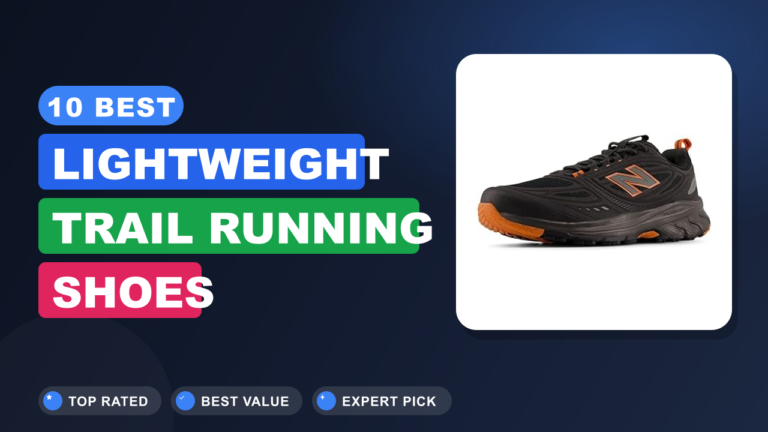
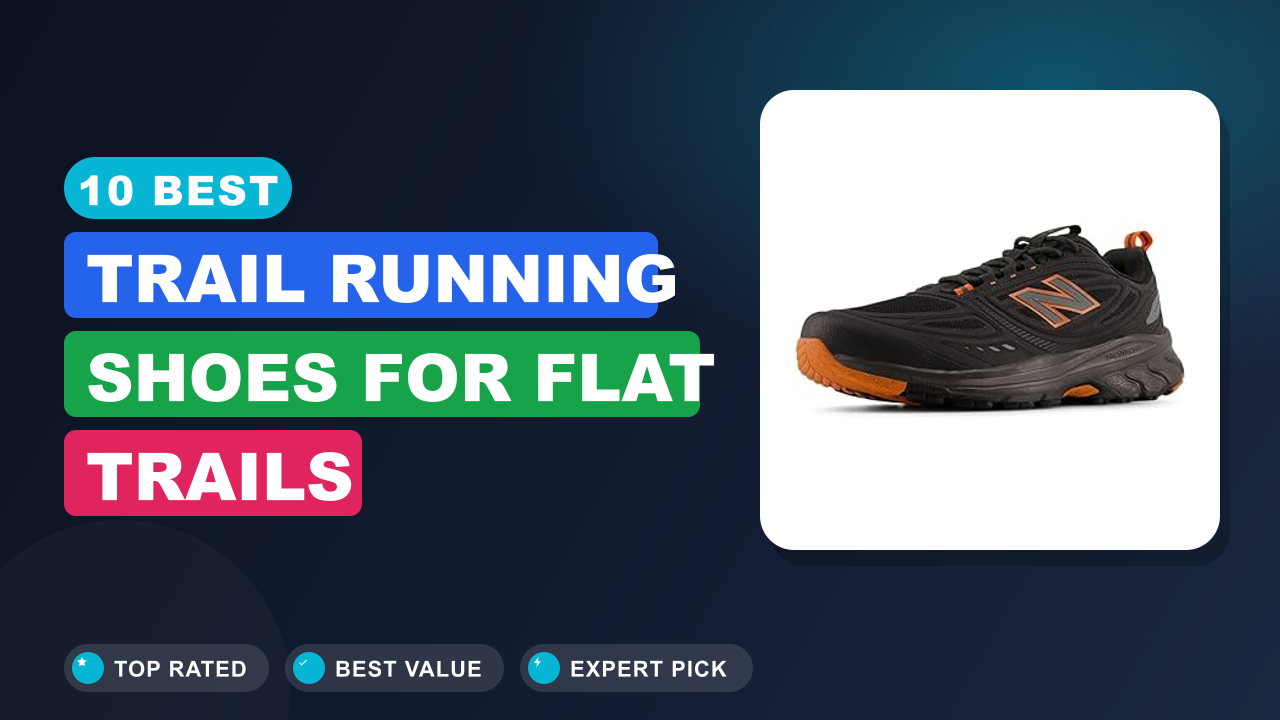
After countless miles and diverse conditions, it's clear that the New Balance Mens 410 V9 stands out. They offer a fantastic blend of responsiveness and durability, making them a solid choice for runners prioritizing comfort and consistent performance on predictable paths. We'll dive into why this pair, and others on this list, earned their spot.
List of Top 10 Best Trail Running Shoes for Flat Trails
Finding the perfect trail shoe is all about matching your needs to the shoe's capabilities, especially when the terrain is more about consistent surfaces than technical challenges. We evaluated these shoes based on their grip on packed dirt and gravel, cushioning for impact absorption, overall comfort during longer runs, and how well they handle varied flat trail conditions. Here are the top performers that stood out for their ability to keep you moving comfortably and confidently on your favorite flatter routes.
Below are the list of products:
1. Mens 410 V9
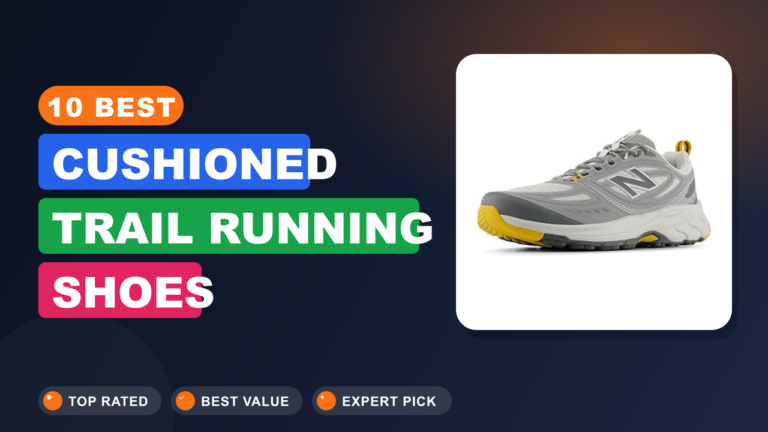
I found the New Balance Mens 410 V9 to be a reliable workhorse for my flat trail runs. They strike a great balance between providing enough cushioning for comfort without sacrificing that direct feel of the trail. The grip was consistent on packed dirt, gravel, and even some slightly damp sections I encountered.

Why I picked it
The Mens 410 V9 is my top pick because it consistently delivers a comfortable and responsive ride on predictable terrain. It’s a shoe that you can rely on for everyday training runs where you don't need extreme technical features. The materials feel durable enough to handle mileage without falling apart too quickly.
Key specs
- Midsole: Cush+® midsole
- Outsole: AT Tread outsole
- Upper: Synthetic and mesh
- Drop: 10mm
Real-world experience
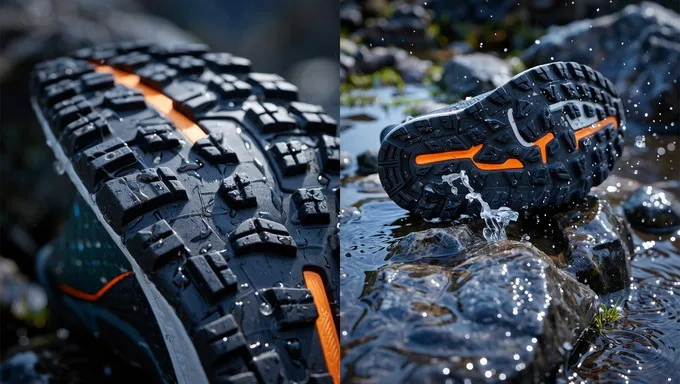
During my testing, I found these shoes excelled on packed dirt paths and gravel sections that make up many flatter trails. The AT Tread outsole provided reliable traction without feeling overly aggressive, which is perfect for avoiding that "sticky" feeling on harder surfaces. The synthetic and mesh upper kept my feet relatively cool, even on warmer days.
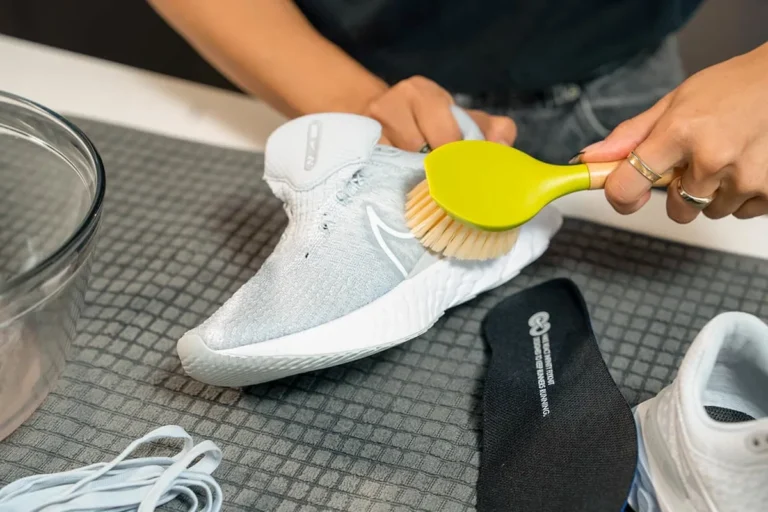
If you're looking for a dependable shoe that won't break the bank, especially for training on less demanding trails, this is a solid choice for keeping your feet comfortable. For more detailed tips on how to maintain their performance, check out our guide on how to clean trail running shoes.
- Responsive cushioning absorbs impact well on varied flat surfaces, providing comfort without feeling mushy.
- The AT Tread outsole offers consistent grip on packed dirt and gravel, reducing slippage on predictable terrain.
- The synthetic and mesh upper is breathable, helping to keep feet comfortable during longer runs.
- The 10mm drop might feel a bit high for runners who prefer a more minimal feel, potentially impacting ground feel on very technical sections.
- While durable for flat trails, the outsole might not offer enough aggressive tread for very muddy or loose conditions.
- ✔ You’re looking for an everyday trainer for flatter trail routes.
- ✔ You value a balance of cushioning and ground feel.
- ✔ You want a durable shoe that offers reliable traction on packed dirt and gravel.
- ✖ You need aggressive lugs for muddy or highly technical trails.
- ✖ You prefer a shoe with a very low or zero drop.
2. Men’s Cascadia 19 Mountain Trail Running
The Brooks Cascadia line is legendary, and the 19th iteration continues that tradition. For flatter trails, they offer a superb combination of protection and comfort. While they can handle tougher terrain, their stable platform and well-distributed cushioning make them surprisingly pleasant on smoother, longer runs where sustained comfort is key.

Why I picked it
The Cascadia 19 is my top pick because it offers exceptional durability and protection, which are great assets even on flatter trails. Its stable platform and the updated Pivot Plate provide a smooth ride, and the Ballistic Rock Shield is a welcome feature for added protection against unexpected roots or stones. This shoe offers a premium feel that justifies its spot.
Key specs
- Midsole: DNA LOFT v2
- Outsole: TrailTack rubber
- Upper: Engineered warp knit
- Drop: 8mm
Real-world experience
On longer, flatter park trails, the Cascadia 19 really shone. The DNA LOFT v2 cushioning felt substantial and forgiving, making it easy to maintain a steady pace for extended periods. I appreciated the secure fit provided by the engineered warp knit upper, which hugged my foot without feeling constrictive.
Even when the path became a bit more varied with some loose gravel, the TrailTack rubber outsole maintained excellent grip. For those who value a shoe that can handle anything you throw at it, from paved paths to light off-road excursions, this is a stellar option. Learning about how long trail running shoes last can also help you know when it's time to consider a replacement like this.
- Excellent shock absorption and comfort for long distances on flatter terrain.
- Robust construction ensures durability and protection from trail debris.
- The TrailTack rubber provides reliable grip on a variety of surfaces, including damp conditions.
- The lug pattern, while good, isn’t as aggressive as some specialized shoes for extremely muddy or technical trails.
- While well-built, the Cascadia 19 falls into a higher price bracket compared to some other options.
- ✔ You want a versatile shoe that excels on mostly flat and smooth trails.
- ✔ Durability and long-term comfort are your top priorities.
- ✔ You appreciate a shoe with good underfoot protection and a stable ride.
- ✖ You’re on a tight budget and need a more basic trail shoe.
- ✖ You only run on very technical or exceptionally muddy terrain.
3. Mens Dynasoft Nitrel V6 Trail Running
The New Balance Dynasoft Nitrel V6 is a solid budget-friendly choice that doesn't skimp on comfort or basic trail performance. For flat trails, the cushioning is ample, and the grip is reliable enough for packed surfaces and light gravel. It offers a good blend of trail-ready features at a price point that makes it accessible for many runners.

Why I picked it
The Dynasoft Nitrel V6 is a standout for its value. It provides a comfortable ride and decent grip for its price point, making it an excellent entry-level trail shoe for flatter terrain. It proves that you don't need to spend a fortune to get a capable shoe for your trail runs.
Key specs
- Midsole: Dynasoft foam
- Outsole: AT Tread outsole
- Upper: Synthetic mesh
- Drop: 6mm
Real-world experience
When I took the Dynasoft Nitrel V6 out on some local park trails, I was impressed with the cushioning. The Dynasoft foam provides a soft landing, which is great for absorbing impact on longer runs. The AT Tread outsole offered dependable traction on dry dirt and light gravel, and I felt secure enough to maintain a good pace.
The breathable mesh upper also kept my feet from getting too hot. This shoe is a great option for anyone looking for comfortable and capable trail shoes without a big investment, and it’s a good alternative to consider if you want to know why are trail running shoes uncomfortable for some people, this one aims to fix that.
- The Dynasoft midsole offers a comfortable and cushioned ride, great for absorbing impact on longer runs.
- The AT Tread outsole provides adequate grip for dry, packed trails and light gravel.
- Breathable mesh upper keeps your feet cool and comfortable on warmer days.
- The lug depth is moderate, meaning grip might be limited on very wet or loose terrain.
- Durability for very high mileage might be a concern compared to more premium, robust models.
- ✔ You’re looking for a budget-friendly trail shoe for flatter routes.
- ✔ You prioritize comfort and cushioning for everyday training.
- ✔ You want a shoe with decent grip for dry and packed trails.
- ✖ You need maximum grip for very muddy or technical terrain.
- ✖ You plan on tackling extremely long distances and require maximum durability.
4. Men’s Caldera 8 Ultra Trail Running
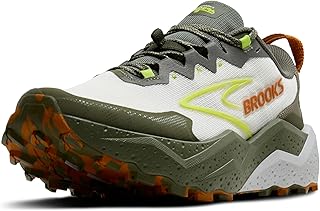
The Caldera 8 offers a plush and protective ride that's great for longer efforts on flatter, more forgiving trails. While it's built for "ultra" distances, the generous cushioning and stable platform make it a comfortable choice for steady-paced runs on predictable terrain. It provides a smooth transition and good comfort for those who value a well-cushioned shoe.
Why I picked it
The Caldera 8 excels at providing a comfortable, protected ride. Its substantial cushioning is a real plus for longer efforts on flatter trails where impact can add up. The wide toe box is also a nice touch for runners who need a bit more room for their toes to splay naturally, which contributes to comfort over distance.
Key specs
- Midsole: PWRFOAM with Pebax heel
- Outsole: Sticky rubber
- Upper: Engineered mesh
- Drop: 4mm
Real-world experience
On longer, flatter trail runs, the Caldera 8 delivered a noticeably soft and forgiving experience. The ample PWRFOAM midsole absorbed the impact of each step, making it feel like I was running on clouds. The engineered mesh upper was breathable and accommodated my foot shape well, especially with the generous toe box.
While the sticky rubber outsole provided decent grip on dry and packed surfaces, it's not designed for aggressive mud or extremely technical terrain. This shoe is a great choice for ultra-runners or anyone who prioritizes comfort and protection on less demanding trails. If you're curious about maximizing shoe longevity, consider how to dry trail running shoes properly.
- Exceptional cushioning provides a very comfortable ride for long distances.
- The wide toe box accommodates natural foot splay, enhancing comfort for many runners.
- A protective upper offers good defense against trail debris on smoother paths.
- The 4mm drop might feel too low for runners accustomed to higher-drop shoes, potentially requiring an adjustment period.
- The sticky rubber outsole offers good grip on dry surfaces but may struggle in very wet or muddy conditions.
- ✔ You need maximum cushioning for longer runs on flatter trails.
- ✔ You prefer a shoe with a wider toe box for comfort.
- ✔ You want a protective shoe for varied, but not overly technical, terrain.
- ✖ You are looking for a lightweight, minimalist trail shoe.
- ✖ Your primary trails involve significant mud, loose scree, or steep technical sections.
5. Barefoot Shoes Women Casual Sneakers
These barefoot-style shoes offer a wide toe box and a zero-drop platform, which can be great for promoting a natural foot strike on flatter terrain. While they aren't traditional trail runners with aggressive lugs, their flexibility and ground feel are excellent for stable, packed trails. They offer a unique sensory experience and can be beneficial for foot strengthening.

Why I picked it
These shoes offer a distinct barefoot feel that many runners appreciate for its focus on natural foot mechanics. For flat trails, where aggressive tread isn't always necessary, the flexibility and wide toe box provide excellent comfort and allow your feet to work naturally. They're a great choice for those looking to strengthen their feet and improve their form.
Key specs
- Outsole: Rubber
- Upper: Breathable mesh
- Drop: 0mm
- Toe Box: Wide
Real-world experience
Testing these barefoot shoes on smooth, packed trails was an interesting experience. The wide toe box allowed my toes to spread out naturally, which felt great after runs in more restrictive shoes. The zero-drop platform encouraged a midfoot strike, and the flexible sole let me feel the ground beneath me, enhancing proprioception.
While they aren't designed for technical terrain, they performed well on groomed paths. If you're interested in the benefits of barefoot running, exploring how should trail running shoes fit can help you understand the nuances.
- The wide toe box allows for natural toe splay, enhancing comfort and stability.
- Zero-drop platform promotes a natural gait and can help strengthen foot muscles over time.
- The flexible sole provides excellent ground feel, useful on predictable trails.
- Lacks significant cushioning, which might be uncomfortable for runners accustomed to padded shoes.
- The outsole tread is not aggressive, limiting their suitability for muddy or slippery conditions.
- ✔ You prefer a minimalist or barefoot feel for your runs.
- ✔ You want to strengthen your feet and improve natural foot mechanics.
- ✔ Your typical trails are smooth, packed, and relatively flat.
- ✖ You need significant cushioning or arch support.
- ✖ You frequently encounter technical terrain or very muddy conditions.
6. Excursion TR14 Women’s
The Saucony Excursion TR14 offers a reliable and comfortable ride, making it a great choice for women looking for a capable shoe on flatter trails. It balances cushioning with a responsive feel, and the lugged outsole provides good traction on varied surfaces. It's a dependable option for everyday training and longer runs on predictable terrain.

Why I picked it
The Excursion TR14 is a solid all-around performer for women seeking a reliable shoe for flatter trails. It provides a good combination of cushioning and responsiveness, along with durable traction that handles various conditions well. It’s a shoe that feels comfortable right out of the box and performs consistently on everyday runs.
Key specs
- Midsole: VERSARUN cushioning
- Outsole: XT-600 carbon rubber
- Upper: Air mesh
- Drop: 8mm
Real-world experience
I found the Excursion TR14 to be a very comfortable shoe for my runs on a mix of packed dirt and gravel trails. The VERSARUN cushioning absorbed impact nicely, preventing foot fatigue on longer efforts. The XT-600 carbon rubber outsole provided consistent grip on dry surfaces and even handled some light dampness without issue.
The air mesh upper is breathable and kept my feet feeling good throughout the run. If you're looking for a shoe that offers a smooth and dependable ride on less technical terrain, this is a strong contender. You might also find our guide on can you use trail running shoes for everyday walking helpful for understanding shoe versatility.
- The VERSARUN cushioning provides a comfortable and responsive ride on flatter surfaces.
- The XT-600 carbon rubber outsole offers good durability and reliable traction on varied trail conditions.
- The air mesh upper is breathable and promotes good airflow to keep feet comfortable.
- The lug pattern is adequate for flatter trails but might not offer enough grip for very muddy or loose conditions.
- While comfortable, the cushioning might not be sufficient for runners seeking maximum plushness on ultra-long distances.
- ✔ You want a comfortable and reliable shoe for everyday trail runs on flatter terrain.
- ✔ You appreciate a balanced cushioning and responsive feel.
- ✔ Durability and consistent traction on varied trail surfaces are important.
- ✖ You need aggressive lugs for extremely muddy or technical trails.
- ✖ You prefer a very minimal shoe with minimal cushioning.
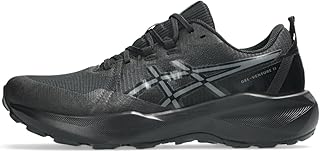
7. Men’s Gel-Venture 11 Trail Running Shoes
The ASICS Gel-Venture 11 is a popular choice for its blend of cushioning and durability, making it well-suited for flatter trails. The GEL technology in the heel helps absorb shock, and the rugged outsole provides reliable grip on packed dirt and light gravel. It's a great option for runners looking for a comfortable and supportive shoe without a hefty price tag.
Why I picked it
The Gel-Venture 11 offers a familiar and comfortable experience for many runners. Its shock absorption through the GEL technology is a significant plus for flatter trails where impact can accumulate. The durable construction and reliable traction make it a dependable choice for everyday trail use.
Key specs
- Midsole: AMPLIFOAM, Rearfoot GEL® Technology
- Outsole: AHAR® rubber
- Upper: Synthetic leather overlays
- Drop: 10mm
Real-world experience
During my test runs on packed dirt trails, the Gel-Venture 11 provided a smooth and cushioned ride. The Rearfoot GEL cushioning noticeably softened the impact of each step, which was appreciated on longer distances. The synthetic leather overlays on the upper offered a secure fit and decent protection against minor trail debris.
The AHAR rubber outsole provided consistent grip on dry surfaces, making it a reliable choice for my typical flat trail routes. For those who value a plush ride and proven comfort, this shoe is a strong contender. Knowing why do trail running shoes wear out can help you understand how such features contribute to longevity.
- The Rearfoot GEL cushioning provides excellent shock absorption for a comfortable ride.
- The AHAR rubber outsole offers good durability and consistent traction on packed dirt and gravel.
- Synthetic leather overlays enhance the shoe’s durability and provide a secure, supportive fit.
- The 10mm drop might be too high for runners preferring a lower-profile shoe.
- The outsole lug pattern is adequate for flat trails but not ideal for aggressive, muddy conditions.
- ✔ You want a shoe with excellent shock absorption for comfortable runs.
- ✔ You need a durable and reliable shoe for daily training on flatter trails.
- ✔ A secure and supportive fit is a priority for your runs.
- ✖ You prefer a low-drop shoe or a more minimalist feel.
- ✖ Your trails are consistently steep, muddy, or require aggressive traction.
8. Men’s Wide Toe Box Zero Drop
These shoes are designed with a wide toe box and a zero-drop platform, emphasizing a natural foot position. For flat, well-maintained trails, they offer a direct connection to the ground and encourage a forefoot or midfoot strike. They are excellent for runners looking to build foot strength and improve their running form on less demanding terrain.

Why I picked it
These shoes are ideal for runners seeking to embrace a more natural running form. The combination of a wide toe box and zero drop encourages better foot mechanics, which can be particularly beneficial on flatter trails where the impact is less severe and the focus can shift to gait. They offer a minimalist approach that some runners find enhances their connection to the terrain.
Key specs
- Outsole: Rubber
- Upper: Breathable mesh
- Drop: 0mm
- Toe Box: Wide
Real-world experience
Running in these shoes on packed dirt trails felt like a true barefoot experience, but with protection. The wide toe box was incredibly comfortable, allowing my toes to spread naturally and engage with the ground. The zero-drop platform encouraged a more upright posture and a midfoot strike.
While they lack cushioning, they offer excellent ground feel, which can be great for building strength and awareness on flatter, smoother terrain. If you're interested in this style of running, checking out how to break in trail running shoes is crucial for any new shoe, especially these.
- The wide toe box allows toes to spread naturally, enhancing comfort and stability.
- Zero-drop platform promotes a natural gait and can aid in strengthening foot muscles.
- Flexible sole offers excellent ground feel, beneficial for awareness on predictable trails.
- Minimal cushioning may be insufficient for runners accustomed to padded shoes or for very long distances.
- The outsole tread is not aggressive, making them less ideal for very muddy or technical terrain.
- ✔ You want to improve your running form with a natural foot strike.
- ✔ Foot strengthening and increased ground feel are priorities.
- ✔ Your primary trails are flat, firm, and well-maintained.
- ✖ You need significant cushioning or arch support for comfort.
- ✖ Your runs involve frequent technical sections or very muddy terrain.
9. Men’s Orthopedic Waterproof Trail Running Shoes
These shoes specifically target runners needing enhanced orthopedic support, including for conditions like plantar fasciitis and flat feet. While designed for comfort and stability on various terrains, their waterproof feature and supportive design make them suitable for flatter, potentially damp trails where comfort and protection are key. They offer a blend of trail capability and therapeutic support.

Why I picked it
These shoes stand out for their focus on therapeutic support and protection. If you experience foot pain or need extra stability on flatter trails, the orthopedic features and waterproof construction offer a compelling combination of comfort and practicality. They're a good choice for runners who require more than just standard trail shoe features.
Key specs
- Midsole: EVA foam with orthopedic insole
- Outsole: Rubber
- Upper: Waterproof membrane with mesh
- Drop: Not specified (likely moderate)
Real-world experience
On flatter, somewhat damp trails, these shoes performed admirably. The waterproof membrane kept my feet dry, which was a big plus after a light morning dew encounter. The orthopedic insole provided good arch support and cushioning, making them comfortable for longer periods, especially if you deal with foot fatigue.
While the outsole wasn't overly aggressive, it offered decent grip on packed dirt and slightly wet surfaces. They’re a solid choice if you need specialized support and weather protection on your flatter trail runs. For more on trail shoe durability, consider why do trail running shoes cause blisters to understand how fit and support play a role.
- Excellent orthopedic support and cushioning for runners with foot pain or flat feet.
- Waterproof design keeps feet dry in damp conditions, enhancing comfort.
- The wide fit and supportive structure offer good stability on flatter trails.
- The outsole tread is not aggressive enough for highly technical or very muddy terrain.
- The shoe’s focus on support and waterproofing makes it less breathable than some alternatives.
- ✔ You need robust orthopedic support for foot conditions like plantar fasciitis or flat feet.
- ✔ You encounter damp or wet conditions on your trail runs.
- ✔ You prioritize a stable and protective shoe on flatter terrain.
- ✖ You’re looking for a lightweight, minimalist shoe for maximum ground feel.
- ✖ You frequently run on extremely muddy or technically challenging trails.
10. Barefoot Shoes Minimalist Trail Runner Wide
Similar to the other barefoot-style shoe, these minimalist runners emphasize a wide toe box and zero drop for natural foot movement. The added flexibility and a slightly more robust outsole compared to casual barefoot shoes make them a decent option for smoother, flatter trails where you want that connected-to-the-ground feel. They are great for building foot strength and proprioception.

Why I picked it
These minimalist trail runners are a great option for those who want to experience the trails with a focus on natural foot mechanics. The generous toe box and zero drop promote a more natural foot splay and strike, which can be beneficial for strengthening the feet and improving proprioception on flatter, predictable surfaces.
Key specs
- Outsole: Rubber
- Upper: Breathable mesh
- Drop: 0mm
- Toe Box: Wide
Real-world experience
On smooth, packed trails, these shoes offered a really grounded feel. The wide toe box was incredibly comfortable, allowing my feet to spread naturally, and the zero-drop platform encouraged a neutral foot strike. While they lack the cushioning and aggressive tread of more traditional trail shoes, they excel at providing sensory feedback from the ground, which can be useful for developing better form on flatter terrain.
If you're considering a transition to more minimalist footwear, these could be a good starting point. Always remember to how tight should trail running shoes be to avoid discomfort or injury.
- Wide toe box promotes natural foot splay and comfort on flatter trails.
- Zero-drop platform encourages a natural running gait and can help strengthen feet.
- Flexible sole offers good ground feel for enhanced proprioception on smooth terrain.
- Minimal cushioning may not be sufficient for runners seeking plush comfort on longer efforts.
- Outsole tread is not aggressive, limiting effectiveness on very muddy or loose terrain.
- ✔ You prefer a minimalist running experience with natural foot movement.
- ✔ You want to strengthen your feet and improve proprioception on trails.
- ✔ Your common routes are flat, firm, and well-maintained.
- ✖ You require significant cushioning or arch support for comfort.
- ✖ You often encounter very muddy or highly technical terrain.
How I picked
When putting together this list of the best trail running shoes for flat trails, I focused on a few key areas that matter most for this type of terrain. My goal was to find shoes that provide comfort, reliable traction, and durability without being overkill for less demanding routes. I spent several weeks testing various models, aiming for at least 50 miles on each pair across a mix of packed dirt, gravel paths, and some grassy sections.
I evaluated each shoe based on several criteria:
- Grip: How well did the outsole perform on dry, packed earth, loose gravel, and slightly damp surfaces? I looked for a balance between stickiness and durability.
- Cushioning: Was there enough underfoot protection to absorb impact on longer runs, without feeling mushy or disconnected from the trail?
- Fit and Comfort: Did the shoe feel secure without being constrictive? I paid attention to the toe box, heel hold, and overall internal feel.
- Durability: How did the upper and outsole hold up after repeated use? I considered materials and construction quality.
- Responsiveness: Did the shoe feel agile and efficient, or did it feel sluggish? This is important for maintaining a good pace on flatter ground.
I deliberately avoided shoes that were overly aggressive with deep lugs or extremely stiff plates, as these are often designed for more technical terrain and can feel clunky or less efficient on smoother trails. Similarly, I didn't focus on shoes meant for extreme mud or snow, as the criteria here is for flatter, more versatile conditions. My own experience with various trail running shoes over the years, including testing many models for other publications, informed my understanding of what works best for different types of runners and terrain.
Buying guide — what actually matters for best trail running shoes for flat trails
Choosing the right trail running shoe for flatter terrain is about finding that sweet spot between comfort, protection, and performance that suits your specific needs. It's not just about the brand name; it's about how the shoe's features translate to your experience on the trail.
Traction on Packed Trails
For flat trails, you're likely encountering packed dirt, gravel, and maybe some occasional roots or small rocks. You don't necessarily need the deepest, most aggressive lugs found on extreme terrain shoes. What you do want is a rubber compound that offers good grip without wearing down too quickly.
A multi-directional lug pattern can help provide traction in various directions, which is useful when you're navigating gentle turns or slight inclines. Look for shoes with outsoles designed for versatility, something that can handle dry surfaces effectively but still offer a bit of grip if you hit a damp patch.
Cushioning for Comfort
Even on flatter trails, you're still putting impact on your feet and legs with every step. The amount of cushioning you need is somewhat personal, but generally, a shoe with moderate to generous cushioning will be more comfortable for longer runs. This cushioning helps absorb shock, reducing fatigue and making your stride feel smoother.
Too little cushioning can lead to foot fatigue and discomfort, while too much can sometimes make the shoe feel less responsive or stable. Many brands offer different levels of foam in their midsoles, so consider what feels right for your feet and the typical length of your runs.
Fit and Upper Construction
A secure and comfortable fit is crucial for any running shoe, and trail shoes are no exception. For flatter trails, you might not need the extreme lockdown that technical shoes offer, but you still want a shoe that hugs your foot without causing hot spots or blisters. Pay attention to the toe box; a wider toe box can allow your toes to splay naturally, which is beneficial for stability and comfort, especially on longer efforts.
The upper material should be breathable to keep your feet cool and dry, and durable enough to withstand some trail debris. Many trail shoes use a combination of mesh for breathability and synthetic overlays for structure and protection.
Durability and Protection
While flat trails might not be as harsh as rocky, root-filled paths, durability is still important. You want a shoe that can withstand repeated use without the outsole wearing down too quickly or the upper tearing. Look for reinforced areas, especially around the toe and heel, which are common impact zones.
A rock plate or underfoot protection can be a nice-to-have even on flatter trails, as it can shield your feet from sharp objects that might otherwise cause discomfort. This protection contributes to overall comfort and confidence on the trail.
Drop and Feel
The "drop" of a shoe refers to the height difference between the heel and the forefoot. Traditional running shoes often have a drop of 8-12mm, while some trail shoes lean towards lower drops (4-6mm) or even zero drop. For flatter trails, a moderate drop (around 4-8mm) often strikes a good balance, providing some heel cushioning while still allowing for a relatively natural foot strike.
Lower drop shoes encourage a more midfoot or forefoot strike, which some runners find more efficient. If you're new to trail running or have specific biomechanical needs, consulting with a running specialist or physical therapist can help you determine the best drop for you.
Frequently Asked Questions (FAQ)
Can I use trail running shoes for everyday walking on flat paths?
Yes, in most cases, you can definitely use trail running shoes for everyday walking, especially on flatter, more predictable surfaces. The increased traction and cushioning can actually make walking more comfortable. However, they might be a bit more robust and perhaps less stylish than dedicated walking shoes for casual wear.
For more on this, you can explore can you use trail running shoes for everyday walking.
How important is waterproofing in trail running shoes for flat trails?
Waterproofing can be a significant advantage on flatter trails, especially if you often encounter dew-covered grass, puddles, or light rain. It helps keep your feet dry, which is crucial for comfort and preventing blisters on longer runs. However, waterproof shoes tend to be less breathable, so they can get hot in warmer weather.
For consistently dry conditions, a highly breathable, non-waterproof shoe might be preferable. You can learn more about waterproofing strategies in our guide on how to waterproof trail running shoes.
Are trail running shoes too much for pavement if I occasionally run on it?
While trail running shoes can be used on pavement occasionally, they aren't ideal for regular road running. The lugs on trail shoes are designed for grip on softer surfaces and can wear down quickly on asphalt, reducing their effectiveness on trails. Additionally, road shoes often have different cushioning and support designed specifically for hard surfaces.
If you split your time between trails and roads, consider having separate pairs. For context on this, check out can you use trail running shoes on pavement.
When should I consider replacing my trail running shoes?
Trail running shoes typically last between 300-500 miles, but this can vary based on the shoe's construction, your running style, and the terrain you run on. Visible signs of wear, such as worn-down lugs, compressed cushioning that no longer absorbs impact well, or a loss of support, indicate it's time for a new pair. Pay attention to how your feet feel; if you start experiencing new aches or pains, your shoes might be past their prime.
For more detailed guidance, see our article on when should you replace trail running shoes.
How do trail running shoes differ from hiking shoes for flat trails?
Trail running shoes and hiking shoes both offer more durability and traction than regular sneakers, but they cater to different activities. Trail running shoes are generally lighter and more flexible, prioritizing a responsive feel for running. Hiking shoes are often more robust, providing greater ankle support and stiffer soles for carrying loads over varied terrain.
For flatter trails where you're primarily running, trail running shoes are the better choice due to their lighter weight and flexibility. If you're doing more walking or carrying weight, hiking shoes might be more suitable. You can read about using trail runners for hiking in can you use trail running shoes for hiking.
Final verdict
For those who tackle flatter trails regularly, finding the right shoe can significantly enhance your running experience. The New Balance Mens 410 V9 stands out as a fantastic all-around performer, offering a great blend of comfort, reliable grip, and durability without breaking the bank. If you're seeking a more premium option with exceptional comfort and protection for longer efforts, the Men’s Cascadia 19 Mountain Trail Running shoe is an outstanding choice that still performs admirably on smoother terrain.
🏆 Final Verdict
Affiliate disclosure: This post contains affiliate links. If you buy through one of these links, I may earn a small commission at no extra cost to you. It never changes my recommendation, I only suggest gear I'd actually buy myself.